
Are you ready to take your bird watching experience to the next level? Choosing the right binoculars can make all the difference between spotting a rare bird and missing it completely.
But with so many options out there, how do you know which binoculars are best for you? This guide will help you find the perfect pair that fits your needs, budget, and skill level. Keep reading, and soon you’ll be seeing birds in incredible detail like never before.
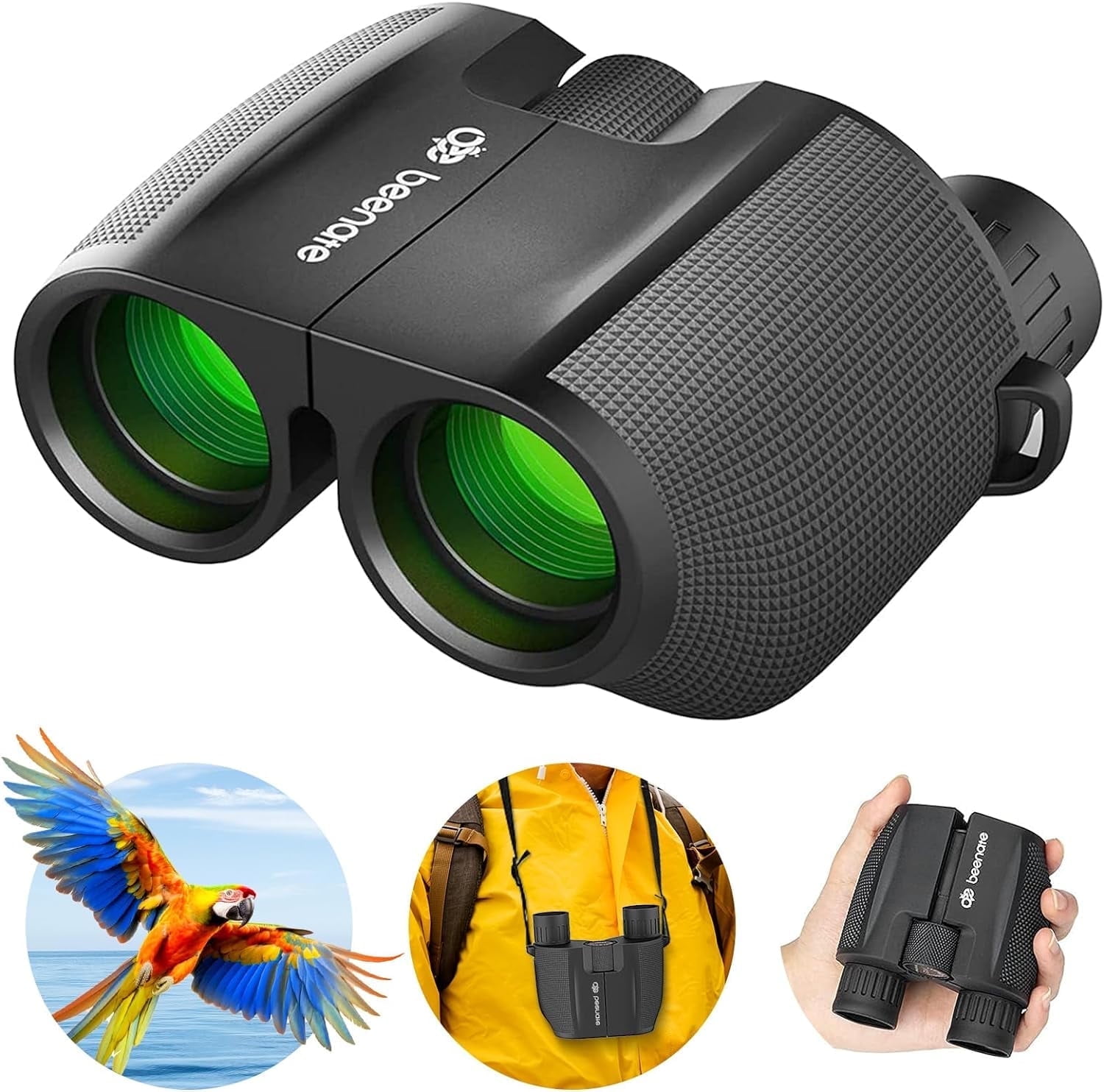
Credit: www.walmart.com
Key Features For Bird Watching
Choosing the right binoculars for bird watching depends on certain key features. These features affect how clearly and comfortably you see birds. Understanding them helps pick the best pair for your needs. Focus on magnification, lens size, field of view, weight, lens coatings, and eye relief.
Magnification And Objective Lens
Magnification shows how much closer birds appear. A 7x or 8x magnification suits most bird watchers. Higher magnification can cause shaky images. Objective lens size controls light entry. Larger lenses offer brighter images but add weight. A 32mm or 42mm lens balances brightness and portability well.
Field Of View
Field of view means how wide an area you see. A wide field helps spot fast-moving birds easily. It also lets you follow birds without moving the binoculars. Look for a field of view around 330 feet at 1000 yards. This size offers a good balance of detail and coverage.
Weight And Size
Lightweight binoculars reduce arm strain during long use. Compact models fit easily in bags or pockets. However, very small binoculars may have smaller lenses. Choose size and weight that feel comfortable to hold and carry. Test them before buying if possible.
Lens Coatings
Lens coatings improve light transmission and reduce glare. Fully multi-coated lenses give brighter and clearer views. Coatings also protect lenses from scratches. Always choose binoculars with quality coatings for better image quality.
Eye Relief
Eye relief is the distance your eyes can be from the lenses. Longer eye relief helps people who wear glasses. It allows a full view without black edges. Aim for eye relief of at least 15mm for comfort and ease.
Types Of Binoculars
Bird watching requires clear and sharp views of distant birds. Choosing the right binoculars helps you enjoy this hobby better. Binoculars come in different types based on their prism design. Each type has unique features that affect size, weight, and image quality.
Porro Prism Binoculars
Porro prism binoculars have a classic design with a wider body. The eyepieces are offset from the objective lenses. This design creates a wider field of view and better depth perception. Porro prisms often offer brighter and clearer images at a lower price.
These binoculars tend to be bulkier and heavier. They work well for bird watchers who prefer comfort over compact size. Their robust construction suits outdoor use in various weather conditions.
Roof Prism Binoculars
Roof prism binoculars have a straight, compact shape. The eyepieces and objective lenses align in a straight line. This design makes them smaller and easier to carry. Roof prisms offer a modern look and are popular for travel and hiking.
They are usually lighter but cost more than Porro prism binoculars. Roof prisms need precise alignment for clear images. Many models include waterproof and fog-proof features for tough environments.
Best Binoculars By Experience Level
Choosing the right binoculars depends on your bird watching experience. Beginners need simple, easy-to-use models. Intermediate users want better optics and durability. Professionals require advanced features for detailed observation. Understanding these needs helps pick the best binoculars for each level.
Beginner-friendly Options
Beginners benefit from lightweight and affordable binoculars. Look for models with:
- Low magnification (7x to 8x) for stable views
- Wide field of view to spot birds quickly
- Rubber coating for a comfortable grip
- Compact size for easy carrying
These features make bird watching easy and fun for new users.
Intermediate Choices
Intermediate bird watchers need binoculars with sharper images. Key features include:
- Magnification around 8x to 10x for better detail
- Improved lens coatings for brighter views
- Waterproof and fog-proof designs for outdoor use
- Adjustable eyecups for comfort with glasses
These binoculars offer a balance of performance and portability.
Professional Models
Professionals require top-quality binoculars with advanced optics. Important aspects are:
- High magnification (10x or more) for distant birds
- Exceptional lens clarity and color accuracy
- Robust build to withstand rough conditions
- Extra features like image stabilization or rangefinding
These models support serious bird watchers in detailed studies.
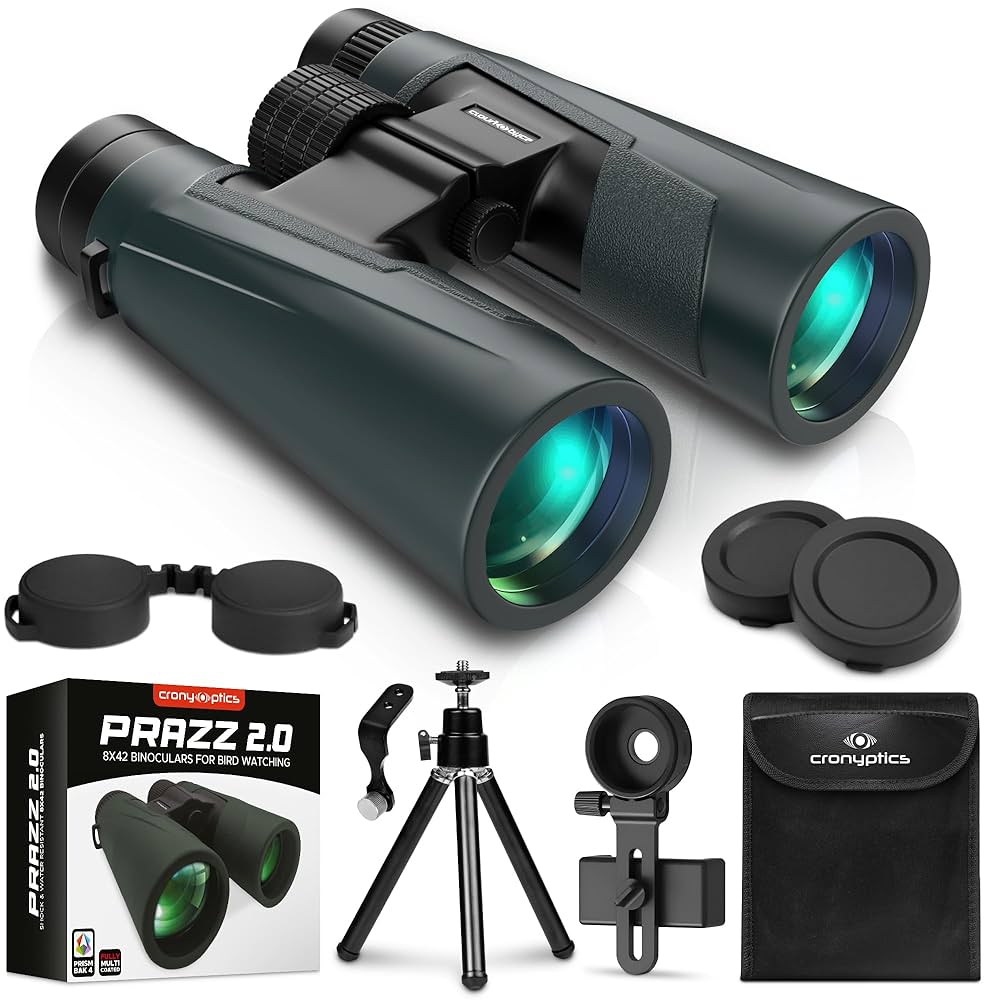
Credit: www.amazon.com
Budget Considerations
Choosing the right binoculars for bird watching depends heavily on your budget. You want clear views and comfortable handling, but price often dictates the features you can get. Understanding what fits your budget helps you focus on the best options without overspending or missing out on essential qualities.
Affordable Picks
If you’re just starting bird watching or want a simple pair without breaking the bank, affordable binoculars can still deliver decent performance. Look for models with 8x magnification and a 32mm objective lens—these strike a good balance between clarity and portability.
Brands like Nikon and Bushnell offer reliable options under $100. These binoculars often have plastic bodies and basic coatings, but they’re lightweight and easy to carry on long walks. Ask yourself: Is convenience more important than crystal-clear detail at this stage?
Mid-range Models
Stepping up to mid-range binoculars, typically priced between $150 and $300, unlocks better optics and durability. You’ll find multi-coated lenses that improve light transmission and sharper images, essential for spotting fine bird details.
These models often feature rubber armor for a secure grip and water-resistant designs. Brands like Vortex and Celestron shine here. If you want binoculars that perform well in different lighting conditions and last for years, this price range is a smart choice.
High-end Investments
High-end binoculars, costing $400 and above, offer professional-grade optics and build quality. Expect features like ED glass, phase correction coatings, and superior waterproofing that professionals rely on for critical bird identification.
Investing in premium brands such as Swarovski or Zeiss means you get exceptional clarity, color accuracy, and comfort for long sessions. Are you ready to commit to bird watching seriously? These binoculars can be a game-changer in your field experience.
Additional Features To Consider
Choosing binoculars for bird watching involves more than just magnification and lens size. Some extra features greatly improve your experience outdoors. These features help in tough weather, long viewing sessions, and quick focusing. Consider these details before making your choice.
Waterproof And Fogproof
Bird watching often happens in wet or damp places. Binoculars that are waterproof resist rain, splashes, and accidental drops into water. Fogproof models have sealed tubes filled with nitrogen or argon gas. This stops moisture inside the lenses, so you get a clear view even in cold or humid weather.
Waterproof and fogproof binoculars last longer and perform better outdoors. They protect your investment and reduce the risk of damage. Perfect for early morning or rainy day bird watching.
Tripod Compatibility
Some bird watchers like to use a tripod for steady views. Tripods help reduce hand shake, especially with high magnification binoculars. Check if the binoculars have a tripod adapter or a threaded socket. This allows you to attach them easily.
Using a tripod means less fatigue during long observation sessions. It also helps with detailed bird studies and photography. Tripod-compatible binoculars add versatility to your gear.
Focus Mechanisms
Quick and smooth focusing is vital for spotting birds fast. Most binoculars have a central focus wheel for both eyes. Some models feature individual eyepiece focus rings for fine-tuning.
Look for focus wheels that turn easily without slipping. A good focus system lets you adjust quickly while tracking moving birds. It improves your chances of capturing clear, sharp images.

Credit: www.amazon.com
Top Brands For Bird Watching Binoculars
Popular brands like Nikon, Vortex, and Bushnell offer reliable bird watching binoculars. These brands provide clear images and durable designs for outdoor use. Choosing from trusted names ensures better quality and a great viewing experience.
When you’re gearing up for a bird watching adventure, choosing the right binoculars can make all the difference in what you see and how much you enjoy the experience. The market is flooded with options, but some brands consistently rise to the top, offering quality, durability, and impressive features. Let’s take a closer look at some of the top brands that bird watchers swear by.Zeiss
Zeiss is synonymous with precision optics. Known for their exceptional clarity and light transmission, Zeiss binoculars offer a crisp, clear view that brings even distant birds into sharp focus. You might find yourself spotting colors and details you never noticed before.Nikon
Nikon combines affordability with performance. Their binoculars are widely praised for being user-friendly and reliable, making them a popular choice for both beginners and seasoned bird watchers. Imagine the thrill of capturing a bird’s intricate feather patterns without straining your eyes.Swarovski
Swarovski binoculars are often considered the gold standard in bird watching. They offer unparalleled image quality and rugged construction. While they come with a hefty price tag, the investment pays off with breathtaking views that can transform your birding outings.Vortex
Vortex offers a range of binoculars that balance quality and cost. Known for their durability and impressive warranty, Vortex binoculars are great for those who venture into tougher terrains. Have you ever been caught in unexpected weather? Vortex binoculars can handle it.Leica
Leica is famed for its superior optical performance and elegant design. Their binoculars provide stunning image clarity and are perfect for those who appreciate a sleek look. Do you value aesthetics as much as functionality? Leica might be the brand for you. Choosing the right brand boils down to your personal preferences and needs. Do you prioritize image quality, durability, or budget? Reflect on what matters most to you, and let that guide your choice. Each of these brands offers something unique, promising to enhance your bird watching experience in its own way.Maintenance And Care Tips
Clean lenses ensure clear views; wipe them gently with a soft cloth. Store binoculars in a dry place to avoid damage and keep them ready for your next bird watching trip.
Bird watching is a peaceful hobby. It needs good binoculars. Keeping them in top shape is vital. Proper care ensures they last longer. Below are some tips for maintaining your binoculars.Regular Cleaning
Cleaning keeps your binoculars clear. Use a soft cloth to wipe lenses. Avoid touching lenses with fingers. Smudges can reduce clarity. Use lens cleaning solution if needed.Storage Tips
Store binoculars in a cool, dry place. Use a protective case. Avoid direct sunlight. Heat can damage them. Keep them away from dust.Check For Damage
Inspect binoculars for cracks or dents. Check lens alignment. Misalignment affects viewing. Address issues quickly. Repairs may be needed.Use Lens Caps
Lens caps protect lenses. Use them when not in use. They prevent dust and scratches. Always keep them handy.Handle With Care
Avoid dropping your binoculars. Use a neck strap. It reduces the risk of falls. Handle them gently.Keep Dry
Moisture harms binoculars. Wipe off rain or dew. Use silica gel packs. They absorb moisture. Ensure they stay dry.Frequently Asked Questions
What Magnification Is Best For Bird Watching Binoculars?
A magnification of 8x to 10x is ideal for bird watching. It offers a good balance between zoom and image stability. Higher magnification can cause shakiness and reduced field of view. Choose 8×42 or 10×42 binoculars for clear and bright images.
How Important Is Lens Diameter In Bird Watching?
Lens diameter affects light gathering and image brightness. Larger lenses like 42mm perform better in low light. It helps you see birds clearly during dawn or dusk. However, bigger lenses are heavier, so consider weight for comfort.
Are Waterproof Binoculars Necessary For Bird Watching?
Yes, waterproof binoculars are essential for outdoor bird watching. They protect lenses from rain, moisture, and fog. Waterproof models ensure durability and clear vision in all weather conditions. This feature extends the binoculars’ lifespan and usability.
What Weight Is Suitable For Bird Watching Binoculars?
Lightweight binoculars, ideally under 30 ounces, are best for bird watching. They reduce arm fatigue during long sessions. Compact and ergonomic designs enhance comfort. Balance between weight and performance is key for enjoyable birding.
Conclusion
Choosing the right binoculars makes bird watching more fun and clear. Think about size, weight, and lens quality first. Comfort matters too, especially on long trips. Don’t forget to check your budget before buying. The best binoculars fit your needs and feel good in your hands.
Enjoy exploring nature with your new view. Happy bird watching!




