
Have you ever wondered what it means to see things from a bird’s eye view? Imagine looking down from high above and getting a clear, wide picture of everything below.
This way of seeing can change how you understand places, situations, and even ideas. You’ll discover exactly what a bird’s eye view is, why it matters, and how it can help you make smarter decisions. Keep reading, and you’ll unlock a fresh perspective that could transform the way you see the world around you.
Bird’s Eye View Basics
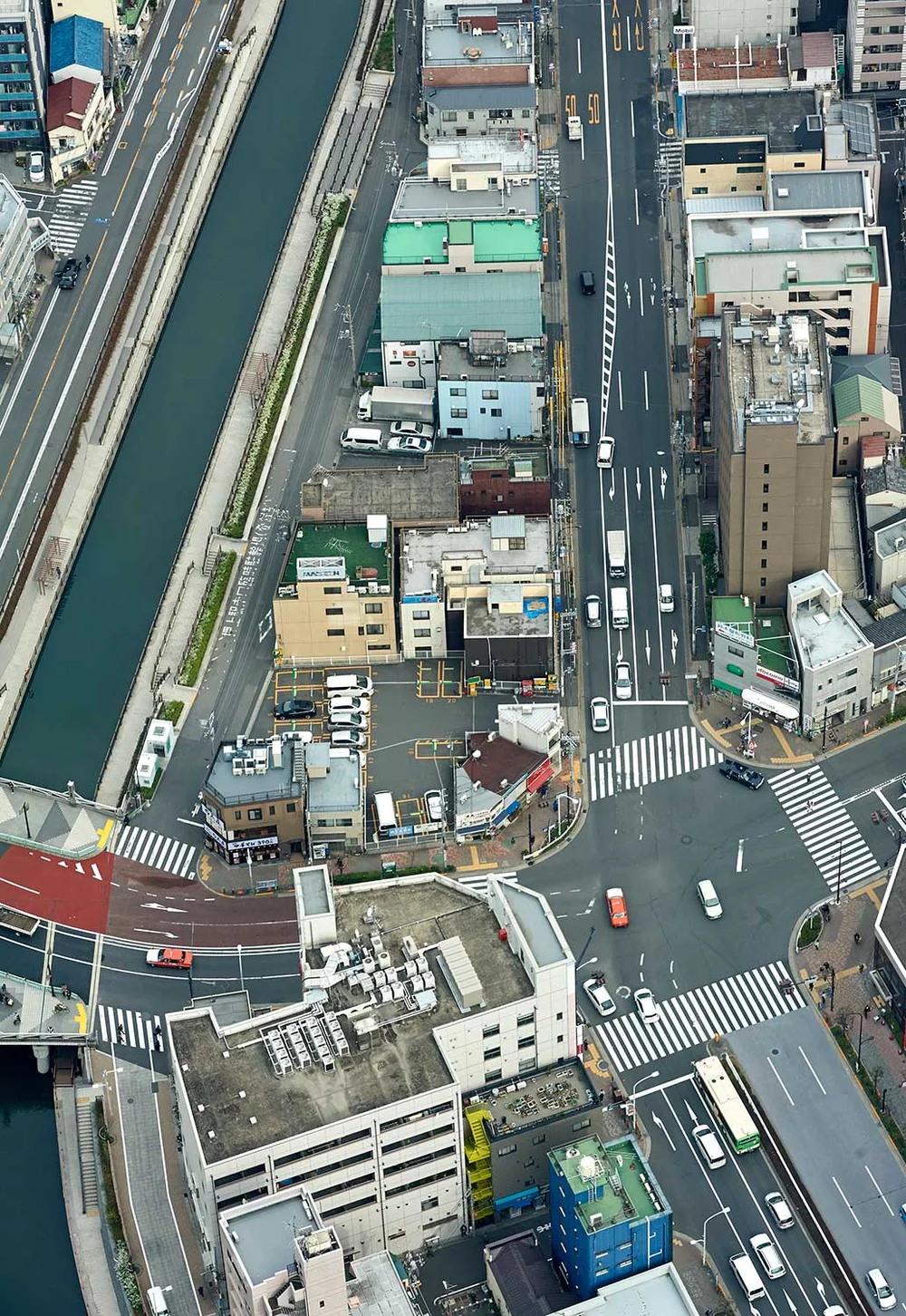
A bird’s eye view shows an area from above, like a bird flying high. It gives a wide look at the place below.
This view helps people see the layout and details all at once. It is used in many fields and daily tasks.
Definition And Origin
The term “bird’s eye view” means looking down from a high place. It is like seeing the world from a bird’s point of view.
The idea started long ago in maps and art. People used it to show cities and lands in one picture.
- It helps show many details at once.
- It gives a clear view of shapes and roads.
- It is used in maps, drawings, and photos.
Common Uses In Daily Life
We use bird’s eye views in many ways every day. They help us understand places and plans better.
| Use | Example |
| Navigation | Maps on phones show streets from above |
| Real Estate | Showing homes and yards from the sky |
| Video Games | Giving players a full look at the game area |
| Event Planning | Arranging seats and stages in a hall |
Credit: www.amandaeatwell.com
Visual Perspectives Explained
A bird’s eye view shows a scene from above. It looks down on objects as if seen by a bird flying high.
This view helps us see layouts, shapes, and relationships between things on the ground.
Difference Between Bird’s Eye And Other Views
Bird’s eye view looks straight down from above. Other views show scenes from the side or at an angle.
For example, eye-level view shows what a person sees standing up. Worm’s eye view looks up from the ground.
- Bird’s eye view shows full layouts and patterns.
- Eye-level view shows height and depth clearly.
- Worm’s eye view makes objects look tall and big.
Advantages Of Bird’s Eye Perspective
This view gives a clear overview. It helps us understand space and positions easily.
Bird’s eye view is useful in maps, architecture, and design for planning and navigation.
- Shows large areas at once
- Helps find paths and routes quickly
- Makes it easy to compare sizes and distances
- Useful for planning spaces and layouts
Applications Across Fields
A bird’s eye view shows a scene from above. It gives a clear and wide look. This view helps in many areas.
People use bird’s eye views to plan, create, and explore. It makes complex information easy to understand.
Architecture And Urban Planning
Architects and planners use bird’s eye views to design buildings and cities. They see how spaces fit together and how people will move.
- Plan building layouts and roads
- Design parks and public spaces
- Check sunlight and shadows
- Visualize city growth
Photography And Filmmaking
Bird’s eye shots add drama and context in photos and films. They show large areas or follow action from above.
Common uses include:
- Drone photography for landscapes
- Overhead shots in movies
- Creating maps for scenes
- Showing scale and distance
Mapping And Navigation
Maps use bird’s eye views to show roads, landmarks, and terrain. This helps travelers find their way.
| Map Type | Use |
| Road Map | Shows streets and routes |
| Topographic Map | Displays land shapes and heights |
| Satellite Map | Gives real images from above |
Gaming And Virtual Reality
Bird’s eye views help players see game areas clearly. They plan moves and explore virtual worlds.
- Strategy games use overhead maps
- Virtual tours show whole environments
- Helps in navigation and planning
- Improves user experience

Credit: wardmaps.com
Techniques To Capture Bird’s Eye View
A bird’s eye view shows a scene from above. It gives a wide and clear look at an area. People use many ways to get this view.
Different tools and methods help capture this perspective. Some use cameras, while others draw or use new technology.
Aerial Photography Methods
Aerial photography uses cameras to take photos from the sky. Planes, helicopters, and balloons can carry cameras high above the ground.
- Helicopters offer stable platforms for clear photos.
- Airplanes cover large areas quickly.
- Balloons provide slow, steady shots.
- Fixed-wing drones can fly long distances.
Drones And Modern Technology
Drones have made bird’s eye views easier and cheaper. They can fly low and take sharp images or videos.
| Technology | Use | Benefit |
| GPS | Helps drones know their position | Improves accuracy |
| High-res Cameras | Take detailed pictures | Clear and sharp images |
| Stabilizers | Keep cameras steady | Reduces blur |
| Remote Control | Fly drones from a distance | Easy to operate |
Manual Drawing Techniques
Artists can create bird’s eye views by drawing from imagination or using maps. This method takes skill and planning.
- Sketch the layout from a high point or map reference.
- Use light and shadow to show depth.
- Mark important landmarks for clarity.
- Keep proportions correct for accuracy.
Improving Spatial Awareness
A bird’s eye view shows a scene from above. It helps people see how things fit together.
This view makes it easier to understand space and distance. It improves how we think about places.
Using Bird’s Eye View In Problem Solving
Looking from above helps find hidden patterns and solutions. It shows all parts clearly.
This view lets you spot problems faster. You can plan steps better and avoid mistakes.
- See relationships between objects or ideas
- Identify areas that need change
- Make clear, simple plans
Enhancing Creativity And Planning
Bird’s eye view helps people imagine new designs and layouts. It shows the big picture clearly.
This view helps organize ideas and space. It supports creative thinking and detailed planning.
- Visualize large projects or art
- Arrange objects or steps logically
- Improve teamwork with shared views

Credit: www.freepik.com
Limitations And Challenges
A bird’s eye view shows a scene from above. It helps see large areas at once. This view is useful in maps, photos, and planning.
Despite its benefits, bird’s eye views have some limits and challenges. These can affect how clear and useful the view is.
Distortion And Scale Issues
Bird’s eye views often show objects at different sizes. This can cause distortion, making some parts look larger or smaller than real life.
Scale problems happen because the height and angle change the size of objects. This makes it hard to judge true distances or sizes.
- Buildings closer to the camera may appear bigger
- Objects farther away look smaller or stretched
- Angles can bend straight lines, causing confusion
Accessibility And Equipment Constraints
Getting a bird’s eye view requires special tools like drones or tall buildings. Not everyone has access to this equipment.
Weather and location also limit when and where a bird’s eye view can be captured. Some places are hard to reach or fly over.
- Drones need permission in many areas
- Bad weather stops aerial photography
- High costs for equipment limit use
- Some locations are unsafe or restricted
Frequently Asked Questions
What Does A Bird’s Eye View Mean?
A bird’s eye view refers to a perspective from above, like a bird in flight. This vantage point offers a wide, comprehensive view of an area. It’s commonly used in maps, architecture, and photography to provide a clear, overarching picture of a location or structure.
How Is A Bird’s Eye View Useful?
A bird’s eye view is useful for gaining a comprehensive understanding of a layout or design. It helps in visualizing spatial relationships and planning. This perspective is especially valuable in urban planning, drone photography, and real estate to showcase properties.
Where Is A Bird’s Eye View Commonly Used?
A bird’s eye view is commonly used in urban planning, cartography, and real estate. It’s also popular in photography and videography for capturing stunning aerial shots. This perspective offers a unique and informative angle, allowing viewers to grasp the full scope of a scene.
What Tools Capture A Bird’s Eye View?
Drones, helicopters, and satellite imagery are common tools for capturing a bird’s eye view. These technologies provide high-resolution, wide-angle views from above. They are used in various fields such as filmmaking, surveillance, and environmental studies to gather detailed information.
Conclusion
A bird’s eye view shows a wide and clear picture. It helps you see things from above and understand them better. This view is useful in many areas like maps, videos, and planning. It makes complex information simple and easy to follow.
Using a bird’s eye view can save time and help make smart choices. Remember, seeing the big picture helps you stay on track. Try to use this view when you want to understand things quickly and clearly.




