
Are you ready to see birds like never before? Choosing the right magnification binoculars can transform your bird watching experience.
But with so many options out there, how do you find the perfect pair that fits your needs? You’ll discover exactly what magnification works best for spotting those colorful feathers and tiny details. Keep reading to unlock the secret to clearer, sharper views that make every bird sighting unforgettable.
Your next great bird adventure starts here!
Choosing The Right Magnification
Choosing the right magnification is key for bird watching binoculars. The magnification affects how close birds appear and how easy it is to keep them in view. Too much zoom can make the image shaky and hard to follow. Too little zoom may not show enough detail. Finding the right balance improves your bird watching experience.
Common Magnification Options
Bird watchers often choose between 6x and 10x magnification. Lower magnification, like 6x or 7x, offers a wider view and steadier image. Higher magnification, such as 8x to 10x, brings birds closer but may reduce stability. Some binoculars have variable zoom, but fixed magnification is simpler for beginners.
Balancing Magnification And Stability
Higher magnification makes tiny movements more visible. This can cause a shaky image without support. Holding binoculars steady is harder at 10x or above. Lower magnification binoculars are easier to keep stable by hand. Using a tripod helps with higher magnification but adds weight and setup time.
Impact On Field Of View
Field of view shrinks as magnification increases. A wide field of view helps spot birds quickly. Lower magnification shows more area, making it easier to track moving birds. High magnification narrows the view, which can make finding birds harder. Consider how much area you want to see at once.

Credit: www.amazon.com
Lens Diameter And Brightness
Lens diameter plays a key role in how bright and clear your binocular view will be during bird watching. A larger lens diameter allows more light to enter, which boosts brightness and detail. Understanding how lens size affects your experience can help you choose binoculars that perform well in different lighting conditions.
Importance Of Lens Size
The lens diameter is measured in millimeters and typically ranges from 20mm to 50mm or more. Bigger lenses gather more light, which makes the image appear brighter and sharper. If you’ve ever struggled to see birds clearly at dawn or dusk, you know how crucial lens size can be.
However, larger lenses also mean bigger binoculars. You need to find a balance between size and comfort for your bird watching trips. Ask yourself: would you rather carry heavier binoculars that give a brighter view or lighter ones that are easier to hold for long periods?
Low Light Performance
Bird watching often happens early in the morning or late in the afternoon when light is low. A wide lens diameter helps maintain image brightness during these times. This means you won’t miss spotting those elusive birds just because the light isn’t perfect.
Look for binoculars with lens diameters of at least 40mm if you frequently watch birds at dawn or dusk. These models tend to have better low-light performance, helping you see birds clearly without straining your eyes.
Weight Considerations
While larger lenses improve brightness, they also add weight. Heavy binoculars can tire your arms quickly, especially during long hikes. Think about how long you usually bird watch before deciding on lens size.
You might want to test different models to see what feels comfortable. Some bird watchers prefer compact binoculars with 32mm lenses, which offer decent brightness and are easier to carry around. What’s more important to you—brighter images or lightweight gear?
Types Of Binoculars For Bird Watching
Choosing the right type of binoculars can transform your bird watching experience. Different models offer unique benefits depending on your needs, whether you prioritize clarity, size, or comfort. Understanding these types helps you pick binoculars that fit your style and the environments you explore.
Roof Prism Models
Roof prism binoculars feature straight barrels that align the lenses in a compact design. They are lighter and easier to handle, which makes them great for long birding trips. If you value a sleek, durable pair that fits easily in your bag, roof prisms might be your best choice.
One downside is that roof prisms can be slightly more expensive due to their complex construction. But the sharp, clear images they deliver often justify the price. Have you tried a pair that feels almost like an extension of your eyes?
Porro Prism Models
Porro prism binoculars have a distinctive zigzag shape, making them bulkier but often providing wider fields of view. They tend to offer excellent depth perception, which helps when spotting birds in dense foliage. If you want superior image brightness and don’t mind a bit of extra weight, consider Porro prisms.
Many bird watchers find Porro prism models deliver bright, vivid colors that bring feather details to life. Do you prefer binoculars that emphasize immersive viewing over portability?
Compact Vs Full-size
Compact binoculars are small and lightweight, perfect for quick trips or when you need to travel light. They might sacrifice some image brightness and field of view but offer unmatched convenience. These are ideal if you’re hiking or want something easy to carry all day.
Full-size binoculars, on the other hand, provide brighter images and more detail, especially in low light. Their larger lenses gather more light, which is essential during dawn or dusk bird watching. Are you willing to carry a heavier pair for better image quality and comfort during extended use?
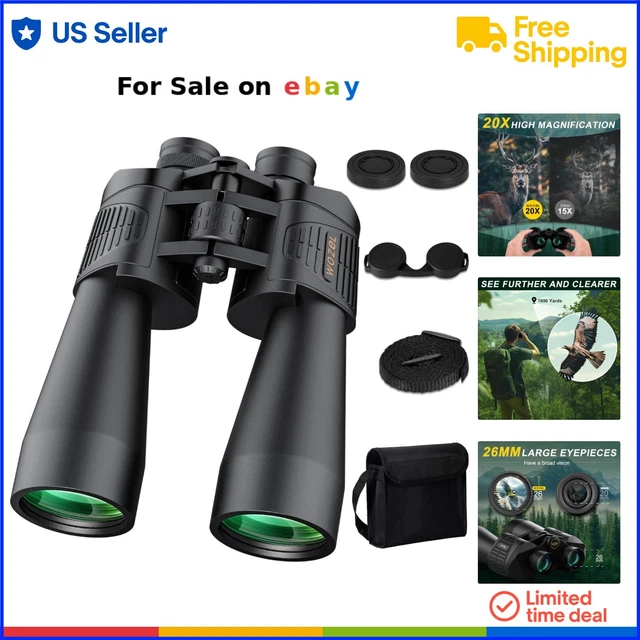
Credit: picclick.ca
Additional Features To Consider
Choosing the right magnification binoculars for bird watching isn’t just about zoom power. Additional features can make a huge difference in your overall experience, especially during long hours outdoors. Think about how often you’ve struggled with foggy lenses or uncomfortable viewing—these details matter more than you might expect.
Waterproof And Fogproof
Bird watching often takes you to damp or humid environments. Binoculars that are waterproof protect your gear from rain and accidental splashes. Fogproof models prevent internal lens fogging caused by temperature changes, keeping your view clear.
Imagine spotting a rare bird only to have your lenses fog up—frustrating, right? Waterproof and fogproof features ensure your binoculars perform reliably in all weather conditions. Look for nitrogen or argon purging inside the binoculars; it’s a simple feature that keeps moisture out.
Eye Relief For Glasses Wearers
If you wear glasses, eye relief is crucial. It’s the distance between your eyes and the eyepiece where you can still see the full image. Too little eye relief means you’ll see a restricted view or get uncomfortable eye strain.
Choose binoculars with at least 15mm of eye relief for comfortable use with glasses. This way, you won’t have to remove your glasses or squint, allowing you to watch birds without distraction. Have you ever missed a moment because you had to adjust your glasses constantly?
Focus Mechanisms
The way your binoculars focus affects how quickly and easily you can lock onto birds. Central focus wheels are common and allow quick adjustments with one hand. Individual eyepiece focus gives more precise control but can be slower to use.
Think about your bird watching style—do you need to switch targets rapidly or prefer fine-tuning details? Some models offer smooth, fast-focus mechanisms that keep up with fast-moving birds. Testing focus speed before buying can save you a lot of hassle in the field.
Popular Magnification Recommendations
Choosing the right magnification for bird watching binoculars is key. The magnification affects how close and clear birds appear. Different users need different powers. Some magnifications suit beginners, while others fit experienced birders. Certain situations call for special types. Here are popular magnification recommendations for bird watching.
Best For Beginners
Binoculars with 8x magnification are ideal for beginners. They offer a wide field of view to spot birds easily. The image stays stable, reducing hand shake effects. These binoculars are lighter and easier to carry. They work well in many environments, from forests to parks.
Ideal For Experienced Birders
Experienced birders often prefer 10x magnification. This level shows more details of birds at a distance. The field of view narrows slightly but stays manageable. Many models offer sharper images with this power. These binoculars suit those who want to identify subtle bird features.
Specialized Uses And Situations
Higher magnifications like 12x or 15x work for specific needs. They help in open areas where birds are far away. These binoculars can bring distant birds closer but are heavier. A tripod may be needed to keep the image steady. Compact models with 6x magnification are great for quick trips. They offer less zoom but are very portable and fast to use.

Credit: www.amazon.com
Tips For Using Binoculars Effectively
Bird watching is a delightful hobby that lets you connect with nature. To enhance your bird watching experience, using binoculars effectively is key. Proper techniques can make a significant difference in what you see and how well you see it. Here are some tips to help you get the most out of your binoculars.
Steady Viewing Techniques
Keeping the binoculars steady is crucial for clear viewing. Try the following methods:
- Hold the binoculars with both hands for stability.
- Press your elbows against your chest to reduce shaking.
- Lean against a tree or wall for additional support.
- Sit down and rest your arms on your knees to steady your hands.
Maintaining Your Binoculars
Regular maintenance keeps your binoculars in top condition. Follow these tips:
- Clean lenses with a soft, lint-free cloth regularly.
- Use lens cleaning solution for stubborn smudges.
- Keep binoculars in a protective case when not in use.
- Avoid touching the lenses with fingers to prevent smudges.
Field Care And Storage
Proper field care and storage extend the life of your binoculars:
- Protect them from extreme temperatures and moisture.
- Store in a dry place to avoid mold and mildew.
- Use a neck strap to prevent accidental drops.
- Check for loose screws or parts regularly.
Frequently Asked Questions
What Magnification Is Best For Bird Watching Binoculars?
A magnification of 8x to 10x is ideal for bird watching. It offers a good balance between detail and field of view. Higher magnifications can cause shakiness and narrower views, making it harder to track birds.
Why Not Use Binoculars With Very High Magnification?
Very high magnification binoculars are heavier and harder to stabilize. They offer a smaller field of view, making it difficult to locate fast-moving birds. For bird watching, moderate magnification provides clearer and steadier images.
How Does Lens Size Affect Bird Watching Binoculars?
Larger lens diameters gather more light, providing brighter images in low light. A 32mm to 42mm lens size is common for bird watching. Bigger lenses improve clarity but can make binoculars heavier.
Can I Use Compact Binoculars For Bird Watching?
Yes, compact binoculars are portable and easy to carry. However, they may have smaller lenses, reducing brightness and image quality. For serious bird watching, mid-sized binoculars are often preferred.
Conclusion
Choosing the right magnification binoculars helps you see birds clearly. Lower magnifications offer wider views and easier spotting. Higher magnifications show more detail but can be harder to hold steady. Think about where and how you will watch birds. Comfort and clarity matter most for a good experience.
Pick binoculars that match your needs and budget. Enjoy the beauty of birds up close with the right tools. Happy bird watching!




