
Are you tired of missing the perfect shot when a beautiful bird appears? Choosing the right camera can make all the difference in capturing those amazing moments.
But with so many options out there, how do you find the best camera for bird watching that fits your needs and budget? You’ll discover exactly what features to look for and which cameras deliver stunning, clear images every time.
Get ready to elevate your bird watching experience and never miss a feathered friend again!
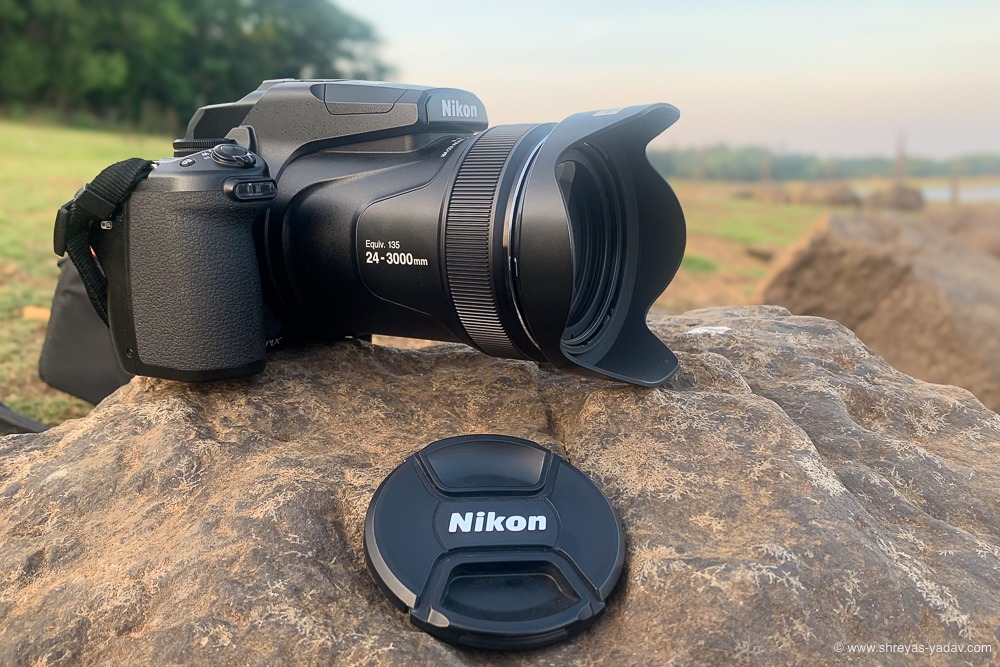
Credit: shreyas-yadav.com
Key Features For Bird Watching Cameras
Choosing the right camera for bird watching depends heavily on certain key features that enhance your ability to capture clear, detailed images of birds in their natural environment. These features ensure you don’t miss a moment, even when birds are fast or far away. Understanding what to look for will help you make a practical choice that fits your specific bird watching needs.
Image Quality And Resolution
High image quality is essential for capturing the fine details of feathers and colors. Look for cameras with at least 20 megapixels to ensure sharpness when you crop or zoom in on birds. A good sensor size also plays a big role in performance, especially in low light conditions like early morning or late afternoon.
Zoom And Lens Options
Birds are often distant and quick, so a powerful zoom lens is crucial. Opt for cameras that support interchangeable lenses or have built-in zoom ranging from 300mm to 600mm or more. Consider lenses with image stabilization to reduce blur caused by hand movement or wind.
Autofocus Speed And Accuracy
Birds rarely stay still, so autofocus speed can make or break your shot. Choose cameras with fast and accurate autofocus systems that can track moving subjects smoothly. Features like eye-detection autofocus can help you lock onto a bird’s eye, capturing expressive and engaging images.
Portability And Weight
You might hike long distances or stand in one spot for hours while bird watching. A lightweight camera setup reduces fatigue and makes it easier to carry additional gear. Compact mirrorless cameras often provide a good balance between portability and performance.
Battery Life And Durability
Long battery life ensures you won’t miss critical moments during extended outings. Look for cameras with batteries that last at least 500 shots per charge or consider carrying extra batteries. Durability matters too — weather-sealed bodies protect your equipment from rain, dust, and rough handling in outdoor conditions.
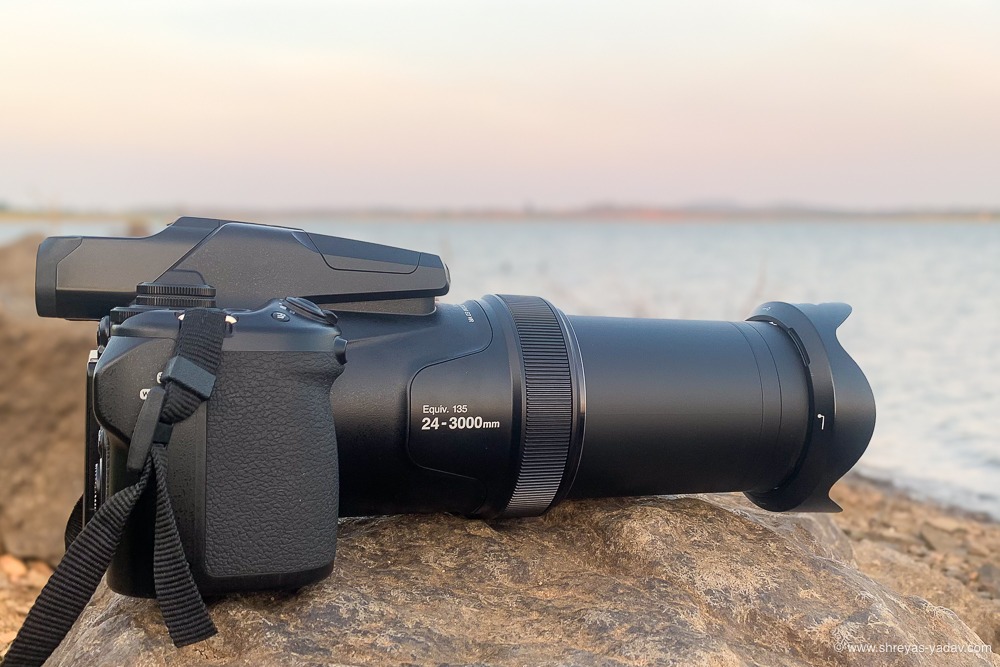
Credit: shreyas-yadav.com
Types Of Cameras Suitable For Bird Watching
Choosing the right camera for bird watching can make a huge difference in capturing those fleeting moments. Different types of cameras offer unique advantages depending on your experience level, budget, and the kind of birds you want to photograph. Understanding the main categories helps you pick one that fits your style and needs.
Dslr Cameras
DSLRs are often the go-to choice for serious bird watchers. They offer excellent image quality and fast autofocus, which is crucial for capturing birds in motion. You can easily swap lenses, allowing you to use powerful telephoto lenses for close-up shots from a distance.
However, DSLRs can be bulky and heavy, which might slow you down during long walks in nature. If you don’t mind carrying extra weight for better performance, a DSLR could be your best friend in the field.
Mirrorless Cameras
Mirrorless cameras combine the quality of DSLRs with a lighter, more compact body. They offer fast shooting speeds and silent shooting modes, ideal for not startling birds. Many models now support interchangeable lenses, giving you flexibility similar to DSLRs.
Since they’re lighter, mirrorless cameras make it easier to stay mobile and ready for sudden bird appearances. Do you prefer something that balances power and portability? Mirrorless might be the answer.
Compact Superzoom Cameras
If you want something simple and easy to carry, compact superzoom cameras are worth considering. These cameras have built-in lenses with huge zoom ranges, letting you get close-up shots without swapping lenses. They’re great for casual bird watchers who want convenience.
Keep in mind, image quality may not match DSLRs or mirrorless cameras, especially in low light. But if you’re hiking light and want a versatile all-in-one, this type is hard to beat.
Bridge Cameras
Bridge cameras sit between DSLRs and compact cameras in size and features. They often come with long zoom lenses and manual controls, giving you more creative options. These cameras are suitable if you want more control but don’t want to invest in multiple lenses.
They can be a solid choice if you’re still learning and want to grow your skills without overwhelming gear. Would you like a camera that offers a bit of everything in one package? Bridge cameras might fit that need well.
Top Cameras For Beginners
Choosing the right camera is key for beginner bird watchers. It helps capture sharp, clear images of birds in nature. Cameras for beginners focus on ease of use, good image quality, and affordable price. These models let new users enjoy photography without frustration.
Affordable Models With Good Performance
Many cameras offer good performance without a high price tag. Look for brands with reliable autofocus and decent zoom. Compact digital cameras and entry-level DSLRs work well. They handle different lighting and fast bird movements.
- Compact cameras with optical zoom of at least 30x
- Entry-level DSLRs with basic telephoto lenses
- Mirrorless cameras with good autofocus speed
User-friendly Features
Simple controls make photography fun and easy. Auto modes help beginners get good shots quickly. Touchscreens and guide modes assist in camera settings. Lightweight and ergonomic designs reduce fatigue during long walks.
- Auto focus tracking for moving birds
- Scene modes for different lighting situations
- Clear menus and quick access buttons
Best Budget Zoom Lenses
Zoom lenses let you get closer to birds without disturbing them. Budget lenses offer good reach and image sharpness. They fit well on beginner DSLR and mirrorless cameras. Look for lenses with image stabilization to reduce blur.
- 70-300mm lenses for versatile zoom range
- 55-250mm lenses for lightweight and affordability
- Telephoto zooms with fast autofocus motors

Credit: suryatara.com
Best Cameras For Enthusiasts
Choosing the best camera for bird watching means balancing quality and ease of use. Enthusiasts want cameras that capture fine details and fast movement. These cameras help you photograph birds clearly, even from a distance. They offer features that suit serious hobbyists who want to improve their shots.
High-resolution Sensors
High-resolution sensors capture sharp and detailed images of birds. They allow you to crop photos without losing quality. This is great for photographing small or distant birds. More pixels mean clearer pictures and better color accuracy. Enthusiasts benefit from the ability to print large photos or zoom in on details.
Advanced Autofocus Systems
Birds move quickly and unpredictably. Advanced autofocus systems help keep them in focus. Cameras with fast and accurate autofocus track birds in flight. Multiple focus points increase precision, especially with small or fast subjects. This feature reduces blurry photos and improves the success rate of shots.
Versatile Lens Compatibility
Different bird species need different lenses for the best shots. Cameras that support a wide range of lenses offer more flexibility. Telephoto lenses bring distant birds closer, while macro lenses capture fine details. Having versatile lens options lets enthusiasts adapt to various bird watching environments easily.
Professional Cameras For Serious Birders
For bird watchers who take their hobby seriously, investing in a professional camera can make a huge difference. These cameras are designed to deliver high performance in challenging outdoor conditions, helping you capture crisp and detailed images of birds in flight or perched far away. Choosing the right model means balancing image quality, speed, and durability to suit your specific birding adventures.
Superior Image Quality
Professional cameras offer large sensors that capture more light and detail, giving you sharper images with vibrant colors. This is crucial when photographing birds, as you want to preserve the intricate patterns of feathers and subtle shades that make each species unique.
Think about the last time you saw a rare bird but your photos looked blurry or pixelated. With a top-tier camera, you can finally get those stunning shots you’ve been missing.
Fast Continuous Shooting
Birds move quickly, often changing direction or taking flight in an instant. A camera with fast continuous shooting lets you capture multiple frames per second, increasing your chances of getting the perfect shot.
Imagine snapping 10 or more images in a second—this burst mode can help you catch the exact moment a bird spreads its wings or lands gracefully. This feature is essential for tracking fast action without missing a beat.
Robust Build And Weather Sealing
Bird watching often means spending hours outdoors, sometimes in harsh conditions. Professional cameras are built tough with weather sealing to protect against rain, dust, and cold temperatures.
This durability lets you focus on the birds, not worrying about your gear failing in the middle of a photo session. Have you ever had your camera shut down due to unexpected weather? A weather-sealed body prevents that frustration.
Essential Accessories For Bird Photography
Choosing the best camera for bird watching ensures clear, sharp photos from a distance. Essential accessories include telephoto lenses, tripods, and extra batteries for longer shoots. These tools help capture birds in detail and improve overall photography experience.
Bird photography demands more than just a good camera. Essential accessories enhance your bird watching experience. These tools help capture crisp, stunning images. They also ensure your gear stays safe and functional.Tripods And Monopods
Tripods offer stability for your camera. They reduce blurriness in your photos. A sturdy tripod is crucial for low-light conditions. Monopods are lighter and easier to carry. They provide balance while you move. Both are perfect for capturing birds in motion.Teleconverters And Extension Tubes
Teleconverters extend your camera’s zoom. They bring distant birds closer without losing quality. Extension tubes are perfect for macro photography. They help capture intricate feather details. Both tools expand your camera’s capabilities significantly.Camera Bags And Protective Gear
Camera bags safeguard your equipment. They have compartments for lenses, batteries, and more. Choose a bag with weatherproof features for outdoor protection. Protective gear shields your camera from dust and rain. Always protect your investment to ensure lasting performance.Tips For Choosing The Right Camera
Choosing a camera with a good zoom and fast autofocus helps capture birds clearly. Lightweight models make it easier to carry during long walks outdoors. Consider durability and battery life for reliable bird watching sessions.
Choosing the right camera for bird watching can be challenging. The ideal camera matches your birding style, budget, and future needs. This guide simplifies your decision-making process. Follow these tips to find the best camera for your bird watching adventures.Match Camera To Birding Style
Identify your birding style. Do you prefer stationary birding or hiking through forests? A DSLR or mirrorless camera suits stationary birding. It offers high-quality images and interchangeable lenses. For hiking, a compact camera is better. It’s lightweight and easy to carry. Consider your typical birding environment. A camera with good low-light performance is crucial for dense forests. For open areas, a long zoom range is beneficial.Consider Budget And Future Upgrades
Set a budget before shopping. Cameras vary widely in price. A higher budget often means better features. But don’t overspend. Consider future upgrades. Will you need extra lenses or accessories? Check if the camera allows for future enhancements. Buying a camera with upgrade options is wise. It extends the camera’s lifespan and usability.Test Cameras Before Buying
Testing is crucial before purchasing. Visit a store and handle different models. Check the camera’s weight, grip, and ease of use. Test the autofocus speed and accuracy. Look at the image quality on the screen. Some stores offer rental services. Rent a camera to test it in real birding situations. This helps you make an informed decision.Frequently Asked Questions
What Camera Features Are Best For Bird Watching?
The best bird-watching cameras offer high zoom, fast autofocus, and excellent image stabilization. A good sensor and quick shutter speed help capture sharp, detailed bird photos even at a distance or in motion.
Is A Dslr Or Mirrorless Camera Better For Birds?
Mirrorless cameras are lighter and have faster autofocus, ideal for bird photography. DSLRs often offer better battery life and lens options. Choose based on your budget, preference, and whether you prioritize portability or lens variety.
How Important Is Zoom For Bird-watching Cameras?
Zoom is crucial for bird photography to capture distant birds clearly. Optical zoom of at least 300mm is recommended. Digital zoom can reduce image quality, so prioritize lenses with strong optical zoom.
Can I Use A Smartphone Camera For Bird Watching?
Smartphones can work for casual bird photography, but they lack powerful zoom and image stabilization. For serious bird watching, dedicated cameras with telephoto lenses provide much better image quality and detail.
Conclusion
Choosing the best camera for bird watching depends on your needs. A good camera helps capture sharp, clear images of birds. Zoom and focus matter a lot in bird photography. Portability is key when you move through nature. Budget also guides your choice.
Take time to research and try different models. Enjoy the beauty of birds through your lens. Happy bird watching and capturing great moments!




