
Are you ready to take your bird watching experience to the next level? Choosing the right pair of binoculars can make all the difference between spotting a rare bird and missing it entirely.
But with so many options out there, how do you find a good set that fits your needs and budget? You’ll discover exactly what makes a pair of binoculars perfect for bird watching—clear images, comfortable design, and reliable performance. Keep reading, and you’ll learn how to pick binoculars that bring the beauty of birds right into your hands.
Key Features For Bird Watching
Choosing the right binoculars for bird watching means focusing on key features. These features affect how well you see birds and how easy it is to use the binoculars outdoors. Understanding these points helps pick binoculars that make bird watching fun and clear.
Magnification And Lens Size
Magnification shows how much closer birds appear. A 8x or 10x magnification works well. Lens size controls how much light enters. Bigger lenses give brighter images but add weight. A 32mm to 42mm lens size balances brightness and weight.
Field Of View
Field of view means how wide you can see through binoculars. A wide view helps find birds fast. It also shows more of the bird’s environment. Look for binoculars with at least 300 feet field of view at 1000 yards.
Image Quality
Clear, sharp images help identify bird colors and details. Good binoculars use coated lenses to reduce glare and improve brightness. Look for models with multi-coated lenses for better image quality.
Weight And Portability
Light binoculars are easy to carry on long walks. Heavy ones cause arm fatigue quickly. Compact models fit in pockets and bags. Choose binoculars that balance weight and size for comfort.
Durability And Weatherproofing
Bird watching happens outdoors in different weather. Binoculars must resist rain, dust, and fog. Waterproof and fog-proof models last longer and protect optics. Look for rubber armor for extra grip and shock protection.
Types Of Binoculars For Birding
Choosing the right binoculars for bird watching depends on understanding the types available. Each type offers different features that suit various birding needs. Knowing the differences helps pick binoculars that provide clear views and comfort during long birding trips.
Roof Prism Binoculars
Roof prism binoculars have straight barrels and a compact design. They are lightweight and easy to carry. The lenses align in a straight line, making the binoculars slimmer. These binoculars are often waterproof and durable. They work well for quick spotting and long walks in nature.
Porro Prism Binoculars
Porro prism binoculars have a wider shape with angled barrels. This design gives better depth and wider views. They usually offer brighter images in low light. Porro prism models tend to be bulkier and heavier. Bird watchers who want rich colors and depth often choose these binoculars.
Compact Vs Full-size Models
Compact binoculars are small and easy to carry. They fit in pockets and backpacks without adding weight. Full-size binoculars are larger but provide better light and detail. They work best in low light or for distant birds. Choosing depends on the balance between portability and image quality.
Top Binocular Picks For Bird Watching
Choosing the right binoculars can transform your bird watching experience. The ideal pair should bring distant birds into clear view without causing eye strain. Below are some top picks that suit various needs and budgets, helping you decide what fits best for your outdoor adventures.
Best Overall Binoculars
The Nikon Monarch 5 8×42stands out as a reliable all-rounder. It balances clarity, brightness, and durability, making it perfect for beginners and experienced birders alike.
You’ll appreciate its lightweight design and excellent image quality even in low light. These binoculars also offer a comfortable grip, which makes long bird watching sessions easier on your hands.
Best Budget-friendly Options
If you want good performance without breaking the bank, consider the Vortex Crossfire HD 8×42. It delivers sharp images and a wide field of view at an affordable price.
While it may not have premium coatings or the most rugged build, it’s a great choice for casual bird watchers or those just starting out. Have you ever found an affordable tool that surprised you with its quality?
Premium High-end Models
For serious bird watchers, the Zeiss Victory SF 8×42offers unmatched optical precision. The colors are vivid, and the focus is incredibly fast and smooth, ideal for spotting quick-moving birds.
These binoculars come with an ergonomic design that feels natural in your hands, reducing fatigue during long hikes. Investing in this model means you get the best in clarity and comfort.
Best Compact Binoculars
If portability is your priority, the Leica Ultravid BR 8×20fits easily into your pocket or backpack. Despite its small size, it provides sharp images and good light transmission.
These compact binoculars are perfect for those who want to travel light without sacrificing quality. Would you trade a bit of magnification for extra convenience during your birding trips?

Credit: www.reddit.com
Tips For Choosing The Right Pair
Choosing the right binoculars for bird watching improves your experience greatly. The right pair helps you see birds clearly and comfortably. Knowing what to look for makes the decision easier. Focus on your environment, comfort, optics, and budget for the best choice.
Considering Your Birding Environment
Think about where you will use your binoculars most. Dense forests need wide-angle views to spot birds quickly. Open fields or wetlands require long-range focus for distant birds. Weather conditions matter too. Waterproof and fog-proof models last longer in wet or cold places. Consider the light level. Low light needs binoculars with larger lenses for brighter images.
Testing Comfort And Fit
Hold binoculars before buying. Check weight and size to avoid arm strain. Look for adjustable eyecups to fit your eyes and glasses. The grip should feel secure and not slippery. Try using the focus wheel to ensure it moves smoothly. Comfort affects how long you can watch without fatigue.
Evaluating Optical Performance
Clear images depend on lens quality and coatings. Choose binoculars with multi-coated lenses for sharper views. Check the magnification and lens diameter, often shown as 8×42 or 10×50. Higher magnification means closer views but less stability. Larger lenses gather more light but add weight. Balance these features based on your needs.
Balancing Price And Quality
Set a budget before shopping. More expensive binoculars often offer better optics and durability. Look for trusted brands with good reviews to avoid poor quality. Sometimes mid-range models provide excellent value. Avoid very cheap pairs that may disappoint. Consider warranty and customer support for long-term use.
Maintenance And Care
Proper maintenance and care keep binoculars in top shape for bird watching. Good care improves clarity and extends the life of your device. Simple daily habits protect lenses and mechanical parts. Regular attention prevents damage from dirt, moisture, and rough handling. These practices help you enjoy clear views for many years.
Cleaning Lenses Safely
Use a soft brush or air blower to remove loose dust first. Avoid wiping lenses with dry cloths to prevent scratches. Use lens cleaning fluid and a microfiber cloth for smudges. Apply fluid to the cloth, not directly on lenses. Clean gently in a circular motion to protect coatings.
Storage Recommendations
Store binoculars in a dry, cool place away from sunlight. Use the original case or a padded bag for protection. Avoid leaving binoculars in hot cars or humid areas. Keep silica gel packs with them to control moisture. Close lens caps before storing to prevent dust buildup.
Handling And Transport Tips
Hold binoculars by the body, not the lenses or eyepieces. Use a neck strap or harness to prevent drops. Carry binoculars in a padded case during travel. Avoid sudden impacts or rough movements. Check and tighten any loose screws or parts regularly.
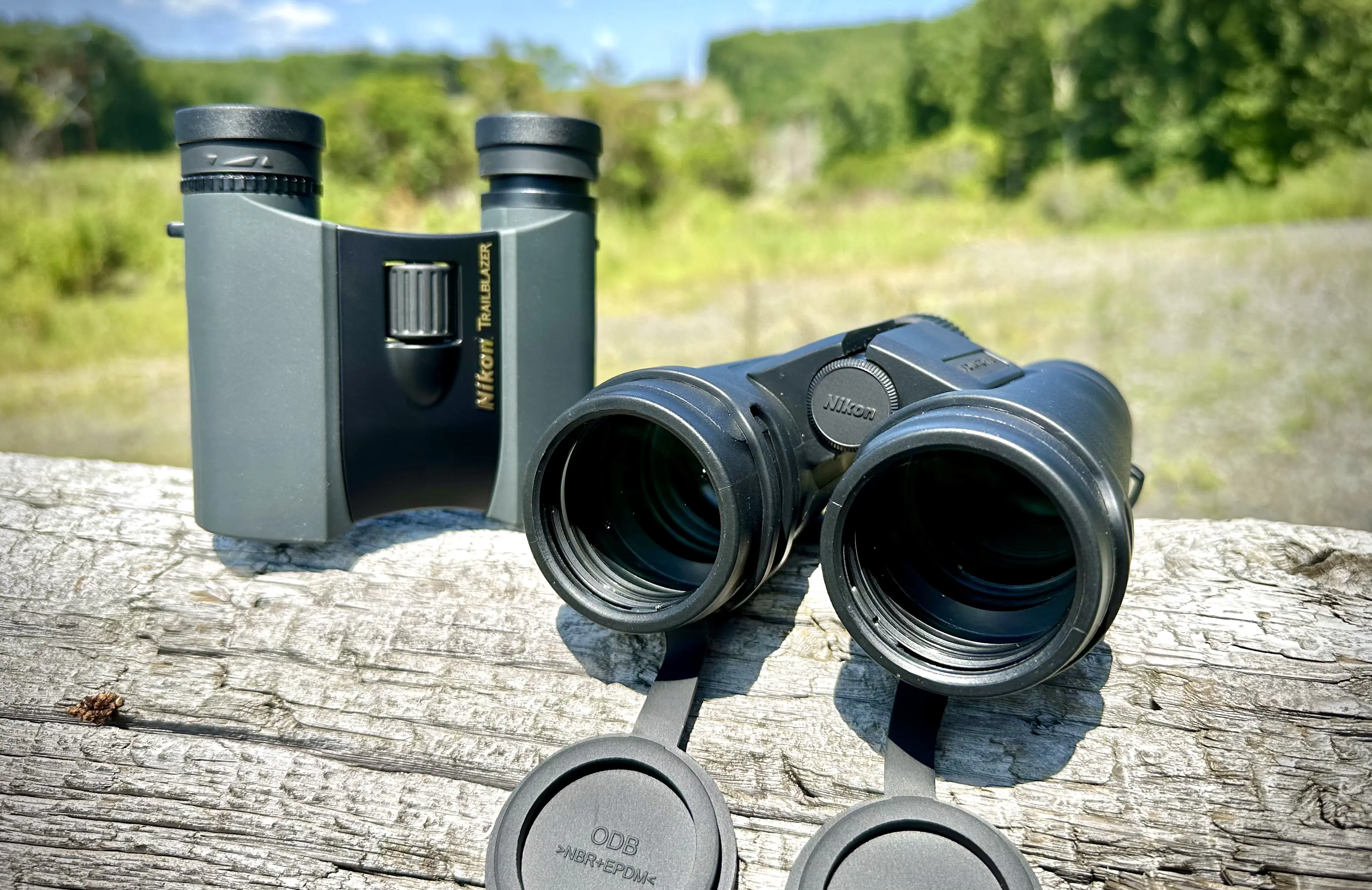
Credit: gearjunkie.com
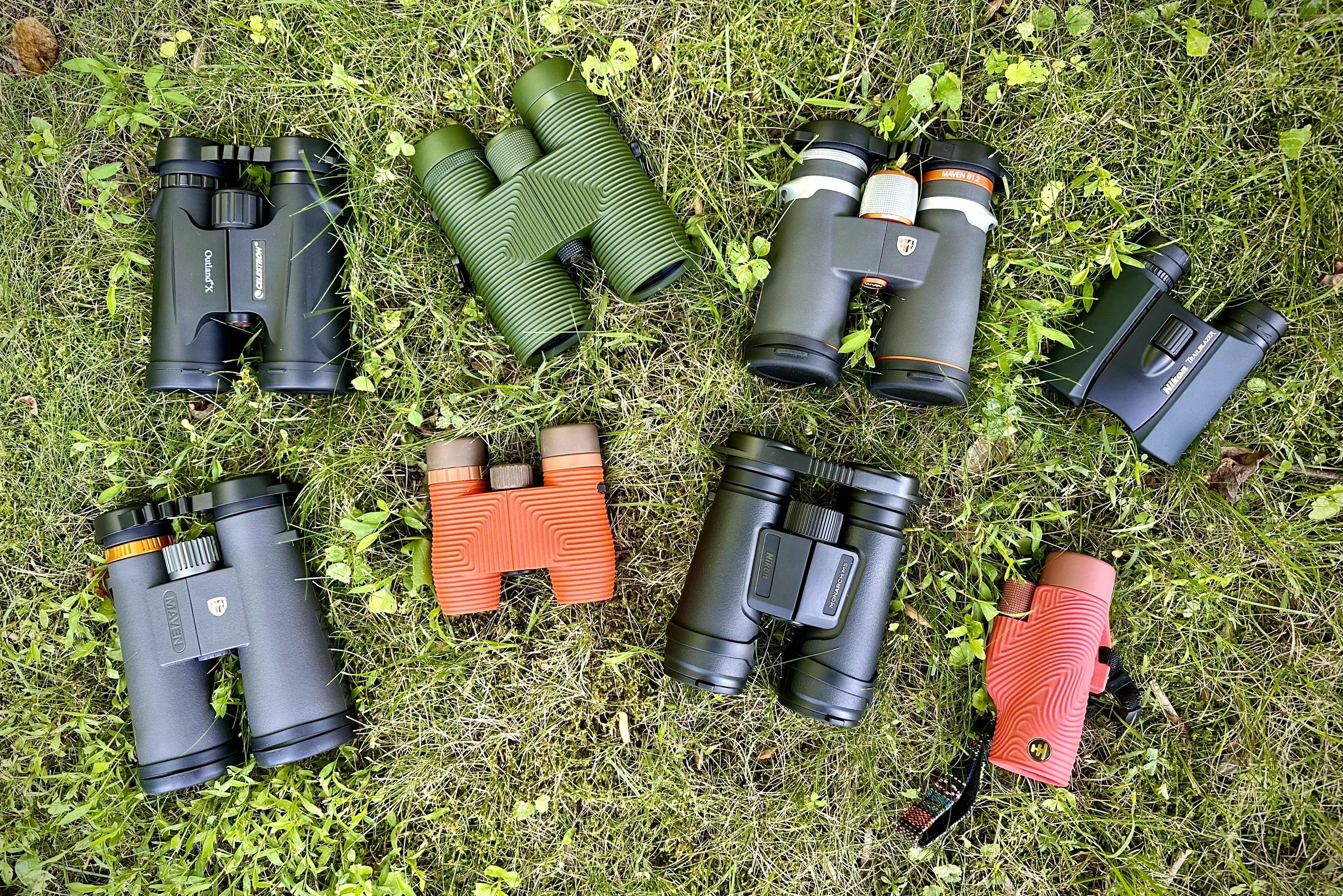
Credit: gearjunkie.com
Frequently Asked Questions
What Magnification Is Best For Bird Watching Binoculars?
A 8x to 10x magnification is ideal for bird watching. It offers clear views without shaking. Higher magnifications can be unstable and hard to use.
How Important Is Lens Size In Bird Watching Binoculars?
Lens size affects brightness and clarity. A 32mm to 42mm lens is perfect. Larger lenses gather more light but add weight, impacting comfort during long use.
Should Bird Watching Binoculars Be Waterproof?
Yes, waterproof binoculars are essential for outdoor bird watching. They protect against rain, fog, and moisture. This ensures durability and clear vision in all weather conditions.
What Is The Ideal Weight For Bird Watching Binoculars?
Lightweight binoculars, around 500 to 700 grams, are best. They reduce arm fatigue during long bird watching sessions. Comfort improves the overall experience significantly.
Conclusion
Choosing the right binoculars makes bird watching more fun and clear. Focus on size, weight, and lens quality for the best view. Comfort matters too, especially for long use outdoors. Pick binoculars that fit your budget and needs well. Good binoculars help you see birds closer and in detail.
Enjoy every bird watching trip with the perfect pair in hand. Simple steps lead to better bird watching experiences every time.




