
Have you ever wondered what kind of exotic birds can survive in the icy, harsh Arctic? You might think the cold means only a few tough animals live there, but the truth will surprise you.
The Arctic is home to some of the most fascinating and colorful birds you’ve never heard of. Discovering these unique creatures will change the way you see this frozen world. Keep reading, and you’ll uncover the secrets of the Arctic’s exotic birdlife—birds that thrive where most cannot.
Your curiosity is about to be rewarded.
Arctic Bird Habitat
The Arctic bird habitat is a unique and challenging environment. It stretches across icy lands and frozen seas. Few places on Earth are as harsh and cold. Yet, many exotic birds thrive here. These birds have special traits to survive the extreme conditions. Their habitat varies from tundra to coastal cliffs and icy waters. The Arctic offers a mix of open spaces and shelter, perfect for certain bird species.
Climate And Environment
The Arctic climate is cold, windy, and snowy. Winters last for many months with little daylight. Summers are short but bright, with almost 24 hours of sun. The land is mostly frozen tundra, with some areas of open water. Birds live near seas, rivers, and lakes. These places provide food and nesting spots. The environment is tough, with temperatures often below freezing.
Adaptations For Survival
Arctic birds have strong adaptations to live in this cold. Thick feathers keep them warm against icy winds. Many birds grow extra feathers on their feet for protection. Some change color to blend with snow and ice. They eat fish, insects, or plants that survive in the cold. Birds migrate to warmer areas during the harshest winter months. These adaptations help them find food and stay safe in the Arctic.

Credit: www.exoticaesoterica.com
Common Arctic Birds
The Arctic is home to a surprising variety of birds. These birds have adapted to survive in cold and harsh conditions. Many are migratory, coming to breed in the Arctic summer. Some stay year-round, tough and resilient. They play key roles in the Arctic ecosystem and offer stunning sights for bird watchers.
Seabirds And Waterfowl
Seabirds thrive near the Arctic’s icy waters. They feed on fish and other marine life. Common seabirds include:
- Arctic Tern – famous for its long migration.
- Snowy Owl – a striking white bird often found near coasts.
- Thick-billed Murre – nests on cliffs and dives for fish.
- Brunnich’s Guillemot – expert swimmers and divers.
Waterfowl also flourish in Arctic lakes and rivers. They include various ducks and geese species. These birds often migrate south as winter approaches.
Birds Of Prey
Birds of prey dominate the Arctic skies. They hunt smaller birds, mammals, and fish. Examples include:
- Gyrfalcon – the largest falcon in the world.
- Rough-legged Hawk – known for its hovering flight.
- Snowy Owl – also a fierce hunter of rodents.
These raptors have sharp vision and strong talons. They play an important role in controlling prey populations.
Exotic Birds In The Arctic
The Arctic is known for its icy landscapes and cold weather. Few expect to find exotic birds in this harsh environment. Yet, some fascinating bird species appear in the Arctic. These birds bring color and life to the frozen tundra. They adapt to extreme conditions and sometimes surprise scientists and bird watchers alike.
Understanding which exotic birds visit or live in the Arctic reveals the region’s unique ecosystem. These birds often travel long distances to reach the Arctic. Their presence tells a story of survival and migration across continents.
Unexpected Species Sightings
Some exotic birds show up in the Arctic as rare visitors. These sightings often attract attention from bird watchers and researchers. For example, the Eurasian Eagle-Owl has been spotted in the Arctic regions. This large owl is usually found far south but sometimes ventures north.
Other unusual visitors include the Common Kingfisher and the Snowy Owl. The Snowy Owl is well known in the Arctic but surprises many with its striking appearance. These sightings highlight the diversity of birdlife in the Arctic.
Migratory Patterns Bringing Exotic Birds
Migratory birds travel to the Arctic for breeding and feeding. They follow specific routes that cross continents and oceans. Some exotic species come from warm regions during the summer months.
For instance, the Arctic Tern has one of the longest migration routes. It travels from the Arctic to Antarctica and back every year. This bird experiences two summers annually, enjoying abundant food and daylight.
Other migrants like the Red Knot and the Pomarine Jaeger also visit the Arctic seasonally. Their migration patterns connect distant parts of the world. These journeys show nature’s complex and fascinating rhythms.
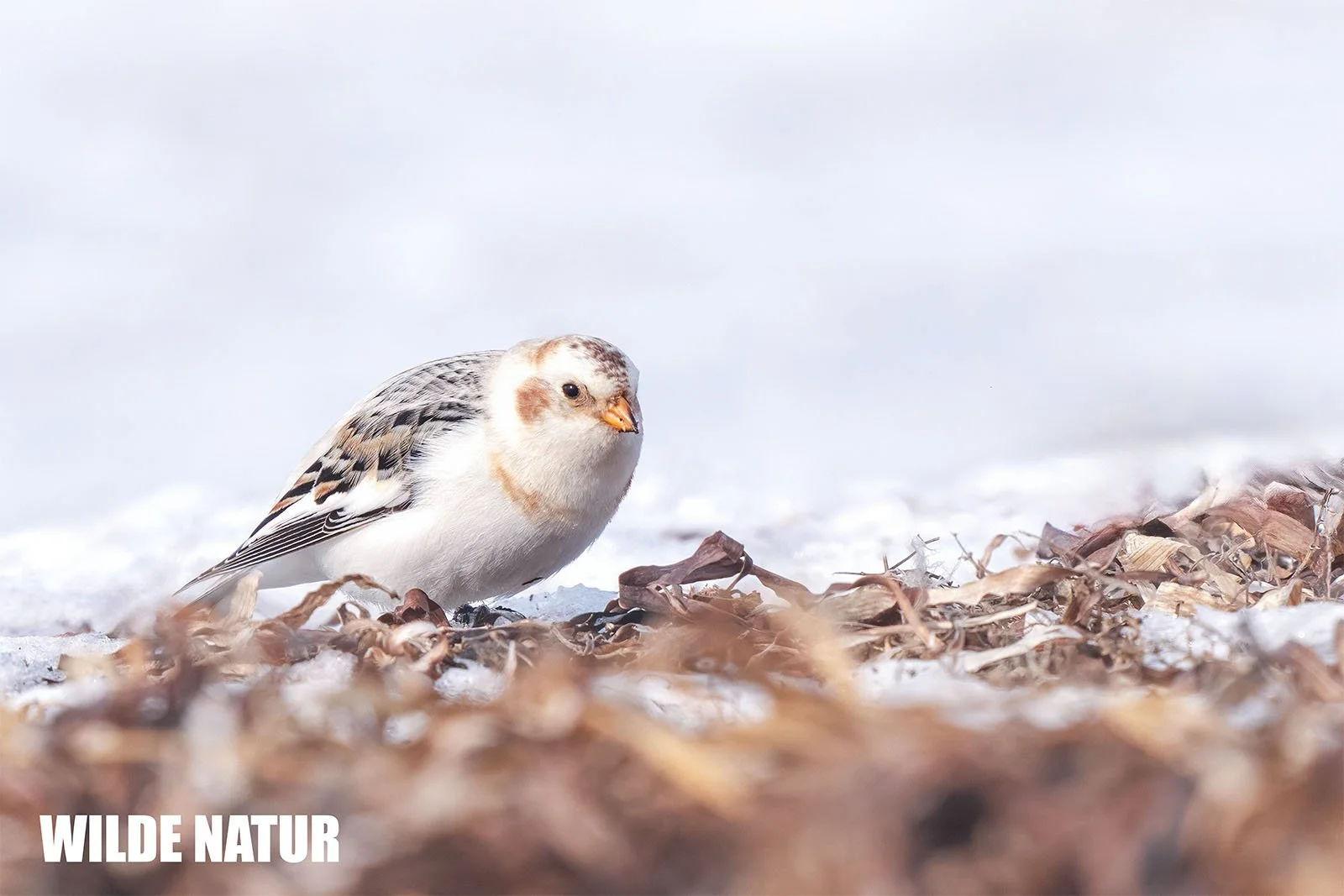
Credit: www.wildenatur.com
Surprising Bird Adaptations
Birds living in the Arctic face extreme cold and long dark winters. Their survival depends on amazing adaptations. These adaptations help them stay warm, find food, and avoid predators. Some of these changes are surprising and unique to the Arctic environment.
Feather And Coloration Changes
Arctic birds have thick feathers to keep heat trapped close to their bodies. Many species grow extra layers during winter. These feathers are soft and dense, providing excellent insulation.
Color changes also play a key role. Some birds change color with the seasons. They turn white in winter to blend with snow and avoid predators. In summer, their feathers shift to darker colors to match rocks and plants. This seasonal camouflage helps them stay safe all year.
Unique Feeding Habits
Food can be scarce in the Arctic, so birds adapt their diet. Many rely on fish, insects, or small animals found near water or in the tundra. Some birds dive under ice to catch fish, showing great skill and patience.
Others store food during the warmer months. They hide it in safe places to eat later in winter. This behavior helps them survive when food is hard to find.
Impact Of Climate Change
The Arctic is changing fast, and so are the birds that live there. Climate change is reshaping the environment, affecting where exotic birds can survive and thrive. This shift impacts not only the birds but also the delicate balance of Arctic ecosystems.
Shifts In Bird Distribution
As temperatures rise, many Arctic bird species are moving further north. Some familiar species, like the Arctic Tern, are adjusting their migration patterns to follow cooler climates.
You might notice birds appearing in places they never visited before. This movement can disrupt local food chains and nesting sites, forcing birds to compete for resources in new areas.
Have you ever wondered how a small change in temperature could send entire bird populations migrating thousands of miles? This shift challenges conservation efforts and demands new strategies to protect these species.
New Species Arrivals
The warming Arctic is attracting exotic bird species that previously avoided the region. Birds like the Black-headed Gull and certain types of warblers are now spotted in Arctic zones.
These newcomers bring both excitement and concern. While they add diversity, they may also compete with native birds for food and territory, changing the ecosystem’s dynamics.
Watching these new arrivals raises an important question: How will the Arctic’s bird community look in the next decade? Your observations could help scientists track these changes in real time.
Conservation Efforts
The Arctic is home to some of the world’s most unique birds. These exotic creatures face threats due to climate change and habitat loss. Conservation efforts aim to protect these birds and their habitats. Various organizations and researchers work tirelessly to ensure their survival.
Protecting Exotic Birds
Protecting exotic birds in the Arctic is crucial. Efforts focus on creating safe habitats and reducing human impact. Protected areas are established to shield birds from threats. This includes minimizing disturbances from tourism and industry. Conservationists also engage local communities in protection efforts. Educating people on the importance of these birds is vital. It helps to foster a culture of respect and care for wildlife.
Research And Monitoring
Research and monitoring are key to conservation success. Scientists study bird populations and track changes over time. This data helps to understand the effects of climate change. Monitoring involves tagging and observing bird movements. It provides insights into their migratory patterns and breeding habits. Researchers also focus on the health of bird populations. Understanding disease and nutrition issues is crucial for their survival. Continuous research ensures that conservation strategies are effective and adaptive.

Credit: www.exoticaesoterica.com
Frequently Asked Questions
What Exotic Birds Can Be Found In The Arctic Region?
The Arctic hosts exotic birds like the snowy owl, Arctic tern, and puffin. These birds adapt to cold climates and migrate seasonally.
How Do Arctic Birds Survive Extreme Cold Conditions?
Arctic birds have thick feathers, fat layers, and unique behaviors. These adaptations help them conserve heat and find food in harsh winters.
Why Is The Arctic Tern Considered An Exotic Bird?
The Arctic tern is exotic due to its long migration, traveling from the Arctic to Antarctica. It experiences two summers annually.
What Role Do Exotic Birds Play In The Arctic Ecosystem?
Exotic birds contribute to pollination, seed dispersal, and maintaining the food web. They support biodiversity and ecological balance in the Arctic.
Conclusion
Exotic birds in the Arctic show nature’s strong spirit. They survive cold, harsh weather with unique skills. These birds add life and color to the icy land. Watching them helps us understand how animals adapt. Protecting their homes keeps the Arctic healthy and alive.
Next time you think of the Arctic, imagine these rare birds too. Their presence reminds us how diverse and amazing wildlife can be.




