
Are you ready to welcome more feathered friends to your backyard? Choosing the right color for your bird house can make all the difference in attracting beautiful birds.
But which colors work best? You might be surprised to learn that some shades invite birds in, while others keep them away. You’ll discover simple color choices that can turn your bird house into a cozy home for your favorite birds.
Keep reading to find out how a splash of color can bring your garden to life!
Best Colors To Attract Birds
Choosing the right color for bird houses can make a big difference. Birds notice colors easily. Bright and natural colors attract different types of birds. The color affects how safe and inviting birds feel. Some colors catch their eye, while others help the house blend with nature. Knowing the best colors helps to welcome more feathered friends to your garden.
Bright Hues That Draw Attention
Birds see bright colors very well. Colors like red, yellow, and blue stand out. These hues attract curious birds from far away. Bright colors can signal food or shelter. Placing a bird house in bright colors makes it easier for birds to find. Keep the paint non-toxic to protect the birds.
Natural Tones For Blending In
Natural colors help bird houses blend with trees and plants. Shades of brown, green, and gray look like the environment. Birds feel safer when the house hides well. This reduces stress and keeps predators away. Natural tones suit shy birds that avoid flashy colors.
Avoiding Colors That Scare Birds
Some colors can scare birds away. Avoid very dark colors like black or deep purple. These may look threatening or unnatural. Shiny or metallic paints can reflect too much light. This may confuse or frighten birds. Keep colors soft and matte for a calm effect.
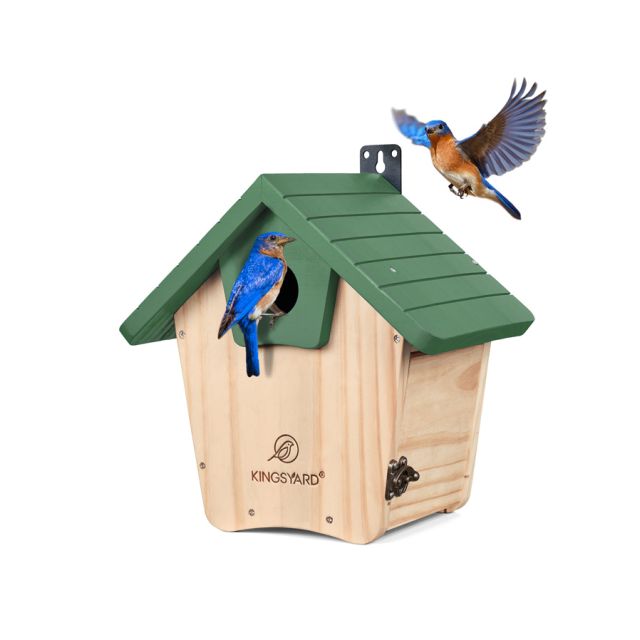
Credit: www.kingsyard.com
Color Preferences By Bird Species
Different bird species show clear preferences for certain colors when it comes to choosing birdhouses. Understanding these color preferences can help you attract the birds you want to your yard. Let’s look closely at how color impacts the appeal of birdhouses to specific types of birds.
Attracting Bluebirds
Bluebirds are drawn to birdhouses painted in soft, natural colors. Shades like light blue, white, and pale green work best because they blend well with the birds’ natural environment. Avoid bright or dark colors, as these can deter bluebirds from nesting.
One time, I painted a birdhouse sky blue and placed it near my garden. Within days, bluebirds claimed it as their home, proving how effective subtle colors can be. Have you noticed how calm colors often attract more wildlife?
Welcoming Wrens And Chickadees
Wrens and chickadees prefer birdhouses in earthy tones. Colors like brown, gray, and olive green make these small birds feel safe and hidden from predators. Bright colors may scare them off, so sticking to muted hues is a smart move.
- Brown birdhouses mimic tree bark.
- Gray blends with rocks and branches.
- Olive green matches leafy surroundings.
If you want to welcome these lively birds, think about your landscape’s natural colors and match your birdhouse accordingly. What colors dominate your yard’s background?
Colors For Hummingbirds
Hummingbirds are famously attracted to vibrant reds and pinks. These bright colors catch their attention quickly, especially when placed near nectar feeders. Painting your birdhouse or nearby structures in red tones can invite these fast-moving visitors.
Interestingly, I once added a red birdhouse close to my hummingbird feeder and noticed a significant increase in visits. Color clearly plays a key role in their behavior. Could adjusting your birdhouse color invite more hummingbirds to your garden?
Impact Of Color On Bird Behavior
Color plays a significant role in how birds interact with their environment, especially when it comes to choosing nesting sites. Birds are sensitive to colors, and certain hues can either attract or deter them from birdhouses. Understanding this impact can help you select the right color to increase your chances of welcoming feathered guests.
Color And Nesting Habits
Bird species have different nesting preferences influenced by color. Some birds prefer natural, earthy tones like brown, green, or beige because these colors blend well with trees and shrubs, offering a sense of safety.
Bright colors like red or blue may attract more aggressive or territorial birds but can scare away shy species. If you want to attract a variety of birds, try painting your birdhouse in soft colors that mimic their natural surroundings.
Have you noticed how some birds avoid brightly painted feeders but flock to ones with muted colors? This behavior shows that color can signal safety or danger, directly affecting nesting choices.
Seasonal Color Effects
The effectiveness of certain colors can change with the seasons. In spring and summer, vibrant colors might stand out among blooming flowers, attracting curious birds looking for new homes.
During fall and winter, neutral or darker shades can help birdhouses blend into the environment, making them less visible to predators. This increases the chance that birds feel secure enough to nest.
Consider changing your birdhouse color or placement seasonally to match natural changes in the environment. This small adjustment can make a big difference in attracting different bird species throughout the year.
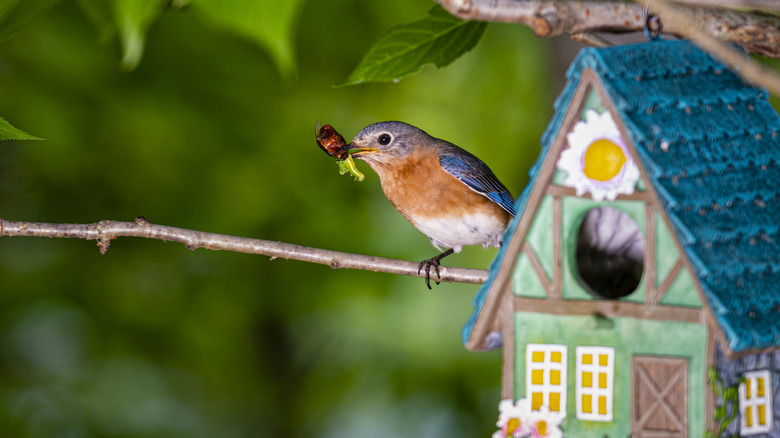
Credit: www.outdoorguide.com
Choosing Paint And Finishes
Bright colors like red, yellow, and orange often attract hummingbirds and orioles. Earth tones such as green and brown help birdhouses blend with nature, making birds feel safe. Choosing the right color can invite more birds to your yard.
Choosing the right paint and finish for bird houses is crucial. Birds are attracted to specific colors and the right finish ensures their safety. Using safe materials and ensuring durability are key factors. Let’s explore how these elements contribute to an ideal bird house.Safe Materials For Birds
Using bird-safe paint is important. Choose non-toxic, lead-free paints. Birds often peck at surfaces. Harmful chemicals can affect their health. Opt for water-based paints. These are safer than oil-based options. Avoid bright colors. They can attract predators.Durability And Weather Resistance
Weather can damage bird houses. Choose paints that resist rain and sun. UV-resistant finishes help maintain color. This prolongs the house’s lifespan. Seal the wood with a clear finish. This prevents moisture damage. Ensure the paint is breathable. It keeps the wood healthy and dry. Durable finishes reduce maintenance. They keep bird houses looking fresh longer.Tips For Painting Bird Houses
Painting bird houses is more than adding color. It helps protect the wood and attracts birds safely. Choosing the right paint and preparing the surface ensures a healthy home for birds.
Preparing The Surface
Start with clean, dry wood. Remove dirt and dust using a soft brush or cloth. Sand rough spots gently to smooth the surface. Avoid using harsh chemicals or pressure washers. Make sure the wood is fully dry before painting.
Applying Color Effectively
Use water-based, non-toxic paint safe for birds. Choose soft, natural colors like green, blue, or earth tones. Bright colors can scare birds away. Apply thin, even coats and let each dry completely. Paint the outside only, leaving the inside bare for safety.
Maintenance For Longevity
Check the bird house yearly for cracks or peeling paint. Repaint faded areas with the same safe paint. Clean the house before repainting to remove dirt and old paint flakes. Proper care keeps the bird house attractive and durable for many seasons.
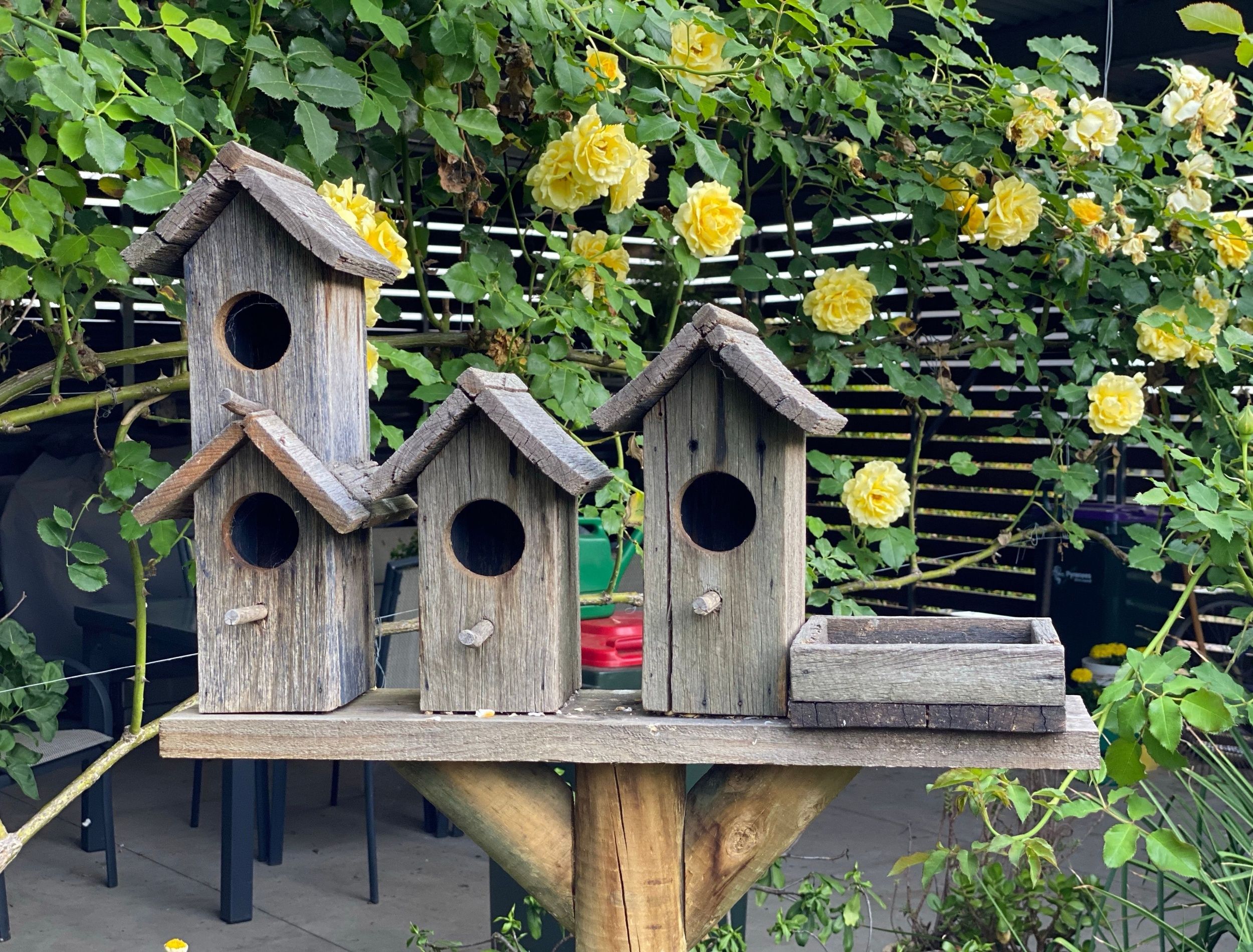
Credit: www.backyardboss.net
Frequently Asked Questions
What Color Bird Houses Attract The Most Birds?
Birds prefer natural, earthy colors like green, brown, and tan. These colors blend with the environment and feel safer to birds, attracting more visitors.
Does Bright Color Affect Bird House Attraction?
Bright colors like red or yellow can scare birds away. Birds prefer muted, natural tones that mimic their natural habitats for nesting.
Are There Colors To Avoid For Bird Houses?
Avoid shiny, reflective, or neon colors. These can confuse or deter birds from approaching or nesting in the bird house.
How Does Color Influence Bird Species Preference?
Different bird species prefer different colors. For example, bluebirds like blue houses, while wrens prefer natural wood tones. Matching colors to species helps attract specific birds.
Conclusion
Choosing the right color for bird houses helps attract more birds. Bright colors like red and yellow catch birds’ attention easily. Natural colors blend well and make birds feel safe. Painted bird houses also protect wood from weather damage. Keep colors simple and avoid shiny paints.
A well-chosen color invites birds to visit and nest. Enjoy watching different birds come to your yard. Small changes make a big difference for bird lovers. Try different colors and see what works best. Happy bird watching!




