
Are you tired of raccoons raiding your bird feeders and scaring away your feathered friends? You’re not alone.
These clever creatures can turn your peaceful backyard into a messy playground. But don’t worry—there are simple, effective ways you can protect your bird feeders and enjoy watching birds without unwanted visitors. Keep reading to discover easy tips that will help you keep raccoons out and make your yard a safe haven for birds.
:max_bytes(150000):strip_icc()/GettyImages-2127194441-cb7cb448aa164688aee85075217155d4.jpg)
Credit: www.thespruce.com
Why Raccoons Visit Bird Feeders
Raccoons often visit bird feeders because they provide an easy food source. These clever animals are always searching for food, especially at night. Bird feeders offer seeds and nuts that raccoons enjoy. Understanding why raccoons come to feeders helps protect your birds’ food and keep raccoons away.
Attraction To Food Sources
Bird feeders hold seeds, nuts, and fruits that raccoons find tasty. The smell of food can attract raccoons from a long distance. These animals are opportunistic eaters and will take advantage of easy meals. Leftover seeds on the ground can also draw them closer.
Behavior Patterns Of Raccoons
Raccoons are mostly active at night, making feeders easy targets when people are asleep. They use their strong paws to reach and open feeders. Raccoons are curious and will explore new places for food. Their cleverness helps them find ways to get to bird food quickly.
Choosing The Right Bird Feeder
Choosing the right bird feeder is key to keeping raccoons away. A well-designed feeder can protect your bird food and help birds visit safely. Not all feeders are equal in keeping raccoons out. Some designs make it hard for them to reach the food.
Knowing what type of feeder to buy and where to place it helps reduce raccoon visits. Focus on feeders that block raccoon access and stand firm against their strength. Materials and location also play a big role in safety and success.
Raccoon-proof Feeder Designs
Look for feeders with features that stop raccoons from getting food. Feeders with cages around the seed area work well. These cages let small birds in but keep bigger animals out. Weight-activated feeders close the food ports under heavy weight. This stops raccoons from eating.
- Feeders with metal cages or guards
- Weight-sensitive seed ports that close
- Feeders with small perches for birds only
- Tube feeders that limit access points
Feeders made for squirrel-proofing often work for raccoons too. Choose sturdy models that don’t wobble or tip easily.
Material And Placement Tips
Choose feeders made from strong materials like metal or heavy-duty plastic. Avoid feeders made from thin plastic or wood that raccoons can chew or break. Metal feeders resist damage and are easier to clean.
Place feeders away from trees, fences, or structures raccoons can climb. Use poles with baffles to stop raccoons from climbing up. Keep the feeder high and away from walls. This reduces raccoon access and keeps birds safe.
- Use metal or thick plastic feeders
- Place feeders on poles with baffles
- Keep feeders away from climbing aids
- Mount feeders at least 5 feet high
Regularly clean around feeders to remove spilled seeds. This reduces raccoon attraction near your yard.
Feeder Placement Strategies
Placing your bird feeder thoughtfully can make a big difference in keeping raccoons away. The right height and location create a natural challenge for these clever critters. Pairing this with physical barriers can stop raccoons from reaching the food, saving your feeder and your sanity.
Optimal Height And Location
Mount your feeder at least 5 feet off the ground. Raccoons are excellent climbers, but the higher the feeder, the harder it is for them to reach.
Keep feeders away from trees, fences, or structures that raccoons can use as a launching point. Even a nearby branch can serve as a bridge to your feeder.
Try placing feeders in open spaces where you can easily spot raccoons approaching. This also helps birds feel safe while feeding.
Using Barriers And Deterrents
Install a baffle below or above the feeder pole. These dome-shaped or cone barriers prevent raccoons from climbing up.
Consider slippery or smooth poles that raccoons can’t grip. Wrapping poles with metal flashing or PVC pipe works well.
Motion-activated lights or sprinklers can surprise and scare raccoons away. Raccoons dislike sudden movements and noises.
Have you tried any unusual barriers that worked better than traditional methods? Sometimes a mix of techniques keeps these persistent visitors at bay more effectively.
Using Natural Deterrents
Using natural deterrents helps keep raccoons away without harmful chemicals. These methods rely on things raccoons dislike, making your bird feeders safe. Natural deterrents protect wildlife and your garden ecosystem. They create an environment where raccoons feel unwelcome and move on.
Scent-based Repellents
Raccoons have a strong sense of smell. Certain scents irritate or scare them off. Using natural scents near bird feeders can keep raccoons away.
- Sprinkle cayenne pepper or chili powder around feeders.
- Use garlic or onion powder to create a strong smell barrier.
- Place cotton balls soaked in vinegar near feeding areas.
- Try commercial natural repellents with essential oils like eucalyptus or peppermint.
Reapply these scents regularly, especially after rain. Strong odors confuse raccoons and discourage them from coming close.
Plants That Discourage Raccoons
Some plants naturally repel raccoons with their smell or texture. Planting these around feeders adds a natural barrier.
- Marigolds produce a scent raccoons dislike.
- Lavender gives off a strong aroma that raccoons avoid.
- Thorny plants like roses or hawthorn create physical obstacles.
- Rue is bitter-smelling and deters many animals, including raccoons.
Arrange these plants close to feeders or garden edges. They reduce raccoon visits by making the area less inviting.
Maintaining The Feeding Area
Maintaining the feeding area plays a key role in keeping raccoons away from bird feeders. A clean and tidy space discourages these curious animals from visiting. It also helps protect the birds and keeps the area safe for wildlife. Simple habits can make a big difference in reducing unwanted visitors.
Cleaning Spilled Seeds
Seeds that fall to the ground attract raccoons quickly. These animals have a strong sense of smell and can find food easily. Remove spilled seeds daily to avoid inviting raccoons near your feeder. Use a broom or rake to gather leftover seeds and dispose of them properly. Keeping the ground clear reduces the chance of raccoons hanging around.
Removing Attractants
Other attractants like open trash cans or pet food can lure raccoons close to feeders. Store trash in sealed containers to block access. Avoid leaving pet food outside, especially at night. Trim nearby bushes or branches where raccoons may hide or climb. Clear the feeding area of anything that might catch their interest. A clean zone encourages only birds to visit.
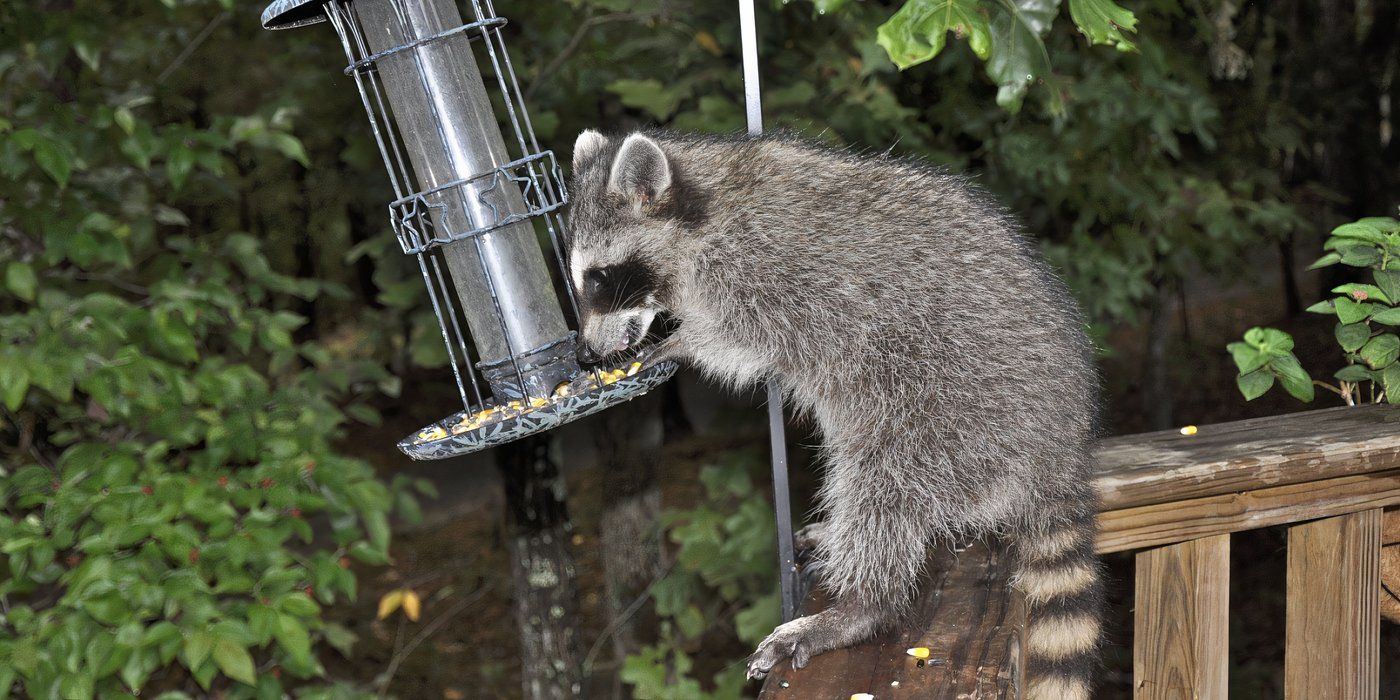
Credit: www.backyardboss.net
Additional Deterrent Methods
Install motion-activated lights or sprinklers to scare raccoons away from bird feeders. Use unpleasant scents like peppermint oil as a natural deterrent.
When battling clever raccoons determined to raid your bird feeders, employing additional deterrent methods can be incredibly effective. These methods can add an extra layer of protection to your feeders, making them less appealing to these pesky critters. Are you ready to outsmart those nimble fingers and persistent paws? Let’s explore some innovative deterrents that could be the game-changer you need.Motion-activated Devices
Motion-activated devices can be a fantastic solution to deter raccoons. These clever gadgets detect movement and can release a harmless spray of water or emit sounds that startle the raccoons away. Imagine the surprise on their furry faces when a sudden burst of water interrupts their midnight snack raid! Investing in a device that offers customizable settings can be particularly beneficial. Adjusting the sensitivity ensures only the larger animals trigger the response, saving you from unnecessary activations by passing leaves or smaller birds. This method not only protects your feeders but also adds an entertaining aspect to your garden defense strategy.Noise And Light Deterrents
Raccoons are nocturnal creatures, meaning they operate under the cover of darkness. Introducing noise and light deterrents can disrupt their nightly visits effectively. Devices that flash bright lights or emit high-pitched sounds can make your yard an uncomfortable place for raccoons. Consider using solar-powered lights that come on at dusk and off at dawn. These lights not only keep raccoons at bay but also add a charming glow to your garden. Pairing these with noise deterrents that emit irregular sounds can further confuse and deter the raccoons, making them think twice about returning. Which of these deterrents would you be willing to try to protect your bird feeders? Implementing these strategies could be the key to enjoying a raccoon-free bird-watching experience!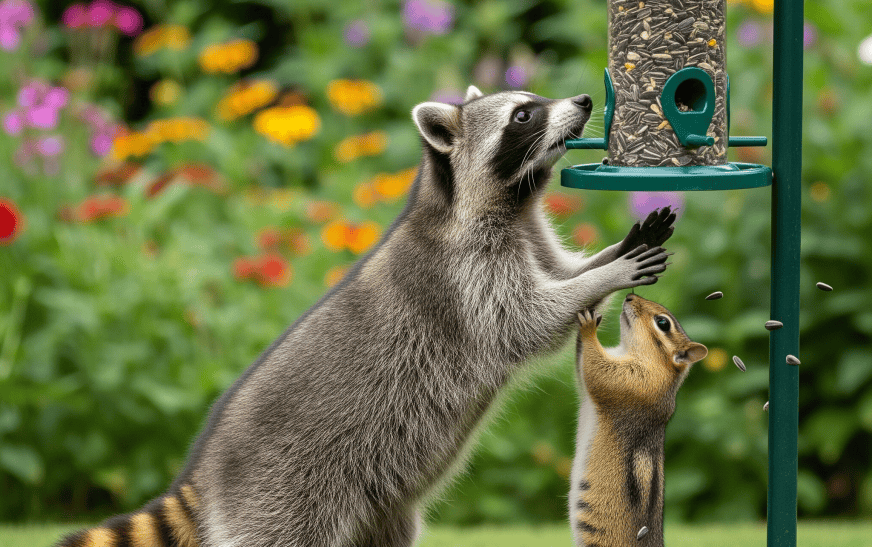
Credit: squirrelsinfo.com
Frequently Asked Questions
How Do Raccoons Find Bird Feeders?
Raccoons use their sharp senses to locate bird feeders. They are attracted by the smell and easy access to food. Feeders with exposed seeds are especially appealing. Understanding this helps in making feeders less detectable and less attractive to raccoons.
What Are Effective Raccoon-proof Bird Feeders?
Raccoon-proof feeders have features like weight-sensitive perches or cages. These designs prevent raccoons from reaching the seeds. Metal cages around feeders also stop them from tearing the feeder. Using these feeders reduces seed loss and protects your bird feeding area.
Can Feeder Placement Reduce Raccoon Visits?
Yes, placing feeders away from trees and fences limits raccoon access. Raccoons use these structures to climb and reach feeders. Hanging feeders on thin poles with baffles also help. Proper placement is a simple yet effective way to deter raccoons.
What Homemade Solutions Keep Raccoons Away?
Homemade remedies include using spicy pepper sprays or ammonia-soaked rags near feeders. These create unpleasant smells and tastes for raccoons. Regularly cleaning seed spills also reduces attraction. While not foolproof, these methods can complement other prevention strategies.
Conclusion
Keeping raccoons away from bird feeders takes some effort and care. Use sturdy feeders and hang them where raccoons cannot reach. Clean up spilled seeds to avoid attracting them. Try adding baffles or using raccoon-proof designs. Watch your feeders often to spot any damage.
Protecting your feeders helps birds enjoy food safely. With patience and smart steps, raccoons will stay away. Enjoy watching birds without unwanted visitors. Simple actions make a big difference in your garden.




