
Have you ever wondered how cage-free birds are raised and what makes their lives different? If you care about animal welfare or want to know where your food comes from, understanding cage-free bird farming is important.
Raising birds without cages means giving them space to move, stretch, and express natural behaviors. But how exactly is this done? You’ll discover the key steps and care practices that ensure cage-free birds live healthier, happier lives. Keep reading to learn what goes into creating a truly cage-free environment—and why it matters to you.
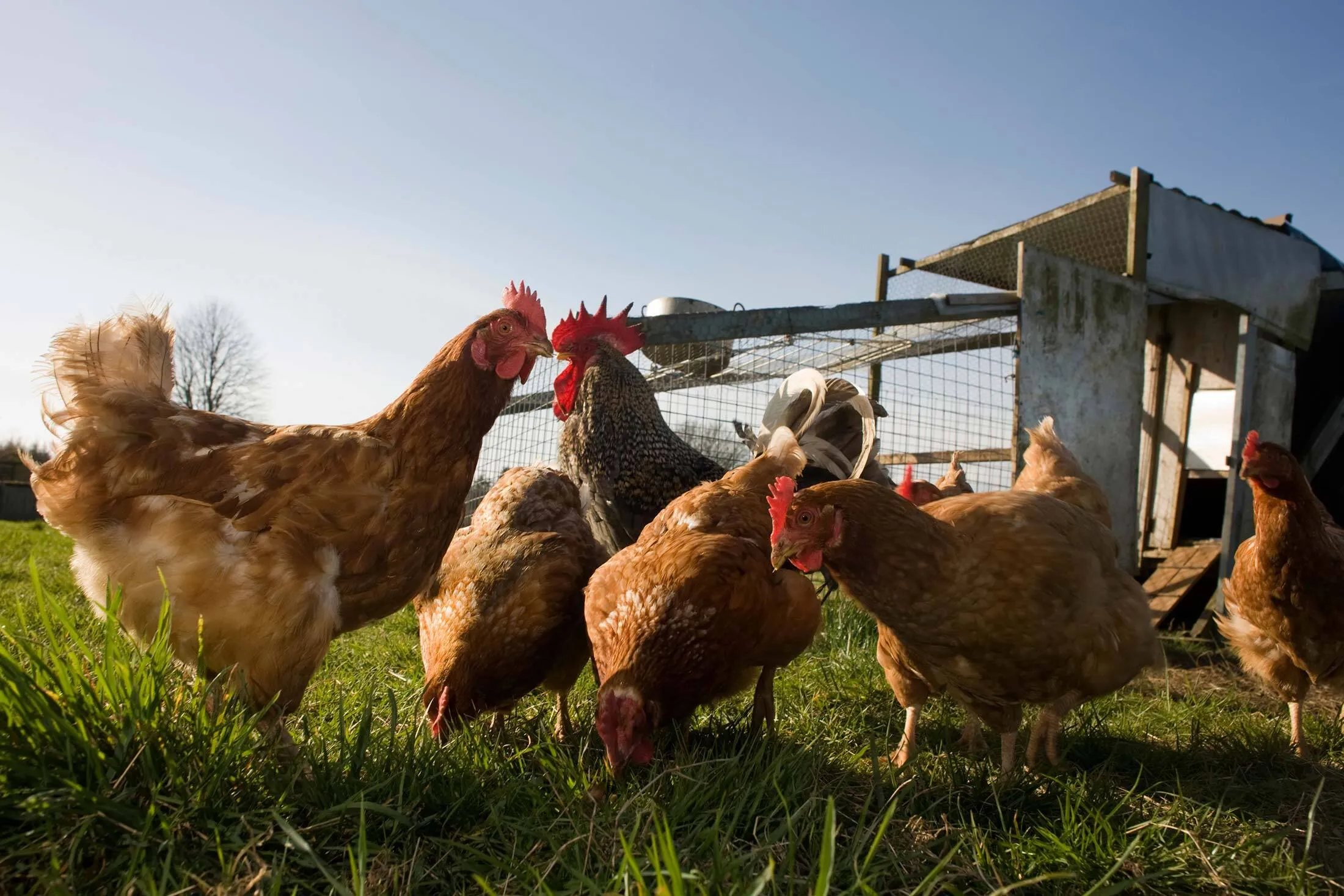
Credit: www.bloomberg.com
Benefits Of Cage-free Raising
Cage-free raising offers many benefits for birds, farmers, and the environment. Birds live in open spaces instead of small cages. This allows them to move freely and behave naturally. The result is healthier birds and better products. Farmers also find this method more sustainable. The environment gains from less waste and better resource use. Here are key benefits of cage-free raising.
Health Advantages For Birds
Birds raised cage-free enjoy more freedom and fresh air. They can stretch their wings and walk around. This reduces stress and improves their immune system. Cage-free birds have fewer injuries and infections. Natural behaviors like dust bathing and pecking are possible. These actions keep birds active and healthy. Overall, cage-free birds live better and longer lives.
Improved Egg Quality
Eggs from cage-free birds often taste better and look brighter. The birds’ better health affects the quality of eggs. These eggs have stronger shells and richer yolks. Consumers prefer cage-free eggs for their freshness and nutrition. The natural diet and movement of birds help produce these high-quality eggs. Farmers benefit by meeting the growing demand for cage-free products.
Environmental Impact
Cage-free farms usually have a smaller environmental footprint. They produce less waste and use fewer chemicals. Birds can help manage pests naturally on the farm. The soil benefits from bird droppings, which act as fertilizer. Water use is often more efficient in cage-free systems. This method supports better land and water conservation. It also promotes a healthier ecosystem around the farm.

Credit: www.nelliesfreerange.com
Choosing The Right Breed
Choosing the right breed is a crucial step if you want to raise healthy and happy cage-free birds. The breed you select will influence their behavior, egg production, and how well they adapt to free-range conditions. Picking a breed that suits your environment and farming style can make your entire operation smoother and more rewarding.
Traits For Cage-free Systems
Not all birds thrive outside of cages. You need breeds that are active, hardy, and good foragers. These traits help birds find their own food and stay healthy in open spaces.
- Temperament:Birds should be calm but alert, avoiding aggressive behavior that can cause stress in a flock.
- Foraging ability:Strong natural instincts to search for insects and plants reduce feed costs and improve health.
- Weather tolerance:Choose breeds that can handle your climate, whether it’s hot, cold, or humid.
- Egg production:Look for breeds that lay well without compromising their health in free-range conditions.
Imagine having a breed that spends most of the day exploring and finding food. This not only cuts down your feed bills but keeps birds active and less prone to disease. Have you observed how some birds prefer to stay close to shelter while others roam wide? Selecting breeds with the right balance can help you control your flock better.
Popular Breeds For Free Range
Several breeds have proven their worth in cage-free environments. These breeds combine productivity with the ability to thrive outdoors.
| Breed | Key Traits | Best For |
|---|---|---|
| Rhode Island Red | Hardy, good foragers, high egg production | Cold and temperate climates, general free-range farming |
| Leghorn | Excellent layers, active, lightweight | Warm climates, commercial free-range egg production |
| Plymouth Rock | Calm temperament, good meat and eggs, adaptable | Mixed farming, family farms |
| Sussex | Curious, good foragers, friendly | Backyard flocks, small-scale free-range setups |
Choosing the right breed means thinking about your goals. Do you want more eggs, meat, or easy care? Different breeds fit different needs, and matching those will save you headaches down the line.
Setting Up A Suitable Environment
Creating a good environment is key for cage-free birds. They need enough room to move and behave naturally. Proper shelter protects them from weather and predators. Good air and light help keep birds healthy and active. Setting up the right space improves bird welfare and farm success.
Space Requirements
Cage-free birds need space to walk, stretch, and flap wings. Crowded conditions cause stress and illness. Each bird should have at least 1.5 to 2 square feet of floor space. Outdoor access adds more room and natural activities. Space must allow birds to rest and avoid fights.
Shelter And Housing Design
The shelter should shield birds from rain, wind, and sun. Use sturdy materials that last and protect well. Floors should stay dry and clean to prevent disease. Nest boxes and perches encourage natural behaviors. Design must allow easy cleaning and maintenance.
Ventilation And Lighting
Fresh air reduces ammonia and moisture inside the house. Good ventilation prevents respiratory problems. Use windows, vents, or fans for airflow. Natural light supports bird health and egg production. Provide 14 to 16 hours of light daily for best results.
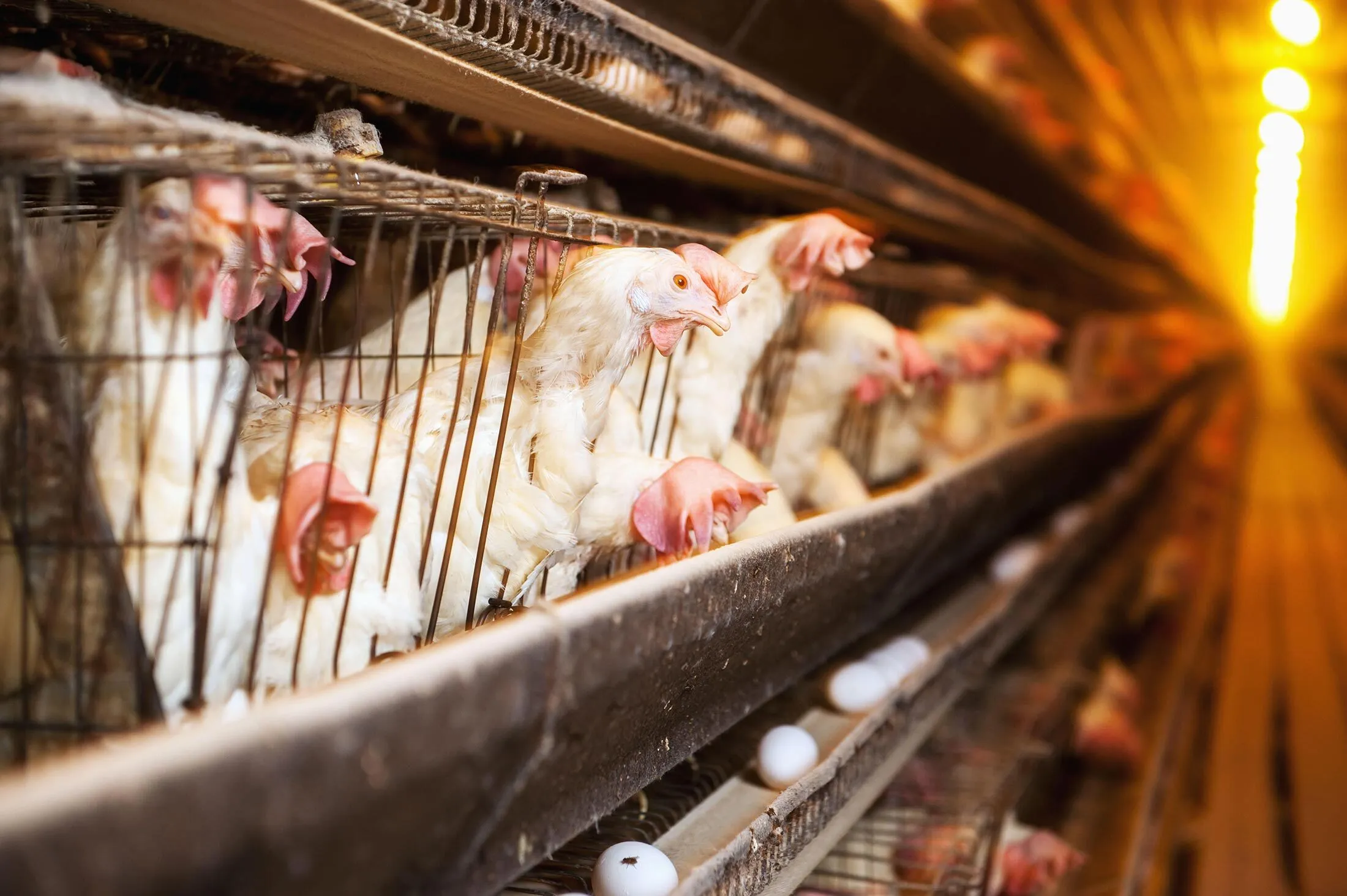
Credit: www.bloomberg.com
Nutrition And Feeding Strategies
Feeding cage-free birds requires careful planning to meet their nutritional needs while supporting their natural behaviors. A well-thought-out nutrition and feeding strategy boosts their health, productivity, and overall well-being. Let’s dive into key elements that make feeding cage-free birds both effective and natural.
Balanced Diet Essentials
Your birds need a mix of proteins, carbohydrates, fats, vitamins, and minerals to thrive. You can provide this through commercial feeds designed for poultry or by mixing grains like corn, wheat, and barley with protein sources such as soybean meal or fish meal.
Don’t forget essential vitamins and minerals like calcium, which supports strong eggshells. Offering crushed oyster shells or limestone is a simple way to add calcium. What’s your current approach to balancing nutrients in your birds’ diet?
Natural Foraging Opportunities
Allowing birds to forage enriches their diet and stimulates natural behaviors. They pick insects, seeds, and plants, which add variety and extra nutrients you might not provide in feed alone.
Set up your space with patches of grass, herbs, or even a small garden bed. This not only improves their diet but also keeps them active and mentally engaged. Could your birds benefit from more natural foraging areas?
Water Supply Management
Fresh, clean water is critical for digestion and overall health. Make sure water is always available and changed regularly to prevent contamination.
Use waterers designed to reduce spillage and keep the water cool, especially in warm weather. Do you monitor your birds’ water intake daily to catch any early signs of illness?
Health Management Practices
Managing the health of cage-free birds requires attentive care and well-planned practices. You need to create an environment that supports their natural behaviors while keeping diseases at bay. Good health management not only boosts productivity but also ensures the birds live comfortably and safely.
Disease Prevention
Keeping diseases out starts with cleanliness. Regularly clean and disinfect bird housing areas to stop germs from spreading.
Proper ventilation reduces moisture and harmful gases, which lowers the chance of respiratory problems. Watch your birds closely—early signs of illness like lethargy or loss of appetite help you act fast.
Have you considered how your feeding and watering systems might affect disease risk? Dirty feeders or stagnant water can breed bacteria. Change water daily and clean feeders often.
Regular Health Checks
Routine health checks are your best tool to catch issues early. Observe your birds daily for any unusual behavior or physical changes.
Bring in a vet for periodic inspections to detect problems you might miss. Simple tests can reveal parasites or infections before they spread.
Keeping a health log helps track trends and spot recurring problems. Have you tried noting down symptoms and treatment results? It makes managing your flock easier over time.
Vaccination Schedules
Vaccines protect your birds against common and dangerous diseases. Follow a vaccination schedule tailored to your area and bird breed.
Consult local experts or vets to know which vaccines are essential. Timing matters—administer vaccines at the right age and season for maximum effect.
Keep records of each bird’s vaccinations to avoid missed doses. Are you ready to set reminders to stay on top of this crucial task?
Behavioral Considerations
Cage-free birds need space to move and express natural behaviors like scratching and dust bathing. Providing perches and hiding spots helps reduce stress and encourages healthy activity. Caring for their social needs leads to happier, healthier birds.
Raising cage-free birds requires a focus on their natural behaviors and social needs. Behavioral considerations are crucial for ensuring their well-being and productivity. Understanding these behaviors will not only improve their quality of life but also enhance your overall bird-raising experience.Encouraging Natural Behaviors
Let birds express their natural instincts by providing a stimulating environment. Use perches, dust baths, and nesting areas to mimic their natural habitats. A friend once transformed her backyard into a bird paradise, and she noticed happier, more active birds almost immediately.Managing Aggression
Aggression can be a challenge in any flock, but it’s manageable. Monitor your birds closely for signs of pecking or bullying. Introduce dividers or extra space to allow more timid birds to retreat and feel safe.Social Grouping Tips
Creating harmonious social groups is key. Consider the birds’ age, size, and temperament when grouping them. A balanced mix can prevent dominance issues and promote a peaceful environment. You might wonder, how do you know if the grouping is right? Watch for signs of contentment, like preening and quiet clucking, as indicators of a happy flock.Harvesting And Egg Handling
Cage-free birds need spacious areas to move freely and access fresh air. Proper harvesting ensures eggs remain clean and safe. Gentle handling protects both birds and eggs during collection and transport.
Raising cage-free birds requires careful harvesting and egg handling. Proper techniques ensure the quality and safety of eggs. This section explores effective methods for collecting and storing eggs.Collection Techniques
Gathering eggs involves gentle handling. Use clean baskets to prevent damage. Check nests daily for fresh eggs. This reduces the risk of breakage. Handle each egg carefully to avoid cracks.Storage Best Practices
Store eggs in a cool, dry place. This maintains their freshness. Avoid placing eggs near strong odors. Keep them in cartons to protect them from damage. Position the eggs with the pointed end down. This helps maintain their quality.Maintaining Egg Quality
Regular checks are essential. Inspect eggs for cracks or dirt. Clean any soiled eggs with a damp cloth. Avoid washing them, as this removes the protective coating. Rotate the stock regularly to ensure freshness. Always use the oldest eggs first.Common Challenges And Solutions
Raising cage-free birds comes with its share of challenges. These birds need space and freedom, which exposes them to risks not found in caged systems. Addressing these challenges helps maintain bird health and farm productivity. Practical solutions ensure the birds remain safe and comfortable throughout their lives.
Predator Protection
Predators pose a serious threat to cage-free birds. Birds roaming outside are easier targets for foxes, hawks, raccoons, and stray dogs. Protecting birds requires a mix of strong barriers and smart design.
- Use sturdy fencing that extends underground to block digging predators.
- Install overhead netting to stop aerial attacks.
- Provide secure nighttime shelters that lock safely.
- Employ guardian animals like dogs or llamas to deter intruders.
Weather-related Issues
Exposure to weather can affect bird health and egg production. Rain, heat, cold, and wind all cause stress. Proper shelter and management reduce these effects.
- Build shelters with good ventilation to avoid heat stress.
- Provide dry, insulated areas to keep birds warm in winter.
- Use shade structures to protect from direct sunlight.
- Ensure clean, dry bedding to prevent disease.
Cost Management
Raising cage-free birds may cost more than caged systems. Feed, land, and labor add up quickly. Smart planning helps control expenses without sacrificing bird welfare.
- Choose feed that balances nutrition and cost.
- Rotate pastures to reduce land wear and feed needs.
- Use labor-saving tools and equipment.
- Invest in durable housing to lower maintenance costs.
Frequently Asked Questions
What Is Cage Free Bird Farming?
Cage free bird farming means raising birds without cages. Birds can move freely indoors or outdoors. This method promotes natural behavior and better welfare.
How Do Cage Free Birds Get Fed?
Cage free birds are fed balanced diets with grains, seeds, and supplements. Farmers ensure fresh water and nutritious food daily to support health.
What Space Is Required For Cage Free Birds?
Cage free birds need enough space to move and perch. Typically, 1 to 2 square feet per bird indoors, plus outdoor access, is ideal.
How To Maintain Hygiene In Cage Free Systems?
Regular cleaning of living areas and fresh bedding prevent diseases. Proper ventilation and waste management are essential for healthy cage free birds.
Conclusion
Raising cage-free birds needs care and attention every day. Provide enough space for birds to move freely. Keep their environment clean and safe from harm. Offer fresh food and water to keep them healthy. Let birds enjoy natural light and fresh air.
Watch for signs of illness and act quickly. Happy, healthy birds produce better eggs and meat. Simple steps lead to better welfare for all birds. Small changes can make a big difference in farming. Raising cage-free birds shows respect for animal life.




