
Have you ever wondered if other birds sneak a sip from your hummingbird feeder? You might think these tiny, colorful feeders are just for hummingbirds, but the truth could surprise you.
If you’re curious about who else might be visiting your garden and enjoying that sweet nectar, you’re in the right place. Keep reading to discover which birds are drawn to hummingbird feeders and why your backyard might be busier than you think.
This could change the way you feed and attract birds forever!

Credit: www.birdwatchingdaily.com
Why Hummingbird Feeders Attract Other Birds
Hummingbird feeders often become popular spots not just for hummingbirds but for other bird species as well. You might notice sparrows, orioles, or even woodpeckers visiting your feeder. Understanding why these birds are drawn to hummingbird feeders can help you manage your backyard bird activity better and enjoy a wider variety of visitors.
Nectar As A Food Source
Nectar is a rich source of energy for many birds, not just hummingbirds. It provides quick sugar that fuels their high metabolism. Birds like orioles and warblers also seek out nectar, especially during migration when they need extra energy.
If you’re feeding hummingbirds, you might unintentionally offer a convenient snack to other nectar-loving birds. This can increase bird diversity around your feeder, but it can also lead to competition. Have you ever noticed how some birds seem to dominate the feeder space? That’s the energy value of nectar at work.
Easy Access To Sugar Water
Sugar water in hummingbird feeders is easy to access and digest. Unlike natural nectar sources that might be hidden in flowers, these feeders offer an open buffet. Birds that might not usually sip nectar find it simple to drink from the feeder’s ports or rims.
This easy access is especially attractive during colder months or dry spells when natural food sources are scarce. Birds are smart about conserving energy, so a feeder that requires less effort to get food will attract more visitors. Have you observed which birds take advantage of this convenience in your yard?
Location And Placement Influence
Where you place your hummingbird feeder affects which birds come to visit. Feeders hung near trees or shrubs provide perching spots, making it easier for different bird species to stop by. Open spaces might attract more aggressive birds that can defend the feeder.
Placing feeders near other food sources like seed feeders or fruit can also draw a wider range of birds. If you want to encourage certain species, think about their natural habits and preferred habitats. How could changing your feeder’s location change the variety of visitors you see?
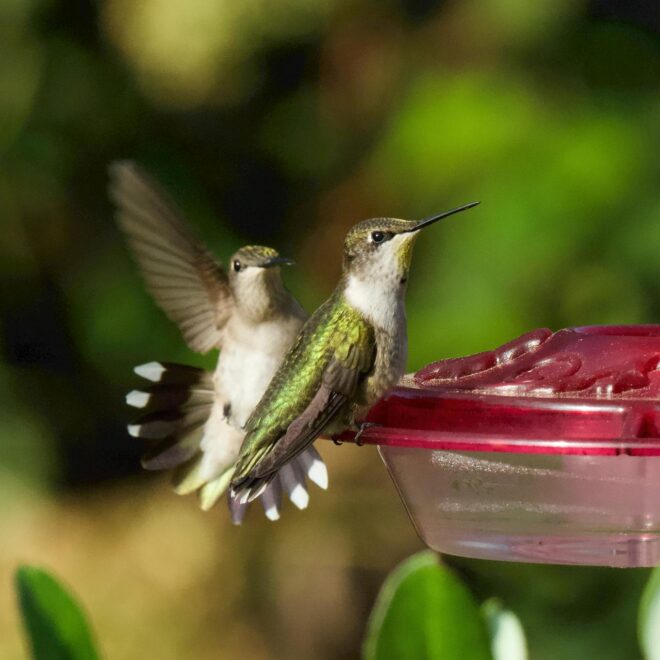
Credit: www.birdwatchingdaily.com
Common Birds Visiting Hummingbird Feeders
Hummingbird feeders attract more than just hummingbirds. Many other bird species visit these feeders to enjoy the sweet nectar. These common visitors add life and color to your garden. Watching them can be a delightful experience for bird lovers.
Orioles And Their Nectar Preferences
Orioles love sweet nectar and often visit hummingbird feeders. They prefer feeders with larger feeding ports. Orioles enjoy orange-colored feeders, which attract them more. They sip nectar slowly, often perching nearby while feeding.
Woodpeckers And Sapsuckers
Woodpeckers visit hummingbird feeders to drink nectar. Sapsuckers, a type of woodpecker, also enjoy the sweet liquid. These birds use their strong beaks to reach the nectar. They sometimes feed alongside hummingbirds without much conflict.
Warblers And Other Small Birds
Warblers are tiny birds that may visit hummingbird feeders. They look for nectar as a quick energy source. Other small birds like finches and chickadees might also stop by. These birds often feed in the early morning or late afternoon.
How Other Birds Affect Hummingbirds
Other birds visiting your hummingbird feeder can change the way hummingbirds behave around it. These visitors might seem harmless, but they can create challenges that affect hummingbirds’ feeding habits and comfort. Understanding these effects helps you manage your feeder to support hummingbirds better.
Competition For Food
Many birds are attracted to the sweet nectar in hummingbird feeders. Species like bees, ants, and even larger birds such as orioles often try to share the resource. This competition can reduce the amount of nectar available for hummingbirds, making it harder for them to get the energy they need.
Have you noticed other birds crowding your feeder? It’s a sign that your feeder might need more frequent refilling or additional feeding stations to reduce food scarcity. Setting up multiple feeders spaced apart can ease this competition and give hummingbirds a better chance to feed.
Aggressive Behavior And Territorial Disputes
Hummingbirds are known for defending their feeding territory fiercely. When other birds visit the feeder, it can trigger aggressive behavior from hummingbirds trying to protect their food source. This often leads to chasing, squawking, and even physical confrontations.
In my experience, a single feeder often becomes a hotspot for these disputes. Adding more feeders in different locations can reduce tension. It also gives hummingbirds safe spots where they can feed without constant harassment.
Impact On Hummingbird Feeding Patterns
Frequent visits from other birds can change when and how hummingbirds feed. They might avoid feeders during busy times, feeding early in the morning or late in the evening instead. This shift can affect their energy levels and overall health.
To help hummingbirds stick to natural feeding patterns, consider placing feeders in quieter, less accessible spots for larger birds. Watching these patterns closely can reveal the best times and locations for your feeders, ensuring hummingbirds get the most benefit.

Credit: www.birdsandblooms.com
Tips To Attract Only Hummingbirds
Attracting only hummingbirds to your feeder can be a challenge. Other birds like bees, ants, and even larger birds often try to feed from hummingbird feeders. Use specific tips to invite hummingbirds while keeping others away. Focus on feeder design, sugar water mix, and strategic placement. These simple steps help create the perfect hummingbird haven.
Feeder Design And Features
Choose feeders with bright red colors. Hummingbirds are attracted to red, but many other birds are not. Select feeders with small feeding ports. This limits access to birds with larger beaks. Avoid feeders with wide openings or trays that hold extra water. These attract bees and ants. Use feeders with built-in ant moats or bee guards to keep pests out.
Sugar Water Preparation
Mix sugar and water in the right ratio. Use four parts water to one part white granulated sugar. Avoid using honey, artificial sweeteners, or red dye. These can harm hummingbirds and attract unwanted insects. Boil the water first to dissolve sugar and kill bacteria. Let the mixture cool before filling the feeder. Change the sugar water every few days to prevent mold and fermentation.
Placement And Maintenance
Hang your feeder in a shaded area. This slows sugar water spoilage. Position it away from feeders for other birds. Place it at least five feet above the ground. This reduces access for ants and larger birds. Clean the feeder every few days using hot water and a brush. Avoid soap, which can leave harmful residues. Regular cleaning keeps hummingbirds healthy and happy.
Safety Considerations For All Birds
Safety is important for all birds that visit hummingbird feeders. Not just hummingbirds, but other birds may drink from these feeders too. Keeping the feeder clean and safe helps protect all birds from illness and harm. Attention to feeder care ensures a healthy feeding spot for every visitor.
Preventing Mold And Bacteria Growth
Mold and bacteria grow quickly in sweet nectar. These can make birds sick. Check the feeder often for signs of mold or cloudiness. Use fresh nectar to keep it safe. Avoid leaving nectar in the feeder for more than three days, especially in warm weather. Clean feeders regularly to stop harmful growth.
Avoiding Harmful Additives
Some store-bought nectar has additives or dyes. These ingredients can harm birds. Use simple homemade nectar made from sugar and water only. Avoid honey, artificial sweeteners, or red dye. Pure sugar water mimics natural nectar and is safe for all birds.
Regular Cleaning Practices
Clean feeders every few days. Use hot water and a mild soap. Scrub all parts, especially small openings. Rinse well to remove soap residue. Let the feeder dry completely before refilling. This helps stop bacteria and mold from growing. Regular cleaning keeps all birds healthy and happy.
Frequently Asked Questions
Do Other Birds Drink From Hummingbird Feeders?
Yes, some other birds like orioles and bees may visit hummingbird feeders. They are attracted to the sweet nectar but hummingbird feeders are designed specifically for hummingbirds.
Can Larger Birds Damage Hummingbird Feeders?
Larger birds such as sparrows or starlings might perch on feeders and cause damage. This can lead to spills or broken feeder parts, so regular maintenance is important.
Are Hummingbird Feeders Safe For Other Birds?
Hummingbird feeders contain sugar water safe for hummingbirds. However, some birds might not digest it well, so it’s best to provide species-specific feeders for other birds.
How To Prevent Other Birds From Using Hummingbird Feeders?
Use feeders with smaller feeding ports designed for hummingbirds. Adding baffles or placing feeders in less accessible spots can also reduce visits from larger birds.
Conclusion
Other birds do visit hummingbird feeders sometimes. They enjoy the sweet nectar just like hummingbirds. Watching different birds share the feeder can be fun. Keep your feeder clean to protect all birds. Using feeders can help more birds find food nearby.
Remember, each bird species has its own feeding habits. This makes your garden lively and full of life. Try observing which birds come to your feeder. It adds joy and interest to bird watching.




