
Have you ever noticed that your bird bath gets dirty quickly, leaving you frustrated with constant cleaning? What if a simple, inexpensive trick could help keep your bird bath cleaner for longer?
Using copper pennies might be the surprising solution you need. But do copper pennies really keep bird baths clean, or is it just a myth? You’ll discover how copper works, whether this trick is safe for your feathered visitors, and how you can try it yourself.
Keep reading to find out how to make your bird bath a fresher, more inviting spot for birds with minimal effort.

Credit: www.birdfy.com
Copper Pennies And Bird Baths
Adding copper pennies to your bird bath is a popular tip among bird lovers. But does it really keep the water clean? Understanding why copper is used and its history with cleanliness can help you decide if this trick is worth trying in your own garden.
Why Use Copper In Bird Baths
Copper naturally releases small amounts of ions that can prevent algae growth. This helps keep the water clearer for longer periods without harsh chemicals.
Many bird owners notice less green slime and fewer bugs when copper pennies are added. You might find it easier to maintain your bird bath and provide a healthier environment for visiting birds.
However, the effectiveness depends on the water’s pH and temperature. So, copper isn’t a magic fix but a helpful aid in keeping bird baths cleaner.
Historical Use Of Copper For Cleanliness
Copper has been used for centuries to control bacteria and algae. Ancient civilizations stored water in copper vessels to keep it fresh and safe to drink.
Hospitals once used copper surfaces to reduce infections before modern disinfectants were developed. This shows copper’s long-standing reputation as a natural cleaner.
Knowing this history adds confidence to using copper pennies in bird baths. It’s a simple idea backed by real-world results over time.
How Copper Affects Water Quality
Do Copper Pennies Keep Bird Baths Clean Copper pennies in bird baths can reduce algae and bacteria growth. Copper’s natural properties inhibit microorganism proliferation. This helps maintain cleaner water, benefiting birds visiting for a drink.
Copper’s Antimicrobial Properties
Copper has natural antimicrobial effects that help keep water clean. It kills bacteria and other microbes by damaging their cell walls. This action prevents harmful germs from multiplying in the water. Copper ions released into the water disrupt the life cycle of many microorganisms. This creates a safer environment for birds to drink and bathe.
The slow release of copper ions makes it a gentle yet effective cleaner. It does not rely on harsh chemicals or frequent water changes. This quality makes copper pennies a popular choice for maintaining bird baths.
Impact On Algae And Bacteria Growth
Algae and bacteria thrive in still water, causing cloudiness and odors. Copper inhibits their growth by poisoning their cells. This stops algae blooms that can turn the water green and slimy. It also reduces bacteria that cause unpleasant smells and health risks.
Using copper pennies can help keep the bird bath water clearer and fresher. The presence of copper makes the environment less suitable for unwanted organisms. This helps maintain a cleaner, more appealing bird bath for wildlife.
Scientific Evidence And Studies
Understanding whether copper pennies keep bird baths clean requires looking at scientific evidence and studies. These insights help you decide if adding copper is a practical solution or just a popular myth. Let’s dive into what research reveals about copper’s role in water features and how it stacks up against other cleaning methods.
Research On Copper In Water Features
Copper has natural antimicrobial properties, which means it can kill or inhibit the growth of bacteria and algae. Several studies confirm that copper surfaces reduce microbial contamination in water, but results vary depending on concentration and exposure time.
For instance, a study published in the Journal of Applied Microbiologyfound that copper ions can disrupt algae cell membranes, slowing their growth in small water bodies. However, the effectiveness depends on copper levels being high enough to impact algae but low enough to avoid harming wildlife.
Have you noticed that pennies don’t always keep your bird bath crystal clear? This might be because the copper content in pennies is quite low, especially in newer coins, making them less effective than pure copper sources.
Effectiveness Compared To Other Methods
Other common methods to keep bird baths clean include regular scrubbing, using bleach solutions, or adding water treatments designed to prevent algae. Compared to these, copper’s effect is slower and less predictable.
Here’s a quick comparison:
| Method | Effectiveness | Impact on Wildlife | Maintenance Required |
|---|---|---|---|
| Copper Pennies | Moderate, depends on copper content and water conditions | Low risk if pennies are old and not corroded | Low, but requires occasional replacement |
| Regular Scrubbing | High, removes algae physically | Safe, no chemicals involved | High, frequent cleaning needed |
| Bleach Solution | Very effective for killing algae and bacteria | Potentially harmful if not rinsed properly | Moderate, must be used carefully |
| Water Treatments (Algaecides) | Effective, designed for algae control | Varies, some may affect birds | Moderate, periodic application needed |
Does relying solely on copper pennies make sense for your bird bath? Probably not if you want quick and consistent results. Combining copper with regular cleaning might be the best approach to keep water fresh and safe for your feathered friends.
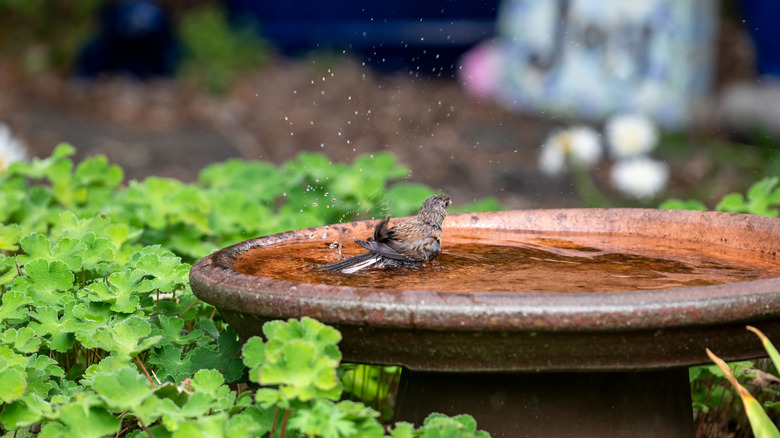
Credit: www.housedigest.com
Practical Considerations
Using copper pennies in bird baths has gained attention for its potential to keep water cleaner. Practical considerations help decide if this method suits your outdoor space. These points cover important facts about the quantity of pennies and safety for birds and the environment.
Quantity Of Pennies Needed
The number of pennies depends on the size of the bird bath. A small bowl may only need a handful of pennies. Larger baths require more pennies to cover the bottom. Copper ions release slowly, so enough pennies must touch the water.
Too few pennies may not prevent algae and bacteria effectively. Consider these tips:
- Use shiny, clean pennies for best copper release.
- Place pennies evenly across the bath base.
- Replace pennies every few months as they lose effectiveness.
Potential Risks To Birds And Environment
Copper has natural antimicrobial properties but can be toxic in high amounts. Excess copper in water may harm birds and other wildlife. Monitor bird activity and water quality regularly.
Some key points to watch include:
- Avoid using pennies with coatings or paint.
- Do not overfill the bath with pennies to limit copper concentration.
- Change water often to prevent copper build-up.
Natural alternatives or commercial products designed for bird baths may offer safer options. Always prioritize bird safety when maintaining a clean water source.
Alternative Ways To Keep Bird Baths Clean
Copper pennies can help reduce algae growth in bird baths by releasing small amounts of copper. They do not fully clean the water but can slow down dirt buildup. Regular cleaning is still needed to keep bird baths fresh and safe for birds.
Maintaining a clean bird bath is essential for the health of your feathered visitors. While some people believe that copper pennies can help keep bird baths clean, there are several alternative methods that can be more effective. Let’s explore some practical ways to maintain a clean bird bath.Regular Cleaning Techniques
Regular maintenance is crucial for a healthy bird bath. Empty and scrub your bird bath at least once a week. Use a brush with firm bristles to remove algae and dirt. A mixture of water and mild dish soap works well for cleaning. Ensure you rinse thoroughly to avoid leaving any soap residue.Natural Additives And Solutions
You can use natural ingredients to keep your bird bath clean. Vinegar is a great option; it is effective at killing algae and bacteria. Mix one part vinegar with nine parts water and use it to scrub the bath. Baking soda is another option. Sprinkle it on the surface, scrub, and rinse off with water. These simple solutions are safe for birds and the environment. Which natural cleaning method will you try first?
Credit: www.birdfy.com
Tips For Maintaining A Healthy Bird Bath
Keeping your bird bath clean and healthy benefits both you and the birds that visit. A well-maintained bath attracts more feathered friends and prevents the spread of diseases. Simple habits can make a big difference in creating a safe, refreshing water source for birds.
Placement And Water Change Frequency
Where you place your bird bath affects how clean it stays. Choose a spot with some shade to slow down algae growth and evaporation. Avoid areas near bird feeders to reduce debris and droppings in the water.
Changing the water regularly is key. Stagnant water quickly becomes a breeding ground for bacteria and mosquitoes. Try to refresh the water every two to three days, or daily during hot weather.
Monitoring For Contaminants
Check your bird bath often for leaves, dirt, or droppings. These contaminants can harm birds and cloud the water. Using a small net or scoop helps remove debris before it settles.
Have you noticed slimy buildup on your bath’s surface? This often means algae or bacteria are growing. Scrub the bird bath with a brush and mild soap every couple of weeks to keep it safe.
Frequently Asked Questions
Do Copper Pennies Prevent Algae In Bird Baths?
Copper pennies release small amounts of copper ions that can inhibit algae growth. This natural method helps keep bird baths cleaner without harmful chemicals. However, effectiveness depends on water conditions and penny cleanliness.
How Many Copper Pennies Are Needed For A Bird Bath?
Typically, 3 to 5 clean copper pennies are enough for a standard bird bath. More pennies may increase copper ion levels, but excessive copper can harm birds and plants. Regular water changes are also important.
Are Copper Pennies Safe For Birds In Baths?
Copper pennies in small amounts are generally safe for birds. The copper ions released are minimal and unlikely to harm birds. Still, avoid using old, tarnished pennies or pennies with coatings that can be toxic.
Can Copper Pennies Replace Cleaning Bird Baths Regularly?
Copper pennies help reduce algae but do not replace regular cleaning. Bird baths need frequent water changes and scrubbing to prevent bacteria and debris buildup. Pennies are a helpful supplement, not a full solution.
Conclusion
Copper pennies can help reduce algae in bird baths. They slowly release copper, which stops algae growth. This keeps the water cleaner for longer periods. But pennies alone do not clean all dirt or bacteria. Regular water changes and cleaning are still important.
Using pennies is a simple, natural way to keep bird baths fresh. It does not harm birds or plants. Try adding a few pennies and watch your bird bath stay cleaner. Small steps make a big difference in your garden’s health.




