
Have you ever wondered if the bright colors you choose for your birdhouse actually attract more feathered friends? You want to create a cozy, inviting home for birds, but does painting it in bold reds or sunny yellows help—or hurt your chances?
Understanding what colors birds truly like can make all the difference in turning your garden into a lively sanctuary. Keep reading, because what you learn here might change the way you decorate your birdhouse forever.
Birds And Color Perception
Understanding how birds perceive color can change the way you choose and place birdhouses in your garden. Birds don’t see the world exactly as we do, which means their preferences for colors can be surprising. Knowing their color perception helps you create a welcoming space that stands out in the best way for your feathered visitors.
How Birds See Colors
Birds have a more complex color vision than humans. They can see ultraviolet light, a spectrum invisible to us, which means some colors on birdhouses might glow or stand out differently to them.
This ability lets birds detect subtle color differences in feathers and flowers, influencing their behavior and choices. So, a bright color to you might look even brighter or completely different to a bird.
Have you noticed how some birds seem drawn to certain colors in your garden? That’s not coincidence—it’s their color vision guiding them.
Color Preferences Among Species
Different bird species have different color likes and dislikes. Hummingbirds often favor red and orange, colors linked to the flowers they feed on. Bluebirds, on the other hand, are attracted to blue and sometimes white hues.
However, bright colors can also deter some species if they signal danger or stand out too much in natural surroundings. For example, sparrows may avoid overly bright houses but like softer earth tones.
When choosing a birdhouse color, think about the species you want to attract. Would a bright red birdhouse bring more hummingbirds, or would a subtle green blend better for sparrows?
Impact Of Bright Colors On Bird Behavior
The colors you choose for bird houses can influence how birds interact with them. Bright colors, in particular, have a noticeable effect on bird behavior. Understanding this impact helps you decide if a vividly painted bird house is a smart choice for your backyard visitors.
Attraction Or Avoidance?
Bright colors can either attract or repel birds, depending on the species. Some birds are drawn to red or yellow because these colors resemble flowers or fruits they feed on. Others might avoid bright hues, associating them with predators or unfamiliar objects.
Think about the birds you want to welcome. Bluebirds, for instance, often prefer natural or muted tones, while hummingbirds may be attracted to bright reds. Have you noticed certain birds ignoring a colorful feeder or house in your yard? That reaction could be their way of avoiding something unfamiliar or threatening.
Effects On Nesting Choices
Birds choose nesting spots based on safety and comfort, and color plays a role in this decision. Bright bird houses can stand out too much, making nests more visible to predators. This visibility might discourage some species from nesting there.
On the other hand, some birds use bright colors to claim territory or attract mates. If you want to encourage nesting, try painting the house in colors that blend with the environment or match the preferences of local bird species. Have you tried changing the color of a bird house and noticed different birds moving in?
Popular Bird House Colors
Choosing the right color for your bird house can make a big difference in attracting the feathered friends you want. Birds respond differently to colors based on their natural instincts and environment. Picking popular bird house colors that appeal to birds can increase your chances of them making a home in your garden.
Colors That Draw Birds In
Bright colors like red, yellow, and blue tend to catch birds’ attention. These colors often mimic the vibrant hues found in flowers and fruits, which signal food sources or safe places. For example, bluebird enthusiasts often paint their houses bright blue to attract these charming visitors.
Green is another excellent choice because it blends with foliage, making birds feel safe from predators. You might notice that birds prefer bird houses painted in earthy tones, such as olive or moss green, especially in wooded areas.
- Red:Attracts cardinals and bluebirds.
- Yellow:Appeals to finches and chickadees.
- Blue:Great for bluebirds and tree swallows.
- Green:Offers camouflage and comfort.
Colors That Deter Birds
Some colors can actually keep birds away from your bird house. Bright white or shiny metallic finishes can appear unnatural and intimidating to many species. Avoid these if you want to encourage birds to visit and nest.
Black and dark colors often absorb too much heat, especially in sunny spots, making the bird house uncomfortable. Birds prefer cooler environments, so a dark-colored house may be left empty during warmer months.
- White:Reflects too much light and looks unnatural.
- Black:Absorbs heat, causing overheating inside.
- Metallic or shiny finishes:Can scare birds off.
Have you noticed which colors your local birds seem to prefer? Experimenting with different shades might reveal surprising favorites and help create a welcoming space for your backyard visitors.

Credit: underatinroof.com
Environmental Factors And Color
Bright colors on bird houses can attract some bird species, while others prefer natural shades. Environmental factors like surroundings and predator presence influence their color choices. Birds often feel safer and more comfortable in colors that blend with nature.
Environmental factors play a vital role in birdhouse selection. Birds consider color and surroundings when choosing a home. Bright colors can attract birds, but they also raise concerns. Understanding these factors helps in selecting the right birdhouse.Camouflage And Safety
Birds prefer safe and secure homes. A birdhouse that blends with its environment offers protection. Bright colors can make birdhouses stand out. This attracts predators and poses a threat. Neutral and earthy tones provide better camouflage. These colors mimic natural surroundings, ensuring birds feel safe.Heat Absorption And Comfort
Color affects how much heat a birdhouse absorbs. Dark colors absorb more heat, making interiors warmer. Bright or light-colored birdhouses reflect sunlight. This keeps the interior cooler and more comfortable. Birds prefer homes with a stable temperature. It’s essential for nesting and raising chicks. Choose birdhouse colors wisely to ensure bird comfort and safety.Tips For Choosing Bird House Colors
Choosing the right color for your birdhouse is more than just an aesthetic decision. The color can influence whether birds feel safe enough to nest or if they avoid the house altogether. Understanding how to pick colors that appeal to birds while fitting into their environment can make your birdhouse a popular spot.
Matching Habitat And Species
Different bird species prefer different surroundings, and your birdhouse color should reflect that. Bright colors might attract certain birds like orioles or bluebirds, but others such as woodpeckers or wrens prefer more natural, muted tones.
Look at the local habitat where you plan to place the birdhouse. If it’s a wooded area, colors like brown, green, or gray blend well and offer camouflage. In open spaces or gardens, softer blues or yellows can catch the eye without overwhelming the environment.
Ask yourself: which birds do you want to attract? Matching the color to their natural preferences increases the chances they’ll choose your birdhouse.
Balancing Visibility And Protection
Birdhouses need to be visible enough for birds to find but not so bright that they attract predators. Bright colors can stand out to birds during flight, but they also risk making the nest vulnerable.
Consider painting the entrance hole or trim a brighter color while keeping the main body of the birdhouse in a subdued shade. This way, you provide a signal to birds without compromising safety.
Also, think about the climate. Dark colors absorb heat and might make the birdhouse too warm during summer. Light colors reflect heat, keeping the interior cooler. What balance will keep your feathered friends comfortable and safe?
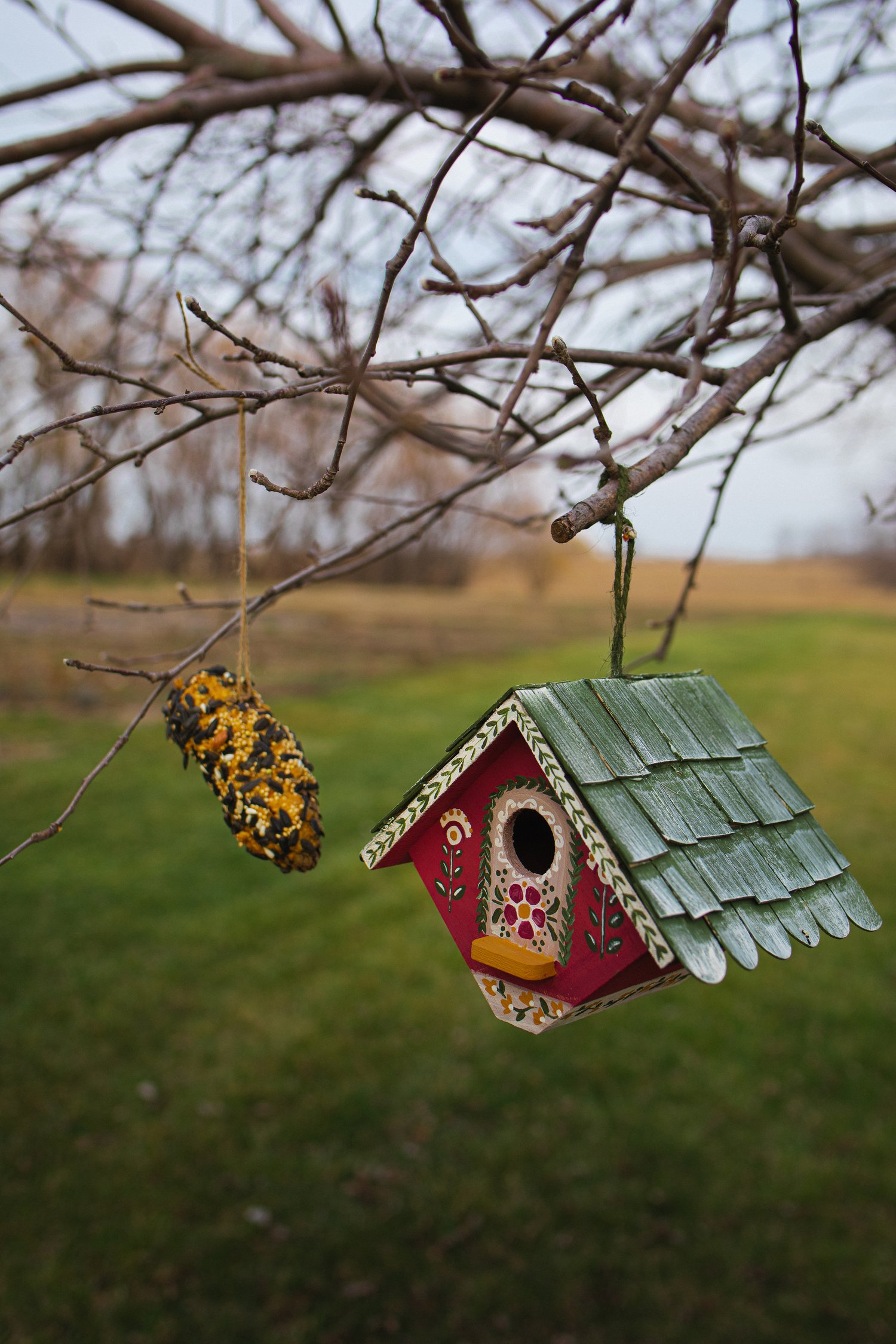
Credit: underatinroof.com
Diy Bright Bird House Ideas
Bright bird houses attract attention and add charm to any garden. Making your own colorful bird house lets you personalize it. It also gives you control over materials and safety. Simple designs work best for DIY projects. You can use bold colors that stand out without overwhelming the birds.
Choosing the right paint and colors matters for bird health and house durability. Crafting a bird house is fun and rewarding. It invites birds while creating a lively outdoor space.
Safe Paints And Finishes
Use non-toxic, water-based paints for bird houses. These paints avoid harmful chemicals that birds might inhale or ingest. Avoid oil-based or spray paints. They can release fumes and toxins. Let paint dry completely before placing the house outside.
Finish with a clear, bird-safe sealant to protect from rain and sun. This keeps colors bright longer. Ensure the sealant is labeled safe for wildlife. A well-protected bird house lasts through seasons and keeps birds safe.
Creative Color Combinations
Bright colors like red, yellow, and blue attract many bird species. Mixing contrasting colors can make your bird house a focal point. Try these combinations:
- Yellow roof with blue walls
- Red base with white trim
- Green background with orange accents
- Turquoise walls with pink doors
Use simple patterns like stripes or polka dots. Keep designs clear and not too busy. Bright colors help birds find their homes easily. Your colorful bird house will stand out and welcome feathered visitors.

Credit: www.birdwatchingdaily.com
Frequently Asked Questions
Do Birds Prefer Bright Colored Bird Houses?
Bird preferences vary by species, but many birds are attracted to natural or muted colors. Bright colors may deter some birds due to visibility to predators. However, some species like bluebirds may be drawn to certain bright hues. Always consider local bird habits.
Can Bright Colors Affect Bird House Occupancy?
Yes, bright colors can influence occupancy. Some birds avoid overly bright houses as they feel unsafe. Others may be curious or attracted to vibrant colors. Using colors that blend with natural surroundings generally increases the chances of occupancy.
Which Colors Are Best For Bird Houses?
Earth tones like green, brown, and gray work best. These colors help bird houses blend with the environment. Avoid neon or highly reflective colors. Soft blues and reds can also attract specific species like bluebirds or wrens.
Do Bright Bird Houses Help Or Harm Birds?
Bright bird houses can sometimes attract predators or cause stress. However, they may also help owners spot houses easily. The key is balancing visibility for humans with safety for birds by choosing colors that don’t stand out too much.
Conclusion
Birds may notice bright colors, but they prefer safe, quiet homes. Bright birdhouses can attract attention but might also scare some birds. Natural colors often blend well with the environment and feel safer. Choose colors that suit your garden and the birds you want to welcome.
Observing bird behavior helps you learn what they like best. A simple, cozy birdhouse often works better than a flashy one. Keep your birdhouses clean and placed where birds feel secure. Happy birds mean a happy garden.




