
Have you ever noticed tiny, unwelcome visitors lurking around your bird feeder? If you’ve set up a feeder to enjoy watching colorful birds, the last thing you want is to attract cockroaches.
You might be wondering, “Do bird feeders attract cockroaches? ” This question matters because those creepy pests can bring unwanted problems to your home and garden. You’ll discover the surprising truth about bird feeders and cockroaches. Plus, you’ll learn simple tips to keep your outdoor space clean and pest-free.
Keep reading to protect your home and enjoy birdwatching without the creepy crawlies.
Credit: www.kingsyard.com
Why Cockroaches Are Drawn To Bird Feeders
Have you ever noticed cockroaches lurking near your bird feeders and wondered why they seem so attracted to these spots? Understanding what draws cockroaches to bird feeders can help you manage unwanted visitors more effectively. It’s not just about the food itself; several environmental factors play a role in making bird feeders a hotspot for these pests.
Food Sources Around Feeders
Cockroaches are scavengers that thrive wherever they find food. Bird feeders often spill seeds and crumbs onto the ground, creating a buffet for roaches. Even leftover bits of fruit or suet can attract them.
If you’ve seen cockroaches near your feeders, check how much food is falling to the ground. Keeping the area clean by sweeping up spilled seeds regularly can reduce their food supply and discourage roaches from hanging around.
Shelter Opportunities Near Feeders
Cockroaches look for safe, hidden places to hide during the day, and bird feeders often provide just that. The structure of many feeders includes small crevices and overhangs, perfect for roaches to take shelter.
Nearby bushes, dense vegetation, or stacked firewood also offer cozy hiding spots. Consider trimming back plants and removing clutter around your feeders to limit these shelter options.
Moisture And Humidity Factors
Cockroaches need moisture to survive, and bird feeders can sometimes create damp conditions. Water from rain or bird baths placed close to feeders increases humidity in the area.
Have you noticed water pooling near your feeder? Standing water or wet ground attracts roaches by providing the moisture they need. Fixing leaks and improving drainage around feeders can help keep these pests away.
Common Signs Of Cockroach Infestation Near Feeders
Noticing signs of cockroach infestation near your bird feeders is crucial to keeping your outdoor space clean and safe. These pests are drawn to leftover birdseed and moisture, making feeders a potential hotspot. Recognizing the early indicators can help you take action before the problem escalates.
Droppings And Smear Marks
Cockroach droppings look like small, dark specks or pepper-like grains scattered near the feeder. You might find them along the feeder’s base, nearby surfaces, or in crevices. Smear marks appear as shiny, brownish streaks left behind when cockroaches crawl over damp areas.
If you spot these signs, it’s a clear indication that cockroaches are frequenting your feeder. Have you checked under and around your feeder lately? A quick inspection can reveal these telltale marks early on.
Unpleasant Odors
Cockroach infestations often come with a distinctive musty or oily smell. This odor can be especially noticeable near bird feeders that haven’t been cleaned regularly. If your outdoor area suddenly has a strange, unpleasant scent, cockroaches might be the cause.
Don’t ignore unusual smells around your feeder. They can warn you about hidden infestations that you might not see right away.
Damage To Feeder Materials
Cockroaches chew on various materials to create nests or find food. You may notice tiny bite marks or scratches on plastic, wood, or metal parts of your feeder. Sometimes, the feeder’s paint or coating might peel off due to their activity.
This kind of damage weakens your feeder and makes it more attractive to other pests. Have you observed any wear and tear that seems unusual or unexplained?
Types Of Bird Feeders That Attract Cockroaches Most
Not all bird feeders are equal when it comes to attracting unwanted guests like cockroaches. Certain designs and features can create perfect conditions for these pests to thrive. Understanding which types of feeders pose a higher risk helps you make smarter choices for your backyard.
Open Tray Feeders
Open tray feeders often spill seeds and hold leftover food, creating an easy buffet for cockroaches. The exposed surface allows pests to access the food without any barriers. If you’ve ever noticed cockroaches crawling around an open tray, you know how quickly they can take over.
Cleaning these feeders regularly is essential, but the design itself invites mess. Ask yourself: is the convenience of an open tray worth the risk of attracting bugs you don’t want?
Seed Spill-prone Designs
Feeders that don’t control seed flow well tend to scatter bits of food onto the ground. These tiny spills become a constant food source for cockroaches and other insects. Feeders with loose lids or wide openings often cause more spillage.
Think about the last time you cleaned under your feeder—was there a layer of seeds attracting pests? Minimizing seed spill helps reduce the chance of cockroach infestations.
Feeders With Moisture Retention
Moisture is a magnet for cockroaches, and some feeders unintentionally trap water or humidity. Designs that hold seeds in damp conditions, like those with poor drainage or enclosed spaces, create a perfect breeding ground. You might not see the problem until cockroaches show up.
Check your feeder after rain or watering—does it stay wet for long periods? Drying out your feeder quickly can make a big difference in keeping cockroaches away.

Credit: feedsnneeds.ca
How To Prevent Cockroaches Around Bird Feeders
Bird feeders can attract unwanted pests like cockroaches. Preventing these pests keeps your outdoor space clean and healthy. Simple habits and smart choices reduce cockroach problems around feeders.
Regular Cleaning Practices
Clean bird feeders often to remove spilled seeds and debris. Use warm, soapy water to scrub feeders weekly. Rinse well to remove soap residue. Clear fallen seeds from the ground daily. These steps stop food buildup that attracts cockroaches.
Choosing Cockroach-resistant Feeders
Select feeders made of metal or hard plastic. Avoid wood feeders that absorb moisture and harbor pests. Pick feeders with smooth surfaces to prevent hiding spots. Models with seed trays that reduce spillage help too. These designs limit places where cockroaches can live and feed.
Proper Placement And Maintenance
Place feeders away from walls and dense plants. Keep them high off the ground to reduce pest access. Trim nearby vegetation to improve airflow and light. Check feeders regularly for damage or leaks. Fix or replace broken parts quickly to avoid pest entry points.
Safe Ways To Control Cockroach Presence
Bird feeders can unintentionally attract cockroaches if food spills on the ground. Keeping the area clean minimizes this risk. Regularly check and maintain feeders to ensure they don’t become a food source for pests.
Attracting a variety of birds to your backyard with feeders is a delightful pursuit. However, the presence of bird feeders can inadvertently attract cockroaches if not managed properly. Fear not, because there are safe and effective ways to control cockroach presence around your bird feeders. By employing a combination of natural repellents, non-toxic traps, and knowing when to seek professional help, you can maintain a cockroach-free zone while still enjoying your feathered visitors.Natural Repellents Near Feeders
Positioning natural repellents around your feeders can be an effective deterrent. Essential oils like peppermint and eucalyptus are known for their insect-repelling properties. Mix a few drops with water and spray around the feeder area to create an invisible barrier that cockroaches dislike. Another natural approach is to use diatomaceous earth. This powder, made from fossilized algae, can be sprinkled around the feeder’s base. It’s safe for birds but harmful to cockroaches, as it dehydrates them when they come into contact with it.Non-toxic Traps And Barriers
Cockroach traps can help monitor and reduce their population without harming the environment. Opt for non-toxic sticky traps that capture these pests as they wander near your bird feeders. In addition to traps, consider physical barriers. Placing a smooth, slippery surface around the feeder pole can prevent cockroaches from climbing up. This simple step can make a significant difference in keeping them at bay.When To Seek Professional Help
Sometimes, despite your best efforts, cockroaches can become a persistent problem. If you notice a growing infestation or if natural methods don’t yield results, it might be time to call in the experts. Professional pest control services can offer tailored solutions that are safe for both your family and your feathered friends. They can identify the root cause of the infestation and suggest more robust measures to ensure your backyard remains a peaceful haven for birds, not bugs. Have you ever dealt with unwanted pests around your bird feeders? How did you manage to keep them at bay?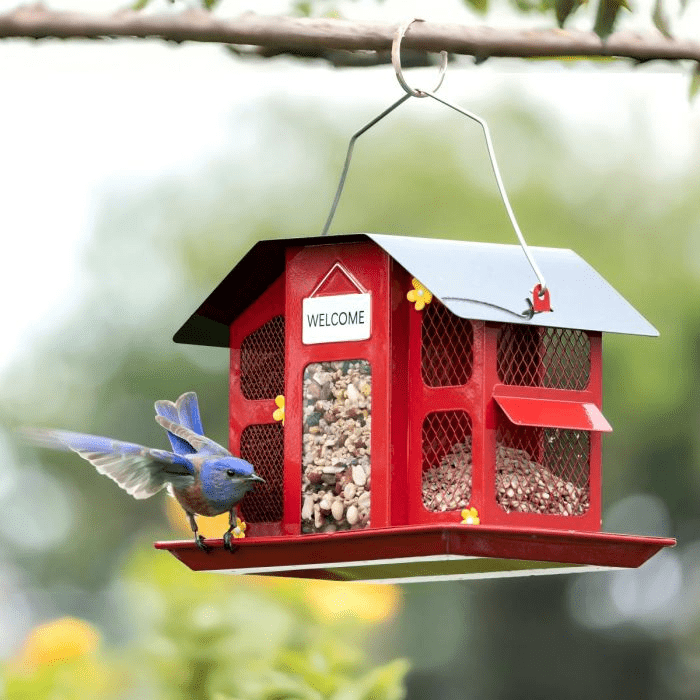
Credit: www.kingsyard.com
Balancing Bird Feeding And Pest Management
Balancing bird feeding and pest management is key to enjoying backyard birds without inviting unwanted guests. Bird feeders can attract cockroaches if not managed well. Careful attention keeps birds happy and pests away. This balance helps maintain a healthy, clean outdoor space. Simple habits make a big difference in pest control.
Encouraging Birds Without Attracting Pests
Choose feeders designed to limit seed spillage. Use seed types less likely to attract cockroaches, such as hulled sunflower seeds. Place feeders away from walls and ground to reduce pest access. Offer food in small amounts that birds can eat quickly. Remove any leftover seeds daily to avoid attracting pests.
Seasonal Adjustments To Feeding Habits
Adjust feeding based on the season to control pests naturally. Feed less during warm, humid months when cockroaches thrive. Increase feeding in cooler months when pests are less active. Clean feeders more often in spring and summer. Store seeds in airtight containers to prevent pest infestations year-round.
Maintaining A Clean Feeding Environment
Clean feeders and surrounding areas regularly. Sweep up spilled seeds and hulls under feeders. Use a mild soap and water solution to wash feeders weekly. Avoid overfilling feeders to reduce mess. Keep vegetation trimmed near feeding spots to lower hiding places for pests.
Frequently Asked Questions
Do Bird Feeders Attract Cockroaches?
Yes, bird feeders can attract cockroaches. Leftover seeds and spilled food create a food source that draws them in. Proper cleaning and maintenance reduce this risk significantly.
How To Prevent Cockroaches Near Bird Feeders?
Clean feeders regularly and remove spilled seeds promptly. Use baffles and place feeders away from walls. These steps help keep cockroaches and other pests away.
Are Certain Bird Feeder Types Less Attractive To Cockroaches?
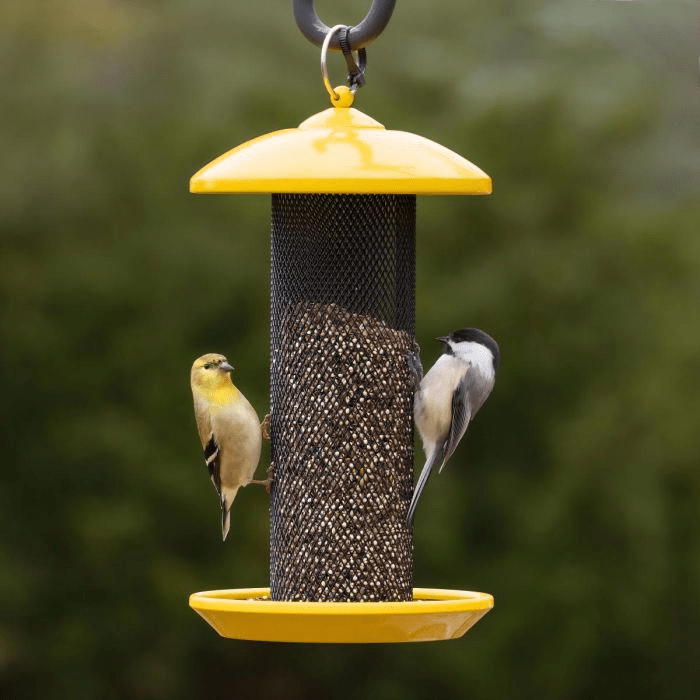
Tube feeders with minimal seed spillage attract fewer cockroaches. Platform feeders or ground feeders often create more mess, increasing pest attraction. Choose feeders that minimize seed drop.
Can Cockroaches Harm Birds Visiting Feeders?
Cockroaches generally don’t harm birds but compete for food. They can spread bacteria, potentially causing health issues. Keeping feeders clean protects bird health.
Conclusion
Bird feeders can sometimes attract cockroaches. Leftover seeds and spilled food create a perfect home. Cleaning feeders regularly helps keep these pests away. Choose feeders that reduce spillage to limit cockroach visits. Keep the area around the feeder dry and tidy.
This simple care prevents unwanted insects near your home. Enjoy feeding birds without worrying about cockroaches. Small efforts make a big difference in pest control. Stay watchful and maintain cleanliness for a healthy yard.




