
Have you ever wondered if you can paint your bird feeders to give them a fresh, colorful look? Maybe your feeder looks dull, or you want it to match your garden’s style.
Painting bird feeders can be a fun way to add personality and attract more birds. But before you grab that brush, there are important things you need to know to keep your feathered visitors safe and happy. Keep reading to discover how you can transform your bird feeders without causing harm—and make your outdoor space truly inviting!

Credit: www.birdwatchingdaily.com
Choosing The Right Paint
Choosing the right paint for bird feeders is important for the safety of birds and the look of the feeder. Paint protects the feeder from weather and wear. It also keeps the feeder attractive and safe for birds to visit. Picking paint that lasts long and does not harm birds is key. Some paints are better suited for outdoor use and some are safer for wildlife.
Non-toxic Options For Birds
Birds are sensitive to chemicals. Choose paints labeled as non-toxic or safe for wildlife. Look for water-based paints with low or no volatile organic compounds (VOCs). Avoid paints with lead, cadmium, or other harmful heavy metals. Natural or eco-friendly paints often work well. These paints keep birds safe while adding color to your feeder.
Water-based Vs. Oil-based Paints
Water-based paints dry faster and have less odor. They clean up easily with soap and water. Oil-based paints last longer but take more time to dry. They need solvents for cleanup. Water-based paints are safer for birds and easier to use. Oil-based paints may offer better protection but can be toxic if not fully cured. Choose based on your needs and safety priorities.
Durability And Weather Resistance
Bird feeders face rain, sun, and cold. Paint must resist fading, cracking, and peeling. Look for paints designed for outdoor use. Some contain additives to protect against UV rays and moisture. Applying a clear sealant can add extra protection. Durable paint keeps feeders looking fresh and strong season after season.
Credit: www.thecraftyhen.co.uk
Preparing The Feeder Surface
Preparing the feeder surface is essential before applying paint. A clean and smooth surface helps the paint stick well. It also prevents peeling and chipping later. Taking time to prepare extends the life of your painted bird feeder.
Cleaning And Sanding
Start by cleaning the feeder with warm, soapy water. Remove dirt, dust, and old paint flakes. Rinse it thoroughly and let it dry completely. Use fine-grit sandpaper to gently sand the surface. Sanding creates a rough texture for better paint grip. Focus on any glossy or rough spots. Wipe away sanding dust with a dry cloth.
Priming For Better Adhesion
Apply a primer designed for outdoor use. Primer helps paint stick firmly to the feeder. It also protects the material from moisture and weather. Use a brush or spray primer evenly over the surface. Let the primer dry fully before painting. This step improves paint durability and finish quality.
Painting Techniques
Painting a bird feeder can transform a simple garden accessory into a vibrant focal point. Using the right techniques ensures your paint job lasts longer and looks professional. Let’s dive into some practical ways to get your bird feeder looking its best.
Applying Even Coats
Start with a clean, dry surface to help the paint stick well. Use thin layers instead of thick ones; this prevents drips and uneven drying. Allow each coat to dry completely before adding another—patience here really pays off.
Think about how many coats you might need. Often, two or three thin coats provide the best coverage and durability. Have you ever painted something only to find patches showing through? Even coats solve that problem.
Using Brushes Vs. Sprays
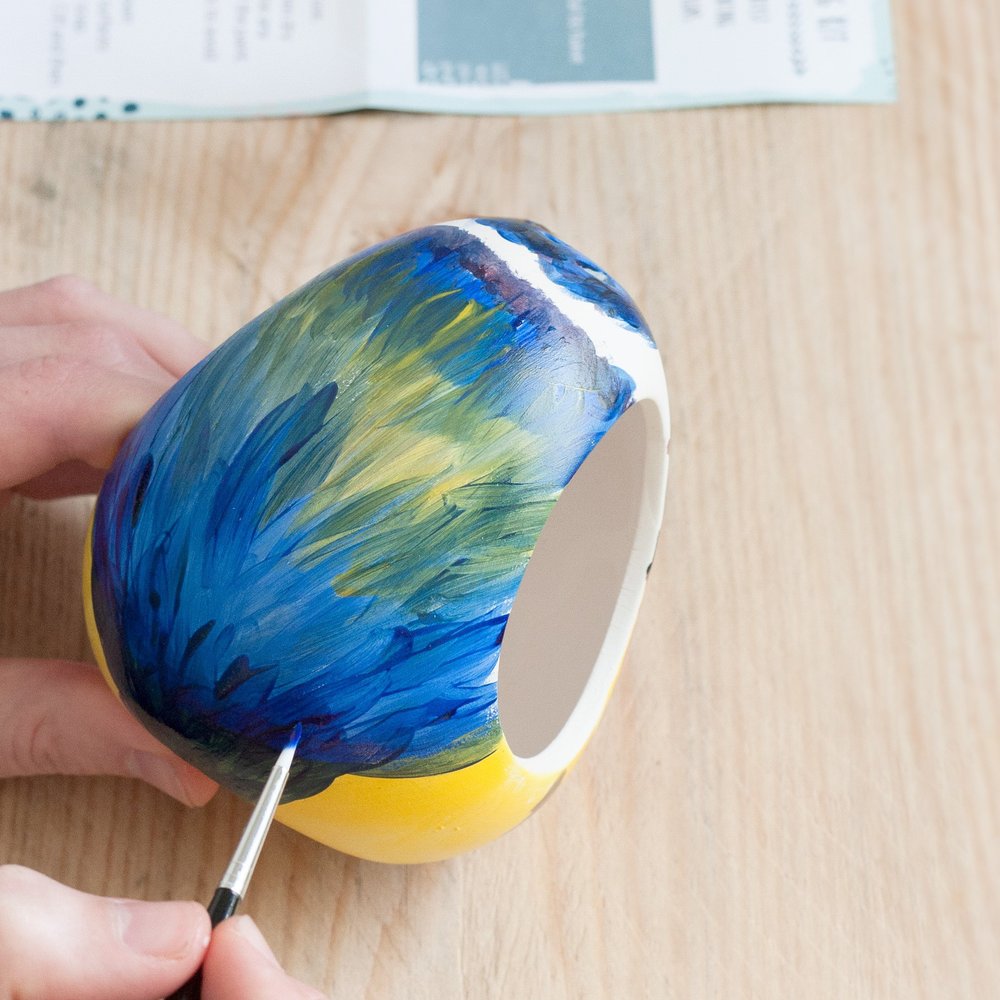
Brushes give you control, especially on small or detailed parts. They work well for applying paint precisely to corners and edges. However, brush strokes might show unless you use a high-quality brush and smooth strokes.
Spray paint covers quickly and evenly, creating a smooth finish that’s hard to achieve with brushes. But spraying requires more prep to avoid overspray and paint on unwanted areas. Consider your workspace and weather—wind can be a spoiler when spraying outdoors.
- Brushes: Great for detail and control
- Sprays: Perfect for speed and smoothness
Adding Patterns And Designs
Patterns add personality to your bird feeder and can be as simple or complex as you want. Use painter’s tape to create stripes or geometric shapes without mess. Stencils help if you want to try shapes like leaves, birds, or flowers.
Try layering colors for a unique effect—paint a base color, then add designs with contrasting shades. Do you enjoy a minimalist look or prefer bold, eye-catching art? Your feeder can reflect your style while attracting more feathered friends.
Drying And Curing Times
Painting bird feeders adds color and personality to your garden. Drying and curing times are key for a lasting finish. Proper drying ensures paint sticks well and protects wood or metal. Curing makes the paint tough enough to handle weather and bird activity.
Patience during this stage prevents peeling and chipping. Different paint types need different drying times. Outdoor paints often require longer curing for best results. Knowing safe waiting periods and avoiding toxic fumes keeps your birds and environment safe.
Safe Waiting Periods
Wait at least 24 hours for paint to dry completely. Some paints may need 48 to 72 hours to cure fully. Check the paint can for specific drying and curing times. Avoid touching or moving the feeder until paint feels dry. Longer curing periods improve durability against rain and sun.
- Acrylic paints dry faster, usually within 1 day.
- Oil-based paints need 2 to 3 days to cure.
- Enamel paints often take up to a week to fully cure.
Place the feeder in a dry, well-ventilated area while drying. Avoid humid or cold conditions that slow drying.
Avoiding Toxic Fumes
Paint fumes can harm birds and people. Use non-toxic, water-based paints made for outdoor use. Always paint in open air or well-ventilated spaces. Let the feeder cure fully before placing it outside for birds. Keep pets and children away during painting and drying.
- Wear a mask to protect yourself from fumes.
- Choose low-VOC or no-VOC paint options.
- Dispose of paint waste safely to protect the environment.
Proper ventilation reduces health risks and ensures the paint cures well. Safe painting means happy birds and a beautiful feeder for years.
Maintenance Tips
Painting bird feeders adds color and protects wood from weather. To keep painted feeders looking fresh, regular maintenance is key. Proper care extends the paint life and keeps birds safe.
Touch-ups And Repairs
Check feeders often for chipped or peeling paint. Small cracks or chips can let moisture inside. Use non-toxic, outdoor paint for touch-ups. Light sanding before painting helps the new paint stick better. Repair any broken parts quickly to avoid bigger damage. Keep your paint brushes and tools clean for smooth repairs.
Cleaning Painted Feeders Safely
Clean feeders regularly to remove dirt and bird droppings. Use a soft cloth or sponge with mild soap and water. Avoid harsh chemicals that can damage paint or harm birds. Rinse feeders well and let them dry completely. Clean feeders gently to protect the paint surface. This simple care keeps feeders safe and colorful.
Colors That Attract Birds
Colors can play a significant role in attracting birds to your backyard. Certain hues are more appealing to birds, making them frequent visitors. When painting bird feeders, choosing the right colors can make a big difference.
Popular Bird-friendly Colors
Birds are naturally drawn to bright and vibrant colors. These hues mimic the flowers and plants they find in nature. Here are some popular colors that attract various bird species:
- Red:Attracts hummingbirds with its striking brightness.
- Orange:Appeals to orioles and some finches.
- Yellow:Goldfinches and warblers love this sunny shade.
- Blue:Bluebirds and jays find this color inviting.
By using these colors, you can create a lively and bird-friendly environment.
Avoiding Harmful Shades
While some colors attract birds, others might deter them. Dark colors, like black or brown, can be less appealing. They might signal danger or camouflage from predators. It’s also important to avoid using paints with toxic chemicals. Birds may ingest paint chips, so choose eco-friendly, non-toxic paints.
By selecting safe and appealing colors, you can ensure a welcoming space for birds. Remember, the right color can enhance your bird feeder’s attractiveness.

Credit: www.birdwatchingdaily.com
Frequently Asked Questions
Can You Safely Paint Wooden Bird Feeders?
Yes, you can safely paint wooden bird feeders. Use non-toxic, water-based paints to protect birds. Avoid lead or oil-based paints, as they can harm wildlife and the environment.
What Type Of Paint Is Best For Bird Feeders?
Water-based, non-toxic acrylic paint is best for bird feeders. It is safe, durable, and weather-resistant. Always check labels to ensure the paint is bird-friendly.
How Often Should You Repaint Bird Feeders?
Repaint bird feeders every 1-2 years or when paint peels. Regular maintenance protects wood and keeps feeders safe for birds.
Can Painted Feeders Affect Bird Health?
Painted feeders are safe if non-toxic paints are used. Avoid toxic chemicals that can harm birds or contaminate food.
Conclusion
Painting bird feeders can brighten your outdoor space nicely. Choose safe, non-toxic paint to protect the birds. Avoid bright colors that might scare them away. Let the paint dry fully before hanging the feeder. Painted feeders last longer and look more inviting.
Enjoy watching birds visit your colorful feeder daily. Simple steps make a big difference for bird lovers. Try painting your feeder and see the joy it brings.




