
Have you ever wondered if you can put bird seed directly on the ground? Maybe you want to attract more birds to your yard or garden, but you’re not sure if scattering seed on the ground is a good idea.
The answer might surprise you. What if this simple choice could make a big difference in the types of birds that visit and how safe they are? Keep reading to find out everything you need to know before you spread that bird seed on your lawn.
Your feathered friends—and your outdoor space—will thank you.

Credit: www.reddit.com
Ground Feeding Basics
Placing bird seed on the ground is a simple way to invite a variety of birds into your outdoor space. Understanding the basics of ground feeding helps you create a safe and attractive environment for birds. It’s more than just scattering seeds; it’s about knowing which birds will visit, the benefits to both you and the birds, and avoiding common pitfalls that could discourage feathered guests.
Types Of Birds That Feed On Ground
Many birds prefer to feed on the ground, especially those that naturally forage for food there. You’ll often see sparrows, doves, juncos, and towhees picking up seeds from the soil or leaf litter. Larger birds like pigeons and quails are also common ground feeders.
Watching these birds can be quite rewarding. Have you noticed how sparrows seem to hop around with purpose, searching for scattered seeds? This behavior makes ground feeding perfect for attracting a wider variety of species than just feeders hanging in trees.
Benefits Of Ground Feeding
Ground feeding offers birds a natural way to eat, mimicking how they find food in the wild. It can reduce overcrowding at hanging feeders, lowering the risk of disease spread among birds. Plus, it helps you observe birds’ natural behaviors up close.
From your perspective, ground feeding is easier to set up and maintain. You don’t need special equipment—just a clean area to scatter seeds. This simplicity means more time enjoying birdwatching rather than dealing with complex feeder setups.
Common Ground Feeding Mistakes
One frequent mistake is scattering seed in areas with heavy foot traffic or predators like cats. Birds feel unsafe and avoid these spots, leaving your efforts wasted. Choose quiet, sheltered places where birds can eat undisturbed.
Another error is using the wrong type of seed. Some seeds don’t attract ground feeders, so you might see little action. Black oil sunflower seeds, millet, and cracked corn are better choices to keep ground feeders coming back.
Lastly, neglecting to clean the feeding area can cause mold and bacteria buildup. This harms birds and discourages visits. Regularly clearing old seed and droppings keeps the spot fresh and inviting.
Choosing The Right Bird Seed
Choosing the right bird seed is crucial if you want to attract birds safely and effectively to your yard. Not all seeds are created equal, and different birds have different preferences. Understanding which seeds work best for ground feeding birds can help you create a welcoming environment that keeps your feathered visitors coming back.
Seeds That Attract Ground Feeders
Ground-feeding birds love seeds that are easy to find and eat on the ground. Black oil sunflower seeds are a top favorite because they have a thin shell and high oil content, which gives birds plenty of energy. Millet is another excellent choice, especially for smaller ground feeders like sparrows and juncos.
Adding cracked corn can also attract larger ground feeders such as doves and pigeons. Have you noticed how quickly birds scatter when you throw out a handful of these seeds? It’s because they’re perfectly suited to ground feeding habits.
Avoiding Harmful Seeds
Not every seed is safe for birds, especially when placed on the ground where they might be exposed to mold or pests. Avoid seeds that have been treated with chemicals or pesticides, as these can harm birds. Also, steer clear of large seeds like whole peanuts or unhulled sunflower seeds which some ground feeders struggle to open.
One surprising fact: some seeds can ferment or grow mold quickly on the ground, especially in damp conditions. This can lead to illness in birds. Are you sure the seeds you’re using won’t cause more harm than good?
Seed Quality And Freshness
Freshness matters more than many people realize. Old or stale seeds lose their nutritional value and can repel birds with their musty smell. Always check the packaging date and store seeds in a cool, dry place to keep them fresh.
When I switched to fresh seed at my feeder, I noticed more birds arriving within days. Quality seed doesn’t just attract birds; it supports their health and encourages regular visits. How often do you refresh the seeds you scatter on the ground?
Safe Ground Feeding Practices
Feeding birds on the ground can be safe and enjoyable. It needs care to keep birds healthy. Choosing the right place and keeping it clean matters. Protecting birds from predators and pests is also key. These practices help birds eat safely and often return.
Selecting Feeding Spots
Pick a flat, open area for ground feeding. Avoid places near dense bushes or thick grass. Birds need clear space to see danger. A spot near trees or shrubs gives quick shelter. Make sure the ground is dry and not muddy. Change feeding spots regularly to prevent disease buildup.
Maintaining Cleanliness
Clean feeding areas often to stop mold and bacteria. Remove old seed and waste daily. Use a small rake or broom to clear the ground. Avoid overfeeding to reduce leftover seed. Wet seeds can rot and harm birds. Keeping the area tidy helps birds stay healthy.
Preventing Predators And Pests
Watch for cats, dogs, and other predators nearby. Place feeders away from spots where predators hide. Use feeders with covers or shelters for protection. Keep food off the ground if pests are a problem. Clean spills quickly to avoid attracting rodents. Safe feeding keeps birds safe and comfortable.
Seasonal Feeding Tips
Feeding birds on the ground can be rewarding, but your approach should change with the seasons. Each time of year brings different challenges and opportunities for both you and the birds. Adjusting your feeding habits helps support their health and encourages more visits throughout the year.
Feeding In Winter
Winter can be tough on birds because natural food sources are scarce. When you scatter seed on the ground during cold months, choose high-energy options like black oil sunflower seeds and peanuts. These seeds help birds stay warm and active.
Keep the feeding area clear of snow and ice. You might need to brush it away or add fresh seed frequently. Have you noticed that birds visit more often after a fresh layer of seed? That’s because they rely on you when nature can’t provide enough.
Feeding In Summer
Summer feeding requires a lighter touch. Birds have plenty of natural food, so put out smaller amounts of seed to avoid attracting pests like rodents. Try mixing seeds with dried fruit or mealworms to offer extra nutrition.
Place seed in shaded areas to keep it fresh longer. You can also experiment with scattering seed early in the morning or late afternoon when birds are most active. Have you ever watched how different birds show up at different times of the day?
Adjusting For Bird Migration
Migration seasons are a critical time for many bird species. During spring and fall, birds need extra fuel to complete their long journeys. Increase your seed offerings with nutrient-rich varieties such as safflower and millet.
Be mindful that migration periods vary by region and species. Observe your backyard visitors closely—are you seeing new or unusual birds? Adjust your feeding to support these travelers when they need it most.
Alternatives To Ground Feeding
Putting bird seed directly on the ground might seem like the easiest way to feed birds, but it isn’t always the best choice. There are smarter ways to offer food that protect both the birds and your outdoor space. Let’s look at some practical alternatives that keep your feathered visitors safe and healthy while making your yard inviting.
Using Feeders Safely
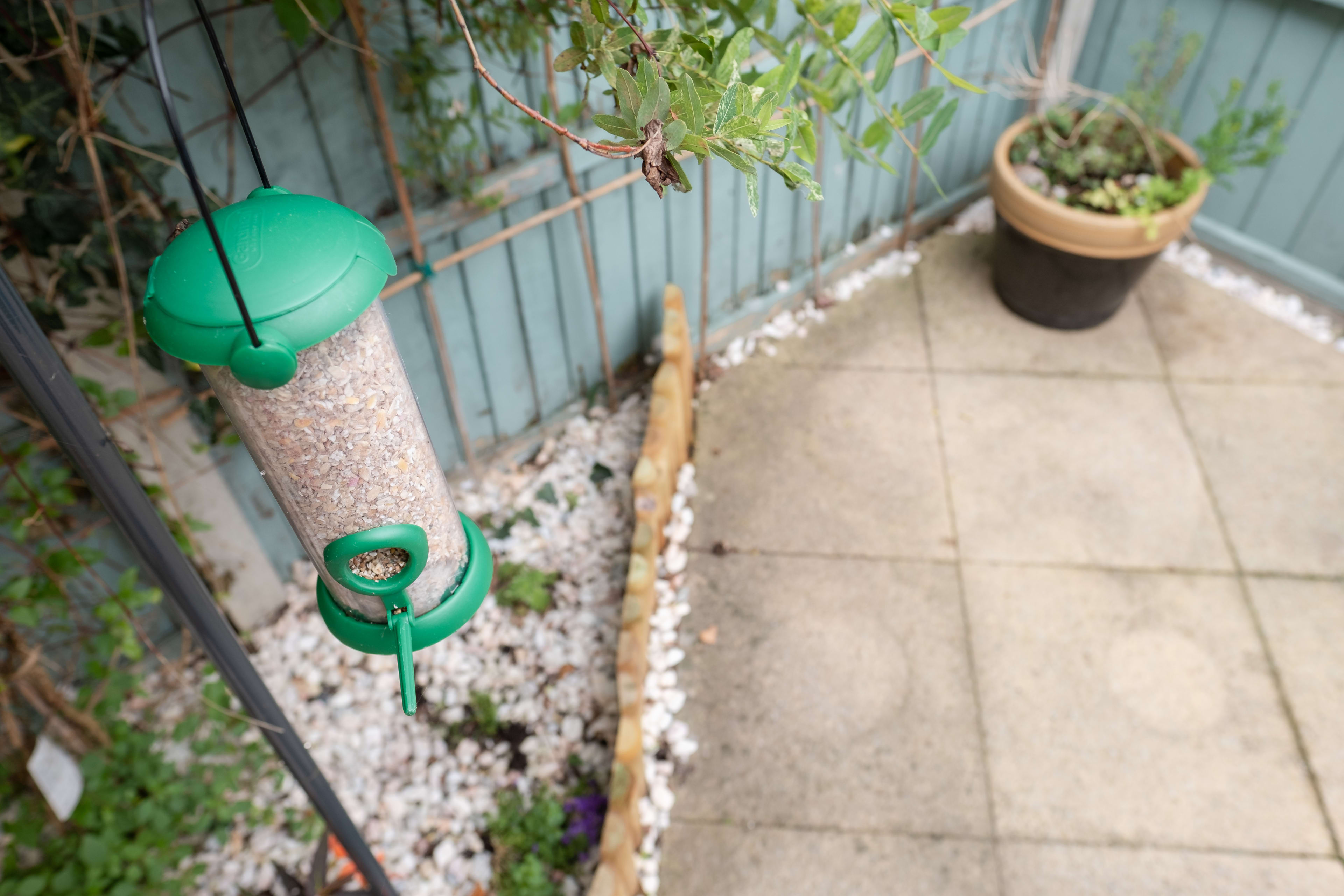
Feeders keep seeds off the ground and reduce the risk of attracting unwanted pests like rodents. Choose feeders designed to limit access to squirrels and other animals, such as those with weight-sensitive perches or cages.
Place feeders in spots visible to birds but away from dense bushes where predators might hide. Regularly clean your feeders to prevent mold and disease—this helps birds stay healthy and keeps your garden hygienic.
Natural Foraging Encouragement
Encouraging natural foraging helps birds find food in a way that suits their instincts and diets. Scatter seeds lightly on tree branches or shrubs where birds can pick them without the risk of ground contamination.
You might also consider planting native plants that produce berries and seeds. This approach supports local wildlife year-round and reduces your need to supplement their diet with seed.
Creating Bird-friendly Gardens
Design your garden to attract birds naturally by adding elements that provide shelter, food, and water. Shrubs, trees, and native flowers offer hiding spots and insect habitats, which many birds rely on.
Adding a clean water source, like a shallow birdbath, encourages birds to visit regularly. Think about layering your garden with plants that bloom and seed at different times to offer continuous food throughout the seasons.

Credit: www.birdwatchingdaily.com
Credit: dengarden.com
Frequently Asked Questions
Can I Safely Put Bird Seed On The Ground?
Yes, placing bird seed on the ground is safe for many bird species. Ground feeding attracts ground feeders like sparrows and doves. Avoid wet or moldy seed to prevent bird illnesses. Clean the area regularly to reduce pests and contamination.
What Types Of Birds Eat Seed From The Ground?
Ground-feeding birds include sparrows, doves, juncos, and towhees. These birds prefer seeds scattered on flat surfaces. Providing seed on the ground attracts a wider variety of birds. It complements feeders by serving species that don’t perch well.
Does Feeding Birds On The Ground Attract Pests?
Feeding on the ground can attract pests like rats, squirrels, and insects. To minimize pests, use fresh seed and clean up leftovers daily. Consider using bird seed blends less attractive to rodents. Proper maintenance helps keep pests under control.
How Often Should I Clean The Ground Feeding Area?
Clean the feeding area at least once a week to prevent mold and bacteria. Remove old seed and droppings regularly. This keeps birds healthy and reduces disease spread. A clean area also discourages pests and maintains a pleasant environment.
Conclusion
Putting bird seed on the ground can attract many birds to your yard. It offers easy access for ground-feeding birds like sparrows and doves. But watch for unwanted pests and keep the area clean. Using a mix of feeding methods helps protect birds and your garden.
Enjoy watching different birds come close and feel safe. Feeding birds this way supports local wildlife and brightens your outdoor space. Give it a try and see the variety of birds that visit. Simple steps make bird feeding both fun and safe.




