
Have you ever wondered if the bird feeders in your yard are actually helping the birds or causing them harm? It’s a question many bird lovers don’t stop to ask, but it’s important.
You want to provide a safe, healthy space for your feathered friends, right? What if something as simple as a bird feeder could have hidden risks you didn’t know about? Keep reading, because understanding the truth about bird feeders might change the way you care for your backyard visitors—and help you make the best choices for them.
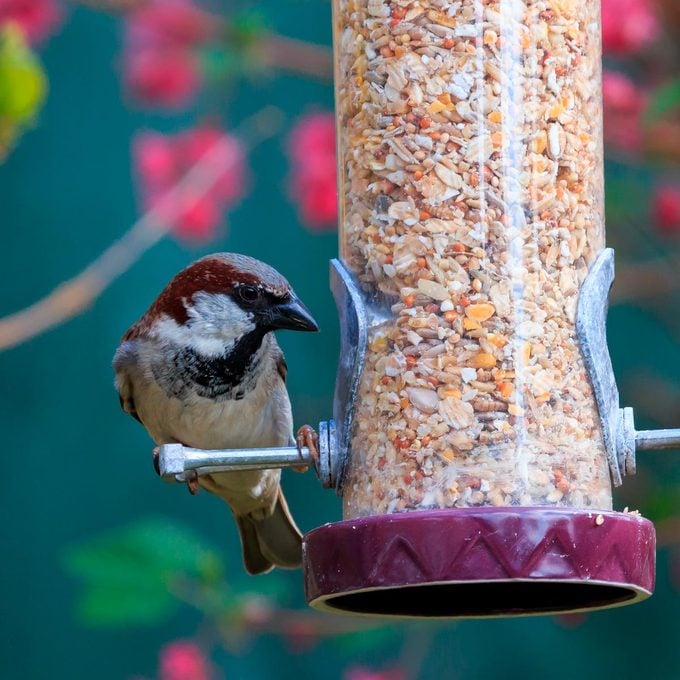
Credit: www.familyhandyman.com
Benefits Of Bird Feeders
Bird feeders often get mixed reviews, but they offer several clear benefits that support wild birds and enhance our connection to nature. They provide crucial resources during tough times and create opportunities for you to learn about and protect local bird species. Let’s look at some of the key advantages bird feeders bring to both birds and bird lovers alike.
Supplementing Natural Diets
Bird feeders add extra food sources that can be vital, especially in areas where natural food is scarce. You might notice more birds visiting your yard when you offer seeds, suet, or nectar, helping them maintain energy levels. This is particularly important during breeding season when birds need extra nutrition to raise their young.
Have you ever seen a bird struggle to find food in your neighborhood? Providing a feeder can make a real difference, ensuring they get enough to eat without relying solely on unpredictable natural supplies.
Supporting Birds In Harsh Weather
Cold winters and dry summers can make it hard for birds to find food. Feeders offer a dependable source of nourishment when insects and plants are less available. This support can improve their chances of survival through extreme weather conditions.
Imagine the relief birds feel when they find your feeder full during a snowstorm or drought. Your simple act of filling a feeder can be a lifeline that helps them endure challenging seasons.
Encouraging Birdwatching And Conservation
Having a feeder nearby invites more bird species to visit, giving you a front-row seat to observe their behaviors and colors. This close interaction often sparks interest in protecting birds and their habitats. Many birdwatchers start their conservation journey by simply watching birds at their feeders.
What could you learn about your local bird population by paying closer attention to who visits your feeder? This curiosity can lead to a deeper commitment to creating bird-friendly spaces in your community.
Potential Risks To Birds
Bird feeders bring joy and food to many birds. Yet, they also carry risks that can harm these creatures. Understanding these dangers helps us protect birds better.
Spread Of Diseases
Bird feeders can become places where diseases spread quickly. Sick birds leave germs on seeds and feeder surfaces. Healthy birds visiting the feeder can catch these illnesses. Regular cleaning of feeders reduces this risk significantly.
Attracting Predators
Feeders attract more than just birds. Predators like cats and hawks may watch feeders for easy prey. Birds feeding openly become targets. Placing feeders in safe, hidden spots can help keep birds safe.
Unnatural Diet Concerns
Birds need varied natural diets for good health. Feeders often offer limited food types, mainly seeds. Too much feeder food may cause nutritional problems. Mixing feeder food with natural foraging supports balanced diets.
Common Mistakes With Bird Feeders
Bird feeders can be a great way to enjoy nature up close. Yet, common mistakes can harm the very birds you want to help. These errors often come from simple habits and choices. Fixing them can make your feeder a safe spot for birds.
Improper Cleaning Habits
Dirty feeders spread diseases among birds. Mold and bacteria grow quickly on leftover seeds. Clean feeders regularly using hot water and mild soap. Rinse well to remove all soap. Let feeders dry completely before refilling.
Wrong Types Of Feeders And Seeds
Not all feeders suit every bird species. Some feeders attract pests or cause crowding. Using cheap or old seeds can harm birds. Choose feeders designed for the birds in your area. Provide fresh, high-quality seeds that birds prefer.
Poor Placement Issues
Placing feeders in unsafe spots puts birds at risk. Too close to windows can cause collisions. Near predators like cats or hawks increases danger. Choose a quiet, sheltered spot away from hazards. Ensure birds have nearby cover to escape quickly.
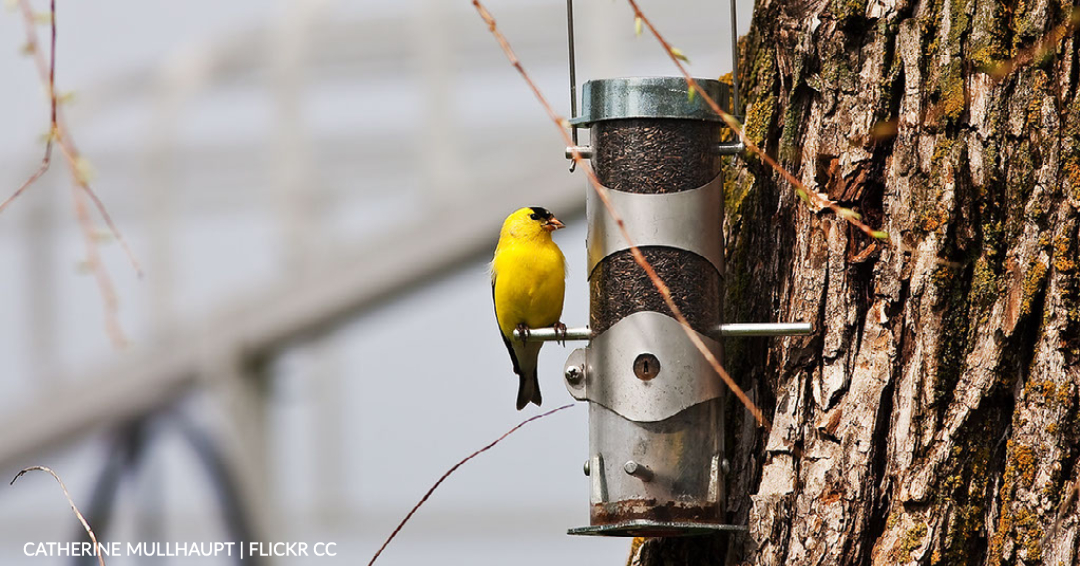
Credit: www.michiganaudubon.org
How To Make Bird Feeding Safe
Feeding birds can bring joy and help them during tough seasons. Yet, it needs care to avoid harm. Safe bird feeding supports their health and keeps them coming back.
Choosing The Right Feeders
Select feeders that fit the birds in your area. Use designs that keep seeds dry and prevent mold. Pick feeders with small ports for little birds. Avoid feeders that hold too much seed at once. This stops waste and reduces risk of sickness.
Maintaining Cleanliness
Clean feeders regularly to stop disease spread. Use hot water and mild soap for washing. Rinse well and dry before refilling. Remove old seeds and debris often. Clean feeding areas on the ground, too. This keeps birds safe and healthy.
Feeding Seasonally And Moderately
Feed birds mainly in winter or dry times. Birds find natural food in spring and summer. Avoid overfeeding to keep birds active hunters. Offer small amounts of seed daily. Change food type with seasons to match birds’ needs.
Alternatives To Traditional Bird Feeders
Traditional bird feeders can sometimes cause more harm than good, attracting pests or spreading disease among birds. Luckily, there are natural ways to support your local feathered friends that don’t rely on these feeders. These alternatives create a healthier environment, encouraging birds to thrive in your garden or backyard.
Planting Native Flora
Native plants provide birds with the natural food they need, such as seeds, berries, and insects. You might be surprised how quickly birds discover your garden when you add native shrubs or wildflowers. Unlike commercial feeders, these plants sustain birds year-round and support local ecosystems.
Think about adding berry-producing bushes like elderberry or serviceberry. They not only feed birds but also attract insects that birds love to eat. Have you noticed how a single native plant can bring a variety of birds to your yard?
Creating Natural Water Sources
Birds need fresh water for drinking and bathing, especially during hot or dry periods. A simple birdbath or a shallow dish filled with water can make a big difference. Make sure to change the water regularly to prevent mosquito breeding and keep it clean.
Adding rocks or twigs inside the water source gives birds a safe place to perch. If you have space, a small pond with gentle edges attracts even more species. Could your garden benefit from a natural water spot to welcome more birds?
Providing Shelter And Nesting Sites
Birds seek safe places to hide from predators and build nests. You can offer shelter with dense bushes, evergreen trees, or even piles of brush. These spots create a secure environment that traditional feeders can’t provide.
Installing birdhouses tailored to local species encourages nesting and increases bird visits. Different birds prefer different types of houses, so a little research can help you choose the right ones. Have you considered how shelter might be the key to turning your yard into a bird haven?
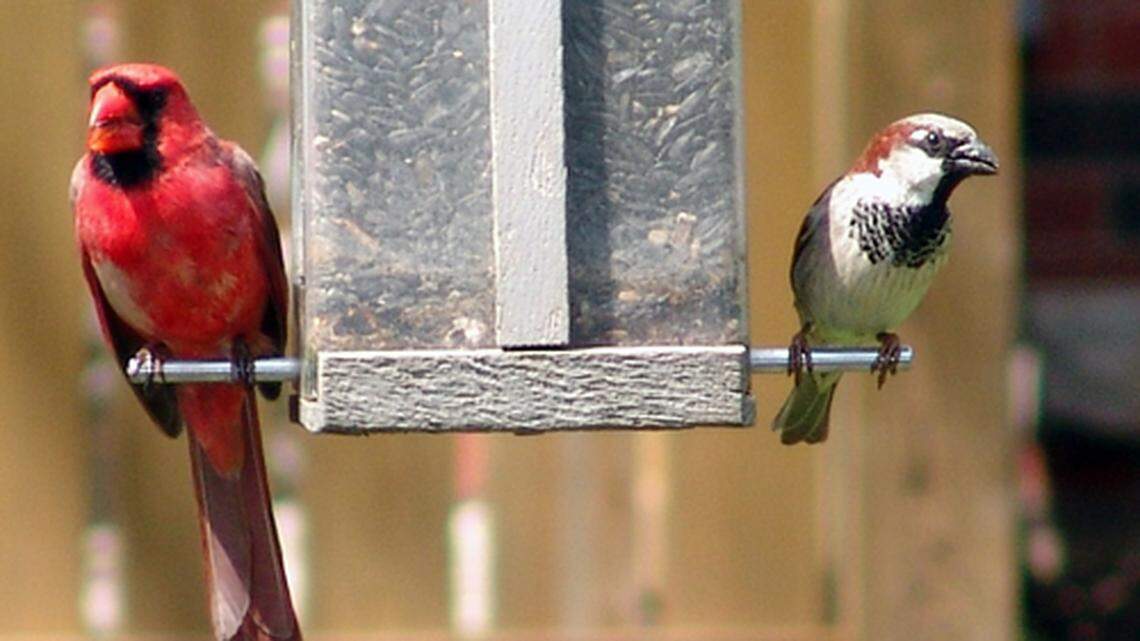
Credit: www.newsobserver.com
Frequently Asked Questions
Are Bird Feeders Harmful To Wild Birds?
Bird feeders can be safe if cleaned regularly and placed properly. Poor hygiene or bad placement can spread diseases or attract predators. Responsible feeding supports birds without harm.
How Do Bird Feeders Affect Natural Bird Behavior?
Bird feeders may alter bird foraging habits slightly but generally do not harm natural behaviors. They provide supplemental food, especially in harsh seasons, helping birds survive.
Can Bird Feeders Spread Diseases Among Birds?
Yes, dirty feeders can spread diseases like salmonella. Regular cleaning with hot water and disinfectant reduces infection risks, keeping birds healthy and safe.
What Foods Are Safe To Put In Bird Feeders?
Seeds like sunflower, millet, and nyjer are safe. Avoid bread or processed foods, as they provide little nutrition and can harm birds.
Conclusion
Bird feeders can help birds, but they also bring risks. Clean feeders often to stop disease. Use fresh food to keep birds healthy. Place feeders where birds feel safe from predators. Watch how birds act and change feeders if needed.
Feeding birds can be good if done with care. It helps birds during tough times. Careful feeding makes your garden a safe place for birds. Keep learning and adjusting to help birds thrive.




