
Have you ever stopped to wonder why birds and bees show off such bright and exotic colors? Those dazzling hues are more than just eye candy—they hold secrets about nature, survival, and even attraction.
Understanding these vibrant colors can change the way you see the world around you. Ready to discover why these creatures wear such striking colors and what it means for them—and for you? Keep reading, because the answers might surprise you.
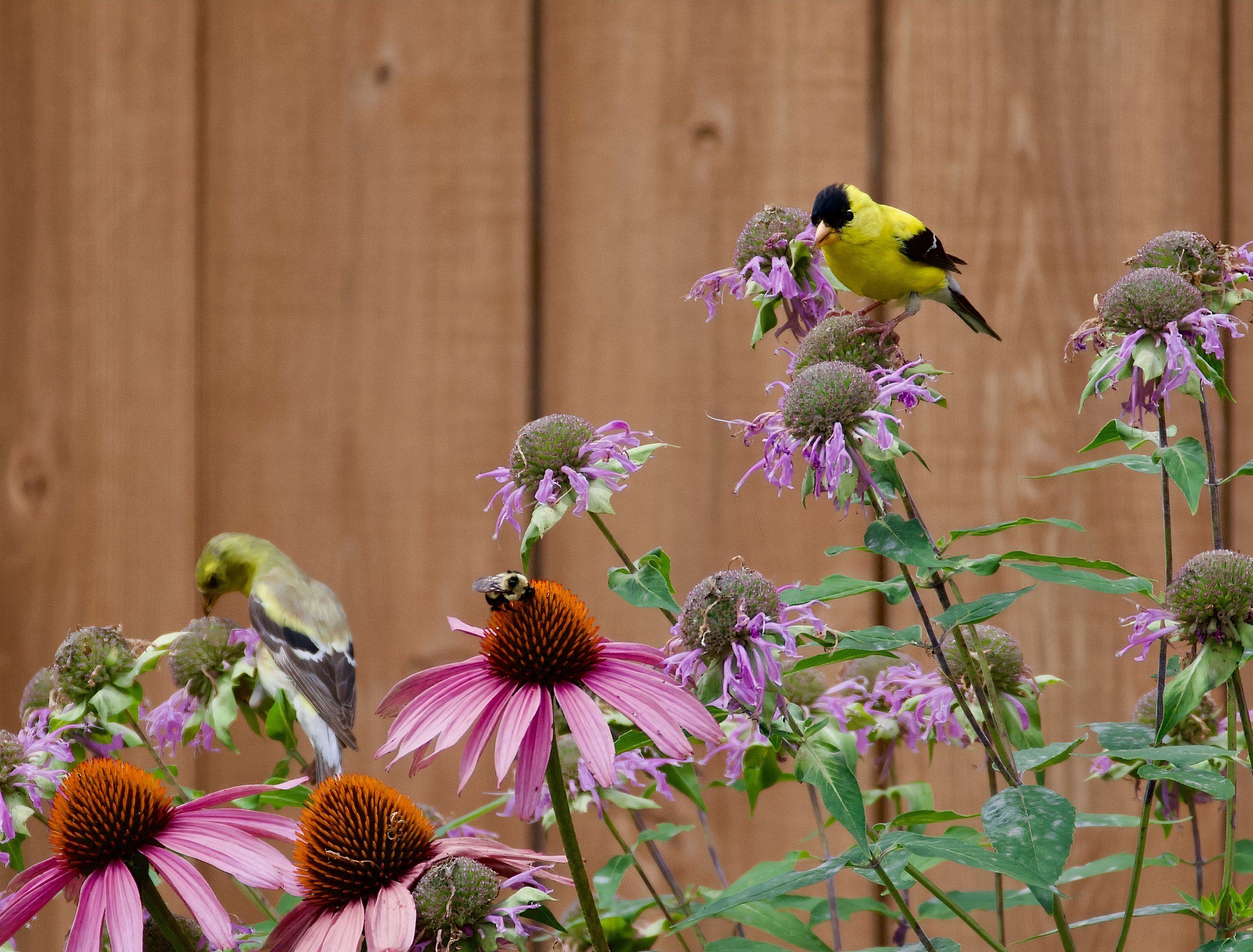
Credit: www.backyardboss.net
Colors In Nature
Colors in nature catch our eyes and make the world lively. Birds and bees often show bright, exotic colors that seem almost magical. These colors are not just for beauty. They serve important jobs in survival and communication. Understanding these colors helps us appreciate the wonders of nature.
Role Of Color In Survival
Colors help birds and bees stay safe and find food. Bright colors can warn predators that an animal is dangerous or tastes bad. Some birds use colors to attract mates. The most colorful birds often have better chances to find partners.
Colors also help with camouflage. Some bees and birds blend into flowers or leaves using their colors. This hiding skill protects them from enemies. Colors guide bees to flowers full of nectar. Nature uses color to support life in many ways.
Pigments Vs. Structural Colors
Colors come from two main sources: pigments and structures. Pigments are natural chemicals that absorb some light and reflect others. For example, melanin creates black or brown shades. Carotenoids produce reds, oranges, and yellows.
Structural colors appear when light hits tiny surfaces on feathers or skin. These surfaces reflect light in special ways. Blues and greens often come from structural colors. They can change with the angle of light, creating shimmering effects.
Both pigment and structure work together in birds and bees. This mix gives them their vivid, exotic look that stands out in nature.
Birds’ Vibrant Hues
Birds captivate us with their dazzling colors, making us wonder how such vivid hues come to be. These vibrant tones are not random; they serve important roles in the birds’ lives. Understanding the science behind their colors reveals how nature blends function and beauty seamlessly.
Feather Pigmentation
Bird colors often start with pigments in their feathers. Melanin gives shades of black, brown, and gray, while carotenoids create bright reds, oranges, and yellows.
Interestingly, birds cannot produce carotenoids on their own. They get these pigments from their diet, such as eating berries or insects. This means your backyard bird’s color can hint at what it’s been eating recently.
Iridescence And Light Reflection
Some birds seem to change color when they move or when the light hits them differently. This effect is due to iridescence, caused by microscopic structures in their feathers.
These structures reflect and bend light, creating shimmering blues, greens, and purples without pigments. Have you noticed how a hummingbird’s colors shift as it flutters? That’s iridescence in action.
Mating Signals And Attraction
Vibrant colors often play a key role in attracting mates. Bright feathers can signal health and vitality, increasing a bird’s chances of finding a partner.
Male birds usually sport the brightest colors to impress females. If you watch closely, you’ll see how a peacock fans its tail to showcase its colorful feathers, sending a clear message: “Look at me.”
Bees’ Bright Patterns
Bees wear bright colors that are more than just pretty. These patterns help them survive and thrive in nature. Their colors play a key role in how they find food, avoid danger, and talk to each other. Each color and pattern has a special meaning in the busy world of bees.
Understanding why bees have such bright colors shows us how nature uses color in smart ways. These patterns are not random; they serve clear purposes for bees and plants alike.
Color Vision In Bees
Bees see colors differently from humans. They can see ultraviolet light, which we cannot. This helps them spot flowers that have special UV patterns. These patterns guide bees to the best nectar and pollen.
Their color vision helps them find flowers quickly and avoid wasting energy. Bright colors and UV marks are like signs in a busy city, directing bees to food.
Warning Colors And Mimicry
Bees use bright colors as warning signals to predators. Yellow and black stripes tell animals to stay away. These colors mean “danger” or “I can sting.”
Some harmless insects copy these colors. This mimicry tricks predators into thinking they are dangerous too. Bright patterns help protect bees and their look-alikes from harm.
Pollination And Color Communication
Bees and flowers work together using color signals. Flowers show bright colors to attract bees. Bees visit flowers to collect nectar and pollen.
This color communication helps plants reproduce. Bees spread pollen from flower to flower. Bright colors make this teamwork easy and effective.
Evolutionary Benefits
The vibrant and exotic colors of birds and bees serve far more than just aesthetic purposes. These colors play a crucial role in their survival and reproduction, shaped by millions of years of evolution. Understanding the evolutionary benefits behind these hues helps you see nature’s design with new eyes.
Camouflage And Predator Avoidance
Colors can act as a shield. Some birds and bees blend seamlessly into their surroundings, making it hard for predators to spot them.
Take the hummingbird, for example. Its iridescent feathers reflect light differently depending on the angle, helping it disappear among flowers. Have you ever noticed how some bees’ yellow and black stripes warn predators to stay away? These colors are nature’s way of saying, “I’m not worth the risk.”
Species Recognition
Bright colors help animals find and identify their own kind quickly. This is especially important in dense forests or busy meadows where many species coexist.
Birds like the peacock use their vivid plumage to attract mates and signal fitness. Bees use color patterns to recognize members of their hive, ensuring cooperation and defense. How would you feel if you couldn’t tell friend from foe? Color helps solve that problem efficiently.
Environmental Adaptations
Colors also adapt to environmental conditions. Some birds change their feather hues with the seasons to stay hidden or attract mates at the right time.
Bees can see ultraviolet colors invisible to humans, helping them spot flowers rich in nectar. This specialized vision and coloration show how evolution fine-tunes species to their habitats. Could your own environment shape how you present yourself if you had millions of years to adapt?
Human Fascination With Colors
Colors grab your attention like nothing else. Have you ever stopped to wonder why the vibrant hues of birds and bees captivate you so deeply? It’s more than just beauty; these colors connect with your culture, spark scientific curiosity, and even inspire conservation efforts. Your fascination with these exotic colors reflects a deep human connection to nature’s artistry.
Cultural Significance
Colors hold powerful meaning in many cultures. Bright feathers of birds often symbolize freedom, courage, or spirituality in art and folklore. Think about the peacock’s feathers in Indian traditions or the hummingbird’s colors in Native American stories.
These colors influence your festivals, clothing, and even language. You might notice phrases like “as busy as a bee” or “bright as a cardinal” showing how colors shape everyday expressions. This cultural link keeps you emotionally connected to nature’s palette.
Scientific Inspirations
Scientists study bird and bee colors to understand evolution and survival. The exotic colors often serve purposes like attracting mates or warning predators. You can see how structural colors in feathers create iridescence that paints a rainbow effect without pigments.
This has inspired innovations in technology, such as creating color-changing materials or improving optical devices. Your curiosity about these colors fuels discoveries that impact fields beyond biology, including fashion and design.
Conservation Efforts
Your admiration for colorful birds and bees can drive real-world actions. Many conservation programs use the allure of these vibrant creatures to raise awareness and funding. Protecting their habitats ensures these colors don’t fade from our environment.
By learning about their colors, you become part of a community that values biodiversity. Have you ever supported a project because a bird’s color caught your eye? That simple attraction can lead to powerful conservation outcomes.

Credit: bybio.wordpress.com

Credit: www.peckperk.com
Frequently Asked Questions
Why Do Birds Have Vibrant Colors?
Birds have vibrant colors for attracting mates and signaling health. Bright feathers also help in camouflage and species recognition. These colors result from pigments and feather structures that reflect light uniquely.
How Do Bees Get Their Exotic Colors?
Bees display exotic colors due to light-reflecting hairs and pigments. These colors aid in species identification and communication within the hive. The hues also help bees blend into floral environments while foraging.
What Roles Do Colors Play In Bird And Bee Behavior?
Colors in birds and bees are crucial for mating, warning predators, and communication. They help species distinguish each other and facilitate survival strategies. Color patterns can also signal territorial boundaries and reproductive status.
Are Exotic Colors In Birds And Bees Genetically Inherited?
Yes, exotic colors in birds and bees are inherited through genetics. Specific genes control pigment production and feather or hair structure. These traits evolve to enhance survival and reproduction in their environments.
Conclusion
Bright colors in birds and bees serve many important roles. They help attract mates and warn predators to stay away. These colors also aid in finding food and blending into nature. Nature’s colors are not random—they have clear purposes. Understanding this helps us appreciate the beauty and function of these creatures.
Colors tell a story about survival and life. Such vibrant hues make the natural world more fascinating to watch and study.




