
Finding a baby bird that has fallen from its nest can be a scary experience. You want to help, but you might wonder, “What should I feed this tiny, fragile creature?” Feeding a baby bird the wrong food can do more harm than good.
That’s why it’s important to know exactly what your little feathered friend needs to grow strong and healthy. You’ll learn simple, safe ways to feed a baby bird and give it the best chance to survive. Keep reading—your quick actions could save a life.
Credit: besgroup.org
Identifying The Bird Species
Identifying the bird species is crucial before feeding a baby bird that fell. Different birds need different care and food. Knowing the species helps provide the right nutrition and increases the bird’s chance to survive. Observation of size, color, and beak shape can help identify the bird. Sometimes, the location where the bird was found gives important clues about its species.
Common Baby Bird Types
- Sparrows:Small, brownish with streaks on their feathers.
- Robins:Medium-sized, with reddish-orange breasts and gray backs.
- Blue Jays:Bright blue feathers with white and black markings.
- Finches:Small, often with colorful patterns and short, stout beaks.
- Pigeons:Larger, with plump bodies and grayish feathers.
Feeding Needs By Species
| Species | Diet | Feeding Tips |
|---|---|---|
| Sparrows | Insects, seeds, and soft fruits | Use small pieces of mealworms or soaked seeds |
| Robins | Worms, insects, and berries | Offer soft worms and mashed berries carefully |
| Blue Jays | Insects, nuts, and seeds | Provide finely chopped nuts and insects |
| Finches | Seeds and small insects | Use soaked seeds and tiny insects like fruit flies |
| Pigeons | Grains, seeds, and small fruits | Feed soaked grains and soft fruit pieces |
Assessing The Baby Bird’s Condition
Finding a baby bird on the ground can be worrying. Assessing its condition quickly is important. This helps decide the right care and food it needs. Observing the bird closely reveals clues about its health. Gentle handling keeps it calm and safe during the check.
Signs Of Injury Or Illness
- Look for cuts, bruises, or bleeding on the body.
- Check if the bird moves its wings and legs properly.
- Notice if the bird is weak or cannot stand.
- Watch for unusual breathing sounds or difficulty breathing.
- Observe the eyes and beak for swelling or discharge.
- See if the bird is silent or unusually quiet.
- Check for signs of dehydration like dry skin or sunken eyes.
When To Seek Professional Help
Call a wildlife rehabilitator or vet if the bird shows serious signs. Injuries like broken wings or heavy bleeding need expert care. If the bird is very weak or not eating, professionals can help. Illnesses need diagnosis and proper treatment. Do not try to treat sick or injured birds alone. Professionals have the right tools and knowledge. Early help increases the bird’s chances of survival.
Safe Temporary Housing
Providing safe temporary housing is crucial for a baby bird that fell from its nest. The right space protects the bird from harm and stress. It keeps the bird calm and ready for feeding. Safety and comfort come first. A quiet, warm, and secure place helps the baby bird stay healthy until professional help arrives or it can return to its natural home.
Creating A Comfortable Nest
Use a small box or container with soft materials. Line it with clean tissues, paper towels, or a soft cloth. Avoid anything that can hurt or tangle the baby bird. The nest should be cozy but not too tight. Ensure good airflow to prevent overheating. Place the nest in a quiet area, away from pets, loud noises, and direct sunlight.
Maintaining Proper Temperature
Baby birds need warmth to survive. Keep the nest temperature between 85°F and 90°F (29°C to 32°C). Use a heating pad set on low under half of the box. This allows the bird to move to a cooler spot if needed. Check the temperature often with a thermometer. Avoid hot or cold drafts. Warmth supports the bird’s growth and comfort during this fragile time.
Choosing The Right Food
Choosing the right food for a baby bird that has fallen from its nest is crucial to its survival and healthy growth. Baby birds have delicate digestive systems and specific nutritional needs that differ from adult birds. Feeding them the wrong food can cause more harm than good.
Natural Diet Components
Most baby birds thrive on diets rich in protein and moisture. Insects like mealworms, crickets, and small caterpillars provide essential proteins and fats. Soft fruits such as mashed berries or chopped apples add vitamins and hydration.
Try to mimic what their parents would feed them in the wild. For example, many songbirds rely heavily on insects during their early days. Have you noticed how birds constantly hunt bugs to feed their young? This natural instinct highlights the importance of protein-packed meals for baby birds.
Suitable Store-bought Alternatives
If you can’t find natural food, certain store-bought options can work well. High-quality, plain baby bird formula powders are available and designed to meet nutritional needs. These formulas dissolve in water to create a smooth, easily digestible food.
- Hard-boiled eggs mashed finely offer excellent protein and can be mixed with a bit of water for easier feeding.
- Soft dog or cat food (grain-free and without additives) can serve as a temporary protein source.
- Unsweetened canned fruits like peaches or pears can add moisture and some nutrients.
Always avoid bread, milk, or seeds, as they can cause digestive issues or malnutrition. When feeding a baby bird, how do you ensure the food is both safe and nutritious? Checking ingredient lists and choosing options made for baby birds or similar small animals is a good start.
Feeding Techniques
Feeding a baby bird that has fallen requires careful attention to how often and how much you feed it, as well as the tools and techniques you use. The right approach can make a huge difference in the bird’s survival and growth. Let’s look at some key feeding techniques that will help you provide the best care.
Frequency And Quantity
Baby birds need frequent feedings because they have tiny stomachs that empty quickly. Depending on the species and age, you might feed the bird every 15 to 30 minutes during daylight hours. Don’t overfeed; offering too much at once can cause choking or digestive problems.
Watch the bird closely after feeding. If it seems full and content, you’re likely providing the right amount. If it still appears hungry or keeps opening its mouth wide, you may need to increase the quantity slightly. How often do you think you can realistically commit to feeding a baby bird?
Proper Feeding Tools And Methods
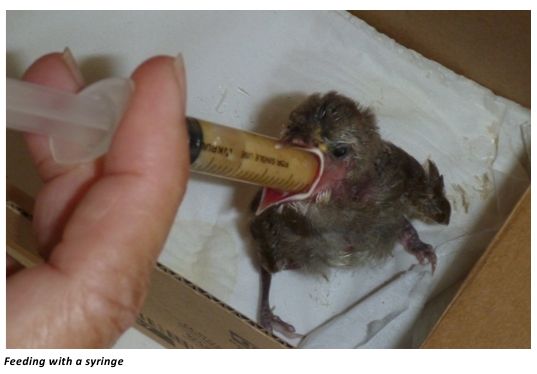
Using the right tools makes feeding safer and more effective. A small syringe without a needle or a specialized bird feeding spoon works well for most baby birds. Avoid using your fingers, as this can injure the bird or transfer harmful bacteria.
Hold the bird gently but securely. Tilt its head slightly upwards and place the food near its beak. Let the bird open its mouth and swallow at its own pace—never force food inside. Patience is key here; rushing can cause aspiration, which is dangerous.
One time, I tried feeding a tiny sparrow with a toothpick, and it didn’t go well—the bird refused to eat and looked stressed. Switching to a small syringe made all the difference. Have you ever tried feeding a baby bird? What tools did you find helpful?
Credit: www.petsradar.com
Hydration Tips
Baby birds need water mixed with soft foods like soaked dog kibble or baby cereal for hydration. Avoid giving plain water alone, as they may choke or get sick. Feed small amounts often to keep the bird healthy and hydrated.
Hydration is vital for a baby bird’s health and recovery. A young bird that has fallen from its nest might not have access to water. Ensuring proper hydration can make a big difference. Here are some tips to help you provide the right care.Providing Water Safely
Use a small, shallow dish for water. Ensure it is stable and won’t tip over easily. Avoid large containers. They can be dangerous for small birds. A clean dropper or syringe can also work well. Drip water gently onto the side of the bird’s beak. This encourages the bird to drink without causing stress. Always use clean, fresh water.Avoiding Common Hydration Mistakes
Do not force water into the bird’s mouth. This can lead to choking or drowning. Avoid giving milk or sugary liquids. Birds cannot digest these properly. Monitor the bird’s hydration closely. Look for signs of dehydration like sunken eyes or dry skin. If unsure, consult a wildlife expert for guidance.Monitoring Growth And Health
Watch the baby bird closely for signs of steady growth and good health. Feeding it the right food helps build strength and energy. Regular checks ensure the bird is thriving and ready to return to nature.
Monitoring the growth and health of a baby bird is crucial. Proper attention ensures the bird develops strong and healthy. Observing changes helps in making informed care decisions.Tracking Weight And Development
Regularly weigh the baby bird using a small, sensitive scale. Track its weight in a notebook. A healthy bird gains weight consistently. If weight stalls, reassess its diet and environment. Note feather growth and behavior changes. These indicators reveal if the bird is thriving.Recognizing Warning Signs
Watch for signs of distress or illness. Fluffed feathers, closed eyes, or lack of movement can signal problems. A healthy bird should be alert and active. Discharge from eyes or beak indicates possible infection. If you notice these signs, consult a wildlife expert immediately. Early intervention can save the bird’s life.Preparing For Release
Preparing a baby bird for release takes patience and care. The goal is to help the bird survive on its own outside. This process involves teaching essential skills and choosing the right moment to set it free. Every step matters for the bird’s success in the wild.
Building Survival Skills
Baby birds need practice to find food and avoid danger. Offer live insects or small pieces of fruit to encourage natural eating habits. Create a safe space where the bird can flap its wings and learn to fly. Let the bird explore under supervision to build confidence. Avoid feeding by hand too much. The bird should start feeding itself before release.
Choosing The Right Time To Release
Release the bird when it can fly well and eat on its own. Pick a calm day with mild weather, not too hot or cold. Choose a location near where the bird was found. Look for places with trees, bushes, and water. Release the bird early in the day to give it time to find shelter. Watch from a distance to ensure it adapts well.
Credit: www.petsradar.com
Frequently Asked Questions
What Is The Best Food For A Fallen Baby Bird?
The best food depends on the bird species. Generally, soaked dog or cat kibble, hard-boiled eggs, and mealworms are good options. Avoid bread or milk. Consult a wildlife rehabilitator for precise feeding advice.
How Often Should I Feed A Baby Bird?
Feed a baby bird every 15 to 20 minutes from dawn to dusk. As it grows, feeding intervals can be lengthened. Frequent feeding mimics natural parental care and ensures proper growth.
Can I Feed A Baby Bird Milk Or Bread?
No, never feed milk or bread to baby birds. Milk can cause digestive issues, and bread lacks nutrients. Stick to protein-rich, easily digestible foods for their health and development.
When Should I Contact A Wildlife Rehabilitator?
Contact a rehabilitator immediately if the bird is injured, weak, or unresponsive. Experts provide proper care, feeding, and release assistance. Quick action improves survival chances.
Conclusion
Feeding a baby bird that fell requires care and patience. Use soft, easy-to-digest foods suitable for its species. Keep the bird warm and safe while feeding. Avoid giving it harmful or processed foods. Offer small amounts often to mimic natural feeding.
Always handle the bird gently to reduce stress. Contact a wildlife expert for best advice and help. Helping a baby bird grow strong feels rewarding and kind. Small actions can make a big difference in its survival. Caring for wildlife teaches compassion and respect for nature.




