
Are you ready to see birds in stunning detail but unsure which binocular magnification is right for you? Choosing the best magnification can make all the difference between a clear, close-up view and a blurry, frustrating experience.
Whether you’re a beginner or a seasoned bird watcher, finding the perfect balance will help you enjoy every feather and color vividly. Keep reading to discover how to pick the ideal binoculars that match your bird watching style and needs.
Your next great bird sighting is just a decision away!
Magnification Basics
Understanding magnification is key to choosing the right binoculars for bird watching. Magnification tells you how much closer the binoculars will make the bird appear compared to the naked eye. But is higher always better? Let’s break down the basics to help you decide what fits your needs.
How Magnification Affects Viewing
Magnification changes your view in two major ways: size and stability. A higher magnification makes birds appear larger, which helps you see details like feather patterns or eye color more clearly. However, it also narrows your field of view, making it harder to track moving birds.
Another factor is image shake. The stronger the magnification, the more any hand movements will shake the image. Ever tried holding binoculars steady at 12x or 15x? It can be frustrating and tiring without a tripod or steady support.
So, what’s the balance? You want enough magnification to enjoy detail but not so much that your view becomes shaky or you lose track of birds easily. Think about where and how you watch birds—are you stationary or on the move?
Common Magnification Levels
| Magnification | Best For | Pros | Cons |
|---|---|---|---|
| 6x to 8x | Beginners, close-range birding |
|
|
| 8x to 10x | Most bird watchers |
|
|
| 12x and above | Experienced birders, long-distance viewing |
|
|
Think about your typical bird watching spots. Are the birds usually close by, or do you spot them far away? Your environment and how you hold your binoculars should guide your magnification choice more than any number on a box.
Ideal Magnification Range
Choosing the ideal magnification range for binoculars can make a huge difference in your bird watching experience. Too much magnification can make the image shaky and hard to follow, while too little might leave you wanting more detail. The sweet spot lies in a balance that offers clear views without compromising stability or comfort.
Balancing Detail And Stability
Higher magnification brings birds closer, revealing fine details like feather patterns and eye color. But with increased zoom, hand movements become amplified, causing a shaky image that strains your eyes. Have you ever tried to focus on a tiny bird with 15x magnification and ended up frustrated because the view kept bouncing around?
Most bird watchers find that magnifications between 7x and 10xstrike the right balance. This range provides enough detail to identify species clearly while keeping the image stable enough to track moving birds. If you’re using binoculars without a tripod, staying within this range helps you avoid fatigue and missed sightings.
Typical Bird Watching Scenarios
Think about where and how you usually watch birds. In dense forests or thick bushes, lower magnification (around 7x) works better because you often have to scan wide areas quickly. It’s easier to spot movement and locate birds without narrowing your field of view too much.
On open fields or when observing birds at a distance, 8x to 10x magnification can help you see details without losing stability. For example, when watching waterfowl on a lake or raptors soaring high, this range lets you catch those subtle behaviors and markings that help with identification.
What if you need more power? Magnifications above 10x are usually best paired with a tripod or monopod to keep the image steady. Otherwise, the shakiness can make bird watching more frustrating than fun.
Impact On Image Brightness
Image brightness is a key factor in bird watching binoculars. It affects how clearly you see birds, especially in different lighting conditions. The magnification level directly impacts this brightness. Higher magnification often means a dimmer image. Understanding how magnification and brightness relate helps choose the right binoculars.
Exit Pupil And Light Gathering
The exit pupil is the small circle of light you see when you hold binoculars away from your eyes. It shows how much light the binoculars send to your eyes. A larger exit pupil means brighter images. The exit pupil size equals the lens diameter divided by magnification.
- For example, 8×42 binoculars have an exit pupil of 5.25 mm (42 ÷ 8).
- 10×42 binoculars have an exit pupil of 4.2 mm (42 ÷ 10).
Binoculars with a bigger exit pupil gather more light. This helps in low light and makes bird details easier to see. Choosing the right exit pupil size balances brightness and magnification.
Best Settings For Low Light
In low light, brightness is critical. A larger exit pupil helps you see better at dawn or dusk. Lower magnification usually means a bigger exit pupil. This gives a brighter image.
Typical low light settings are 7x or 8x magnification with 42mm lenses. These provide a large exit pupil and clear, bright views. Avoid very high magnification as it reduces brightness and can make images darker.
Choosing binoculars with the right magnification and exit pupil size improves bird watching during early mornings or late evenings.
Field Of View Considerations
Field of view is an important factor in choosing binoculars for bird watching. It defines how much area you can see through the lenses at once. A larger field of view lets you see more birds without moving the binoculars. A smaller field of view shows less area but may bring objects closer in detail.
Balancing field of view with magnification helps you spot and follow birds better. It affects how easy it is to find birds and watch their movements. Understanding these aspects guides you to pick the right binoculars for your bird watching needs.
Wide Vs Narrow Views
A wide field of view shows a broad area. It helps to scan large spaces like open fields or forests. You can see more birds at once. This makes it easier to locate fast or small birds.
A narrow field of view focuses on a smaller area. It provides more detail on distant birds. You see birds clearly but need to move the binoculars more. Narrow views suit watching birds that stay still or perch far away.
Tracking Moving Birds
Tracking flying birds requires a wide field of view. It lets you follow birds as they fly across the sky. You can keep the bird in sight without moving the binoculars too much.
A narrow field of view makes tracking harder. Birds can quickly move out of view. You may lose sight and need to search again. Wide views reduce this problem and improve bird watching experience.
Portability And Weight
Portability and weight are key factors in choosing binoculars for bird watching. Heavy or bulky binoculars can tire your hands and neck quickly. Carrying lightweight binoculars makes long walks and hikes easier. It also helps you stay comfortable while observing birds for hours. Finding the right balance between size, weight, and magnification is important.
Effect Of Magnification On Size
Higher magnification usually means larger lenses and a bigger body. Bigger binoculars weigh more and can be harder to hold steady. Low to mid-range magnification keeps the binoculars compact and light. This makes them easier to carry and use for longer periods. Large binoculars may offer more zoom but can slow you down in the field.
Choosing Lightweight Options
Look for binoculars made with lightweight materials like aluminum or magnesium. Compact designs often weigh less and fit better in your backpack. Some models use high-tech glass to reduce weight without losing image quality. Try holding binoculars before buying to check comfort and balance. Lightweight binoculars help maintain focus and enjoy bird watching more.
:max_bytes(150000):strip_icc()/tal-opticron-oregon-4-pc-oasis-8x42-binocular-kathryn-braet-5-92012e7d06b945acbff37493422bab6a.jpeg)
Credit: www.travelandleisure.com
Additional Features To Enhance Bird Watching
Choosing the right magnification is vital for clear bird views. Extra features like image stabilization and wide lenses improve comfort and detail. These enhancements make spotting birds easier and more enjoyable.
When choosing binoculars for bird watching, magnification isn’t the only factor that can enhance your experience. Some additional features can significantly improve your bird watching adventures, making them more enjoyable and rewarding. Let’s explore some of these features that can make a real difference.Image Stabilization
Have you ever tried to focus on a fast-moving bird only to struggle with shaky images? Image stabilization is a game-changer. It reduces the impact of hand movements, providing a clearer and more stable view. This feature is particularly useful if you’re observing birds for extended periods or at higher magnifications. Imagine capturing the breathtaking details of a soaring eagle without the distraction of a shaky image.Waterproof And Fogproof Designs
Nature can be unpredictable, and bird watching often takes you into environments where weather conditions change rapidly. Waterproof and fogproof binoculars ensure that your equipment remains reliable, even in unexpected rain or misty conditions. These designs typically include sealed O-rings and nitrogen-purged lenses to prevent moisture from seeping in. Picture yourself in a dewy morning forest, confident that your view will remain crystal clear no matter the weather. Investing in binoculars with these features can elevate your bird watching experience, allowing you to focus more on the beauty of nature and less on equipment limitations. What features do you find essential in your bird watching adventures?Expert Recommendations
Bird watching is a fascinating hobby that connects us with nature. Choosing the right binoculars can enhance this experience. Experts have shared valuable insights to guide bird watchers. Understanding magnification is key to making the most of your bird watching adventures.
Top Magnification Choices
Experts often suggest binoculars with 8x or 10x magnification. These options provide a good balance between power and field of view. An 8x magnification offers a wider view, helpful for spotting birds in motion. A 10x magnification brings distant birds closer, perfect for detail-oriented birders.
Matching Binoculars To Experience Level
Beginners might prefer 8x magnification for ease of use. It’s lighter and steadier, reducing hand shake. This makes it easier to track fast-moving birds. Experienced bird watchers might enjoy the detail of 10x magnification. It requires a steadier hand but offers clearer views of distant birds.
Choosing the right magnification depends on your comfort and experience. Both 8x and 10x are popular choices among bird watchers. Try different options to find what works best for you.
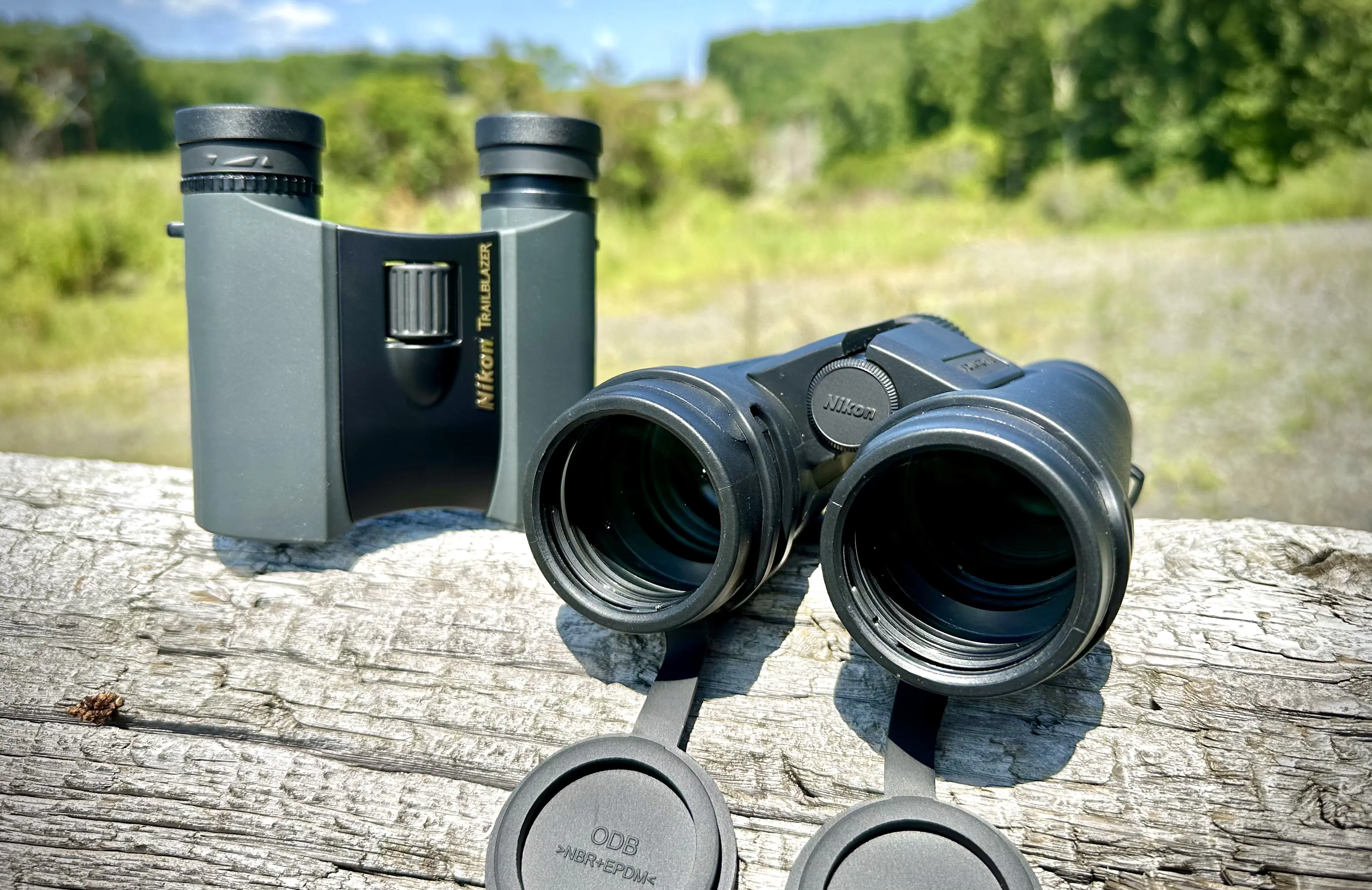
Credit: gearjunkie.com
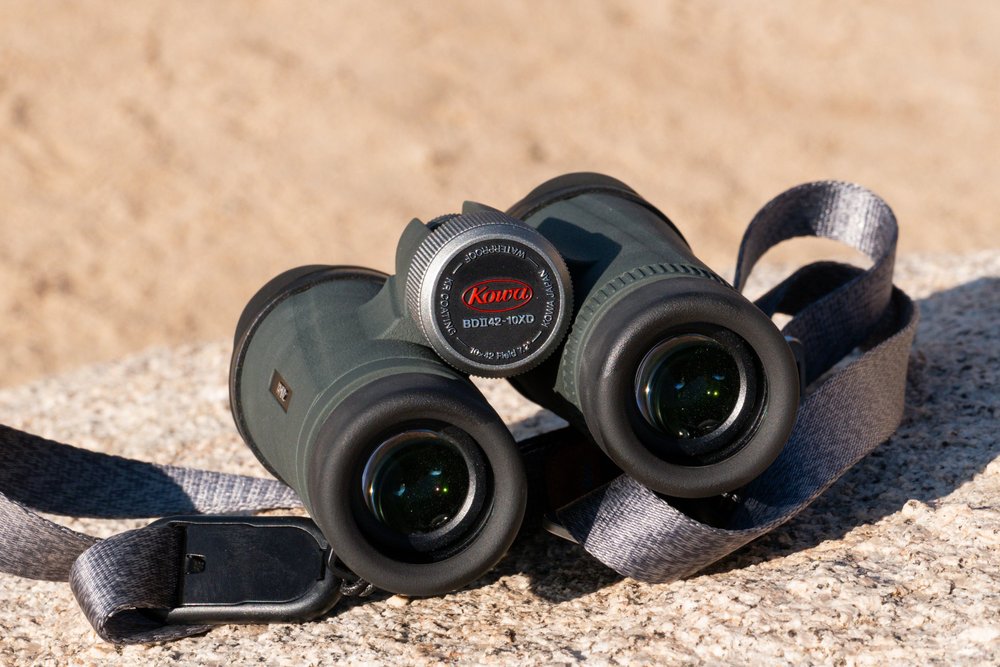
Credit: andrealikesbirds.com
Frequently Asked Questions
What Magnification Is Ideal For Bird Watching Binoculars?
A magnification of 8x to 10x is ideal for bird watching. It offers clear, stable images and a wide field of view. Higher magnifications can make the image shaky and narrow your view, making it harder to track birds.
Why Not Use Higher Magnification For Bird Watching?
Higher magnifications, like 12x or more, reduce image stability and brightness. They also narrow your field of view, making it tough to find and follow fast-moving birds. For comfort and ease, lower magnifications are preferred during bird watching.
How Does Magnification Affect Bird Watching Experience?
Magnification impacts image clarity, brightness, and field of view. Lower magnifications provide wider views and steadier images, essential for spotting birds. Higher magnifications offer detail but can be shaky and limited, reducing overall enjoyment.
Can I Use Variable Magnification Binoculars For Bird Watching?
Yes, variable magnification binoculars offer flexibility to adjust zoom. They help adapt to different bird sizes and distances. However, they can be heavier and more complex than fixed magnification models, which are simpler for beginners.
Conclusion
Choosing the right magnification makes bird watching more enjoyable. Too much zoom can make the image shaky and hard to see. A moderate magnification, like 8x or 10x, offers clear views and easy handling. It helps you spot details without losing sight of the bird.
Remember, comfort and clarity matter most. Pick binoculars that feel good and give sharp images. Happy bird watching!




