
Have you ever wondered what birds come to your hummingbird feeder besides hummingbirds? If you think only those tiny, colorful birds enjoy the sweet nectar, think again.
Your feeder might be attracting a surprising variety of feathered visitors. Discovering which birds drink from your hummingbird feeder can make your backyard moments more exciting and help you care for them better. Keep reading to find out who’s stopping by and what you can do to welcome them all.
Hummingbird Feeding Basics
Feeding hummingbirds is a simple joy that brings color and life to any garden. These tiny birds need nectar for energy. Providing the right nectar and feeder helps attract them safely. Understanding the basics of hummingbird feeding ensures you offer a healthy source of food. It also creates a welcoming environment for these delicate creatures.
Types Of Nectar Used
Hummingbirds prefer a sugar water mix similar to natural flower nectar. Use four parts water to one part white granulated sugar. Boil the mixture to dissolve the sugar and kill bacteria. Let it cool before filling the feeder. Avoid using honey, artificial sweeteners, or red dye. These can harm the birds. Change the nectar every few days to keep it fresh and clean.
Feeder Designs And Placement
Choose feeders with bright red parts to attract hummingbirds. Avoid feeders with yellow, which may attract bees and wasps. Look for designs that are easy to clean and refill. Place feeders in shaded areas to slow nectar spoiling. Hang them near flowers or plants where hummingbirds like to perch. Keep feeders away from windows to reduce bird collisions.

Credit: www.natureswaybirds.com
Common Hummingbird Visitors
Hummingbird feeders are magnets for several common species that brighten your garden with their swift movements and vibrant colors. Recognizing these visitors can enhance your experience and help you tailor your feeder setup to attract more of these tiny wonders. Let’s look at some of the hummingbirds you’re most likely to see sipping from your feeder.
Ruby-throated Hummingbird
The Ruby-Throated Hummingbird is the most familiar visitor in many parts of eastern North America. Males show off a striking, iridescent red throat patch that glistens in the sunlight, while females have a more subdued appearance. If you notice a quick, darting bird with a humming sound near your feeder, there’s a good chance it’s this species.
They prefer feeders with a simple sugar-water solution and often defend their feeding spots aggressively. Have you noticed one chasing others away? That’s typical Ruby-Throated behavior, showing how important your feeder is as a food source.
Anna’s Hummingbird
Anna’s Hummingbird is a year-round resident along the West Coast and often the first to arrive at feeders in early spring. Males have a brilliant rose-pink throat and crown, making them easy to spot. These birds are less territorial than Ruby-Throated hummingbirds and may share feeders more peacefully.
Adding native flowering plants alongside your feeder can keep Anna’s hummingbirds coming back. Have you tried planting California fuchsia or manzanita near your feeder? These plants provide extra natural nectar that these hummingbirds love.
Black-chinned Hummingbird
Black-Chinned Hummingbirds are common in the southwestern United States and parts of Mexico. Males feature a distinctive black throat with a purple base, which can appear to shimmer in the right light. They are agile feeders, often hovering with precision to sip nectar without landing.
This species is known for being quite adaptable, visiting feeders in urban and rural areas alike. If your feeder is in a sunny spot with some nearby cover, you might see the Black-Chinned hummingbird making regular stops. Could the location of your feeder be the key to attracting this species?
Unexpected Bird Guests
Hummingbird feeders attract more than just hummingbirds. Many other birds enjoy sipping the sweet nectar. These unexpected visitors can add excitement to your backyard. They bring variety and color beyond the tiny hummingbirds.
Some birds share the feeder without harming the hummingbirds. Others may visit briefly, then move on. Watching these surprise guests can be a real treat.
Orioles At The Feeder
Orioles love the same nectar as hummingbirds. Their bright orange feathers make them easy to spot. They prefer feeders with larger ports to fit their beaks. Orioles often visit feeders designed for them. But they sometimes try hummingbird feeders too. They drink the nectar slowly, enjoying every drop.
Warblers And Other Small Birds
Warblers are small, active birds that sometimes visit feeders. They enjoy sweet nectar and small insects nearby. These birds add quick movement and flashes of color. Other tiny birds may come to sip or hunt insects. They prefer feeders placed near shrubs or flowers.
House Finches And Sparrows
House finches and sparrows are common backyard visitors. They often explore hummingbird feeders out of curiosity. These birds can share the nectar but may be more aggressive. They sometimes perch near feeders waiting their turn. Their presence can make the feeder area lively and noisy.
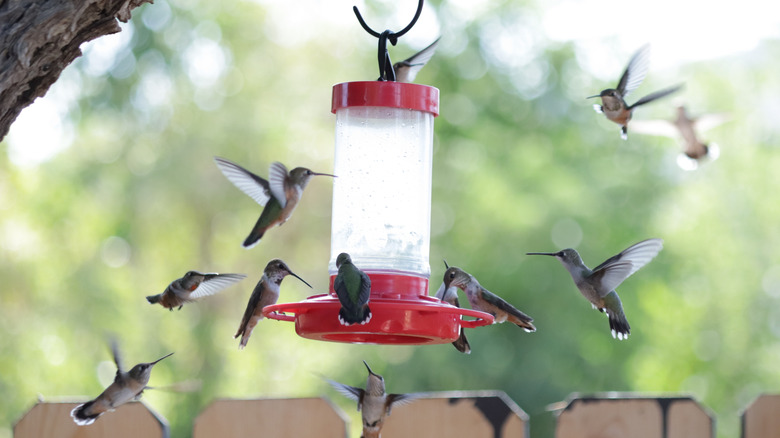
Credit: www.outdoorguide.com
Why Non-hummingbirds Visit
Hummingbird feeders often attract more than just hummingbirds. You might notice other birds stopping by, which can be surprising if you expected only tiny, brightly colored visitors. Understanding why non-hummingbirds visit can help you manage your feeder better and appreciate the variety of wildlife it brings.
Attraction To Sweet Nectar
Many birds are drawn to the sweet nectar in hummingbird feeders because it provides an easy source of energy. Sugar water is a quick fuel for birds, especially during migration or cold weather when natural food is scarce.
Species like orioles, woodpeckers, and even some warblers find the nectar irresistible. Their natural diets include sugary fruits or sap, so the feeder is a convenient supplement.
Have you ever noticed how some birds seem to linger longer or visit more often? That’s because the nectar offers a reliable energy boost they can’t easily find elsewhere.
Feeding Behavior And Adaptations
Not all birds can feed from hummingbird feeders the same way hummingbirds do. Some have adapted their feeding style to access nectar despite lacking a long, slender bill.
Woodpeckers and orioles, for example, might cling to the feeder’s sides or perch nearby, dipping their tongues or bills into the sugar water. Their strong feet and flexible necks help them reach spots that seem tricky at first.
This behavior shows how adaptable birds can be when food is available. Observing these feeding techniques can give you insight into bird behavior and how you might adjust your feeder’s placement or design.
Managing Feeder Visitors
Managing visitors at your hummingbird feeder is key to keeping your garden a peaceful haven for these tiny birds. While many creatures are attracted to the sweet nectar, not all guests are welcome. Knowing how to control who drinks from your feeder can help you enjoy more hummingbird sightings and fewer interruptions.
Preventing Unwanted Guests
Squirrels, ants, and bees often try to take advantage of hummingbird feeders. To stop squirrels, try adding a baffle above or below the feeder. This simple barrier confuses and blocks their path.
Ants can be kept away by applying a thin layer of petroleum jelly around the feeder’s hanger or using a water moat. Bees, attracted to the nectar, can be discouraged by placing bee guards or reducing the feeder’s sweetness slightly.
Ask yourself: what’s the most persistent visitor you’ve had at your feeder? Adjusting your setup based on their behavior can make a big difference.
Maintaining Feeder Cleanliness
Dirty feeders can harm hummingbirds and attract pests. Clean your feeder every three days with hot water and a mild soap. Avoid harsh chemicals—they can leave harmful residues.
Rinse thoroughly and let it dry completely before refilling. If you notice mold or fermentation, discard the nectar immediately. Your hummingbirds depend on fresh, safe nectar to stay healthy.
Balancing Access For Hummingbirds
Sometimes, larger birds like sparrows or orioles visit hummingbird feeders, monopolizing the nectar. To give hummingbirds priority, use feeders with smaller feeding ports designed for their tiny beaks.
Placing multiple feeders at different heights and locations can also help. This setup reduces competition and lets hummingbirds feed without stress.
Have you observed how your hummingbirds react when other birds appear? Adjusting feeder design and placement can create a welcoming space just for them.

Credit: stokesbirdingblog.blogspot.com
Seasonal Visitor Patterns
Observing birds at hummingbird feeders reveals fascinating seasonal patterns. Different species visit feeders at various times of the year. Understanding these patterns can enhance your birdwatching experience. Let’s dive into the intriguing world of seasonal visitor patterns.
Migratory Influences
Many birds migrate based on the seasons. Hummingbirds are famous for their long migrations. In spring, they travel north for breeding. In fall, they head south to warmer climates. These migrations influence which birds visit your feeders.
Other birds also follow seasonal paths. Warblers and orioles may stop by during their journeys. They seek energy-rich nectar to fuel their long flights. Keep your feeders full to attract these stunning travelers.
Feeder Activity Through The Year
Feeder activity changes throughout the year. In spring, expect a flurry of activity. Migrating birds return, eager to refuel. Summer brings a steady stream of visitors. Local birds and young fledglings explore the feeders.
Autumn sees another spike as birds prepare for migration. They need extra energy for their journey. In winter, activity slows but doesn’t stop. In warmer regions, some hummingbirds stay year-round. Keep your feeders available to support these hardy birds.
Frequently Asked Questions
What Birds Commonly Drink From Hummingbird Feeders?
Besides hummingbirds, orioles, bees, wasps, and ants often visit these feeders. Some small birds like finches may also sip nectar.
Can Other Birds Harm Hummingbird Feeders?
Larger birds like squirrels or aggressive birds may damage feeders. They can scare hummingbirds away and make feeding difficult.
How To Prevent Bees From Drinking Nectar?
Use bee guards or feeders with bee-proof ports. Placing feeders away from flowering plants helps reduce bee visits.
Are Hummingbird Feeders Safe For All Birds?
Feeders with sugar water are safe for hummingbirds and some birds. Avoid using honey or artificial sweeteners, as they harm birds.
Conclusion
Hummingbird feeders attract more than just hummingbirds. Many small birds enjoy the sweet nectar too. Orioles, warblers, and finches often visit these feeders. They find the sugary drink easy to eat. Keeping feeders clean helps all birds stay healthy. Watching different birds share a feeder brings joy.
Try placing feeders where birds feel safe. Enjoy the variety of birds that come by. Feeding birds can brighten your day. Simple steps can invite many feathered friends.




