
Are you ready to take your bird watching to the next level? Choosing the right binoculars can make all the difference between spotting a fleeting flash of feathers and enjoying a clear, close-up view of your favorite birds.
But with so many options out there, how do you know which binoculars are best for you? In this guide, you’ll discover exactly what to look for, so you can find the perfect pair that fits your needs, budget, and style.
Keep reading, and soon you’ll be seeing birds like never before.

Credit: www.amazon.ca
Choosing The Right Magnification
Choosing the right magnification is crucial for bird watching. It affects how clearly and comfortably you can observe birds in their natural habitat. The key is to find a balance that gives you enough detail without making the image shaky or hard to focus on.
Balancing Power And Stability
Higher magnification means you see birds closer, but it also makes the image less stable. If you try to hold binoculars with 12x or 15x magnification steady, even slight hand movements cause the view to shake.
Most bird watchers find that magnifications between 7x and 10x provide the best balance. At 8x magnification, you get a clear, stable picture that is easy to hold without a tripod. Have you noticed how your hands start to tire when using stronger zoom for a long time? That’s a good sign to stick with moderate power.
Ideal Range For Bird Watching
Birds rarely stay still at close range. You often spot them between 30 and 100 yards away. Magnifications around 8x to 10x are ideal for this range, offering enough zoom to see details without losing the wider field of view.
Choosing too high magnification can also narrow your field of view, making it harder to track moving birds. Imagine trying to follow a quick sparrow through dense branches with a tiny window of vision—it’s frustrating and easy to lose sight.
Think about the types of birds you want to watch and their typical distances. If you mostly watch small birds nearby, 8x works great. For distant waterfowl or raptors, 10x might be better without sacrificing stability.
Lens Diameter And Brightness
Lens diameter plays a key role in bird watching binoculars. It determines how much light enters the binoculars. More light means a brighter image. Brightness affects how well you can see birds, especially in different lighting conditions. Choosing the right lens diameter helps balance weight and image quality. Let’s explore how lens diameter impacts image clarity and performance in low light.
Impact On Image Clarity
Larger lens diameters capture more light. This leads to clearer and sharper images. Small lenses might make images look dim or fuzzy. Big lenses improve detail and color accuracy. Clear images help spot birds quickly. But very large lenses can make binoculars heavier and harder to carry.
Performance In Low Light
Bright images are important at dawn or dusk. Bigger lenses bring in more light. This helps see birds in shadows or cloudy weather. Small lenses struggle in low light and may cause eye strain. Binoculars with wider lenses perform better during early morning or late evening bird watching.
Field Of View And Its Importance
The field of view is a key feature in bird watching binoculars. It shows how wide an area you can see through the lenses. A larger field of view helps you scan the sky or trees faster. This makes spotting birds easier and more enjoyable. Understanding the field of view helps you pick the right binoculars for your bird watching trips.
Spotting Birds Quickly
A wide field of view lets you see more at once. It helps you find birds faster, especially small or fast-moving ones. You don’t need to move the binoculars too much. This saves time and effort during bird watching. Quick spotting means less chance of missing a rare bird.
Wide Vs Narrow Views
Wide views show a bigger area but with less detail. They are good for beginners and open spaces. Narrow views show less area but with more detail. They are better for focused viewing, like watching a single bird.
- Wide view: Easier to scan, good for active birds.
- Narrow view: Better for detailed observation, good for stationary birds.
Choose the field of view based on where and how you watch birds. Open fields need wider views. Dense forests may benefit from narrower, detailed views.
Weight And Comfort For Long Use
When choosing binoculars for bird watching, weight and comfort are crucial for long-term enjoyment. Imagine spending hours in the field, your eyes glued to the sky, only to be hindered by uncomfortable binoculars. The right pair should feel like an extension of your senses, not a burden on your neck or hands.
Ergonomic Designs
Look for binoculars with ergonomic designs tailored for comfort. Some models feature finger indents or textured grips that provide a better hold. Consider how the binoculars fit in your hands—do they feel natural?
Many bird watchers swear by models with adjustable eyecups. These allow you to customize the fit, especially if you wear glasses. Try different designs to find what feels right for you.
Material Considerations
The materials used can significantly impact the weight and comfort of your binoculars. Lightweight materials like magnesium or polycarbonate make for easy carrying during long treks. They ensure durability without adding unnecessary heft.
Rubber armor coating adds a layer of comfort by providing a soft touch and extra grip. This feature is particularly useful in wet conditions, preventing slippage. Wouldn’t you prefer something that feels secure in your hands, even when the weather isn’t cooperative?
Finding the perfect balance between weight and comfort can transform your bird watching experience. Choose thoughtfully to ensure your adventures are about the birds, not your gear’s discomfort.
Waterproof And Fogproof Features
Waterproof and fogproof features are essential for bird watching binoculars. Birds often appear in damp and misty environments. Binoculars with these features help you see clearly in such conditions. They protect lenses from water damage and prevent fog from forming inside. These traits improve your viewing experience and extend the life of your binoculars.
Weather Resistance Benefits
Weather resistance keeps binoculars safe in rain, snow, and humidity. It stops water from entering the body and damaging internal parts. This means your binoculars work even during wet weather. Fogproof lenses maintain a clear view by stopping moisture buildup inside. Clear images help you spot birds quickly and easily. Weather-resistant binoculars also last longer, saving money in the long run.
Sealing Technologies
Sealing technologies use special materials to block water and air. O-rings create tight seals around moving parts and lens joints. Nitrogen or argon gas fills the binoculars to keep moisture out. These gases prevent fogging inside the lenses during temperature changes. Good seals keep dust and dirt from entering as well. Strong sealing technology ensures binoculars remain reliable in tough outdoor conditions.
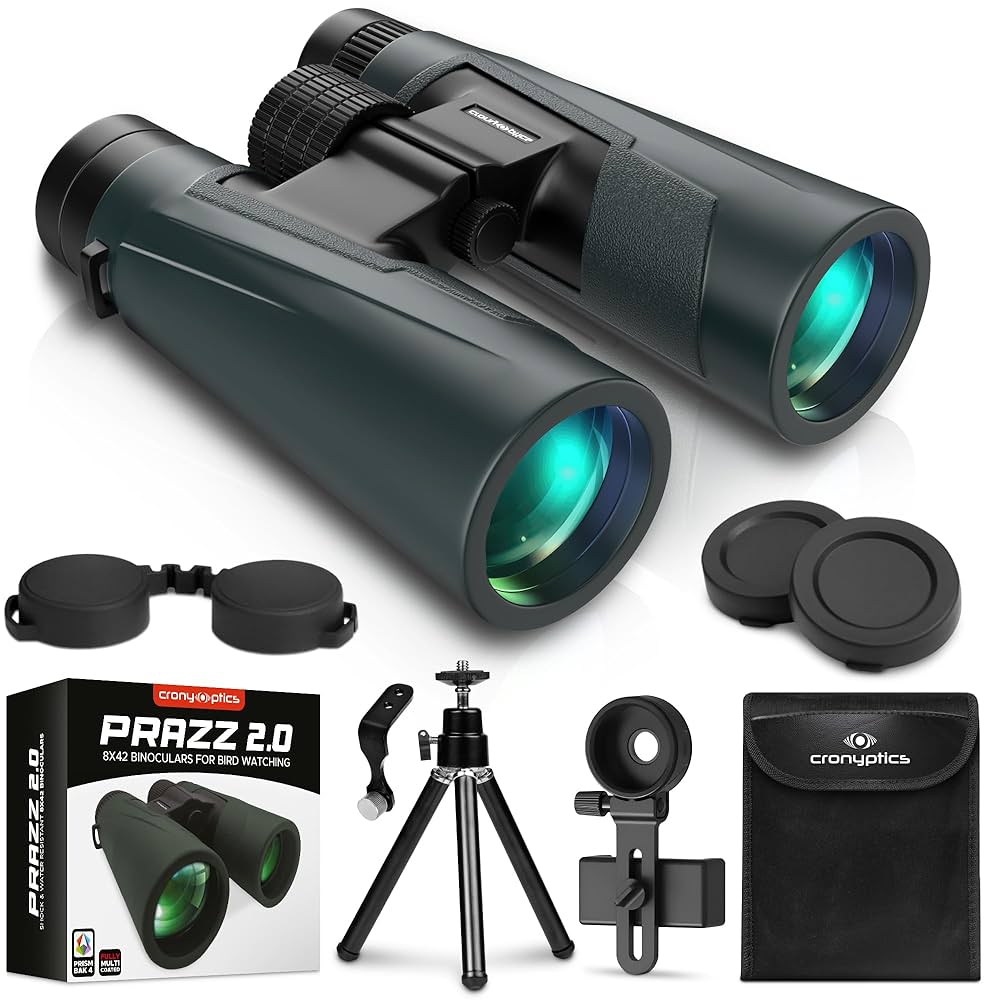
Credit: www.amazon.com
Popular Binocular Brands For Birders
Choosing the right binocular brand can make a big difference in your bird watching experience. Some brands are known for their durability, others for sharp optics or ergonomic design. Knowing which brands birders trust helps narrow down your choices and ensures you get the best value for your money.
Top Rated Models
Certain models stand out because they combine clarity, comfort, and reliability. The Vortex Viper HDis popular for its crisp images and wide field of view. Many birders praise its rugged build and fog-resistant lenses, making it great for outdoor use.
The Nikon Monarch 7
Another favorite is the Zeiss Terra ED. It delivers sharp detail and true-to-life colors, which helps identify birds from a distance. Although a bit pricier, many find the investment worth the consistent performance.
Budget Vs Premium Options
You might wonder if spending more always means better binoculars. Budget options like the Bushnell Falconcan still offer decent views for beginners. They are lightweight and affordable, making them a good choice if you’re just starting out or bird watching casually.
On the other hand, premium models come with advanced lens coatings and durable materials. This usually translates to sharper images and longer-lasting gear. If you plan to bird watch frequently or in tough conditions, premium options might save you money over time by lasting longer.
Think about how often you’ll use your binoculars and where. Are you hiking rough trails or watching birds in your backyard? This will help you decide if a budget-friendly or premium pair fits your birding lifestyle better.
Additional Features To Consider
Choosing the right binoculars for bird watching involves more than just magnification and lens size. Several additional features can enhance your bird-watching experience. These features ensure comfort, ease of use, and better performance in the field.
Eye Relief For Glasses Wearers
Eye relief is the distance between your eye and the binocular lens. It’s crucial for glasses wearers. Longer eye relief means a wider field of view without straining. Look for binoculars with at least 15mm of eye relief. This ensures a clear view even with glasses on.
Focus Mechanism Types
Binoculars come with different focus mechanisms. The most common are center focus and individual focus. Center focus binoculars have a single control to adjust both eyes. They are suitable for quick adjustments. Individual focus binoculars have separate controls for each eye. They offer precision but take more time to adjust. Choose based on your preference and bird-watching needs.
Tips For Testing Binoculars Before Buying
Choosing the right binoculars for bird watching is more than just picking the best-looking pair. Testing them before buying ensures you get the clarity, comfort, and durability you need in the field. Here are some practical tips to help you evaluate binoculars effectively, whether you’re shopping in a store or online.
What To Look For In A Store
Hold the binoculars up to your eyes and check how comfortable they feel. Are the eyecups adjustable? Can you easily focus without straining your hands or eyes? Comfort matters because you’ll be holding them for long periods.
Look through the binoculars at different distances. Are the images sharp and bright? Try spotting a bird or a distant object and observe if the view stays steady when you move.
Test the weight and balance. Heavy binoculars can tire your arms quickly. Does the weight feel manageable for your usual bird watching trips?
- Adjust the interpupillary distance (the space between the lenses) to match your eyes.
- Check the field of view – wider views help you spot birds faster.
- Inspect the build quality – robust materials often mean longer-lasting gear.
Online Purchase Considerations
Buying binoculars online can be tricky since you can’t physically test them first. Look for sellers that offer a return policy or trial period. That way, you can test the binoculars at home without risk.
Read user reviews carefully. Look for comments about clarity, comfort, and durability. Pay attention to repeated issues or praise to gauge real performance.
Compare specifications side by side. Focus on key features like magnification, objective lens size, and waterproof rating. Don’t forget to check if the binoculars come with accessories like neck straps or carrying cases.
Ask yourself: How confident do you feel about the brand and model after reading reviews? Can you easily return or exchange the binoculars if they don’t meet your expectations?

Credit: www.ebay.ca
Frequently Asked Questions
What Magnification Is Best For Bird Watching Binoculars?
A 8x or 10x magnification is ideal for bird watching. It offers a clear, stable view without much shaking. Higher magnifications may be harder to hold steady and have a narrower field of view.
Which Objective Lens Size Suits Bird Watching?
A 32mm to 42mm objective lens is perfect for bird watching. It balances brightness and portability well. Larger lenses gather more light but add weight, while smaller ones are compact but less bright.
Should I Choose Waterproof Binoculars For Bird Watching?
Yes, waterproof binoculars are highly recommended. Birds are often found near water or in damp environments. Waterproofing protects your binoculars from rain, fog, and accidental splashes, ensuring durability.
How Important Is Lens Coating In Bird Watching Binoculars?
Lens coating is very important as it improves light transmission. It reduces glare and enhances image brightness and contrast. Fully multi-coated lenses provide the best clarity for bird watching.
Conclusion
Choosing the right binoculars makes bird watching more fun and clear. Think about size, weight, and lens quality first. Good binoculars help you see birds up close without disturbing them. Comfort matters too, especially for long trips outdoors. Take your time to compare options and read reviews.
The best pair fits your needs and budget well. Enjoy nature’s beauty with the right gear. Happy bird watching!




