
Are birds constantly gathering around your house, making a mess and causing frustration? You’re not alone.
Birds can be charming, but when they start nesting on your porch or leaving droppings on your windows, it quickly becomes a problem you want to solve. What if you could gently and effectively encourage them to move on without harming them or your property?
You’ll discover simple, practical ways to get rid of birds around your house for good. Keep reading, because the solution might be easier than you think—and your home will thank you for it.
Common Bird Problems At Home
Birds can be a common sight around many homes. While some bring beauty, others cause problems. These issues affect comfort, safety, and property. Knowing the common bird problems helps you manage them better. Birds often nest in unwanted areas and create noise. Their droppings can stain walls and surfaces. Some birds also attract pests or spread diseases. Understanding these problems is the first step to keeping your home safe and clean.
Types Of Birds That Cause Issues
Several bird species often cause trouble near houses. Pigeons are one of the most common nuisances. They gather in large groups and leave droppings everywhere. Sparrows also cause damage by nesting in vents and gutters. Starlings are noisy and aggressive, often scaring away other wildlife. Seagulls can be a problem near coastal homes. They are loud and leave droppings on cars and roofs. Each bird species has unique behaviors that create specific issues.
Damage And Health Risks
Birds can damage homes in many ways. Their droppings are acidic and can corrode building materials. Nests block gutters and vents, causing water damage or poor ventilation. Birds peck at wood and siding, leading to costly repairs. Health risks come from droppings and feathers. They can carry bacteria, fungi, and parasites harmful to humans. Bird mites and ticks sometimes infest homes. Cleaning bird droppings safely is important to avoid infections.
Credit: www.crittercontrol.com
Preventing Birds From Nesting
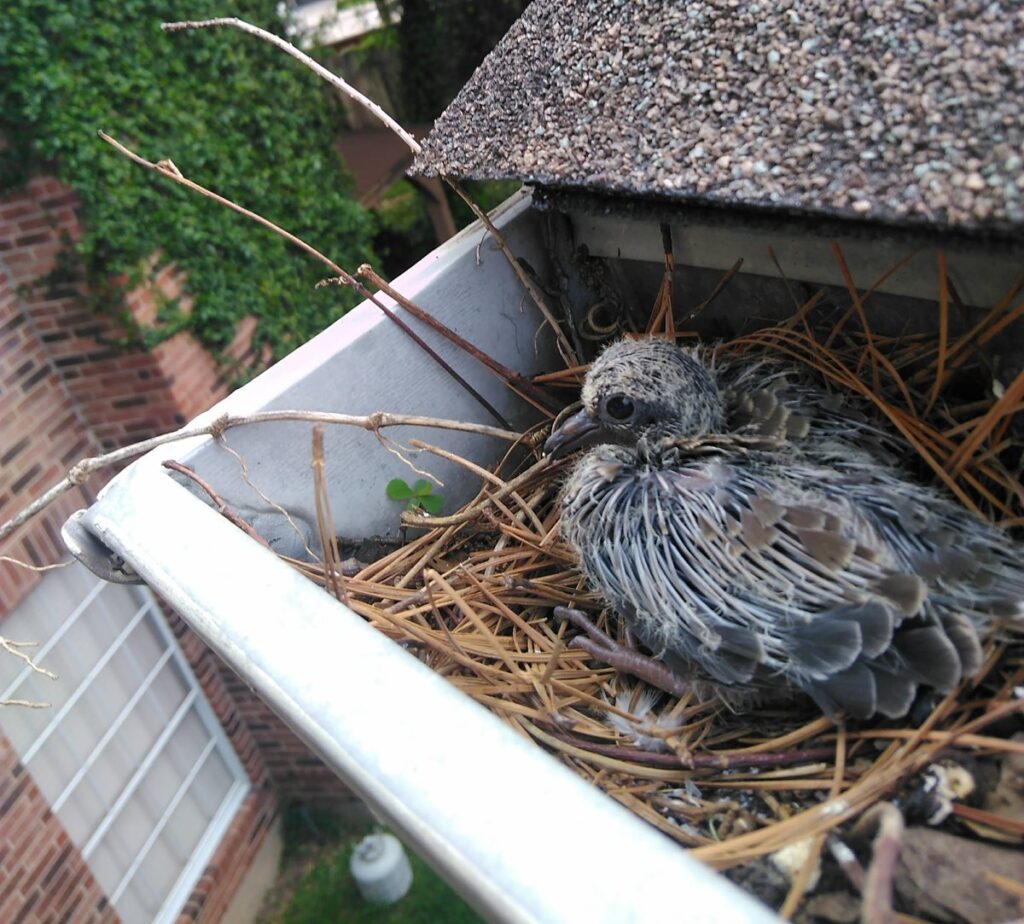
Preventing birds from nesting around your house stops problems before they start. Birds build nests in hidden, quiet places. Blocking these spots keeps them away. Removing any nesting materials discourages birds from returning. These actions protect your home and keep the area clean.
Blocking Entry Points
Find all openings where birds can enter or build nests. Check vents, gaps, and eaves around your roof. Seal these spaces with mesh or hardware cloth. Use caulk or foam to close smaller holes. Ensure doors and windows close tightly. This limits bird access to safe nesting spots.
Removing Nesting Materials
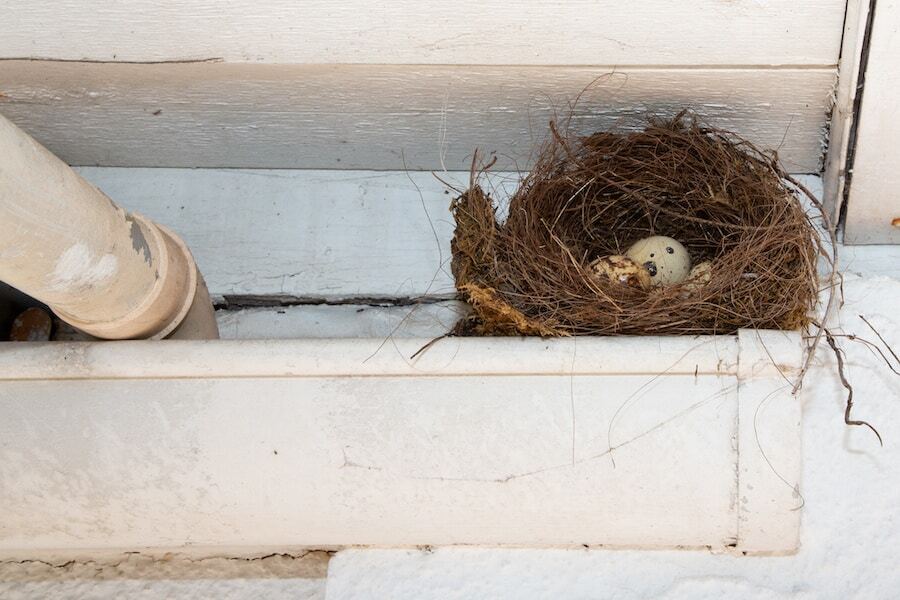
Clear twigs, leaves, and feathers from your property often. Look under eaves, in gutters, and around ledges. Remove old nests quickly before birds reuse them. Dispose of materials far from your home. This discourages birds from settling near your house again.
Bird Deterrent Methods
Bird deterrent methods help keep birds away from your house safely. They prevent damage and mess without harming the birds. Using different techniques can increase your success.
Here are three common types of bird deterrents you can try.
Visual Deterrents
Birds get scared by certain sights. Reflective objects like shiny tape or old CDs catch sunlight and flash. This confuses birds and keeps them away.
Other visual options include fake predators such as plastic owls or snakes. Move them often so birds don’t get used to them. Bright colors and moving objects can also scare birds.
Sound Deterrents
Noise can stop birds from settling near your home. Ultrasonic devices emit sounds birds dislike but humans can’t hear. These devices work best in quiet areas.
Recorded distress calls of birds warn others to stay away. You can play these sounds on timers or motion sensors. Avoid loud noises that disturb neighbors or pets.
Physical Barriers
Block birds from landing or nesting with physical barriers. Bird spikes on ledges and roofs prevent perching. Netting over plants or vents stops entry.
Wire mesh can cover openings where birds enter attics or chimneys. Make sure barriers fit well and don’t trap birds inside. These solutions offer long-term protection.
Safe Repellents And Chemicals
Safe repellents and chemicals help keep birds away without harming them. Choose gentle sprays or granules designed for home use. These products create an unpleasant area for birds, encouraging them to stay clear of your house.
Birds can be a delight to watch, but sometimes they become a nuisance. They may build nests or leave droppings around your house. To handle this, many people turn to safe repellents and chemicals. These solutions deter birds without causing harm. Let’s explore some effective, non-toxic methods.Non-toxic Bird Repellents
Many bird repellents are safe and non-toxic. They work by irritating birds’ senses without causing harm.- Citrus sprays can deter birds with their strong scent.
- Vinegar mixed with water is another safe option.
- Essential oils like peppermint can also keep birds away.
Using Bird Gel And Spikes
Bird gel and spikes are effective deterrents. They stop birds from landing without causing harm.- Bird gel is sticky and uncomfortable for birds.
- Spikes prevent birds from perching on ledges.
Maintaining A Bird-unfriendly Environment
Keeping birds away from your home often starts with making your surroundings less attractive to them. Birds look for easy meals and water sources, so cutting off these supplies can discourage them from sticking around. This approach not only helps reduce bird visits but also keeps your property cleaner and safer.
Controlling Food Sources
If you want fewer birds around, don’t leave food out in the open. Bird feeders, pet food, and uncovered trash bins act like magnets. Secure garbage cans with tight lids and clean up any spilled seeds or crumbs regularly.
Fruit trees can also attract birds, especially when fruits fall to the ground. Picking up fallen fruit quickly or using netting can reduce their food supply significantly. Have you noticed how birds flock when they find an easy snack? Removing those snacks often makes them move on.
Managing Water Availability
Birds need water to drink and bathe, so limiting water sources around your home is key. Fix leaking hoses, remove standing water in plant saucers, and cover pools when not in use. Even small puddles can attract birds, so keep an eye out after rain.
Consider using motion-activated sprinklers or water timers to keep your yard less inviting. Reducing water availability sends a clear message to birds that your property isn’t a good place to stay. What changes can you make today to dry up these water spots?
Credit: www.callnorthwest.com
When To Seek Professional Help
Sometimes, bird problems become too big to handle alone. Birds can cause damage or create health risks that need expert care. Knowing when to call professionals helps protect your home and family.
Bird Removal Services
Professionals use safe and effective methods to remove birds. They have tools to stop birds from returning. Experts can clean nests and droppings to prevent diseases. Hiring a service saves time and effort. They also minimize harm to birds and property.
Legal Considerations
Many birds are protected by law. Removing or harming them without permission can lead to fines. Professionals know which species have protection rules. They follow local and national laws carefully. This ensures removal is legal and safe for both birds and people.

Credit: www.washingtonpost.com
Frequently Asked Questions
How Can I Naturally Repel Birds From My House?
Use natural repellents like peppermint oil, garlic sprays, or bird spikes. These are safe and effective ways to deter birds. Regularly clean areas to remove food and nesting materials. This discourages birds from settling near your home.
What Are The Safest Bird Deterrent Methods?
Install bird netting, reflective tape, or decoy predators like owls. These methods keep birds away without causing harm. Avoid toxic chemicals or harmful traps that can injure birds. Safety for both you and the birds is essential.
Why Do Birds Keep Coming Back To My Property?
Birds return due to food, water, and shelter availability. Open trash bins, bird feeders, or standing water attract them. Removing these attractants reduces their interest in your property. Regular maintenance helps prevent re-infestation.
Can Noise Deter Birds From Nesting Nearby?
Yes, noise devices like ultrasonic repellents or recorded predator calls can scare birds. Use them intermittently to prevent habituation. However, noise alone may not solve the problem. Combine with other deterrents for best results.
Conclusion
Controlling birds around your house needs patience and care. Use safe and gentle methods to keep them away. Block places where birds like to nest or rest. Regular cleaning helps remove food and nesting spots. Stay consistent with your efforts every day.
Protect your home without harming the birds. Small changes can make a big difference. Keep your space peaceful and bird-free for good.




