
If you love bird watching, you know how important it is to see every detail clearly. Choosing the right binoculars can make all the difference between a blurry glimpse and a stunning close-up.
But with so many options out there, how do you find the perfect pair for your needs? In this guide, you’ll discover simple tips that will help you pick binoculars that fit your eyes, your style, and your budget. Keep reading, and soon you’ll be ready to enjoy bird watching like never before.
Key Features To Consider
Choosing the right binoculars for bird watching depends on several important features. These features affect how well you see birds and how comfortable you are during use. Knowing what to look for helps you find binoculars that match your needs.
Magnification And Lens Size
Magnification shows how much closer birds appear. A 7x or 8x magnification is ideal for bird watching. Larger magnification can make the image shakier. Lens size controls how much light enters the binoculars. Bigger lenses give brighter views in low light. A common lens size is 42mm, balancing brightness and weight.
Field Of View
The field of view is the width of the visible area through binoculars. A wide field of view helps spot birds faster. It also makes tracking moving birds easier. Look for binoculars with at least 300 feet at 1000 yards field of view.
Eye Relief And Comfort
Eye relief is the distance between your eyes and the binocular lenses. Longer eye relief suits people who wear glasses. Comfortable eye cups also protect your eyes from strain. Try binoculars with adjustable eye cups for the best fit.
Weight And Portability
Lightweight binoculars are easier to carry on long walks. Heavy binoculars can cause arm fatigue quickly. Compact models fit well in backpacks and pockets. Balance weight with lens size for the best comfort.
Durability And Weatherproofing
Bird watchers face different weather conditions outdoors. Choose binoculars that are waterproof and fog-proof. Rubber coating adds grip and protects from bumps. Durable binoculars last longer and perform well in rain or cold.
Types Of Binoculars For Birdwatching
Choosing the right binoculars for birdwatching means understanding the types available. Different designs fit different needs and preferences. Knowing these types helps you find binoculars that suit your style and environment. This section explores key binocular types and features to consider.
Roof Prism Vs Porro Prism
Binoculars use two main prism types: roof and porro. Roof prism models are slim and straight. They are lighter and easier to carry in the field. Porro prism binoculars have a wider body and angled shape. They often provide better depth and wider views. Roof prisms look modern, while porro prisms offer a classic design. Both types give clear images but differ in size, weight, and cost.
Compact Vs Full Size
Compact binoculars are small and easy to hold with one hand. They fit in pockets and backpacks well. Full-size binoculars are larger but offer brighter and sharper images. They work better in low light, like dawn or dusk. The choice depends on how far and how long you plan to watch birds. Compact models suit casual outings. Full-size binoculars are best for serious birdwatchers.
Waterproof And Fogproof Models
Birdwatching often happens outdoors in changing weather. Waterproof binoculars protect against rain and splashes. Fogproof models prevent lenses from fogging inside due to temperature changes. These features keep your view clear and your binoculars safe. Look for models with sealed bodies and nitrogen or argon gas inside. This makes them durable and reliable for all weather conditions.
Choosing The Right Magnification
Choosing the right magnification is crucial for bird watching. It affects how close the birds appear and how steady your view remains. Picking the right zoom level improves your experience and helps you see details clearly. The goal is to find a balance between zoom power and image stability. This makes spotting and identifying birds easier and more enjoyable.
Balancing Zoom And Stability
Higher magnification means birds look bigger but harder to keep steady. Small movements shake the image more at high zoom levels. This can cause eye strain and frustration. Lower magnification offers a wider view and more stability. It helps track flying birds and scan large areas quickly. Choose a magnification that fits your ability to hold binoculars steady. Using a tripod can improve stability for high zoom options.
Best Magnification For Different Environments
Different places need different zoom levels for the best view. Use these guidelines to pick magnification:
- Forests and woodlands:6x to 8x magnification works well. It gives a clear view in dense areas without losing stability.
- Open fields and wetlands:8x to 10x is ideal. Higher zoom helps see distant birds in wide spaces.
- Mountain or coastal bird watching:10x magnification or more suits better. It reveals details of birds far away in open environments.
Match magnification to your bird watching spots for the best results.
Lens Coatings And Image Quality
Choosing binoculars for bird watching means paying close attention to lens coatings and how they affect image quality. These coatings play a crucial role in reducing glare and improving the clarity of the view. Understanding the types of coatings and their impact can help you spot birds more clearly and enjoy your outdoor experience.
Types Of Lens Coatings
Lens coatings come in several forms, each designed to enhance your viewing experience:
- Coated:A single layer of anti-reflective coating on some lens surfaces.
- Fully Coated:One or more coatings on all air-to-glass surfaces.
- Multi-Coated:Multiple layers on some surfaces, improving light transmission.
- Fully Multi-Coated:Multiple layers on all air-to-glass surfaces, offering the best brightness and clarity.
Choosing binoculars with fully multi-coated lenses generally means you get the clearest and brightest images. But how much difference do these coatings really make in the field?
Impact On Brightness And Clarity
Lens coatings reduce reflections, which means more light reaches your eyes. This makes images brighter and colors more vivid—important when watching birds in dim forest light or at dawn.
Imagine trying to spot a small, camouflaged bird with dull, washed-out colors. Proper coatings can make the difference between missing the sighting and seeing every feather detail clearly.
Have you noticed how some binoculars give you a sharper, more vibrant view? That’s the coating quality at work. Investing in good coatings means less eye strain and more enjoyable bird watching sessions.
Budgeting For Quality
Choosing binoculars for bird watching requires a smart approach to budgeting. Quality matters because it affects your viewing experience. Spending wisely means balancing cost with features and durability. A good pair lasts long and shows clear images. Understanding your budget helps find the best binoculars within your price range.
Affordable Options With Good Performance
Affordable binoculars can still offer clear views and good comfort. Many brands produce budget-friendly models with decent lens quality and focus. These binoculars work well for beginners and casual bird watchers. Look for features like:
- Multi-coated lenses for brighter images
- Lightweight design for easy carrying
- Water-resistant build for outdoor use
These features improve your experience without high costs. Affordable binoculars may not have all the advanced options but serve well for most birds in nearby areas.
Investing In High-end Binoculars
High-end binoculars offer sharper images and wider fields of view. They use better glass and coatings to reduce glare and enhance colors. Professionals and serious bird watchers often choose these models. Benefits include:
- Superior image clarity and detail
- Robust construction for harsh conditions
- Advanced focusing mechanisms
These binoculars can be costly but provide unmatched performance. They suit users who spend long hours outdoors or want to see distant birds clearly.
:max_bytes(150000):strip_icc()/tal-opticron-oregon-4-pc-oasis-8x42-binocular-kathryn-braet-5-92012e7d06b945acbff37493422bab6a.jpeg)
Credit: www.travelandleisure.com
Additional Accessories To Consider
Carrying a sturdy case protects your binoculars from damage and dust. A neck strap helps keep them handy and prevents dropping. Lens cleaning cloths ensure clear views during bird watching.
When choosing binoculars for bird watching, the focus is often on magnification and lens quality. However, additional accessories can significantly enhance your bird-watching experience. These accessories can improve comfort, protect your binoculars, and offer more stability when observing birds in their natural habitat.Straps And Harnesses
Straps and harnesses are vital for comfortable bird watching, especially during long hikes. A good strap or harness evenly distributes the weight of the binoculars, reducing neck strain and allowing for longer viewing sessions. Look for padded, adjustable options that fit your body size to ensure comfort and ease of use.Carrying Cases And Lens Covers
Protective carrying cases and lens covers are essential to safeguard your investment. A sturdy case keeps your binoculars safe from scratches, dust, and the elements when not in use. Lens covers are equally important as they protect the lenses from dirt and scratches, ensuring clear and crisp views every time you use your binoculars.Tripods And Mounts
For those who enjoy bird watching for extended periods or prefer a steady view, tripods and mounts are invaluable. They provide stability, reducing hand tremors and allowing you to focus on the details of your feathered subjects. Lightweight and portable options are ideal for birders who like to explore various terrains without being weighed down. Consider these accessories to enhance your bird-watching adventures. Which of these will make your next birding trip more enjoyable?Tips For Testing Binoculars Before Buying
Test binoculars by checking their comfort and clarity during use. Focus on how well they zoom and how steady the image stays. Make sure they feel balanced and easy to hold for long bird-watching sessions.
Testing binoculars before buying ensures the best bird-watching experience. It helps you find the right fit for your needs. Consider these important tips to make an informed decision.Trying Different Models
Visit a store that offers multiple brands. Compare different models side by side. Hold each pair of binoculars to check their weight. Heavier binoculars might cause strain during long sessions. Take your time to explore a variety of options.Assessing Comfort And Usability
Comfort is crucial for enjoyable bird watching. Make sure the eyecups are adjustable for your eyes. Test how they feel against your face. Ensure the binoculars are easy to grip. A comfortable design will enhance your experience. Use them for a few minutes to feel their usability.Checking Focus And Adjustments
Test the focus mechanism thoroughly. Ensure it’s smooth and easy to adjust. Try focusing on objects at different distances. Quick and precise focus is essential for tracking birds. Check for any blurring or distortion in the view. The adjustments should be intuitive and simple to use.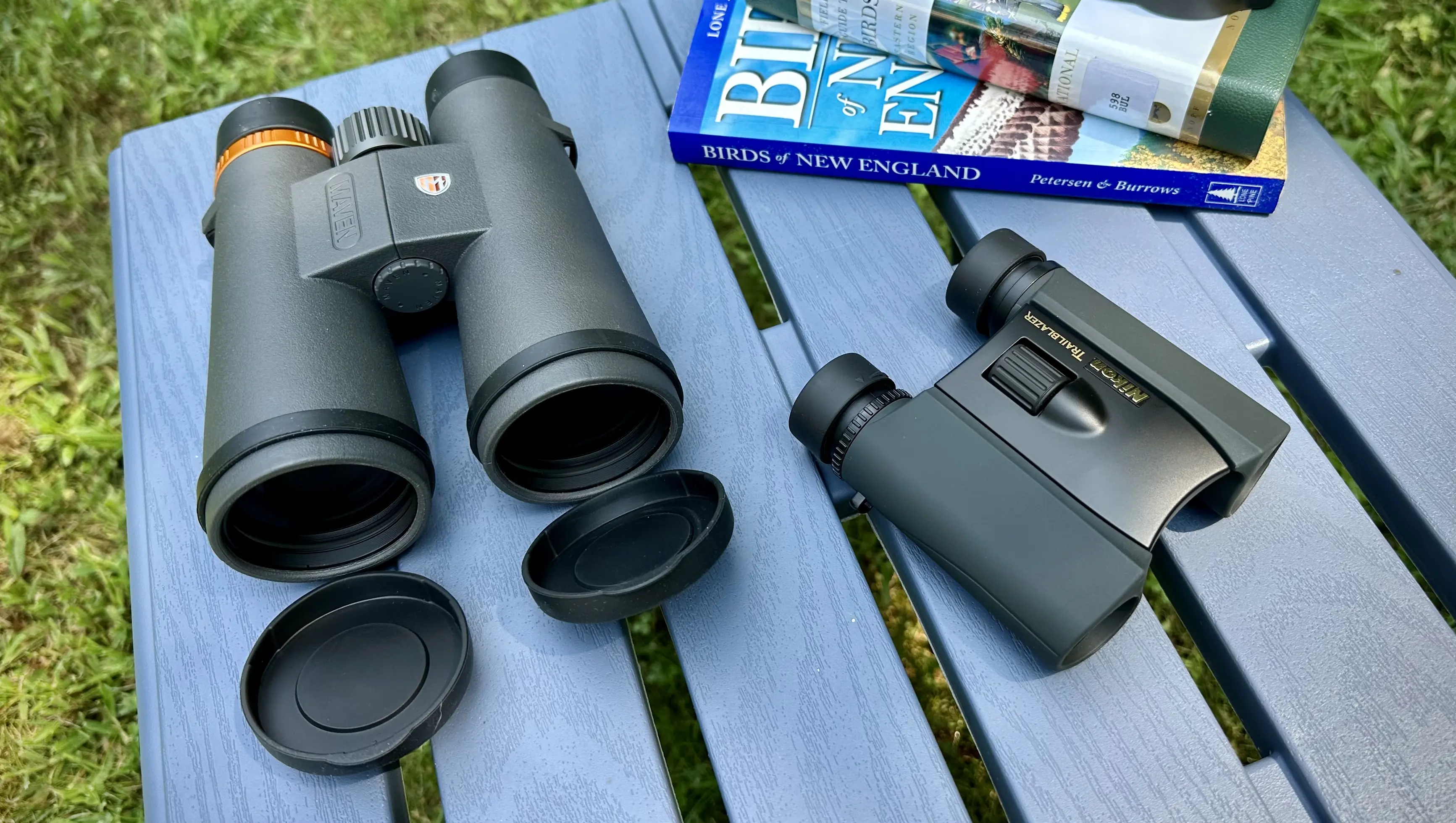
Credit: gearjunkie.com

Credit: www.youtube.com
Frequently Asked Questions
What Magnification Is Best For Bird Watching Binoculars?
A 7x to 10x magnification is ideal for bird watching. It offers clear detail without shaking. Higher magnification can reduce image stability and field of view.
How Important Is Lens Diameter In Bird Watching Binoculars?
Lens diameter affects brightness and clarity. Larger lenses (30-42mm) gather more light, ideal for low light conditions. They provide brighter, sharper images for bird watchers.
Should I Choose Waterproof Binoculars For Bird Watching?
Yes, waterproof binoculars are essential for outdoor bird watching. They protect against rain, moisture, and fog. This ensures durability and clear viewing in all weather conditions.
What Role Does Field Of View Play In Bird Watching?
Field of view determines how wide an area you see through binoculars. A wider field helps track fast-moving birds easily. Look for binoculars with a field of view over 300 feet at 1000 yards.
Conclusion
Choosing the right binoculars helps enjoy bird watching fully. Focus on comfort, size, and clear view. Bright images make spotting birds easier. Consider weight to avoid arm strain. Weather-resistant models work best outdoors. Test different types before deciding. Good binoculars bring nature closer to you.
Happy bird watching!




