
Are you ready to see birds in stunning detail, right from your backyard or favorite hiking trail? Choosing the right binoculars can make all the difference in your bird watching experience.
But with so many options out there, how do you find the perfect pair that fits your needs and budget? This guide will help you understand exactly what to look for, so you can enjoy clearer views and unforgettable moments every time you spot a feathered friend.
Keep reading, and discover how easy it is to pick binoculars that bring nature closer to you.

Credit: www.amazon.ca
Choosing The Right Magnification
Choosing the right magnification is key for bird watching binoculars. The magnification power affects how close birds appear and how steady the view feels. Too much zoom can make images shaky and hard to follow. Too little zoom might not show enough detail. Finding the balance improves your experience and helps you enjoy bird watching more.
Balancing Magnification And Stability
Higher magnification brings birds closer, but it also magnifies hand movements. This can make the image blurry and tiring to hold. Lower magnification offers a wider view and a steadier image. It is easier to keep the binoculars stable without a tripod. For most bird watchers, a balance is best. It allows clear views without too much shaking or effort.
Ideal Magnification For Bird Watching
Most bird watchers use binoculars with 7x to 10x magnification. This range gives a good mix of detail and stability. A 7x magnification is easier to hold steady and offers a wide field of view. A 10x magnification shows more detail but needs a steady hand. Avoid magnifications above 12x unless you use a tripod. That level can be too shaky for casual use.
Selecting The Objective Lens Size
Selecting the right objective lens size is a key step in choosing binoculars for bird watching. This size directly affects how much light your binoculars can gather, which impacts your viewing experience. Understanding this helps you pick binoculars that match your specific needs, whether you’re watching in bright daylight or low light conditions.
Impact On Brightness And Clarity
The objective lens size determines how bright and clear your bird images will be. Larger lenses, like 42mm or 50mm, collect more light, making birds appear brighter and details sharper, especially during dawn or dusk. However, if you mostly watch birds in bright daylight, smaller lenses such as 32mm might still offer clear views without extra bulk.
Think about how often you watch birds in low light. Do you want vivid colors and crisp details even when the sun is setting? If yes, a bigger objective lens will be worth the extra weight.
Portability Considerations
While bigger lenses improve brightness, they also add size and weight to your binoculars. Carrying heavy binoculars for hours can make your bird watching less enjoyable. Smaller lenses create lighter, more compact models that are easier to carry on long hikes or quick trips.
Ask yourself: will you be trekking through forests or sitting quietly in one spot? If mobility is key, a moderate lens size like 32mm balances brightness and portability well. Remember, the best binoculars fit your lifestyle, not just your vision needs.
Evaluating Lens Coatings
Evaluating lens coatings is crucial when choosing binoculars for bird watching. These coatings directly affect the clarity, brightness, and color accuracy of the images you see. Understanding the types and benefits of coatings helps you make an informed choice that enhances your birding experience.
Types Of Coatings
Lens coatings vary in complexity and effectiveness. Here are the main types you should know:
- Single Coating:A thin layer applied to one lens surface to reduce glare and improve light transmission slightly.
- Fully Coated:All air-to-glass surfaces have a single layer of coating, enhancing brightness better than single coating.
- Multi-Coated:Multiple layers on at least one lens surface, reducing reflections and increasing light transmission significantly.
- Fully Multi-Coated:Every air-to-glass surface has multiple layers, offering the best brightness, contrast, and color fidelity.
Knowing these distinctions helps you spot binoculars that deliver sharper, clearer views of birds.
Benefits For Bird Watching
Coated lenses improve your ability to spot fine details on birds. They reduce glare from sunlight or water, which can otherwise wash out colors or make viewing uncomfortable.
Have you ever struggled to see a bird clearly through binoculars on a bright day? High-quality coatings cut down reflections, making colors more vivid and details crisp. This clarity helps you identify species accurately and enjoy the subtle beauty of feathers and markings.
Additionally, coatings increase light transmission, which is especially helpful during early morning or late evening birding when light is low. You get brighter, sharper images without straining your eyes.
Investing in binoculars with fully multi-coated lenses can transform your bird watching sessions by delivering consistently clear views regardless of lighting conditions. Isn’t it worth choosing optics that let you connect more deeply with nature?
Examining Prism Types
Choosing the right prism type is key for bird watching binoculars. Prism types affect the size, weight, and image quality. Understanding the differences helps pick binoculars that fit your needs and preferences.
Roof Vs. Porro Prisms
Roof prisms have a straight design. They are compact and easy to carry. Their slim shape fits well in a backpack. Porro prisms have an angled shape. They are bulkier but often provide a wider field of view. Porro prism binoculars usually cost less for the same image quality. Both types show clear images but feel different in the hand.
Durability And Image Quality
Roof prism binoculars are more durable. They resist water and dust better due to fewer moving parts. Porro prisms can be less sturdy but offer excellent depth perception. Image quality depends on prism coatings and glass quality. Look for binoculars with fully multi-coated lenses. These give brighter, sharper views. Choose based on your balance between durability and viewing experience.
Checking Field Of View
Checking the field of view (FOV) is one of the key steps when buying binoculars for bird watching. The FOV tells you how wide an area you can see through the lenses at a certain distance. A wider field of view lets you see more of the environment, which can make spotting birds easier, especially when they move quickly or hide among branches.
Wide Vs. Narrow Views
Wide views show a larger scene, helping you scan areas faster and find birds without moving your binoculars too much. They are great if you enjoy watching active birds or want to observe groups instead of just one bird.
Narrow views zoom in more but show less area at once. This can be useful if you want detailed close-ups of a single bird, but it may take longer to locate your target initially.
Think about your bird watching style: do you prefer to watch birds in flight or spot hidden ones in dense trees? Your answer will help you decide between wide and narrow views.
Importance For Tracking Birds
Birds rarely stay still. Having a binocular with a suitable field of view helps you keep up with their quick movements. A wide FOV reduces the chances of losing sight as the bird flies across your sightline.
Imagine spotting a colorful warbler moving fast through branches. With a narrow FOV, you might need to constantly adjust your binoculars, which can be frustrating. A wider view lets you follow the bird more naturally and enjoy the experience.
Ask yourself: do you want to focus on a single bird or follow flocks in action? Your tracking needs will influence the FOV choice and improve your overall bird watching success.
Considering Eye Relief
Eye relief is important for comfortable viewing, especially if you wear glasses. Longer eye relief lets you see the full image without straining your eyes. Choose binoculars with enough space between your eyes and the lenses.
Considering eye relief is crucial when buying binoculars for bird watching. Eye relief refers to the distance between your eye and the eyepiece while still seeing the full field of view. This feature ensures comfort, especially for those who wear glasses.Comfort For Eyeglass Wearers
If you wear glasses, you understand the struggle of not getting the full view through binoculars. Eye relief can make or break your bird-watching experience. Look for binoculars with an eye relief of at least 15mm to accommodate your glasses. Imagine spotting a rare bird but struggling to see it clearly because of your glasses. Longer eye relief solves this by allowing you to keep your glasses on and still enjoy the full scene. This feature ensures you don’t miss the intricate details of a bird’s plumage.Adjustable Eye Cups
Adjustable eye cups are a game-changer, offering flexibility for both eyeglass wearers and those without. You can twist or fold them down to find the most comfortable position. This adjustment allows for a customized viewing experience. If you switch between wearing glasses and going without, adjustable eye cups can quickly adapt to your needs. They help maintain a clear view without having to constantly adjust the binoculars. This feature adds to the overall ease of use, making your bird-watching outings more enjoyable. Do you find yourself constantly adjusting your binoculars for comfort? Adjustable eye cups can make those adjustments seamless and precise. Investing in binoculars with this feature ensures a hassle-free, enjoyable bird-watching experience.Assessing Build Quality
Assessing the build quality of binoculars ensures they last long and perform well outdoors. Birds often hide in dense trees or near water bodies. Sturdy binoculars handle these conditions better. Poor build can lead to damage or blurry views. It is wise to choose models designed for rough use and different weather conditions.
Waterproof And Fogproof Features
Waterproof binoculars prevent water from entering the lenses and body. This feature is essential for bird watching near lakes, rivers, or during rain. Fogproof binoculars have sealed air chambers filled with nitrogen or argon gas. This stops internal fogging caused by temperature changes.
Benefits include:
- Clear vision in humid or wet weather
- Protection against accidental splashes and rain
- Longer lifespan due to moisture resistance
Check for IP ratings or specific mention of waterproof and fogproof. These features improve reliability in all environments.
Materials And Durability
Good binoculars use strong materials like rubber, aluminum, or magnesium alloy. Rubber coatings offer a solid grip and absorb shocks from drops. Aluminum and magnesium alloys provide strength without adding much weight.
Durable binoculars:
- Resist scratches and dents
- Withstand rough handling on trails
- Stay functional after minor impacts
Avoid cheap plastic parts that break easily. Choose binoculars with reinforced hinges and tightly sealed components. This ensures steady performance and longer use in the wild.
Evaluating Weight And Size
Choosing the right binoculars means paying close attention to their weight and size. These factors affect comfort during bird watching and how easily you carry them. Heavy binoculars can cause arm fatigue. Large models may be hard to hold steady. Finding a balance helps you enjoy long hours outdoors without strain.
Portability For Long Trips
Lightweight binoculars make long walks easier. They reduce tiredness and let you focus on spotting birds. Compact models fit well in backpacks or pockets. This makes them ideal for hikes or travel. Check the dimensions and weight before buying. Small, light binoculars often have less power but improve convenience.
Balance Between Size And Performance
Bigger binoculars usually offer brighter images and more zoom. They gather more light, which helps in low light conditions. Yet, they weigh more and can feel bulky. Smaller binoculars are easier to handle but may lose some image quality. Choose a size that feels comfortable in your hands. Consider how often and where you will use them.
Budgeting Your Purchase
Setting a clear budget is a smart move before buying binoculars for bird watching. It helps you focus on models that offer the best balance between price and features. Plus, knowing your spending limit keeps impulse buys at bay, making your purchase more satisfying in the long run.
Price Ranges And Features
Binoculars come in a wide range of prices, from under $50 to several hundred dollars. Cheaper models often have smaller lenses and less durable build quality, which might affect your viewing experience on long bird watching trips.
Mid-range binoculars, typically between $100 and $300, usually offer better optics, waterproofing, and comfortable grips. These features matter when you’re out in the field for hours. High-end binoculars can cost $400 or more and include advanced coatings and superior clarity, but ask yourself if you really need those extras.
| Price Range | Common Features |
|---|---|
| Under $50 | Basic optics, limited durability, suitable for casual use |
| $100 – $300 | Improved optics, waterproof, better ergonomics |
| $400+ | Premium optics, advanced coatings, rugged and lightweight design |
Best Value Options
Look for brands that offer a strong reputation for quality without charging a premium for unnecessary features. Some budget-friendly models surprise users with sharp images and comfortable use.
One personal experience taught me that spending moderately on a well-reviewed mid-range binocular brought more joy than splurging on a high-end model I rarely used. Think about how often you’ll bird watch and where. Are you hiking steep trails or sitting quietly in your backyard?
- Choose binoculars with at least 8x magnification and 32mm lens diameter for versatile use.
- Check customer reviews focusing on durability and clarity in real-world conditions.
- Don’t overlook warranty and customer support, which add value over time.
What features matter most to you, and how much are you ready to invest for them? Your budget should align with your bird watching habits to make every dollar count.
Testing Before Buying
Before you invest in a pair of binoculars for bird watching, testing them in real-world conditions can make a big difference. It’s not just about specs on paper; how they feel in your hands and perform through your eyes matters most. Taking time to test binoculars helps you avoid surprises and ensures you get exactly what you need for your birding adventures.
Hands-on Trials
Try holding the binoculars as if you were already out in the field. Are they comfortable to grip? Do the focus and zoom rings move smoothly without too much effort?
Look through them at different distances—nearby branches, distant treetops, or a flying bird. Notice the clarity and brightness of the image. Does the view stay steady when you hold them, or does it shake too much?
Ask yourself: Can you comfortably use them for long periods without strain? Testing in natural light conditions can reveal how well they handle glare and low light.
Reading Reviews And Ratings
Beyond personal trials, read what other bird watchers say about the binoculars. Look for reviews that mention specific birding experiences rather than generic comments.
- Check for consistent praise or complaints about durability, weather resistance, and image quality.
- Pay attention to ratings about comfort during extended use and ease of focusing on fast-moving birds.
- Beware of overly positive or negative reviews that lack detail—reliable feedback usually offers balanced pros and cons.
Have you noticed any patterns in reviews that match your own testing impressions? Combining your hands-on experience with trusted user feedback helps narrow down the best choice.
Additional Accessories
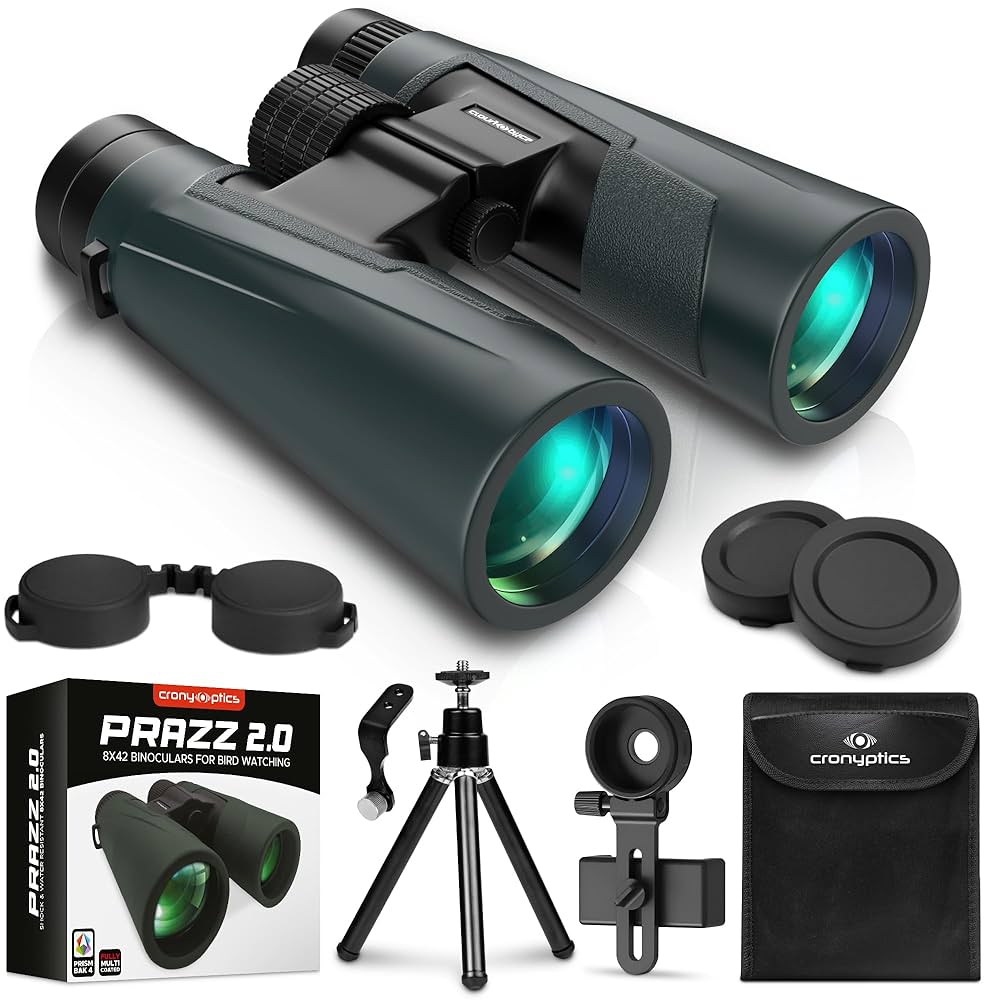
Choosing extra accessories like lens caps or a carrying case helps protect your binoculars. A neck strap or tripod can make bird watching easier and more comfortable. These small additions improve your overall experience outdoors.
When you’re investing in binoculars for bird watching, it’s crucial to consider additional accessories that can enhance your experience. These accessories not only protect your investment but also ensure you enjoy bird watching with utmost comfort and convenience. Let’s dive into some essential add-ons that can make your bird-watching adventures even more rewarding.Straps And Cases
A good strap is essential for carrying your binoculars around comfortably. Look for a padded neck strap that distributes weight evenly, reducing strain during long bird-watching sessions. Some straps even come with quick-release buckles, allowing you to detach your binoculars swiftly when needed. Cases are equally important, providing protection against dust, scratches, and the occasional drop. Consider a case with a rugged exterior and a soft interior lining. A waterproof or water-resistant case can be particularly beneficial if you often find yourself in unpredictable weather conditions.Lens Cleaning Kits
Keeping your lenses clean is vital for clear and crisp viewing. A lens cleaning kit is a must-have accessory for any bird watcher. It typically includes a microfiber cloth, a lens brush, and a cleaning solution. Microfiber cloths are gentle on the lenses, reducing the risk of scratches. A lens brush helps remove dust particles without using liquid, which is perfect for quick clean-ups. When using a cleaning solution, always apply it to the cloth first, not directly on the lenses, to avoid damage. Are you prepared for the unexpected moments when a smudge might ruin your perfect view? A compact lens cleaning kit in your backpack ensures you’re always ready to capture nature’s beauty without obstructions. Investing in the right accessories transforms your bird-watching experience from good to extraordinary. What accessories do you find essential for your bird-watching gear?
Credit: www.ebay.ca
Credit: www.amazon.com
Frequently Asked Questions
What Magnification Is Best For Bird Watching Binoculars?
A magnification of 8x to 10x is ideal for bird watching. It offers clear close views without shaking. Higher magnification can reduce image stability and field of view.
How Important Is Lens Diameter In Binoculars?
Lens diameter affects brightness and image clarity. A 32mm to 42mm lens is good for daylight bird watching. Larger lenses perform better in low light but can be heavier.
Should I Choose Waterproof Binoculars For Bird Watching?
Yes, waterproof binoculars are recommended. Birds are often found near water or in rainy conditions. Waterproof models protect lenses and internal parts from moisture damage.
What Is The Ideal Field Of View For Bird Watchers?
A wide field of view of 300 feet or more at 1000 yards helps. It makes locating and tracking birds easier. Narrow views can limit your bird spotting experience.
Conclusion
Choosing the right binoculars makes bird watching more fun and clear. Focus on size, weight, and lens quality first. Comfort matters for long trips outdoors. Don’t forget to check the price and brand reputation. Testing a few models helps find the best fit.
Good binoculars bring birds closer and details sharper. Happy bird watching starts with smart buying. Keep these tips in mind for your next purchase. Enjoy nature’s beauty with your perfect binoculars!




