
Have you ever wished you had eyes all around your car to spot every obstacle and make parking easier? That’s exactly what the Birds Eye 360 Camera does for you.
Imagine seeing a full view of your vehicle’s surroundings on your screen, helping you avoid blind spots and tight spots effortlessly. You’ll discover how this smart camera system works and how it can transform your driving experience, making every trip safer and stress-free.
Keep reading to unlock the secrets behind this amazing technology and find out why it’s a game-changer for your car.
Credit: www.greensafaris.com
Birds Eye 360 Camera Basics
The Birds Eye 360 camera offers drivers a complete view around their vehicle. This system helps avoid blind spots and makes parking easier. It creates a clear, bird’s eye view by combining images from several cameras. Understanding the basics helps appreciate how this technology improves safety and convenience.
Key Components
- Multiple wide-angle cameras placed around the car
- Central processing unit that stitches images together
- Display screen inside the vehicle to show the combined view
- Sensors that assist in detecting obstacles
How It Captures Images
The system uses cameras mounted on the front, rear, and sides of the car. Each camera captures a wide-angle image of its area. These images are sent to the central processor. The processor merges them into one seamless, 360-degree view. This view appears as if seen from above the car.
The process happens in real-time to help drivers react instantly. The system adjusts images to remove distortions and overlaps. This ensures a clear and accurate surrounding view. The driver sees this combined image on the car’s dashboard screen.

Credit: www.ebay.com
Camera Placement On Vehicles
Camera placement on vehicles is crucial for the Birds Eye 360 camera system to deliver a seamless, comprehensive view around your car. The position of each camera affects the quality of the image and the accuracy of the combined surround view. Understanding where these cameras are placed can help you appreciate how the system offers such a clear, real-time perspective.
Front And Rear Cameras
The front camera is usually mounted near the grille or just above the license plate. This spot offers a wide field of view to capture everything ahead, including low-lying obstacles and curbs.
The rear camera is typically positioned above or near the rear license plate. This placement gives a clear view of what’s behind your vehicle, which is especially helpful when reversing or parking.
Both cameras need to be perfectly aligned to avoid image distortion. Have you ever noticed how some cars show a slightly warped image? That’s often due to poor camera placement or misalignment.
Side Cameras Positioning
Side cameras are generally installed under the side mirrors or on the lower part of the front fenders. These positions help capture the vehicle’s blind spots and the sides of the car.
Placing these cameras correctly is essential for covering areas that front and rear cameras can’t see. This setup prevents surprises when changing lanes or navigating tight spaces.
Think about the last time you struggled to judge the space beside your car. Properly positioned side cameras can reduce that guesswork, making your driving experience safer and more confident.
Image Stitching Technology
Image stitching technology forms the core of the Birds Eye 360 camera system. It combines images from several cameras placed around the car. These cameras capture different angles simultaneously. The technology then merges these images into one seamless view. This process helps drivers see their vehicle’s surroundings clearly and safely.
Combining Multiple Views
The system gathers images from four or more cameras mounted on the car’s front, rear, and sides. Each camera captures a wide-angle view. Image stitching software corrects lens distortion and aligns overlapping areas. It blends the images smoothly to avoid visible lines or mismatches. This creates a single, continuous picture without gaps or overlaps.
Creating The 360-degree View
The stitched images form a complete 360-degree view around the vehicle. The software maps the images onto a virtual circle surrounding the car. This virtual view gives drivers a bird’s-eye perspective. It helps in parking, changing lanes, and spotting obstacles. The view updates in real-time as the car moves or turns.
Real-time Processing
The Birds Eye 360 camera relies on real-time processing to give drivers a clear, continuous view around their car. It collects images from multiple cameras placed on the vehicle’s sides. These images then combine instantly to create a seamless, bird’s-eye view. This process happens in a fraction of a second to keep the view updated as the car moves.
Software Algorithms
Advanced software algorithms merge the images from each camera. They correct angles, adjust brightness, and remove distortions. The software stitches images together to form one clear picture. It also identifies objects and road edges for better safety. These algorithms work quietly in the background, ensuring smooth visuals without delay.
Latency And Response Time
Latency is the time it takes to process and display images. The Birds Eye 360 camera system keeps latency very low. It updates the view in real-time, often in less than a second. Fast response time helps drivers react quickly to obstacles. This speed improves parking and tight-space maneuvering safety.
User Interface And Display
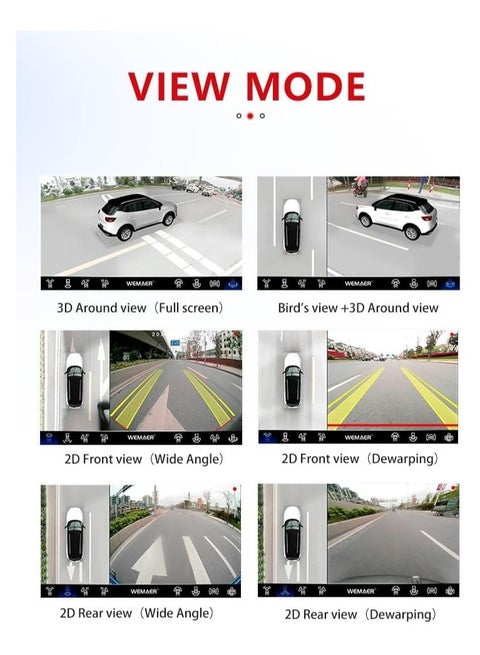
The user interface and display of a Birds Eye 360 camera system play a crucial role in how effectively you can use this technology while driving. It’s not just about having multiple camera feeds; it’s about how those feeds are shown and how easily you can interact with them. A well-designed interface helps you quickly understand your surroundings and make safer decisions on the road.
Screen Types
The display for Birds Eye 360 systems can vary widely depending on your car model and aftermarket options. Some vehicles integrate the camera feed directly into the central infotainment screen, while others use a dedicated monitor.
- LCD Screens:Most common, offering clear, bright images that adjust well to daylight conditions.
- OLED Displays:Provide sharper contrast and deeper blacks, which is useful for night driving or low-light environments.
- Head-Up Displays (HUD):Some advanced systems project the 360 view onto the windshield, keeping your eyes on the road.
Choosing the right screen type affects how quickly you can glance at the 360 view without distraction. Have you ever felt overwhelmed by cluttered displays? A simpler, high-quality screen often makes a big difference.
Driver Interaction
Interacting with the Birds Eye 360 camera system should feel intuitive, especially when you’re maneuvering in tight spaces. Most systems allow you to switch views or zoom in with simple taps or swipes on a touchscreen.
- Touchscreen Controls:Easily switch between front, rear, and side cameras without taking your eyes off the road for long.
- Physical Buttons or Dials:Some drivers prefer tactile controls that can be used without looking down.
- Voice Commands:Increasingly common, letting you change views or activate the system hands-free.
Imagine parking in a crowded lot; being able to quickly cycle through camera angles without fumbling keeps you calm and focused. How would having these options improve your everyday driving experience?

Credit: www.teslaownersonline.com
Benefits For Drivers
The Birds Eye 360 Camera offers numerous benefits for drivers. This technology enhances safety, aids in parking, and provides a comprehensive view. Drivers experience less stress with improved visibility. Let’s dive into the specific advantages.
Enhanced Safety
The Birds Eye 360 Camera improves on-road safety. It provides a full view of the surroundings. This reduces blind spots significantly. Drivers can see obstacles from all angles. This feature helps in preventing collisions. It’s particularly helpful in busy traffic situations. Pedestrians and cyclists become more visible. This results in fewer accidents and safer roads.
Improved Parking
Parking becomes easier with the 360-degree view. Drivers can see the parking space clearly. Tight spots are no longer a challenge. The camera offers a bird’s-eye view during parking. This helps in aligning the vehicle perfectly. Parallel parking becomes a simple task. Drivers gain confidence in parking in any situation. Scratches and dents are minimized.
Limitations And Challenges
Birds Eye 360 cameras may struggle in poor lighting or bad weather conditions. Sometimes, blind spots or image distortion can affect accuracy. Limited camera angles might miss small obstacles nearby.
Limitations and Challenges The Birds Eye 360 Camera is a breakthrough for drivers, providing a comprehensive view around the vehicle. However, like any technology, it does have its limitations and challenges. Understanding these can help you make the most of this innovative feature and avoid potential pitfalls.Weather Impact
Weather can significantly affect the performance of the Birds Eye 360 Camera. Heavy rain or snow can obscure the camera lenses, reducing visibility and effectiveness. Even foggy conditions can distort the images, making it hard for you to rely solely on the camera view. Consider how often you’ve driven in bad weather and relied on your mirrors instead. This technology, while advanced, can’t always replace the old-school methods during extreme weather conditions. Do you trust technology more than your instincts when visibility is poor?System Calibration
Proper calibration is crucial for the Birds Eye 360 Camera to function accurately. Misalignment or improper setup can result in distorted views, which could be misleading. It’s essential to ensure the system is correctly calibrated after installation or any maintenance work. Think of it like adjusting your side mirrors after someone else has driven your car. If the system isn’t perfectly aligned, the 360-degree view might give you a false sense of security. Have you ever assumed everything was fine, only to realize your perception was off due to a simple misalignment?Future Developments
The future of Bird’s Eye 360 cameras in cars promises exciting advancements that will change how you interact with your vehicle’s surroundings. These developments aim to make driving safer, easier, and more intuitive. Let’s look at what’s coming next.
Ai Integration
Artificial intelligence will soon play a bigger role in how 360 cameras analyze the environment around your car. Instead of just showing you a flat view, AI can detect objects, predict their movements, and warn you of potential hazards.
Imagine your car alerting you if a cyclist is about to pass behind while you’re reversing. AI can also learn your driving habits and suggest safer maneuvers based on real-time camera data. This means fewer accidents caused by blind spots or distracted driving.
Higher Resolution Cameras
Higher resolution cameras will provide sharper, clearer images, helping you see details that current systems might miss. Better image quality means improved night vision, making it easier to spot pedestrians or obstacles in low light.
With higher resolution, the camera can also zoom in without losing clarity, giving you a closer look at tight parking spaces or tricky corners. Have you ever struggled to see a small curb or pothole? This upgrade will give you the confidence to navigate those situations safely.
Frequently Asked Questions
How Does Birds Eye 360 Camera Enhance Car Safety?
The Birds Eye 360 camera provides a full top-down view of the car’s surroundings. It helps drivers spot obstacles and blind spots easily. This reduces the risk of collisions during parking and tight maneuvers, improving overall safety.
What Technology Powers The Birds Eye 360 Camera System?
The system uses multiple wide-angle cameras placed around the car. These cameras capture overlapping images. Advanced software then stitches these images into a seamless 360-degree view in real-time for the driver.
Can Birds Eye 360 Camera Work In Low Light Conditions?
Yes, most Birds Eye 360 cameras have night vision or low-light enhancement features. This allows them to capture clear images in dark or poorly lit environments, ensuring continuous visibility and safety.
How Does The Birds Eye 360 Camera Aid In Parking?
The camera offers a bird’s-eye view that shows exact car positioning. Drivers can see parking lines and nearby objects clearly. This makes parallel and tight parking easier and reduces the chance of scrapes.
Conclusion
The Birds Eye 360 Camera helps drivers see all around their car. It uses several cameras to create a full view. This view makes parking and driving safer and easier. Many cars now include this technology for better control. Understanding how it works can improve your driving experience.
It shows blind spots and nearby objects clearly. This simple system helps avoid accidents and damage. Clear views from all sides give drivers more confidence. Using this camera can make everyday driving less stressful.




