
Have you ever struggled to park in tight spots or wished you had eyes all around your car? Birds Eye View cameras can make that wish come true.
These smart systems give you a complete view of your vehicle’s surroundings, helping you avoid obstacles and park with confidence. But how exactly do these cameras work to give you this powerful perspective? Keep reading, and you’ll discover the simple technology behind Birds Eye View cameras and how they can transform the way you drive.
Basics Of Bird’s Eye View Cameras
Bird’s eye view cameras give drivers a clear overhead image of their car. This helps to park and move safely in tight spaces. The system uses multiple cameras and smart software to create one big picture. Understanding the basics shows how these cameras work together.
Camera Placement On Vehicles
Cameras are placed around the car to cover all sides. Usually, there is one on the front grille. Another camera sits on the rear, near the license plate. Side cameras are placed under each side mirror. This setup captures a full 360-degree view around the car.
Image Stitching Technology
Each camera sends its video to the car’s computer. The computer combines these images into one seamless picture. This process is called image stitching. It removes overlapping areas and adjusts angles. The result looks like a bird is looking down at the car.
Real-time Processing
The system processes images very fast. This allows the driver to see live video on the screen. The camera views update instantly as the car moves. This real-time feedback helps avoid obstacles and park with confidence.
Types Of Bird’s Eye View Systems
Bird’s eye view camera systems come in different types. Each type offers unique features and coverage. Understanding these types helps you choose the right system for your car. The main categories include single camera systems, multi-camera systems, and 360-degree surround view setups.
Single Camera Systems
Single camera systems use one camera, usually placed at the front or rear of the car. They provide a limited view but are simple and cost-effective. These systems help with parking and detecting obstacles in a specific area. However, they do not offer a full surround view.
Multi-camera Systems
Multi-camera systems use two or more cameras placed around the vehicle. These cameras capture different angles like front, rear, and sides. The system combines these images to give a wider perspective. This setup improves safety by covering blind spots and helps drivers park in tight spaces.
360-degree Surround View
360-degree surround view systems use multiple cameras to create a complete top-down image of the car. This view shows the entire area around the vehicle. It helps drivers see all obstacles and navigate tight spots easily. The system stitches the images together for a seamless, real-time view.
Key Components Involved
Birds eye view cameras use several key parts to show a clear image of the car’s surroundings. These parts work together to create a full view from above. Understanding these components helps explain how this system improves safety and parking ease.
Cameras And Sensors
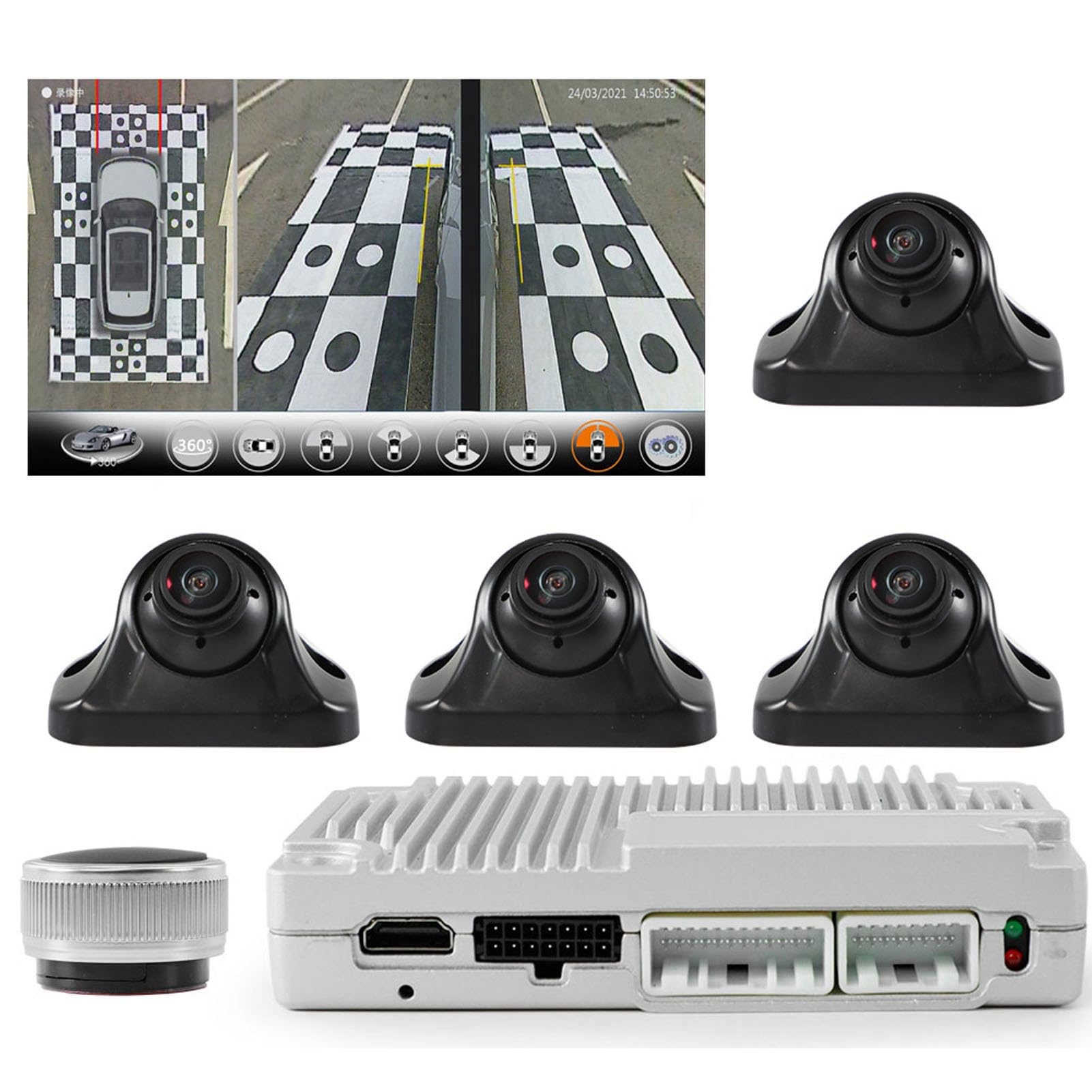
Multiple wide-angle cameras are placed around the car. Usually, one is at the front, one at the rear, and one on each side mirror. These cameras capture images from different angles. Sensors help detect obstacles and provide extra data for safety. They measure distance and alert the driver to nearby objects.
Control Unit
The control unit is the system’s brain. It processes the images captured by the cameras. It stitches these images together to create a single, seamless top-down view. This unit also interprets sensor data to enhance accuracy. It runs software that corrects distortions and aligns the images perfectly.
Display Interface
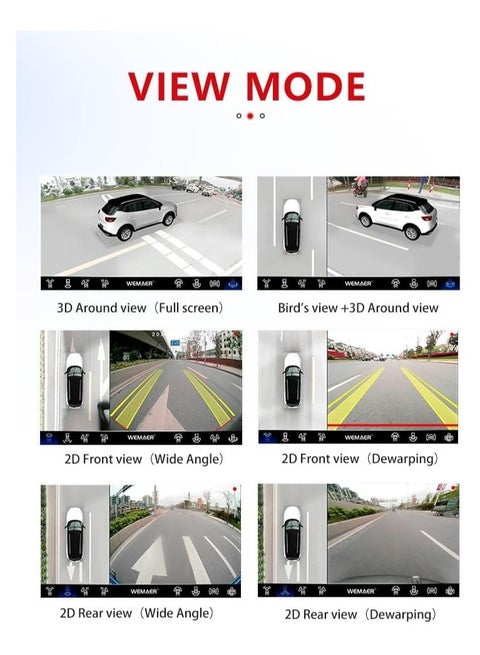
The display interface shows the combined image to the driver. It is usually located on the dashboard or infotainment screen. The interface provides clear visuals and may offer different viewing modes. It allows drivers to see surroundings in real-time, making parking and maneuvering safer.
Credit: www.amazon.com.be
Advantages For Drivers
Birds eye view cameras have become vital tools for drivers. These cameras offer several advantages, enhancing the driving experience. They provide a comprehensive view around the vehicle, making everyday tasks easier and safer.
Enhanced Parking Assistance
Parking can be challenging in tight spaces. Birds eye view cameras simplify this task. They provide a 360-degree view, helping drivers park precisely. This reduces stress during parallel parking or entering narrow garages.
Improved Safety
Safety on the road is crucial. Birds eye view cameras alert drivers to nearby obstacles. They help prevent collisions by showing a clear view of the surroundings. This feature is especially useful in crowded areas.
Blind Spot Reduction
Blind spots pose risks for drivers. Birds eye view cameras minimize these areas. Drivers gain a better view, reducing the chance of accidents. This feature is beneficial during lane changes and merging.
Installation And Calibration
Birds Eye View cameras are installed around the car to capture wide angles. Calibration adjusts the camera images to create a clear, seamless top-down view. This ensures accurate surroundings for safer driving and parking.
Installing and calibrating a bird’s eye view camera system on your car can transform your driving experience, providing enhanced visibility and safety. While it might seem like a technical challenge, understanding the basics of installation and calibration makes it much more approachable. Let’s break down the process into manageable steps and explore some practical tips.Mounting Cameras
The first step in installation is mounting the cameras. Typically, these systems use multiple cameras placed around the vehicle to capture a full 360-degree view. – Front and Rear Cameras: These are usually mounted on the bumper or grille, providing a clear view of what’s directly in front and behind. – Side Cameras: Mounted under the side mirrors, these cameras capture blind spots and enhance side visibility. Ensuring each camera is securely attached and correctly angled is crucial for optimal performance. You might find yourself adjusting the angles a few times to get it just right.Software Calibration
Once the cameras are installed, the next step is calibrating the software. This process aligns the video feeds from each camera into a cohesive, bird’s eye view image. – Initial Setup: Start by accessing the car’s infotainment system. Follow the on-screen instructions to initiate the calibration process. – Fine-Tuning: Adjust the software settings to align the images correctly. This may involve adjusting the brightness, contrast, and overlap of the camera feeds. Calibration might require patience and a keen eye for detail. Sometimes, stepping back and viewing the display from different angles can help ensure everything aligns perfectly.Maintenance Tips
To keep your bird’s eye view system functioning optimally, regular maintenance is key. – Cleaning: Regularly clean the camera lenses to avoid dirt and grime buildup, which can distort the image. – Check Connections: Periodically inspect the camera connections and wiring for any signs of wear or damage. – Software Updates: Keep the software updated to benefit from improvements and bug fixes that enhance functionality. Have you ever considered how much a small speck of dirt on a lens could impact your view? Regular checks and cleanups ensure your system remains reliable.
Credit: www.prestigeautosound.com
Limitations And Challenges
Bird’s eye view cameras offer impressive convenience, but they come with their own set of limitations and challenges. Understanding these can help you manage expectations and make better use of the technology. Let’s look at some practical issues that might affect your experience.
Image Distortion Issues
The wide-angle lenses used to capture a full 360-degree view often cause image distortion. This can make objects appear stretched or bent, especially near the edges of the screen. Have you ever felt confused by the way a curb or another vehicle looks on your display? That’s distortion in action, and it can sometimes make judging distances tricky.
Some systems try to correct this with software, but it’s not perfect. You might find that the distorted image requires extra attention, especially when parking in tight spots. Paying close attention to your actual surroundings alongside the camera view is still essential.
Weather Impact
Weather conditions can seriously affect the clarity of bird’s eye view cameras. Rain, snow, fog, and dirt can blur or obscure the camera lenses, reducing visibility. If you’ve ever driven in heavy rain and noticed your camera feed getting fuzzy or spotty, that’s why.
Maintaining clean camera lenses is crucial, but it’s not always easy during bad weather. Some vehicles include heated cameras or lens covers, but these features add complexity and don’t eliminate all weather-related issues. What’s your strategy for keeping your camera lenses clear when the weather turns bad?
Cost Considerations
Installing a bird’s eye view camera system can be expensive. This includes both the initial cost and potential repairs or upgrades down the line. If you’re on a tight budget, you might want to weigh these costs against how often you really use the system.
Aftermarket systems might offer a cheaper alternative, but they often lack the seamless integration and reliability of factory-installed options. Investing in a high-quality system can save you headaches, but it might not be the best fit for every driver. How do you decide if the cost matches the value you get from these cameras?
Future Trends In Bird’s Eye View Tech
The future of bird’s eye view cameras in cars looks promising and packed with innovation. These systems are evolving beyond simple parking aids to become essential tools that enhance safety and driving ease. Let’s look at what lies ahead for this technology and how it could change the way you drive.
Integration With Autonomous Driving
Bird’s eye view cameras are becoming key players in the development of self-driving cars. By providing a 360-degree perspective, they help autonomous systems detect obstacles and navigate tight spaces with precision.
Imagine your car seamlessly merging into traffic or parking itself using this technology. As autonomous driving advances, these cameras will work closely with radar and lidar to create a safer, smarter driving experience.
Ai Enhancements
Artificial intelligence is making bird’s eye view cameras smarter every day. AI algorithms can now analyze the camera feed to identify pedestrians, cyclists, and other hazards in real time.
This means your car can alert you to dangers you might not see or even take control to avoid accidents. AI also helps improve image stitching and reduce blind spots, giving you a clearer and more reliable view around your vehicle.
Improved Image Resolution
Better image quality is on the horizon for bird’s eye view systems. Higher resolution cameras will provide sharper, more detailed views, making it easier for you to spot small objects or uneven surfaces.
Picture being able to see exactly where your tires are relative to curbs or debris. This improvement not only enhances safety but also boosts confidence when maneuvering in tight spots.
Credit: www.greensafaris.com
Frequently Asked Questions
What Is A Birds Eye View Camera In Cars?
A birds eye view camera provides a 360-degree image of a car’s surroundings. It uses multiple cameras around the vehicle to create a composite top-down view. This helps drivers park and maneuver safely by reducing blind spots.
How Do Birds Eye View Cameras Improve Parking?
These cameras give a complete overhead perspective, making parking easier and safer. They help drivers see obstacles and align the car precisely. This reduces the risk of collisions and curb damage during tight parking.
Which Cars Typically Have Birds Eye View Cameras?
Birds eye view cameras are common in modern mid-range and luxury vehicles. Many new models offer this feature as standard or optional for enhanced safety. It is increasingly available across various car brands and types.
How Do Birds Eye View Cameras Work With Sensors?
The cameras work alongside ultrasonic sensors to detect nearby objects. Sensors alert drivers with sounds or visuals about obstacles outside the camera’s view. Together, they provide comprehensive assistance for safer driving and parking.
Conclusion
Birds eye view cameras help drivers see all around their car. They combine images from several cameras to make one clear picture. This view makes parking and driving in tight spaces much easier. Drivers can avoid obstacles and reduce accidents.
These systems keep improving with better camera quality and software. Understanding how they work helps you appreciate their value. Safe driving starts with good tools. Birds eye view cameras offer extra eyes on the road. They make driving safer and less stressful.
Simple technology with big benefits.




