
Have you ever wondered if your backyard birds can drink from hummingbird feeders? You might think these tiny feeders are only for hummingbirds, but what about the regular birds you see every day?
If you’re curious whether your favorite songbirds or sparrows can enjoy the sweet nectar too, this article is for you. Understanding how different birds interact with feeders can help you create a more inviting space for all your feathered visitors.
Keep reading to discover the surprising truth about regular birds and hummingbird feeders—and how you can make the most of your garden’s birdlife.

Credit: www.birdsandblooms.com
Hummingbird Feeder Basics
Hummingbird feeders attract tiny birds with their bright colors and sweet nectar. These feeders have a special design and specific nectar mix. Understanding these basics helps answer if regular birds can drink from them.
Design And Function
Hummingbird feeders are small and lightweight. They usually have red parts to catch hummingbirds’ attention. The feeding ports are tiny, made for a hummingbird’s long beak and tongue.
Feeders hang from trees or hooks, allowing easy access for hummingbirds. The small holes help keep out insects and larger birds. This design ensures hummingbirds can feed safely and comfortably.
Nectar Composition
The nectar is a simple sugar water mix. It usually contains four parts water to one part white sugar. This mixture mimics natural flower nectar.
No dyes or artificial sweeteners are added. These can harm hummingbirds. The sugar water provides energy but not nutrients for larger birds.
Birds Visiting Feeders
Bird feeders designed for hummingbirds often attract more than just these tiny, colorful birds. Many backyard enthusiasts notice a surprising variety of feathered visitors stopping by to sip from the nectar or explore the feeder’s structure. Understanding which birds visit and why can help you create a more inviting space for all your local wildlife.
Common Guests
Besides hummingbirds, you might see:
- House Sparrows– These birds are curious and often bold enough to try new food sources.
- Finches– Especially goldfinches, which are attracted to bright colors and sweet liquids.
- Warblers– Occasionally, they stop by if the feeder is in a suitable habitat.
- Orioles– Known for their love of sugary drinks, they often take advantage of hummingbird feeders.
Each species brings its own charm and energy to your yard, turning a single feeder into a lively gathering spot.
Reasons For Attraction
Why do these birds visit hummingbird feeders? One big reason is the sweet nectar. Many birds crave sugary liquids, especially when natural sources are scarce.
Bright colors on the feeders also play a role. Red and orange hues mimic flowers and catch the attention of various birds, not just hummingbirds.
Finally, the feeder’s location can attract different species. Placing feeders near trees or shrubs offers shelter and quick escape routes, making birds feel safer.
Have you noticed unexpected visitors at your hummingbird feeder? Observing their behavior can reveal what draws them in and how you might adjust your setup to welcome a wider variety of birds.
Risks For Regular Birds
Regular birds visiting hummingbird feeders might seem harmless, but it can pose several risks. These feeders are designed specifically for hummingbirds, and other birds consuming the nectar can face health problems. Understanding these risks helps you protect all birds in your garden effectively.
Sugar Intake Concerns
Hummingbird nectar is made from a high concentration of sugar, usually a 4:1 water-to-sugar ratio. While hummingbirds thrive on this energy-rich food, regular birds are not adapted to such a diet. Excessive sugar can cause digestive issues, weaken their immune systems, and even lead to malnutrition.
Think about the last time you overindulged in sweets—your body felt off, right? Birds feel the same, but they can’t choose different food easily when feeders supply mostly sugary nectar. This imbalance might cause them to avoid natural, nutritious food sources, affecting their overall health.
Feeder Hygiene Issues
Hummingbird feeders require regular cleaning because sugary nectar can ferment quickly and grow harmful mold. When regular birds visit, they may introduce dirt, bacteria, and other pathogens to the feeder. This contamination increases the risk of spreading diseases among visiting birds.
Imagine a shared water fountain filled with sticky syrup—it’s a perfect spot for germs to multiply. If you don’t clean your feeder often, you might unintentionally harm not only hummingbirds but also other birds trying to drink from it. How often do you check your feeder for cleanliness? Keeping feeders spotless is crucial to keep every visitor safe.

Credit: www.natureswaybirds.com
Benefits And Drawbacks
Allowing regular birds to drink from hummingbird feeders can have both positive and negative effects. It is important to weigh these benefits and drawbacks before deciding to share your feeder. Understanding how this affects birds’ nutrition and behavior can help you make a better choice for your backyard visitors.
Potential Nutritional Effects
Hummingbird feeders offer a sugar water solution designed for hummingbirds’ high energy needs. Regular birds may consume this nectar, but it lacks essential nutrients found in their natural diet. Drinking from these feeders might fill their hunger temporarily but does not provide balanced nutrition. Over time, relying on nectar could weaken their health or cause nutritional deficiencies. Some birds may also avoid natural food sources, which offer more variety and vitamins.
Behavioral Changes
Allowing regular birds at hummingbird feeders may change their natural habits. Birds can become dependent on these easy food sources and reduce their foraging behavior. This dependency might cause crowding and competition around feeders, increasing stress among birds. Aggressive behavior can rise, especially near limited feeding spots. Also, hummingbirds may avoid feeders if larger birds dominate them, disrupting their feeding routine. Careful observation of bird interactions can help prevent these issues.
Safe Feeding Practices
Safe feeding practices are essential to protect both hummingbirds and other birds that might visit your feeders. While hummingbird feeders are designed specifically for tiny beaks and sweet nectar, regular birds often come across them and may try to feed. Ensuring the feeding environment is safe and suitable for all visiting birds helps maintain their health and supports a balanced backyard ecosystem.
Alternative Food Options
You can offer alternative food sources that cater specifically to regular birds, keeping them away from hummingbird feeders. Seeds like sunflower, millet, and safflower attract a wide variety of birds such as finches, sparrows, and chickadees.
Place seed feeders at a distance from hummingbird feeders to reduce competition and prevent accidental ingestion of inappropriate nectar. You might also consider suet cakes or fruit slices, which many regular birds enjoy but hummingbirds generally ignore.
Have you tried setting up different feeding stations for different birds? This simple step can make a big difference in who visits which feeder.
Maintaining Clean Feeders
Cleanliness is crucial to prevent mold, bacteria, and diseases that can harm birds. Regularly wash your hummingbird feeders with hot, soapy water at least once a week, or more often in hot weather.
Scrub all parts thoroughly, including the feeding ports and perches, to remove any sticky residue or algae buildup. Rinse completely to avoid soap residue, which can be toxic to birds.
Have you noticed how quickly feeders can get dirty after heavy use? Staying on top of cleaning schedules keeps your feeders safe and inviting for all visitors.
Encouraging Bird Diversity
Regular birds may try to drink from hummingbird feeders. While not ideal, it sometimes happens. Adjusting feeder design can help.
Encouraging bird diversity in your garden can transform it into a lively and colorful sanctuary. While hummingbird feeders are designed for tiny, nectar-loving flyers, regular birds can also be attracted to your garden with a few thoughtful additions. By diversifying food sources and plants, you can create an inviting environment for a wide range of bird species.Different Feeder Types
To attract a variety of birds, consider using multiple feeder types. Tube feeders are great for small birds like finches and sparrows, while platform feeders can accommodate larger birds such as cardinals and blue jays. Suet feeders offer a high-energy snack for woodpeckers and nuthatches. Mixing feeder styles can make your garden appealing to more species. You might notice birds you’ve never seen before! What kinds of birds would you like to see visiting your garden?Planting Native Flora
Native plants play a crucial role in supporting local wildlife. They provide natural food sources and habitat for birds, encouraging them to visit and stay. Consider adding plants that produce seeds, berries, or nectar. For instance, sunflowers can attract seed-eating birds, while coneflowers provide nectar and seeds. Native shrubs like elderberry or serviceberry can offer both food and shelter. What native plants could you add to your garden to invite more feathered friends? By focusing on native flora, you not only support birds but also promote a healthier ecosystem in your own backyard.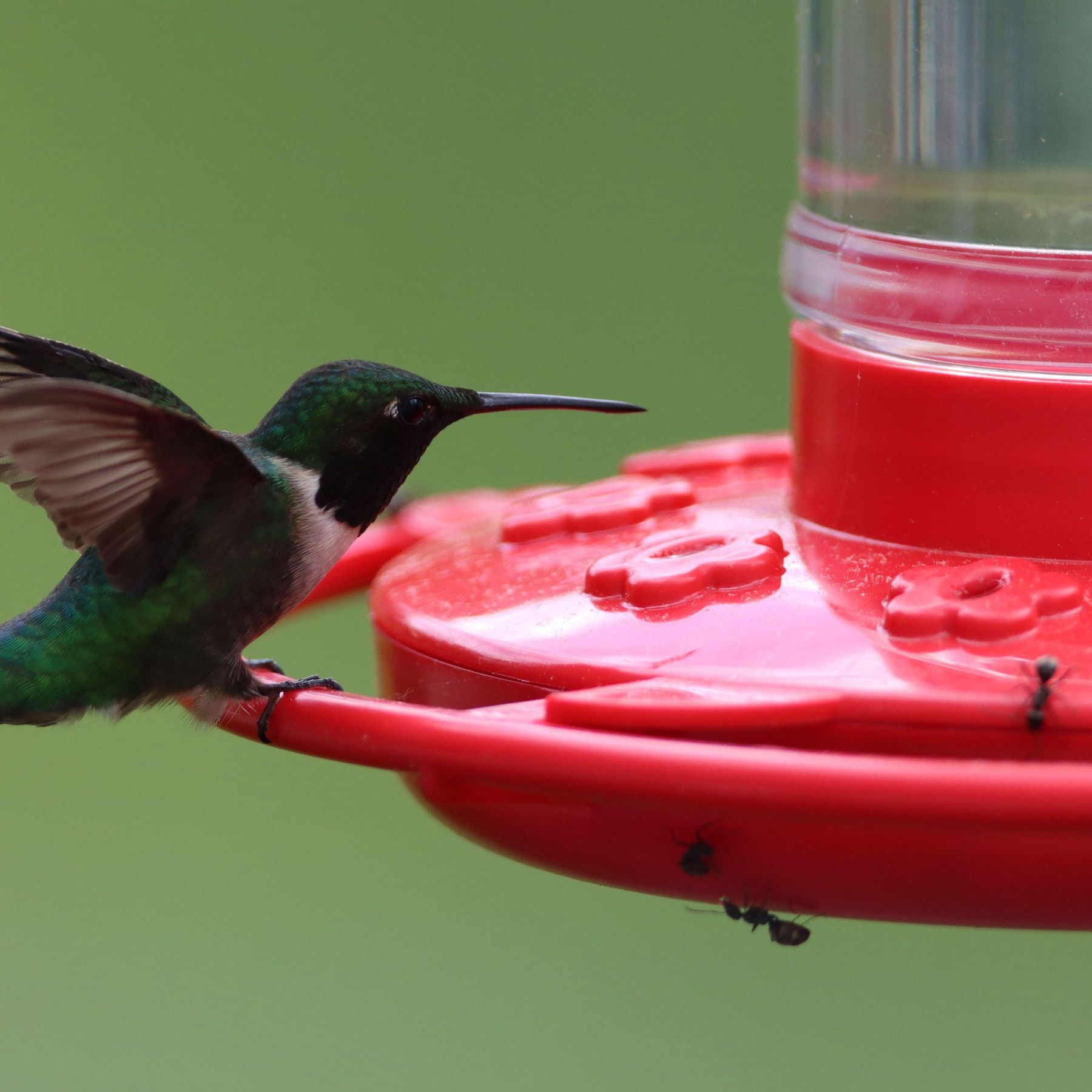
Credit: www.homesandgardens.com
Frequently Asked Questions
Can Regular Birds Drink From Hummingbird Feeders?
Yes, many regular birds can drink from hummingbird feeders. However, feeders are designed for hummingbirds’ small beaks. Larger birds may struggle or damage the feeder, but they often access the nectar if it’s easily reachable.
Do Regular Birds Prefer Hummingbird Nectar?
Regular birds may eat hummingbird nectar, but it’s not ideal for them. Nectar is high in sugar and lacks protein. Birds like orioles or woodpeckers may enjoy it, but most prefer seeds, insects, or fruits.
Will Regular Birds Harm Hummingbird Feeders?
Some regular birds can damage hummingbird feeders. Larger birds may peck or try to perch, causing spills or breakage. Using feeders with built-in guards helps protect them from bigger birds and ensures hummingbirds have safe access.
How Can I Keep Regular Birds Away From Feeders?
To deter regular birds, use feeders designed specifically for hummingbirds. Place feeders in open areas away from perches. Adding bee guards or smaller feeding ports can prevent larger birds from accessing the nectar.
Conclusion
Regular birds can drink from hummingbird feeders, but it is not ideal. These feeders are made for hummingbirds’ long beaks and fast tongues. Bigger birds may find it hard to reach the nectar. Sometimes, they can spill or dirty the feeder.
To keep all birds happy, offer different feeders. Use ones made for larger birds alongside hummingbird feeders. This way, every bird gets the right food easily. Watching various birds visit your yard brings joy and helps nature thrive. Simple care ensures your feeders stay clean and safe for all visitors.




