
Have you ever wondered why exotic birds are kept in a tanked warehouse? It might seem unusual at first, but there’s a fascinating reason behind it.
If you’re curious about how these colorful creatures thrive away from their natural homes, you’re in the right place. By the end of this article, you’ll understand why this setup is not only practical but also beneficial for the birds and those who care for them.
Keep reading to discover the surprising truth that connects exotic birds and tanked warehouses.
Exotic Birds In Unusual Places
Exotic birds are often seen as creatures of vibrant rainforests or carefully maintained aviaries. Yet, spotting them in places like tanked warehouses can surprise even the most seasoned bird watchers. This odd pairing raises questions about how these colorful creatures find their way into such unexpected settings.
Common Habitats Vs Unexpected Locations
Most exotic birds thrive in tropical forests, savannas, or specialized sanctuaries designed to mimic their natural environment. These areas provide the right climate, food, and shelter they need to survive and flourish.
However, warehouses—especially tanked ones—are far from these ideal conditions. They are usually dark, enclosed, and lack natural vegetation. So why do some exotic birds end up here?
Have you ever considered how a place built for storage could turn into an accidental bird habitat? This contrast highlights the adaptability of some bird species and the unusual circumstances that bring them to such locations.
How Birds End Up In Warehouses
There are several reasons exotic birds might find themselves inside warehouses:
- Accidental Entry:Birds can fly into open loading bays or broken windows, especially if attracted by insects or light sources.
- Transport and Trade:Warehouses often store goods related to pet trade or exotic animal shipments, increasing the chance of accidental escape.
- Seeking Shelter:In harsh weather, birds may look for safe places to rest, and warehouses provide shelter from predators and storms.
Once inside, these birds might stay longer than expected, drawn by warmth or food scraps. You might wonder, could your local warehouse be a hidden refuge for wildlife?
Next time you pass by an industrial area, take a moment to look up or listen carefully—you might just spot an unexpected feathered visitor.
The Tanked Warehouse Setting
The Tanked Warehouse Setting is unlike any typical storage space you might imagine. It’s a unique environment that combines industrial utility with unexpected elements of nature. This setting plays a crucial role in why exotic birds find a home here, making it a fascinating topic to understand.
What Is A Tanked Warehouse?
A tanked warehouse is a storage facility designed with large tanks or containers inside. These tanks often hold liquids or other materials that require special handling. The design creates a controlled environment that can be adjusted for specific needs.
Unlike regular warehouses, tanked warehouses focus on maintaining stable conditions. This stability can be beneficial for both the stored goods and, surprisingly, for exotic birds. The structure’s layout and purpose make it an unexpected habitat for these creatures.
Conditions Inside The Warehouse
The conditions inside a tanked warehouse are carefully managed. Temperature, humidity, and air quality are kept consistent to protect the tanks’ contents. These same conditions also create a comfortable environment for exotic birds.
Imagine a place where the air is neither too dry nor too humid, and the temperature stays steady throughout the day. This balance is perfect for birds that come from tropical or subtropical climates. It’s no wonder some exotic species feel right at home here.
Have you ever thought about how much environment affects animal behavior? The tanked warehouse setting shows that even an industrial space can turn into a sanctuary with the right conditions.
Origins Of The Exotic Birds
Exotic birds found in Tanked Warehouse have diverse and complex origins. Their presence often traces back to distant forests and tropical regions. These birds come from different continents and climates. Understanding their origins helps reveal how they arrive in such unusual places.
Many factors play a role in moving these birds far from their natural homes. Some arrive through legal channels, while others come via illegal means. The journey of these birds involves several sources and routes, each with unique challenges and risks.
Possible Sources And Routes
Exotic birds often come from countries rich in biodiversity. Tropical rainforests in South America, Africa, and Southeast Asia serve as common sources. Birds are captured from the wild or bred in captivity. Some birds are exported through authorized breeders or pet trade markets.
Shipping routes vary widely. Birds may travel by air or sea, passing through multiple countries. Transit hubs and international airports often see large volumes of these exotic animals. Sometimes, birds are smuggled in hidden compartments or inside cargo shipments.
Illegal Trade And Smuggling Risks
Illegal trade remains a major threat to exotic bird populations. Smugglers often capture birds unlawfully, ignoring conservation laws. These birds suffer from poor conditions and high mortality during transport. The illegal trade fuels demand for rare and colorful species.
Authorities struggle to control smuggling due to complex networks. Birds may be disguised as common pets or hidden among other goods. Penalties exist but enforcement can be weak in some regions. This illegal activity harms wildlife and disrupts ecosystems.
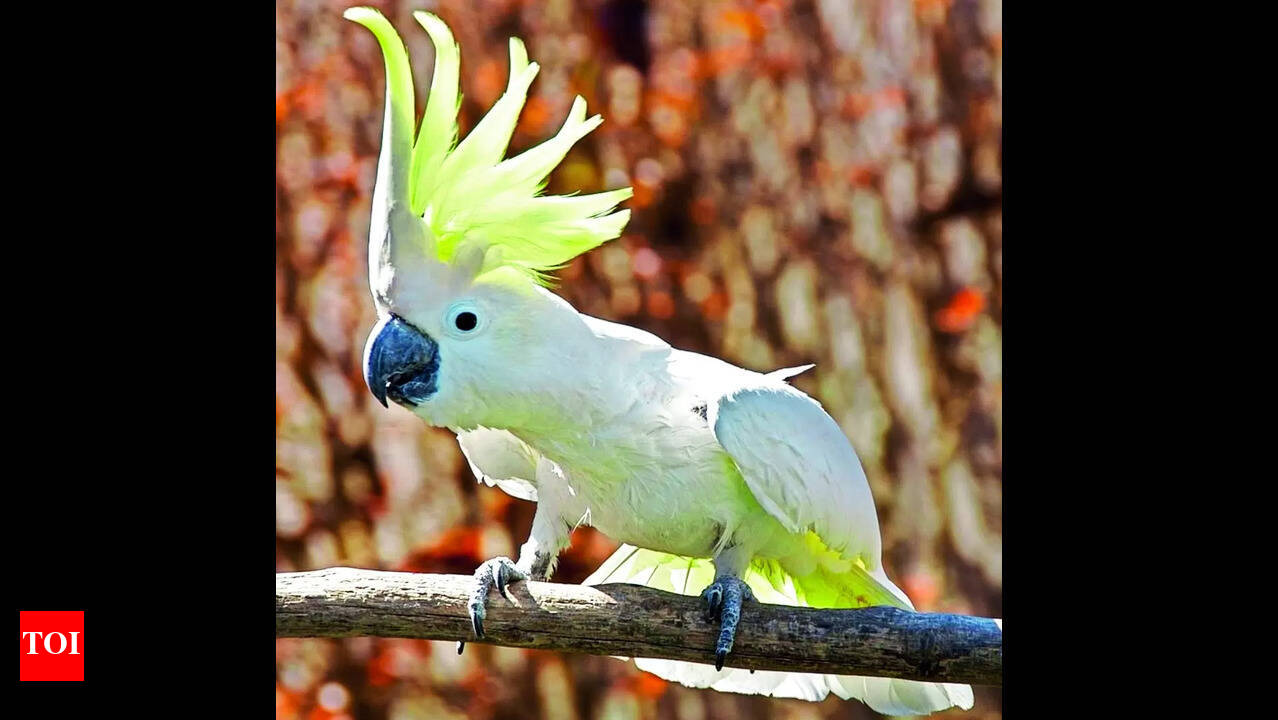
Credit: timesofindia.indiatimes.com
Impact On The Warehouse Environment
Exotic birds in tanked warehouses create unique noise and movement, affecting workers and stored goods. Their presence can change air quality and add natural elements to the environment. This unusual mix may impact daily warehouse operations and safety.
The presence of exotic birds in a tanked warehouse creates a unique environment. Their vibrant colors and sounds make the space lively. Yet, these birds can also affect the warehouse operations. Understanding these impacts is crucial for maintaining balance.Effects On Stored Goods
Exotic birds in a warehouse can pose risks to stored goods. Their droppings may contaminate products, leading to spoilage or damage. Feathers and nesting materials can clog machinery and systems. This may result in costly repairs or downtime. Food products are especially vulnerable to contamination.Bird Behavior In Confined Spaces
Birds behave differently in confined spaces like warehouses. They may become stressed, causing erratic flying patterns. This can lead to collisions with walls or objects. Stress may also lead to aggressive behavior towards humans or other birds. Birds might also create nests in unsuitable areas. This disrupts the warehouse’s normal operations.Legal And Ethical Concerns
The presence of exotic birds in a tanked warehouse raises serious legal and ethical questions. These concerns address the protection of wildlife and the duties of those who keep such animals. Understanding these issues helps highlight the importance of proper care and compliance with laws.
Wildlife Protection Laws
Many countries have strict laws to protect exotic birds. These laws control the capture, sale, and ownership of wild animals. They aim to prevent illegal trade and protect endangered species.
Violating these laws can lead to heavy fines or criminal charges. Authorities may seize birds kept without permits. These rules ensure that birds are not taken from their natural habitats unlawfully.
Responsibility Of Warehouse Owners
Warehouse owners must ensure the welfare of exotic birds in their care. This includes providing proper housing, food, and medical care. Neglecting these duties is both unethical and illegal.
Owners should also follow all permits and regulations. They must maintain clean, safe environments to prevent stress or injury to the birds. Ethical ownership means respecting the needs and rights of these creatures.

Credit: local21news.com
Efforts To Resolve The Mystery
Authorities investigate how exotic birds ended up in the tanked warehouse. Experts examine possible smuggling or illegal trading activities. Local witnesses share observations to help solve the puzzling discovery.
Efforts to resolve the mystery of exotic birds in the Tanked Warehouse are ongoing. Various experts and organizations are delving into this unusual situation. Their aim is to understand how these vibrant creatures ended up in this unexpected location. The community is eager for answers, fueling extensive investigations and initiatives. Let’s explore the steps being taken to uncover the truth.Investigations And Findings
Several teams have been dispatched to investigate the warehouse. Ornithologists and wildlife experts are at the forefront. They are examining the habitat and the birds’ health conditions. Initial observations suggest some birds may have escaped from nearby aviaries. Others might have been abandoned by previous owners. Surveillance footage is being reviewed for additional clues. Witnesses are being interviewed to gather more insights.Rescue And Relocation Initiatives
Rescue operations have been launched to ensure the birds’ safety. Animal welfare organizations are actively involved. They are coordinating efforts to capture and relocate the birds humanely. Temporary shelters have been set up to house these exotic species. Rehabilitation programs are in place to prepare them for new environments. Volunteers are assisting in the relocation process. They are playing a crucial role in educating the public about responsible pet ownership.Lessons From The Incident
The incident involving exotic birds in a tanked warehouse offers important lessons. It shows how unexpected situations can arise from poor planning and care. Learning from this can help protect animals and prevent damage in the future.
Understanding these lessons improves safety and awareness. It guides businesses and communities in handling exotic animals responsibly. The event stresses the need for clear rules and education.
Preventing Future Occurrences
Proper storage and regular inspections reduce risks. Secure enclosures keep birds safe and stop escapes. Staff training ensures quick responses to emergencies. Clear protocols prevent confusion and mistakes.
- Check cages and tanks often for damages
- Keep exotic birds in controlled, safe areas
- Train workers on animal care and emergency steps
- Use signs and barriers to protect animals
Raising Awareness About Exotic Birds
Sharing facts about exotic birds helps people understand their needs. Education reduces harm caused by ignorance or fear. Communities learn how to treat these animals with respect. Awareness encourages support for wildlife protection laws.
- Hold workshops on exotic bird care
- Distribute easy guides about these birds
- Use social media to spread awareness
- Promote local wildlife conservation programs
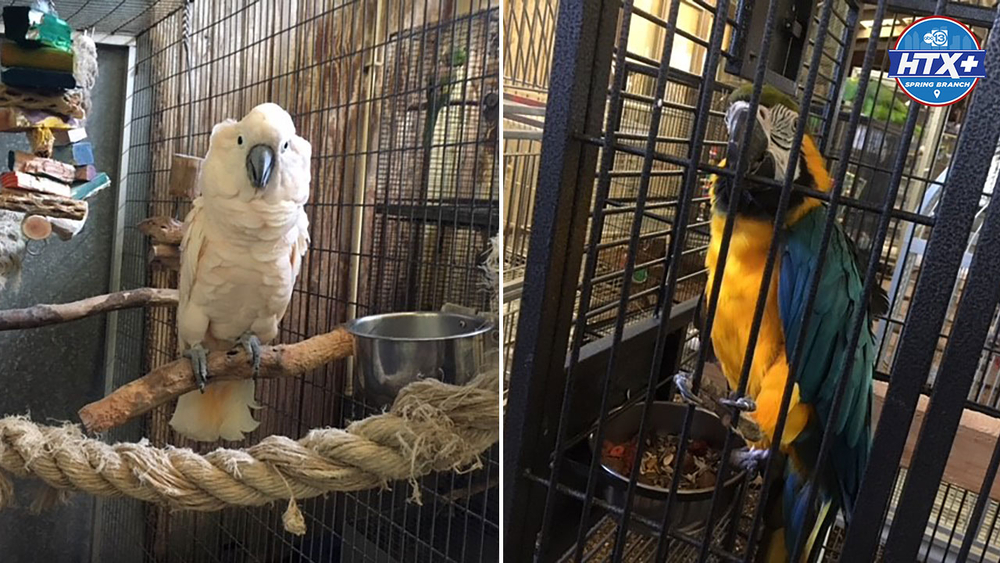
Credit: abc13.com
Frequently Asked Questions
Why Are Exotic Birds Kept In A Tanked Warehouse?
Exotic birds in tanked warehouses are often kept for controlled environments. These warehouses provide stable temperatures and humidity. This helps maintain bird health. It also supports breeding and research efforts in a secure space.
How Do Tanked Warehouses Benefit Exotic Bird Care?
Tanked warehouses offer protection from predators and weather. They allow precise climate control for birds’ comfort. This reduces stress and disease risks. Specialized feeding and monitoring are easier in these controlled settings.
Are Tanked Warehouses Used For Exotic Bird Breeding?
Yes, tanked warehouses create ideal breeding conditions. Controlled environments improve reproductive success. Breeders can manage lighting, temperature, and humidity precisely. This promotes healthy offspring and species conservation.
Do Exotic Birds In Warehouses Need Special Diets?
Exotic birds require tailored diets matching their natural nutrition. Tanked warehouses facilitate specialized feeding programs. This ensures proper nutrients and supports birds’ overall well-being and growth.
Conclusion
Exotic birds add life and color to Tanked Warehouse. They create a unique and lively atmosphere for visitors. These birds also help educate people about wildlife. Their presence makes the space feel more natural and inviting. Keeping them safe and happy is a top priority.
This blend of nature and industry offers a special experience. Visitors often leave with a new appreciation for exotic birds. It shows how animals and humans can share spaces. A simple idea with a big impact.




