
Have you ever wondered where exotic birds live in the wild? Imagine spotting a vibrant macaw or a rare bird of paradise in its natural home.
Knowing where these colorful creatures are found can make your next adventure unforgettable. You’ll discover the top places around the world where exotic birds thrive. Whether you’re a bird lover or simply curious, this guide will open your eyes to nature’s most stunning feathered wonders.
Keep reading to find out where your next birdwatching dream can come true.
Tropical Rainforests
Tropical rainforests host some of the most colorful and diverse exotic birds. These forests offer warm temperatures and high rainfall. They create perfect homes for many bird species. Dense trees, thick vines, and bright flowers attract birds with unique colors and calls. Rainforests provide shelter, food, and breeding spots for exotic birds.
Amazon Basin
The Amazon Basin in South America is the largest tropical rainforest. It shelters thousands of bird species. Macaws, toucans, and harpy eagles live here. The forest’s dense canopy offers safety and food. Rivers in the basin add to the rich habitat. Birds feed on fruits, insects, and small animals found here.
Southeast Asian Jungles
Southeast Asia’s jungles stretch across countries like Indonesia and Malaysia. These forests have hornbills, pittas, and paradise flycatchers. The thick, humid environment supports many bird families. Bright feathers blend with the jungle’s colors. Birds often perch on branches or hidden spots to hunt or rest.
Central African Forests
Central Africa’s rainforests are home to rare birds like turacos and parrots. These forests cover countries such as Congo and Gabon. Dense trees and rich plants offer food and shelter. Many birds here use loud calls to communicate through thick foliage. The forests’ complexity supports a wide variety of exotic birds.

Credit: vocal.media
Island Ecosystems
Island ecosystems are natural sanctuaries where exotic birds thrive in unique environments. These isolated habitats often create conditions that encourage the evolution of species found nowhere else on Earth. As you learn about these places, you might wonder how isolation shapes the vibrant birdlife there.
Galapagos Islands
The Galapagos Islands are famous for their incredible bird diversity. Here, you’ll find the iconic Darwin’s finches, each species adapted to different food sources and habitats.
These birds show how isolation drives evolution in action. When you visit or study these islands, you witness nature’s creativity in crafting specialized species.
Madagascar
Madagascar holds a treasure trove of exotic birds, many of which exist nowhere else. Its rainforests and dry deciduous forests provide varied niches for birds like the vangas and ground-rollers.
The island’s long separation from mainland Africa allowed these birds to evolve unique traits. Have you ever thought about how such isolation influences survival strategies?
Hawaiian Archipelago
The Hawaiian Islands are home to a remarkable group of honeycreepers, colorful birds that evolved from a common ancestor. Each island hosts different species adapted to specific environments, from lush forests to volcanic slopes.
These birds demonstrate the power of adaptation in isolated settings. If you pay attention, you’ll see how these ecosystems teach us about resilience and change.
Mountainous Regions
Mountainous regions offer some of the most fascinating habitats for exotic birds. These areas have unique climates and diverse vegetation that support species you won’t find anywhere else. If you’ve ever wondered where to spot rare birds with vibrant colors or unusual calls, these high-altitude places might surprise you.
Andes Mountains
The Andes stretch across South America and are home to an incredible variety of exotic birds. You can find hummingbirds with iridescent feathers and the elusive Andean condor soaring high above the peaks. The mix of cloud forests and alpine grasslands creates perfect conditions for these birds to thrive.
Imagine hiking through misty mountain trails and suddenly hearing the sharp whistle of a torrent duck or spotting a colorful tanager perched on a branch. These moments prove how rich the Andes are for bird lovers. Have you ever thought about how altitude affects bird behavior and appearance?
Himalayas
The Himalayas, the world’s tallest mountain range, shelter birds adapted to cold and rugged environments. Species like the Himalayan monal, with its dazzling plumage, make these mountains a birdwatcher’s dream. You’ll also find pheasants, snowcocks, and various species that change altitude with the seasons.
Walking through rhododendron forests here, you might catch a glimpse of birds that seem almost otherworldly. The Himalayas challenge birds with thin air and harsh weather, yet they flourish. What makes these birds so resilient in such extreme conditions?
New Guinea Highlands
The highlands of New Guinea stand out for their extraordinary bird diversity and endemism. This region boasts some of the most spectacular birds-of-paradise, known for their elaborate dances and feathers. The dense forests and rugged terrain provide the perfect stage for these natural performances.
I once watched a bird-of-paradise display its vibrant plumage right before my eyes—it was a reminder of how isolated mountain habitats can foster unique evolutionary paths. If you want to see birds that combine beauty with mystery, the New Guinea Highlands should be on your list. How do you think such isolation shapes the evolution of bird species?
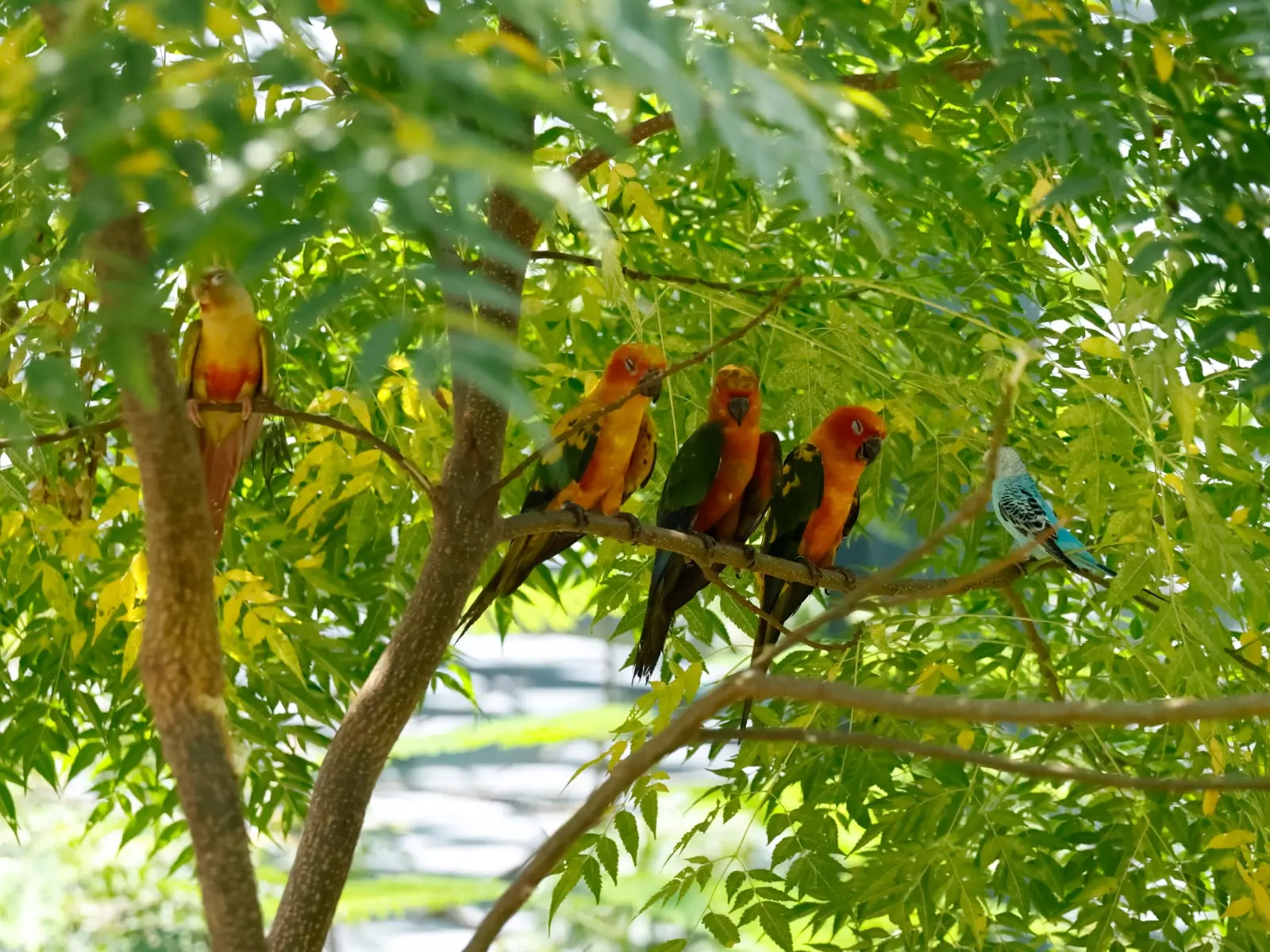
Credit: www.deccanchronicle.com
Wetlands And Mangroves
Wetlands and mangroves serve as crucial habitats for many exotic birds. These areas provide food, shelter, and breeding grounds that attract a diverse range of species. If you want to see vibrant plumage and hear unique bird calls, these ecosystems are must-visit spots.
Pantanal
The Pantanal in South America is the world’s largest tropical wetland. It hosts hundreds of bird species, including the iconic hyacinth macaw and jabiru stork. Walking through the Pantanal, you can spot birds resting on water lilies or soaring above flooded plains, offering unforgettable wildlife encounters.
Sundarbans
The Sundarbans, spanning India and Bangladesh, are famous for their dense mangrove forests. These tangled roots shelter birds like the masked finfoot and mangrove pitta. If you explore early morning, you’ll notice how birdlife bursts to life with vivid colors and lively sounds.
Florida Everglades
The Florida Everglades are a vast network of wetlands rich in bird diversity. Here, you can see roseate spoonbills, anhinga, and elusive bitterns. Visiting this area challenges you to stay alert—birds often hide in the reeds, rewarding patient watchers with rare sightings.
Grasslands And Savannas
Grasslands and savannas offer a unique habitat for exotic birds, combining open spaces with scattered trees or shrubs. These environments support a wide range of bird species adapted to the specific climate and vegetation. If you enjoy birdwatching, understanding where these birds live can enhance your experience and help you spot some truly remarkable species.
African Savannas
The African savannas are home to many iconic exotic birds. You might spot the Secretarybird, known for its long legs and impressive hunting skills. Vultures and weaver birds also thrive here, each playing a crucial role in the ecosystem.
Visiting the savannas, you’ll notice how these birds adapt to the dry seasons and open landscapes. Have you ever wondered how they find water and food during harsh times? Their survival tactics are a fascinating study in resilience.
South American Pampas
The Pampas stretch across Argentina and Uruguay, offering vast grasslands ideal for ground-nesting birds. The Greater Rhea, a large flightless bird, roams these plains, while the elegant Burrowing Owl uses abandoned burrows for shelter.
Birds here have adapted to open spaces with minimal cover, relying on speed and camouflage. Next time you visit, watch closely for these quick movers. Do you think you could spot a camouflaged bird in such wide-open terrain?
Australian Outback
The Australian Outback’s grasslands are home to vibrant birds like the Cockatoo and the Emu. These birds are built to handle extreme temperatures and scarce water sources. Their colorful feathers make them stand out against the dusty landscape.
Spending time in the Outback reveals how these birds communicate over long distances. You might hear their calls echoing across the plains. Have you ever considered how sound travels differently in open spaces like these?
Conservation Hotspots
Discover the vibrant world of exotic birds in lush rainforests and remote islands. These conservation hotspots are home to unique species, thriving in their natural habitats. From the Amazon to Madagascar, these areas offer a glimpse into the fascinating lives of colorful avian wonders.
Conservation hotspots are vital areas teeming with exotic birds. These regions are crucial for preserving the unique biodiversity that these birds bring to our planet. By focusing on conservation hotspots, we can ensure that these vibrant species continue to thrive.Protected Reserves
Protected reserves play a critical role in safeguarding exotic birds. These areas are often chosen for their rich biodiversity and minimal human disturbance. Imagine walking through the lush forests of Brazil’s Amazon Rainforest, where the vibrant colors of parrots and toucans enliven the canopy above you. Preserving these natural habitats helps maintain the delicate balance of ecosystems. The success of these reserves depends on continuous protection and community support. What are you doing to support such efforts in your region?Endangered Species Habitats
Endangered species habitats are where conservationists focus their most urgent efforts. These areas are home to bird species on the brink of extinction. In Madagascar, the plight of the Madagascar Pochard serves as a poignant reminder of what we stand to lose. Conservationists work tirelessly to monitor these habitats and implement breeding programs. Their work is a race against time, but with your support, these efforts can make a real difference. How can you contribute to the survival of these endangered species?Community Conservation Areas
Community conservation areas empower local communities to protect their natural environments. These areas encourage local involvement, ensuring that conservation benefits those who live closest to these magnificent birds. Imagine a village in Indonesia actively participating in the preservation of the Javan Hawk-Eagle. Their efforts not only protect the species but also enhance their own quality of life through eco-tourism. Could community-driven initiatives be the key to sustainable conservation? Engaging with conservation hotspots is not just about saving birds—it’s about preserving the intricate web of life they support. Your actions can make a difference. What steps will you take to protect these essential habitats?
Credit: birdsnways.com
Frequently Asked Questions
Where Do Most Exotic Birds Naturally Live?
Most exotic birds live in tropical rainforests, especially in South America, Southeast Asia, and Africa. These habitats offer food and shelter.
Which Countries Have The Highest Exotic Bird Diversity?
Countries like Brazil, Indonesia, and Colombia have the highest exotic bird diversity due to their vast rainforests and diverse ecosystems.
How Do Exotic Birds Adapt To Their Natural Habitats?
Exotic birds adapt through unique colors, beak shapes, and behaviors that help them find food and avoid predators in their environment.
Can Exotic Birds Be Found Outside Rainforests?
Yes, some exotic birds live in savannas, wetlands, and mountainous regions, but rainforests remain their primary natural habitat.
Conclusion
Exotic birds live in many special places worldwide. Rainforests, islands, and wetlands often hold the most colorful birds. Each region offers unique birds with bright feathers and strange calls. Protecting their homes helps keep these birds safe. Watching exotic birds reminds us how diverse nature is.
Exploring their habitats can be a fun adventure. These birds teach us about the beauty of the wild. Nature’s wonders are all around, waiting to be seen.




