
Have you ever stopped to admire a beautiful bird in flight and wondered how people capture such stunning images? If you’re curious about the art behind those breathtaking photos, you’re in the right place.
Bird photography is more than just snapping pictures—it’s a skill that blends patience, timing, and a deep connection with nature. You’ll discover exactly what bird photography is called, why it’s so special, and how you can start exploring this fascinating hobby yourself.
Ready to see the world of birds through a new lens? Keep reading to unlock the secrets of bird photography!
Credit: photographylife.com
Bird Photography Basics
Bird photography basics form the foundation of capturing stunning images of birds in their natural habitats. It’s about patience, understanding bird behavior, and having the right skills to freeze those fleeting moments. Whether you’re just starting or looking to improve, knowing the essentials will elevate your bird photography experience.
Types Of Bird Photography
Bird photography isn’t just one style; it varies based on what you want to capture. Some photographers focus on bird portraits, highlighting the bird’s colors and features up close. Others prefer action shots, capturing birds in flight or during feeding.
There’s also habitat photography, where the environment plays a big role, showing birds in their ecosystem. Which type excites you the most? Identifying this can help you focus your efforts and gear choices.
Essential Gear For Bird Shots
Your gear can make or break your bird photos. A camera with a fast autofocus system and a telephoto lens (at least 300mm) is crucial to get sharp and detailed shots from a distance. Don’t forget a sturdy tripod or monopod; holding a heavy lens steady for long periods is tough.
Other useful items include extra batteries, memory cards, and a weather-resistant camera bag. I once missed a rare bird because my battery died early—always carry spares. Have you checked if your gear is ready for your next birding trip?
Choosing The Right Camera Settings
Setting your camera correctly can dramatically improve your bird photos. Use a fast shutter speed (1/1000 sec or faster) to freeze motion, especially when birds are flying. Aperture should be wide enough (f/5.6 or lower) to blur the background and make the bird stand out.
ISO settings depend on light but keep it as low as possible to reduce noise. Continuous autofocus mode helps track moving birds efficiently. Have you experimented with these settings to see what works best in your shooting conditions?

Credit: ebird.org
Techniques For Capturing Birds
Capturing birds in their natural environment takes patience and skill. Using the right techniques can make your photos stand out. Understanding bird behavior and the environment helps improve your shots.
Focus on clear, sharp images that show the bird’s details and actions. Prepare yourself with the right gear and knowledge to get the best results.
Finding The Perfect Location
Choose spots where birds often gather. Wetlands, forests, and parks are great places to start. Look for areas with food sources and water. Early visits help you learn bird habits and popular perches. Use binoculars to scout from a distance. Local birdwatching groups and apps can guide you to good locations.
Timing And Lighting Tips
Light is key to beautiful bird photos. Shoot early in the morning or late in the afternoon. This time offers soft, warm light that adds depth. Avoid harsh midday sun, which causes strong shadows. Overcast days provide even lighting that reduces glare. Be patient and wait for the best light to highlight feathers and colors.
Approaching Birds Without Disturbing
Move slowly and quietly to avoid scaring birds away. Wear neutral colors that blend with nature. Keep your distance and use a zoom lens for close-ups. Stop often and observe if birds feel safe. Avoid sudden movements or loud noises. Use natural cover like bushes or trees to hide your approach. Respect wildlife and their space for better photos.
Creative Approaches
Creative approaches in bird photography can transform ordinary shots into captivating stories. It’s not just about pointing your camera at a bird; it’s about how you frame your subject, what moments you choose to capture, and how you bring life and emotion into your images. These techniques challenge you to see beyond the bird itself and think about the entire scene.
Using Backgrounds And Composition
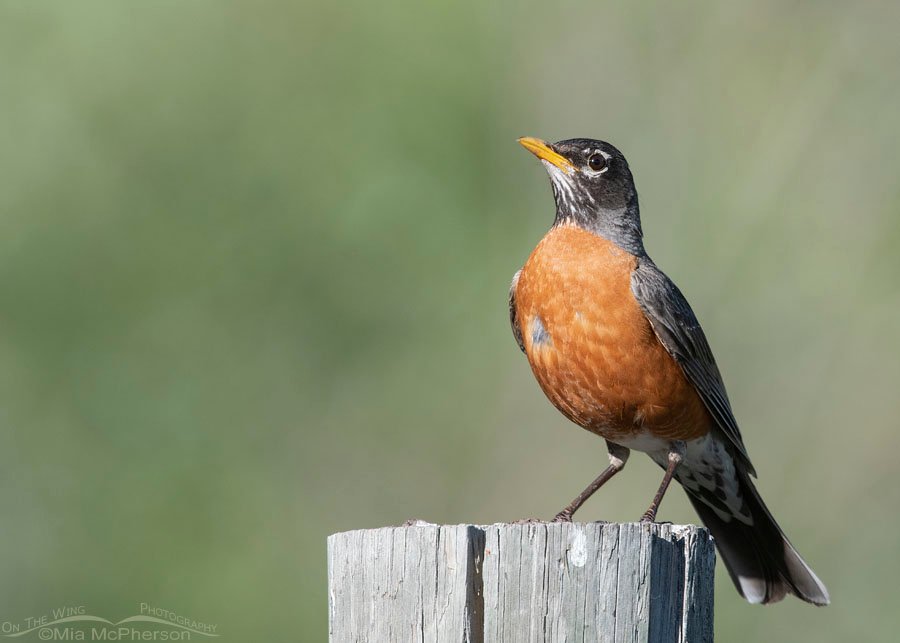
Backgrounds play a huge role in making your bird photos stand out. Look for simple, uncluttered backgrounds that highlight your subject without distractions. Soft, blurred backgrounds often make birds pop and add a professional touch.
Think about composition rules like the rule of thirds, but don’t be afraid to break them. Placing the bird off-center or capturing it through natural frames like branches can add depth and interest. Have you tried changing your angle or height to create a fresh perspective?
Capturing Bird Behavior
Birds tell stories through their actions—preening, feeding, or interacting with others. Capturing these moments requires patience and observation. When you focus on behavior, your photos gain emotional weight and reveal the bird’s personality.
Try to anticipate what the bird might do next. Watching for subtle cues, like a head tilt or a wing stretch, can help you snap at the perfect time. What behaviors have you noticed that others might miss?
Incorporating Action And Flight
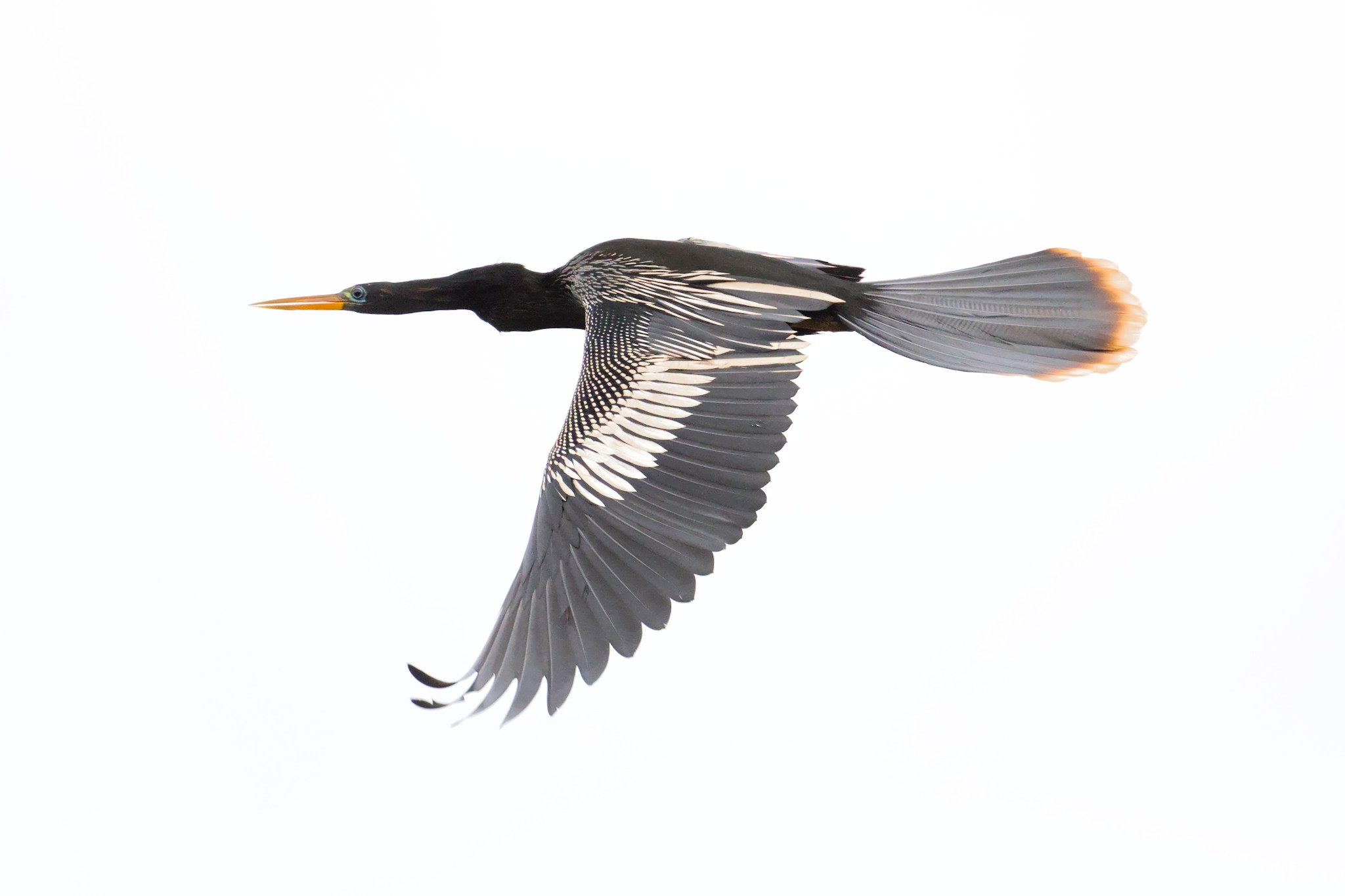
Action shots bring energy and dynamism to bird photography. Capturing a bird in flight or mid-hop shows movement and life. Use faster shutter speeds to freeze motion or slower speeds for creative blur effects.
Position yourself where birds often take off or land, such as near water or feeding spots. This increases your chances of dramatic flight shots. How do you prepare your gear and mindset to catch these fleeting moments?
Credit: www.onthewingphotography.com
Post-processing Tips
Post-processing is a key part of bird photography. It helps bring out the best in your photos. With the right edits, your images can look sharper, more colorful, and better framed. Simple changes can make your bird photos stand out and look professional. Here are some important tips to improve your bird pictures after shooting.
Editing For Sharpness And Detail
Sharpness makes your bird photos clear and crisp. Use editing tools to enhance edges and fine details. Avoid over-sharpening, which can create noise or halos. Focus on the bird’s feathers and eyes to make them pop. Subtle adjustments improve the overall quality without losing natural look.
Color Correction And Enhancement
Correcting colors brings your photos closer to what you saw. Adjust white balance to fix color casts caused by light. Enhance colors gently to keep them natural. Boost saturation and contrast slightly to make birds more vivid. This makes feathers and backgrounds more attractive and true to life.
Cropping And Framing
Cropping helps remove distractions and focus on the bird. Use cropping to improve composition and balance. Follow the rule of thirds to place the bird in a pleasing spot. Tight crops highlight details, while wider crops show the bird’s environment. Good framing guides the viewer’s eye to the subject.
Common Challenges
Bird photography demands patience and precision, but it also comes with a set of unique challenges. These hurdles can test your skills and patience, yet overcoming them makes the shots even more rewarding. Understanding these common challenges helps you prepare and adapt your approach for better results.
Dealing With Fast Movement
Birds rarely stay still, making it tough to capture sharp images. Their sudden flights or quick head turns require you to react instantly. Using a fast shutter speed and continuous autofocus can help you keep up with their unpredictable motion.
Have you noticed how some photographers anticipate a bird’s next move? Observing patterns and behavior beforehand gives you an edge in timing your shot.
Managing Low Light Conditions
Early mornings and late afternoons often provide the best bird activity but come with poor lighting. Low light can cause blurry photos if your camera settings aren’t adjusted. Increasing ISO and using a wider aperture help you capture clear images without losing detail.
Remember, every camera has its noise limits at high ISO—finding a balance is key. Have you tried experimenting with exposure compensation to brighten shadows without overexposing highlights?
Avoiding Common Mistakes
Many beginners make avoidable errors like using the wrong focus mode or underestimating background distractions. It’s important to check your settings before you start shooting. Also, pay attention to the background; clutter can ruin an otherwise perfect shot.
Try to stay patient and avoid rushing your shots. Do you ever review your photos immediately to learn from what worked and what didn’t? This habit can sharpen your technique over time.
Bird Photography Ethics
Bird photography is often called avian photography or birdwatching photography. It focuses on capturing birds in their natural habitats with respect and care. Ethical bird photography avoids disturbing or harming the birds during the process.
Bird photography is a rewarding hobby. Capturing the beauty of birds requires patience and skill. But, it’s important to practice bird photography ethically. Respecting the environment and the creatures within it is crucial. This ensures that future generations can enjoy the same natural wonders.Respecting Wildlife And Habitat
Birds thrive in their natural habitats. Photographers should prioritize the well-being of birds over getting the perfect shot. Respect the space that birds need to live and feed. Avoid trampling plants or disturbing nests. Stay on marked paths to protect the environment.Minimizing Disturbance
Birds can be sensitive to human presence. Quick movements and loud noises might scare them. Keep a safe distance from your subjects. Use zoom lenses to capture close-up shots without intrusion. Turn off camera sounds to keep the area peaceful. This helps birds feel safe and undisturbed.Following Local Guidelines
Many areas have rules for wildlife photography. These protect both the animals and their habitats. Learn and follow these guidelines in each location you visit. Some places might have restricted areas to prevent habitat damage. Respect these rules to support conservation efforts.Sharing And Showcasing
Bird photography is called ornithology photography or simply birding photography. Sharing these photos helps others appreciate bird beauty and behavior. Showcasing your shots connects you with fellow bird lovers worldwide.
Sharing and Showcasing Bird photography is not just about capturing beautiful images; it’s about sharing your unique perspective with the world. When you share your work, you invite others into the tranquil yet thrilling world of avian life. Whether it’s through a curated portfolio, engaging with communities, or participating in contests, showcasing your bird photography can be incredibly rewarding.Building A Portfolio
Creating a portfolio is the first step in showcasing your bird photography. It allows you to present your best work in a cohesive manner. Choose a mix of images that highlight different species, lighting conditions, and locations. A well-organized portfolio can also serve as a personal archive of your progress and achievements. Consider online platforms like Adobe Portfolio or Squarespace to display your work professionally. Remember, your portfolio is a reflection of your skills and passion, so update it regularly with new and exciting shots.Joining Bird Photography Communities
Connecting with like-minded individuals can significantly enhance your bird photography journey. Online communities like Flickr, Facebook groups, or dedicated forums provide a platform for sharing, feedback, and growth. Participating in these groups helps you learn from others, exchange tips, and stay inspired. You might even make new friends who share your enthusiasm for capturing the delicate beauty of birds.Participating In Contests And Exhibitions
Contests and exhibitions offer a fantastic avenue to showcase your talent to a broader audience. They can also provide valuable recognition and feedback from experienced judges. Look for local and international competitions that align with your photography style. Exhibitions, whether online or in-person, allow you to display your work while connecting with potential clients or collaborators. Winning or even participating in these events can boost your confidence and credibility as a bird photographer. Have you ever considered how your unique perspective could captivate an audience? Sharing your bird photography could be your chance to inspire others and make a lasting impact.Frequently Asked Questions
What Is Bird Photography Called?
Bird photography is commonly known as avian photography. It focuses on capturing images of birds in their natural habitat. This niche requires patience, specialized equipment, and knowledge of bird behavior. It combines wildlife photography techniques with a passion for birds.
What Equipment Is Best For Bird Photography?
Bird photography needs a camera with a fast shutter speed and a telephoto lens. A DSLR or mirrorless camera with at least 300mm lens is ideal. Tripods and camouflage gear also help capture clear and undisturbed bird images.
How To Start Bird Photography For Beginners?
Begin by learning bird species and their habits. Use a basic camera with zoom to practice. Patience and steady hands are key. Visit local parks or reserves to gain experience before investing in advanced gear.
Why Is Bird Photography Challenging?
Bird photography is challenging due to birds’ fast movements and unpredictable behavior. Lighting conditions change outdoors, and getting close without scaring birds requires skill. It demands patience, quick reflexes, and technical knowledge to capture sharp, detailed images.
Conclusion
Bird photography is called ornithology photography or simply birding photography. It captures birds in their natural habitat. This type of photography needs patience and quick reflexes. Good equipment helps to get clear, sharp images. Many people enjoy it as a hobby or profession.
It connects us with nature and its beauty. Practicing often improves skills and results. Try to learn about birds to take better photos. Bird photography offers fun and peace at the same time. Keep shooting and enjoy every moment outdoors.




