
Are you worried about leaks in your bird bath and wondering if Flex Seal is the right fix? You want something that works fast, lasts long, and most importantly, keeps your feathered friends safe.
But is Flex Seal really safe to use around birds and water? Before you grab that can, it’s important to know how it affects your bird bath and the environment. Keep reading to discover everything you need to make the best choice for your outdoor oasis.
Your birds will thank you!

Credit: www.amazon.eg
What Is Flex Seal
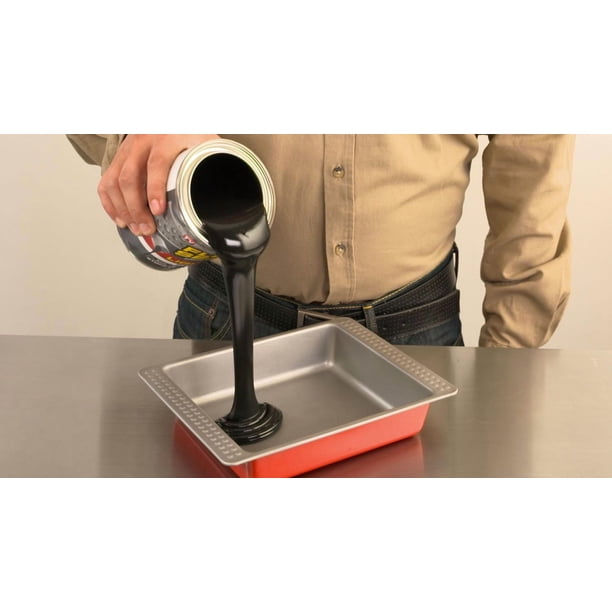
Flex Seal is a popular product known for its strong sealing abilities. It’s a rubberized coating that comes in liquid form, spray, or tape. Many people use it to fix leaks, cracks, and holes quickly and effectively.
But what exactly makes Flex Seal so unique? Understanding its properties can help you decide if it’s right for your bird bath or other outdoor projects.
What Is Flex Seal Made Of?
Flex Seal contains synthetic rubber combined with various solvents. When applied, the solvents evaporate, leaving a flexible, waterproof layer behind. This rubbery coating can stretch and move without cracking.
The product is designed to resist water, heat, and cold, making it useful for many surfaces. However, it’s important to think about what’s safe for your birds before applying it on bird baths.
How Does Flex Seal Work?
When you spray or paint Flex Seal onto a surface, it forms a thick barrier that seals out moisture. This barrier prevents water from leaking through cracks or gaps.
The flexibility means it won’t break easily even if the surface expands or contracts due to temperature changes. This durability is why many homeowners trust Flex Seal for outdoor repairs.
- Fixing leaks in gutters and roofs
- Sealing cracks in pools and ponds
- Repairing hoses, pipes, and tanks
- Waterproofing outdoor furniture or containers
People often choose Flex Seal because it’s quick to apply and dries fast. But when it comes to bird baths, the safety of the product’s chemicals becomes a key concern.
Common Uses Of Flex Seal
Flex Seal has gained popularity because of its versatility and ease of use. Many people keep a can handy for quick fixes around the house and garden. Understanding its common uses will help you decide if it fits your bird bath repair needs.
Sealing Leaks In Gutters And Roofs
Flex Seal is often used to stop leaks in gutters and roofs. Its thick, rubberized coating creates a watertight seal that holds up well against rain. If your bird bath has cracks causing water loss, this sealing ability might come in handy.
Fixing Cracks In Plastic And Metal Containers
Many users apply Flex Seal to repair plastic tubs, metal buckets, and other containers. It forms a flexible barrier that prevents water from leaking out. This use closely relates to bird baths, which are often made of similar materials.
Waterproofing Outdoor Items
People use Flex Seal to waterproof outdoor furniture, tarps, and even boots. Its protective layer resists water and weather damage. Think about your bird bath exposed to sun and rain—this waterproofing could add durability.
Temporary Repairs On Pools And Ponds
Some hobbyists apply Flex Seal for quick fixes on small pools and garden ponds. While it’s not a permanent fix, it can hold water temporarily until a better solution is found. Would you rely on such a temporary fix for your bird bath, or look for a more lasting option?
Creating Waterproof Barriers On Wood And Concrete
Flex Seal also works on porous surfaces like wood and concrete. It seals out moisture and prevents damage from water exposure. If your bird bath is made from these materials, this feature might be useful.
Materials In Flex Seal
Flex Seal is a popular product for sealing leaks and cracks. Understanding its materials helps assess if it is safe for bird baths. The product contains a blend of synthetic rubber, resins, and solvents. These ingredients create a waterproof barrier once the sealant dries. Knowing what is inside Flex Seal is key for using it around wildlife.
Bird baths require safe and non-toxic materials. The sealant should not harm birds or contaminate water. Flex Seal’s ingredients provide strong adhesion and flexibility. Yet, some components can be harmful if ingested or if water stays in contact too long.
Key Ingredients In Flex Seal
- Synthetic Rubber:Offers flexibility and waterproofing.
- Resins:Help with strong bonding and durability.
- Solvents:Keep the mixture liquid before drying.
- Propellants (in spray versions):Aid in application but evaporate after use.
Potential Risks For Bird Baths
- Solvents may release fumes harmful to birds.
- Uncured sealant can be toxic if birds drink water.
- Chemicals might leach into water over time.
Safe Use Tips For Bird Baths
- Allow sealant to dry and cure fully before adding water.
- Use only small amounts and avoid thick layers.
- Check product label for safety information.
- Consider alternatives designed specifically for wildlife use.

Credit: www.campingworld.com
Potential Risks For Birds
Using Flex Seal for bird baths might seem like a quick fix, but it’s important to consider the potential risks for your feathered friends. Birds are highly sensitive to their environment, and substances that seem harmless to humans can be dangerous for them. Understanding these risks helps you make safer choices for your backyard visitors.
Toxicity Concerns
Flex Seal contains chemicals that might be toxic to birds, especially if they come into direct contact with the sealant. Birds often dip their beaks and feathers into the water, which means any harmful substances can enter their bodies quickly.
Even small amounts of toxic chemicals can cause health problems, such as feather loss, respiratory issues, or digestive upset. Have you ever wondered if the products you use around your birds could be silently harming them?
Chemical Exposure
When Flex Seal cures, it releases a protective coating, but some chemicals may still leach into the water. Birds drinking or bathing in this water could ingest these substances.
This exposure can lead to long-term health effects that are hard to detect at first. If you want to protect your birds, consider how often the sealant might need reapplication and the potential buildup of chemicals over time.
Inhalation Hazards
Applying Flex Seal produces fumes that can irritate the respiratory system of birds, who have very delicate lungs. Even if the sealant has dried, lingering odors may still pose risks.
Birds breathe rapidly and are more vulnerable to airborne toxins than humans. When you use such products near their habitat, are you creating a safe environment or unknowingly putting them at risk?
Flex Seal And Water Safety
Flex Seal is popular for fixing leaks fast and sealing surfaces. Many wonder if it is safe to use in bird baths. The safety depends on how it interacts with water and the environment.
Understanding Flex Seal’s effect on water quality is key. Birds need clean, safe water to drink and bathe. Using a sealant that could harm them is a risk no one wants to take.
Water Contamination
Flex Seal forms a rubberized coating when it dries. This coating stops leaks and blocks water from seeping out. The product is advertised as waterproof and safe after curing.
Before it dries, Flex Seal contains chemicals that can be harmful. If not fully cured, these chemicals could mix with water. This might cause contamination unsafe for birds.
To avoid risks, let the sealant cure completely. Follow the instructions on the label carefully. Usually, full curing takes 24 to 48 hours depending on thickness and temperature.
Once cured, the seal creates a barrier that keeps chemicals from leaching into water. This helps keep bird bath water safe and clean.
Durability In Wet Environments
Flex Seal is designed for wet and outdoor use. It sticks well to many surfaces like metal, concrete, and plastic. This makes it a good choice for bird baths.
The coating resists water, rain, and sun exposure. It stays flexible even in changing weather. This means the seal lasts longer without cracking or peeling.
Durability is important because bird baths hold water constantly. A long-lasting seal reduces the need for frequent repairs. It also prevents water from leaking out.
Using Flex Seal correctly helps maintain a clean, safe bird bath. It protects both the structure and the birds that use it.
Credit: www.walmart.ca
Alternatives For Bird Baths
Flex Seal can seal leaks in bird baths but may not be fully safe for birds. Natural materials like stone or ceramic offer safer alternatives. Using non-toxic sealants ensures bird health and bath durability.
Bird baths are a delightful addition to any garden, offering a serene spot for feathered friends to gather and refresh. But ensuring their safety is paramount. If you’re considering alternatives to Flex Seal for your bird bath, you have plenty of options. Let’s explore some safe and effective alternatives that can keep your bird bath functional and safe for birds.Non-toxic Sealants
There are numerous non-toxic sealants available that can effectively waterproof your bird bath without compromising the health of your visiting birds. Products labeled as “aquarium-safe” are a good choice, as they are designed to be safe for fish and, by extension, birds. Silicone sealants, in particular, are often recommended due to their durability and water resistance. When choosing a sealant, look for those specifically marked as non-toxic. Check the packaging or consult the manufacturer if you’re unsure. Remember, the safety of your birds should be a top priority.Natural Waterproofing Options
If you prefer to keep things natural, consider using beeswax as a waterproofing option. Beeswax is not only safe for birds but also provides an effective barrier against water. Simply melt the beeswax and apply a thin layer over the surface of your bird bath. Another natural option is linseed oil. While it takes longer to dry, linseed oil can create a protective layer that repels water. Before applying, make sure the oil is fully cured to prevent any harm to birds. Have you tried any of these alternatives for your bird bath? It’s fascinating how simple, natural solutions can sometimes be the best choice for our feathered friends. Take a moment to consider what aligns best with your needs and the well-being of your garden visitors.Tips For Safe Application
Applying Flex Seal to your bird bath requires care to ensure safety for the birds and long-lasting results. Proper application not only prevents leaks but also avoids any harmful effects on the wildlife that visits. Here are some practical tips to help you use Flex Seal safely and effectively.
Proper Curing Time
After applying Flex Seal, the curing time is crucial. You need to let it dry completely before adding water to the bird bath. This usually takes around 24 to 48 hours, depending on the thickness of the coat and weather conditions.
I once rushed this step and filled the bath too early. The sealant was still soft and caused a strong odor, which made me worry about the birds’ safety. Waiting the full curing time ensures the product hardens fully and any fumes dissipate.
Ventilation During Use
Flex Seal releases fumes that can be harmful if inhaled in a closed space. Always apply it outdoors or in a well-ventilated area. Fresh air helps the sealant dry faster and keeps you safe from breathing in chemicals.
Think about your own comfort and health while working on this project. If you notice dizziness or headaches, take a break and move to fresh air immediately. Your safety is just as important as the birds’.
Testing Before Use
Before filling the bird bath completely, test the seal by adding a small amount of water. Check for any leaks or sticky spots that might still release chemicals. This step helps you avoid surprises later and protects the birds from exposure to uncured sealant.
Also, observe if the sealant affects water clarity or smells unusual. If anything seems off, wait longer or consider reapplying the product. Your attention to detail here can make a big difference in keeping your feathered friends safe.
Frequently Asked Questions
Is Flex Seal Non-toxic For Birds In Baths?
Flex Seal is not labeled non-toxic for birds. It may release chemicals harmful to wildlife. Use bird-safe sealants specifically designed for bird baths to ensure safety.
Can Flex Seal Withstand Constant Water Exposure?
Flex Seal is water-resistant and seals leaks effectively. However, prolonged water exposure may reduce durability. For bird baths, consider products made for continuous water contact.
How Long Does Flex Seal Last On Bird Baths?
Flex Seal generally lasts several months to a year. Its lifespan depends on weather and water exposure. Regular inspection and reapplication are recommended for bird baths.
Is Flex Seal Safe For Drinking Water In Bird Baths?
Flex Seal is not certified safe for potable or drinking water. Birds may ingest harmful substances if water contacts the sealant. Use bird-safe, non-toxic sealants for bath surfaces.
Conclusion
Flex Seal can work well for fixing bird baths if used carefully. It creates a strong, waterproof seal that lasts. Make sure the product dries fully before adding water or birds. Avoid using Flex Seal products that contain harmful chemicals near birds.
Always check product labels and safety information first. Clean the bird bath before applying Flex Seal for better results. With proper use, Flex Seal helps keep bird baths leak-free. Birds can enjoy a safe, clean water spot. A little care goes a long way.




