
Are you ready to capture stunning close-ups of your feathered visitors with the Bird Buddy Camera? Before you start snapping, it’s important to make sure your device works perfectly.
Testing your Bird Buddy Camera the right way ensures you don’t miss any magical moments and get the best photos every time. In this guide, you’ll discover simple, step-by-step tips to check your camera’s setup, connectivity, and performance. By the end, you’ll feel confident that your Bird Buddy is ready to turn your backyard into a birdwatching paradise.
Keep reading to unlock the full potential of your camera!
Choosing The Right Location
Choosing the right location for your Bird Buddy camera is key to capturing great bird moments. The spot should attract birds naturally and offer clear views. Small changes in placement can make a big difference in the quality of your photos and videos. Consider where birds feed, rest, and move freely. Also, think about how light and obstacles affect the camera’s vision.
Ideal Spots For Bird Activity
Pick places where birds visit often. Near feeders, birdbaths, or flowering plants works well. Trees and bushes provide shelter and attract different bird species. Look for spots with signs of bird presence like nests or droppings. The camera should face areas where birds land or perch frequently. Avoid open spaces with little bird activity.
Considering Lighting Conditions
Good lighting helps the camera capture clear images. Choose a spot with soft natural light. Early morning or late afternoon light works best. Avoid direct sunlight that creates harsh shadows or glare. The camera should not face the sun directly. Check if the area stays bright enough during the day but not too bright for the camera sensor.
Avoiding Obstructions And Disturbances
Make sure nothing blocks the camera’s view. Leaves, branches, or wires can hide birds or trigger false alerts. Clear the area around the camera for a clean line of sight. Place the camera away from busy paths or noisy spots. Birds may avoid areas with too much human activity or loud sounds. Keep the camera stable and protected from wind or rain.

Credit: www.youtube.com
Setting Up The Bird Buddy Camera
Test the Bird Buddy Camera by placing it near a bird feeder. Check the app for clear images and proper notifications. Adjust the angle and settings to capture birds easily.
Setting up the Bird Buddy Camera is essential for capturing stunning bird images. Begin by ensuring all components are intact and undamaged. This preparation will help you get the most from your device. Proper setup guarantees smooth operation and excellent image quality.Mounting And Positioning Tips
Position the camera near bird feeders or common bird routes. Ensure the camera has a clear view with no obstructions. Choose a stable surface to mount the camera securely. Adjust the angle to cover the desired area for optimal results. Use the included mounting tools for firm attachment. Regularly check the mount to ensure stability.Connecting To Power And Wi-fi
Connect the camera to a reliable power source. This will ensure uninterrupted operation. Use the supplied power cable to avoid compatibility issues. Access Wi-Fi settings through the camera interface. Connect to a strong Wi-Fi network for seamless performance. Verify the connection to ensure smooth data transmission.Configuring Initial Settings
Access the camera settings through the app or web interface. Set the date and time for accurate recording. Adjust the image resolution to your preference. Enable notifications to receive alerts of bird activity. Test the camera by taking a few trial shots. Ensure all settings suit your specific needs.Adjusting Camera Settings
Adjusting the Bird Buddy Camera settings helps capture clear and detailed bird images. Fine-tuning these settings improves the overall bird watching experience. Small changes can make a big difference in photo quality and detection accuracy.
Optimizing Focus And Zoom
Start by adjusting the focus to make sure the bird appears sharp. Use the camera’s manual focus option for precise control. Zoom in gently to frame the bird without losing clarity. Avoid zooming too much to prevent blurry images. Test different distances to find the best focus and zoom balance.
Selecting Image Quality And Resolution
Choose a high resolution to capture more details in each photo. Higher image quality shows bird colors and patterns clearly. Keep in mind higher resolution uses more storage space. Lower resolution saves space but reduces image sharpness. Adjust based on your storage limits and viewing needs.
Setting Motion Detection Sensitivity
Motion detection triggers the camera to take photos when birds appear. Set sensitivity high to catch small movements like bird wings. Lower sensitivity reduces false triggers from wind or leaves. Test different levels in your garden or bird area. Find a setting that captures birds without too many empty shots.
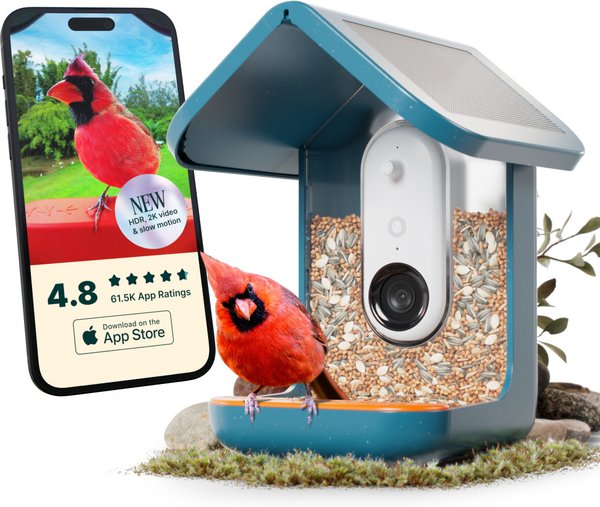
Credit: www.chewy.com
Testing Camera Performance
Testing the performance of your Bird Buddy Camera is essential to ensure it captures clear, vibrant images and videos of your feathered visitors. A well-tested camera gives you confidence that no special moment will be missed. Let’s dive into practical ways to evaluate your device’s capabilities effectively.
Conducting Live Preview Checks
Start by using the live preview feature on your Bird Buddy Camera. This real-time view lets you adjust the camera angle and focus before capturing anything. Pay close attention to the lighting and sharpness during the preview; if the image looks blurry or too dark, tweak the settings or reposition the camera.
Try observing birds in different lighting conditions, such as early morning or late afternoon. Does the camera maintain clarity across these variations? This step helps you identify if your camera needs additional adjustments or accessories like a sun shield or extra lighting.
Capturing Test Shots
Next, take several test shots from various distances and angles. Experiment with close-ups and wider shots to see how the camera handles different framing. Don’t hesitate to snap multiple pictures to compare results.
- Test with birds perched near the feeder and at the edge of the camera’s range.
- Use different times of day to check performance in natural light changes.
- Try capturing both still images and short videos for a thorough check.
These test shots reveal whether the camera can autofocus quickly and capture details like feather patterns and colors. Have you noticed any motion blur or lag in your shots? Adjusting shutter speed or sensitivity settings might be necessary.
Analyzing Image And Video Quality
After capturing, review your images and videos closely on a larger screen. Look for clarity, color accuracy, and exposure. Are the colors true to life, or do they appear washed out or overly saturated?
Check for graininess or noise, especially in low-light conditions. If you spot these issues, consider tweaking ISO settings or enabling noise reduction options. Also, assess the video smoothness—does it play without stuttering?
Remember, a great camera doesn’t just capture images; it preserves the beauty and details of your bird friends. How well does your Bird Buddy Camera hold up under your real-world testing?
Troubleshooting Common Issues
Troubleshooting common issues with your Bird Buddy camera ensures clear images and smooth operation. Addressing problems quickly helps you enjoy birdwatching without interruptions. Here are key solutions for frequent challenges users face.
Dealing With Blurry Images
Blurry images reduce the joy of spotting birds. Clean the camera lens gently with a soft cloth. Check if the camera is steady; even slight movement causes blur. Adjust the focus settings in the app for sharper pictures. Ensure good lighting around the camera for better clarity. Avoid placing the camera behind glass or mesh that may distort the image.
Fixing Connectivity Problems
Connectivity issues stop the camera from sending images to your device. Confirm the Wi-Fi signal is strong near the camera. Restart your router and the Bird Buddy camera to refresh connections. Check if the camera firmware is up to date in the app. Use the app’s troubleshooting tool to diagnose network problems. Place the camera closer to the router if possible.
Handling Power Supply Challenges
Power problems prevent the camera from working properly. Ensure the camera battery is fully charged before testing. Use the original charger and cable for reliable power supply. Avoid exposing the camera to extreme temperatures that affect battery life. If the camera runs on solar power, verify the solar panel is clean and unobstructed. Replace the battery if charging issues continue.
Maximizing Capture Success
Maximizing capture success with the Bird Buddy Camera improves your chances of getting clear bird photos. Small changes in setup and timing boost results. Understanding bird habits and using camera features helps you catch perfect moments.
Using Feeding Stations
Place feeding stations near the camera for steady bird visits. Use seeds or nuts that attract local birds. Keep feeders clean to ensure birds return often. Position the camera to cover the feeder fully. This setup increases bird activity in the camera’s view.
Timing Shots For Peak Bird Activity
Birds are most active early morning and late afternoon. Schedule your camera to be ready during these times. Avoid midday when birds rest or hide. Watch local bird patterns for better timing. Capturing action during peak times shows birds in natural behavior.
Leveraging App Features For Alerts
The Bird Buddy app sends alerts when birds appear. Enable notifications to react quickly. Use the app’s settings to adjust sensitivity for fewer false alarms. Review photos and videos through the app to check quality. Alerts help you capture rare or fast bird visits.

Credit: www.msn.com
Frequently Asked Questions
How Do I Set Up The Bird Buddy Camera Initially?
To set up the Bird Buddy camera, charge it fully, connect to the app via Wi-Fi, and place it in a bird-friendly location. Follow the in-app instructions for calibration and testing to ensure optimal performance before regular use.
How Can I Test Bird Buddy Camera’s Image Quality?
Test the Bird Buddy camera’s image quality by capturing photos of birds at different distances and lighting. Review images on the app to check clarity, focus, and color accuracy. Adjust camera settings if necessary to enhance photo quality.
What Is The Best Way To Check Bird Buddy’s Connectivity?
Check Bird Buddy’s connectivity by ensuring it stays connected to your Wi-Fi network. Use the app to monitor live feed and receive real-time notifications. Restart the camera or router if connection issues arise.
How Do I Test Bird Buddy’s Bird Recognition Accuracy?
Test Bird Buddy’s bird recognition by observing its ability to identify various bird species. Feed different birds and compare the app’s identification to known species. Update the app regularly for improved AI accuracy.
Conclusion
Testing your Bird Buddy Camera helps ensure clear bird watching experiences. Start by checking the camera’s connection and settings. Watch for sharp images and smooth video streams. Adjust the camera angle to capture more birds easily. Test notifications to stay updated on bird visits.
Simple tests save time and avoid future issues. Enjoy capturing nature’s moments with confidence. Your Bird Buddy Camera will work best with regular checks. Keep testing and exploring to learn more about your feathered friends.




