
Are you ready to welcome more birds into your backyard? Hanging a bird house is a simple way to create a cozy home for feathered friends right outside your window.
It’s not just about putting up a box; it’s about giving birds a safe place to nest and watch nature come alive. In this guide, you’ll learn easy steps to hang your bird house perfectly—so it stays secure, attracts the right birds, and lasts through every season.
Keep reading, and you’ll discover the secrets to turning your outdoor space into a lively bird haven.

Credit: underatinroof.com
Choosing The Right Bird House
Choosing the right bird house can make all the difference in attracting feathered friends to your yard. It’s not just about hanging a box; it’s about providing a safe, comfortable home that suits the needs of the birds you want to welcome. Think about the materials and design carefully, and consider the size to match the species you hope to attract.
Materials And Design Options
Wood is the most popular choice because it provides natural insulation and breathability. Cedar and pine are great options; they resist rot and look good in any garden. Avoid metal or plastic bird houses since they can overheat quickly or trap moisture, making the house uncomfortable for birds.
Look for designs with ventilation holes and drainage to keep the interior dry and fresh. A sloped roof helps rainwater run off, protecting the nest inside. Some bird houses even have a hinged side or roof for easy cleaning—this is a practical feature you’ll appreciate after nesting season.
Size Matters For Different Birds
Bird species vary widely in size, so the entrance hole and interior space must match their needs. Small birds like chickadees prefer holes around 1 1/8 inches in diameter, while bluebirds need about 1 1/2 inches. If the hole is too large, bigger birds or predators might invade the nest.
Depth is also important. A deeper house offers more protection from predators and weather but shouldn’t be so deep that it’s hard for birds to get in and out. Want to attract wrens? Aim for a box about 6 inches deep with a 1-inch hole. For woodpeckers, a larger box with a 2-inch hole works best.
Have you noticed certain birds visiting your yard more often? Try matching their size requirements with the right bird house to encourage them to stay. It’s a simple change that can lead to more birdwatching joy right outside your window.

Credit: happygardens.com
Picking The Perfect Location
Choosing the right spot for your bird house is more important than you might think. It can be the difference between attracting feathered friends or leaving your house empty. Think about the birds’ needs and safety before you hang that bird house up.
Safe Height And Placement
Hang your bird house at least 5 to 10 feet above the ground. This height keeps birds safe and gives them a good view of their surroundings. Placing it near trees or shrubs helps birds feel secure, but avoid spots where branches can be used as perches by predators.
Consider the direction the entrance faces. Most birds prefer the opening to face away from prevailing winds and direct afternoon sun. A north or east-facing entrance usually works best to keep the nest cool and dry.
Avoiding Predators And Harsh Weather
Predators like cats, raccoons, and snakes can ruin a bird’s home quickly. Mount your bird house on a smooth metal pole or use predator guards to stop them from climbing up. Avoid hanging it on thin branches that predators can easily access.
Weather plays a big role in nest success. Spot your bird house under some natural cover like leafy trees to protect from heavy rain and strong winds. Make sure the bird house is not in a spot where water can pool or drip inside.
Tools And Materials Needed
Hanging a bird house requires a few basic tools and materials. These items help you install the house securely and safely. Preparing the right tools before starting makes the job easier and faster. It also ensures the bird house lasts longer and stays stable in place.
Essential Tools For Installation
- Hammer – for nailing the bird house to wood surfaces
- Screwdriver – to drive screws into posts or walls
- Drill – for making holes in hard surfaces or thick wood
- Measuring tape – to check height and distance from the ground
- Level – to ensure the bird house is straight
- Ladder – to reach higher places safely
- Protective gloves – to avoid splinters and injuries
Mounting Supplies And Accessories
- Screws or nails – choose weather-resistant types
- Mounting brackets – for attaching the house to poles or trees
- Wire or metal straps – to secure the house without damage
- Wooden post or pole – if not mounting on a tree or wall
- Rain guard or roof covering – to protect the house from water
- Paint or sealant – non-toxic, to protect wood from weather
Step-by-step Installation Guide
Choose a sturdy tree or post to hang the birdhouse securely. Attach it using strong hooks or nails, ensuring it stays level. Position the birdhouse where it gets shade and protection from wind.
Embarking on the journey of hanging a birdhouse can be an exciting outdoor project that brings nature closer to your home. Whether you’re a seasoned bird enthusiast or just starting out, having a step-by-step installation guide can make all the difference. This guide will lead you through the essential steps to ensure your feathered friends have a safe and welcoming home.Preparing The Site
Before you start, selecting the right location is crucial. Look for a spot that offers both shelter and safety from predators. Ideally, choose a quiet area, away from heavy human traffic, where birds can feel secure. Clear any debris or overhanging branches that might obstruct the birdhouse. This allows for easy access and flight paths for the birds. It’s also wise to place the birdhouse at a height that deters predators like cats or raccoons.Mounting The Bird House Securely
Once you’ve chosen the perfect spot, it’s time to mount the birdhouse. Use a sturdy post or tree trunk to ensure stability. You can use either screws or a mounting bracket for secure attachment. Ensure that the birdhouse is level. A crooked birdhouse may deter birds from nesting. Double-check that the entrance hole faces away from prevailing winds to protect the birds from harsh weather.Final Adjustments And Checks
After mounting, take a step back and assess your work. Make any necessary adjustments to ensure the birdhouse is secure and level. It’s a good idea to gently shake the post to test stability. Consider the birdhouse’s maintenance needs. Can you easily access it for cleaning or repairs? A well-maintained birdhouse will attract more birds and keep them healthy. As you finish up, think about how you can enhance the surrounding environment to make it more bird-friendly. Add a nearby birdbath or feeder to create a welcoming habitat. Are you ready to see which bird species will call your birdhouse home?Maintenance Tips For Longevity
Maintaining your bird house is key to ensuring it lasts through many seasons and continues to be a safe haven for birds. Regular care not only protects the wood but also keeps the space inviting for your feathered visitors. Simple maintenance steps can save you from costly repairs and keep your bird house looking fresh year after year.
Cleaning And Inspection
Cleaning your bird house after each nesting season prevents buildup of old nests, parasites, and debris. Use a mild bleach solution (one part bleach to nine parts water) to disinfect the inside, then rinse thoroughly with water. Allow it to dry completely before rehanging to avoid mold growth.
Inspect the bird house closely for cracks, loose nails, or signs of rot. These small issues can quickly turn into bigger problems if left unchecked. Have you ever noticed how a tiny gap lets in rain and pests? Fixing those early keeps the house secure and dry.
Seasonal Care And Repairs
Before winter and after spring, check the exterior paint or sealant on your bird house. Weather can wear down protective layers, so apply a fresh coat of non-toxic, water-based paint or sealant to guard against moisture. Avoid painting the inside, as fumes can harm birds.
Look for damaged mounting hardware or loosened attachments and tighten or replace them as needed. A bird house swinging in the wind can stress the wood and scare away birds. How often do you check the stability of your bird house’s hanging system?
Keeping up with these maintenance tasks makes your bird house a welcoming home season after season. Your attention to detail ensures that birds have a safe, comfortable place to nest and that your investment remains in top shape for years to come.
Encouraging Birds To Nest
Encouraging birds to nest in your bird house means creating a safe, inviting spot. Birds look for quiet, secure places to build their homes. You can help by thinking about their natural needs. The right location and environment make all the difference. Small changes can attract birds and keep them coming back season after season.
Attracting Birds Naturally
Choose a spot with natural cover like trees or bushes nearby. Birds feel safer close to plants. Place the bird house away from busy areas to reduce noise and disturbance. Keep the bird house clean and free from old nests. Use materials that blend with nature for the house’s exterior. Provide water sources such as birdbaths or small ponds. Offer natural food like seeds and berries nearby. These steps help birds feel comfortable and eager to nest.
What To Avoid Near The Bird House
Avoid placing the bird house near predators’ paths. Cats, raccoons, and snakes scare birds away. Stay clear of areas with heavy human traffic or loud machinery. Do not put bird houses near windows to prevent collisions. Avoid using bright colors that may frighten birds. Keep the area free of chemicals like pesticides. These things reduce the chance of birds choosing your bird house.
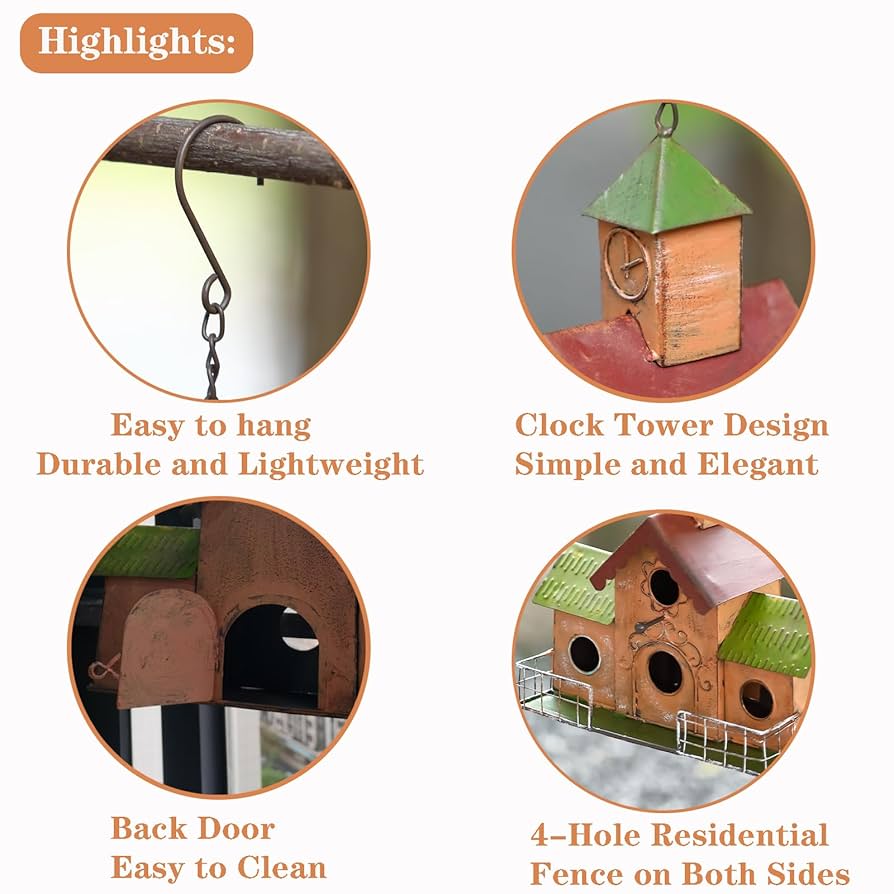
Credit: www.amazon.com
Frequently Asked Questions
How High Should I Hang A Bird House?
Hang the bird house 5 to 10 feet above the ground. This height protects birds from predators and provides safety. It also makes the house visible to birds looking for shelter. Adjust height based on bird species common in your area.
Where Is The Best Place To Hang A Bird House?
Choose a quiet, shaded spot away from heavy foot traffic. Face the bird house entrance away from prevailing winds. Place it near trees or shrubs for natural cover and easy bird access. Avoid areas with direct afternoon sun to keep birds cool.
What Materials Are Ideal For Bird Houses?
Use untreated wood like cedar or pine to build bird houses. Avoid metal or plastic as they heat up quickly and harm birds. Ensure the wood is durable and weather-resistant for long-lasting shelter. Proper ventilation and drainage holes are essential too.
How Do I Clean A Bird House Safely?
Clean the bird house annually in late fall or early spring. Remove old nesting materials and scrub with a mild bleach solution. Rinse thoroughly and let it dry completely before rehanging. Regular cleaning prevents parasites and keeps birds healthy.
Conclusion
Hanging a bird house is simple and rewarding. Choose a safe spot, away from strong wind and predators. Use sturdy tools and secure the house firmly. Watch as birds find their new home and start nesting. Enjoy nature’s beauty right in your yard.
Small steps make a big difference for birds. Try it today and bring wildlife closer to you.




