
Having a bird trapped inside your house can be stressful and confusing. You want to help it find its way out quickly, but you’re not sure how to do it safely—for both you and the bird.
If you’re reading this, you’re probably feeling a mix of worry and urgency. Don’t worry; you’re not alone, and there’s a simple way to handle this. Keep reading, and you’ll discover clear, step-by-step tips that will get that bird out of your home without harm or panic.
Your peace of mind and the bird’s safety matter, and by the end of this article, you’ll know exactly what to do.
Identify The Bird’s Location
Before you can safely guide a bird out of your house, you need to know exactly where it is. Identifying the bird’s location is crucial because it helps you plan your next move without causing unnecessary stress to the bird or damage to your home. Sometimes, the bird might seem visible but could be hiding in an unexpected spot.
Listen For Sounds
Birds often make noise when they’re trapped indoors. Pay attention to chirps, flapping wings, or fluttering sounds. These clues can lead you straight to the bird’s hiding place, especially if it’s out of sight.
Try to remain silent for a moment and listen carefully. Even the slightest rustle or peep can be a sign of where the bird is resting. Have you noticed a faint chirp behind a curtain or near a window?
Check Common Hiding Spots
Birds tend to seek shelter in quiet, dark, and enclosed spaces. Look behind curtains, inside closets, under furniture, and near ceiling corners. These spots offer safety and warmth, making them favorites for scared birds.
Don’t forget to check vents, shelves, and even inside light fixtures if accessible. Sometimes, birds hide in places you wouldn’t expect. Have you ever found something hidden in plain sight after a thorough search?
Prepare The Room
Getting a bird out of your house can feel overwhelming, but the right preparation can make the process smoother and safer for both you and the bird. The key is to set the environment in a way that guides the bird naturally toward the exit without causing panic. Preparing the room is about controlling the space to make the bird’s escape path clear and accessible.
Close Interior Doors
Start by closing all interior doors to limit the bird’s movement to one room. This prevents it from flying deeper into your home, which can make catching it much harder. You want to create a controlled space where the bird can’t hide or get stuck behind furniture.
Think about your own experience—have you ever tried to catch something in a large, open area versus a smaller, contained space? The smaller the area, the easier it is to manage. Closing doors also protects other parts of your home from potential damage or mess.
Open Windows And Doors Leading Outside
Next, open all windows and doors that lead outside in the room where the bird is trapped. This gives the bird a clear and inviting exit route. If the bird can see the open air and natural light, it’s more likely to fly toward freedom on its own.
Make sure these openings are fully accessible and free from screens or barriers. You might even want to remove curtains or blinds that block the bird’s line of sight. Have you noticed how birds naturally head toward light? Using this instinct helps guide them out faster.
By preparing the room thoughtfully, you turn a stressful situation into a manageable one. You’re not chasing the bird—you’re guiding it, making the process safer and quicker for everyone involved.
Create An Exit Path
Creating a clear exit path helps guide the bird outside quickly and safely. Birds get confused by bright indoor lights and many obstacles. Clearing the way and using light correctly makes the bird find the open door or window easily. This reduces stress for the bird and avoids damage inside your home.
Turn Off Indoor Lights
Switch off all indoor lights in the room where the bird is trapped. Darkness inside makes the outside light more visible. The bird will naturally move toward the brighter area. Keep the lights off until the bird leaves the room. This simple step helps the bird focus on the exit.
Use Natural Light To Guide The Bird
Open curtains and doors that lead outside. Let sunlight or daylight shine through these openings. Birds follow natural light to find their way out. Avoid closing windows or doors that show the outside view. Light acts as a signal for the bird to fly toward freedom.
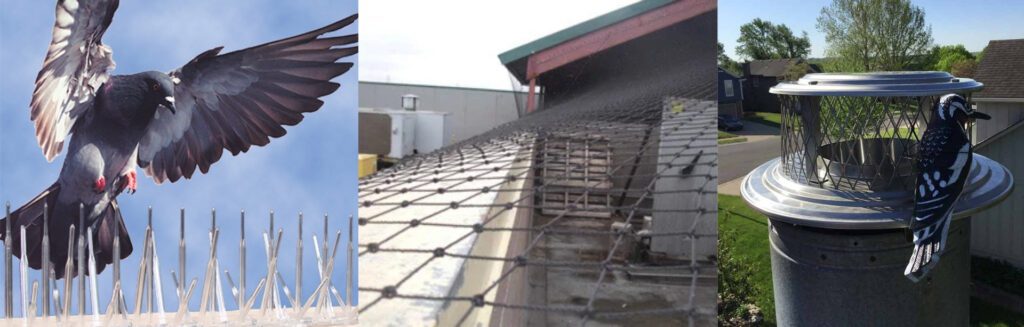
Credit: www.modernexteriorroofing.com
Encourage The Bird To Leave
Encouraging a bird to leave your house takes patience and care. Sudden actions can scare the bird and make it harder to exit. Creating a calm environment helps the bird find its way out safely. Use gentle techniques to guide the bird without stress.
Stay Calm And Quiet
Keep your voice soft and movements slow. Loud noises can frighten the bird. A calm room helps the bird feel safe. Turn off music and close doors to other rooms. Let the bird focus on the open window or door.
Use Gentle Movements
Move slowly near the bird to avoid startling it. Quick gestures can cause panic. Use a piece of cloth or paper to gently guide the bird. Direct it toward the exit without touching it. Patience works better than force.
Avoid Chasing The Bird
Running after the bird makes it more scared. The bird may hide in hard-to-reach places. Stand still and wait for the bird to move. Give it space to fly out on its own. Trust the bird’s natural instinct to leave.
Use Tools To Assist
Tools like nets or boxes can help gently catch and release the bird outside. Bright lights or gentle sounds may guide the bird toward an open door or window. These tools make the process safer and easier for both you and the bird.
Sometimes, a feathered friend inadvertently finds its way into your home, creating a flurry of wings and worry. Assisting the bird to exit safely can be a gentle, stress-free process with the right tools. Let’s explore some practical methods to help guide the bird out without causing harm.Employ A Towel Or Blanket
A soft towel or blanket can be your best ally in guiding the bird towards freedom. Gently approach the bird, ensuring you don’t scare it further. Drape the towel over the bird carefully to temporarily immobilize it, then carry it outside to release. Remember, patience is key. Avoid making sudden movements and reassure the bird with a calm demeanor.Use A Box Or Container
A box or container can effectively contain the bird for a short while. Position the box near the bird, allowing it to settle inside on its own. Gently cover the box to prevent escape during transit. Once outside, open the container and let the bird fly away at its own pace. This approach minimizes stress for both you and your feathered guest.Consider Bird-friendly Deterrents
Creating an environment that encourages the bird to leave can be as simple as using bird-friendly deterrents. Place reflective surfaces near windows to guide the bird towards open spaces. Alternatively, use gentle sounds or soft music to coax it out. Have you ever used wind chimes? Their gentle sound can guide birds to safety without causing distress. Small efforts can make a big difference in guiding your avian visitor to freedom.
Credit: www.reddit.com
Handle The Bird Safely
Handling a bird safely inside your home is very important. It protects both you and the bird from harm. Birds can get scared easily, so gentle and careful actions are necessary. Taking simple safety steps helps the bird leave your house without injury.
Wear Protective Gloves
Wear thick gloves to protect your hands. Birds can bite or scratch when frightened. Gloves also stop germs from passing between you and the bird. Use gloves made of leather or heavy fabric. Avoid thin gloves that a bird’s claws can pierce. Gloves give you better control and safety during the capture.
Minimize Stress For The Bird
Keep the bird calm by moving slowly and quietly. Loud noises and fast moves can make the bird panic. Turn off bright lights and close curtains to create a dim space. Speak softly if needed. Avoid chasing the bird around the room. Instead, gently guide it toward an open window or door. A calm bird will find its way out more easily and safely.
Prevent Future Bird Intrusions
Keeping birds out of your house is not just about getting them out once—they often try to come back if you leave openings. Preventing future bird intrusions means taking clear steps to make your home less inviting and harder to access. You can protect your space by focusing on simple fixes that stop birds before they even get close.
Seal Entry Points
Look around your home for tiny gaps where birds might sneak in. Check places like vents, chimney openings, attic eaves, and gaps around pipes. Even small holes can be a welcome invitation for birds seeking shelter.
Use durable materials like wire mesh or caulk to close these openings. You might need to patch holes with wood or metal flashing if the gaps are larger. Once sealed, these entry points become tough barriers that birds won’t easily overcome.
Have you ever noticed birds repeatedly flying into the same spot near your roof or walls? Sealing those exact points can stop this behavior and save you from repeat visits. Taking a walk around your house with a flashlight at night can help reveal hidden cracks you might miss during the day.
Keep Windows And Doors Screened
Windows and doors are the most common ways birds accidentally get inside. Installing screens on all your windows and doors creates a physical barrier that lets fresh air in but keeps birds out.
Make sure your screens fit tightly without gaps or tears. Even a small rip can become a bird’s entry point. Regularly inspect and replace damaged screens to maintain their effectiveness.
If you don’t want to keep windows closed all the time, screens let you enjoy fresh air while preventing bird visits. Think about your favorite spot by the window—wouldn’t it be better with a screen that stops birds but lets in a cool breeze?
:max_bytes(150000):strip_icc()/__opt__aboutcom__coeus__resources__content_migration__mnn__images__2017__08__bat_on_house_door-a7ec4ffe6e5a458ab5668ee7ae004f12.jpg)
Credit: www.treehugger.com
Frequently Asked Questions
How Can I Safely Remove A Bird From My House?
Open windows and doors to create an exit path. Turn off lights and close curtains to reduce indoor reflections. Use gentle gestures to guide the bird towards open exits without causing stress or harm.
What Should I Avoid When Removing A Bird Indoors?
Avoid chasing or grabbing the bird aggressively. Do not use sharp objects or loud noises. These actions can injure the bird or increase its panic, making removal harder and unsafe for both you and the bird.
Can I Use A Net To Catch A Bird Inside?
Using a net is possible but requires caution. It should be soft and used slowly to avoid hurting the bird. Only attempt this if you are confident and the bird is calm to prevent injury.
How To Prevent Birds From Entering My House Again?
Install screens on windows and doors. Seal any gaps or openings around vents and chimneys. Keep food sources covered and avoid leaving pet food outside to reduce bird attraction.
Conclusion
Getting a bird out of your house can feel tricky but stay calm. Open doors and windows wide to show the bird the way out. Turn off lights inside and keep outside bright to guide it. Avoid chasing or grabbing the bird; gentle moves help.
Patience is key—birds find their way when given space. With these simple steps, you can safely help the bird leave your home soon. Keep your home bird-free by closing openings after it leaves. Safety for you and the bird matters most.




