
Imagine stepping outside your door to a peaceful space filled with colorful birds singing just for you. Building a backyard bird sanctuary isn’t just about attracting birds—it’s about creating a calming retreat that connects you with nature every day.
If you’ve ever wanted to bring more life and beauty to your outdoor space, this guide will show you exactly how to do it. You’ll discover simple steps that turn your yard into a safe haven where birds want to stay.
Ready to make your backyard come alive with fluttering wings and joyful songs? Let’s dive in and create your perfect bird sanctuary.
Choosing The Right Location
Choosing the right location is key to building a successful backyard bird sanctuary. The spot must meet birds’ basic needs and protect them. A well-chosen area attracts more birds and helps them stay safe and healthy.
Assessing Sunlight And Shade
Birds need a balance of sunlight and shade to feel comfortable. Select a place that receives morning sun and afternoon shade. Too much direct sun can overheat birds. Shade helps keep nests cool and safe during hot days.
Look for spots near trees or shrubs. They offer natural shade and shelter. Avoid areas that are always in deep shade. Birds also need sunlight to stay warm and active.
Considering Safety From Predators
Safety matters most for birds in your sanctuary. Avoid locations near busy roads or places where cats and other predators roam. Choose spots with natural barriers like dense bushes or tall trees. These barriers protect birds from attacks.
Keep bird feeders and nests away from open areas. Open spaces make birds easy targets. A secure location helps birds feel safe and encourages them to visit often.
Access To Water Sources
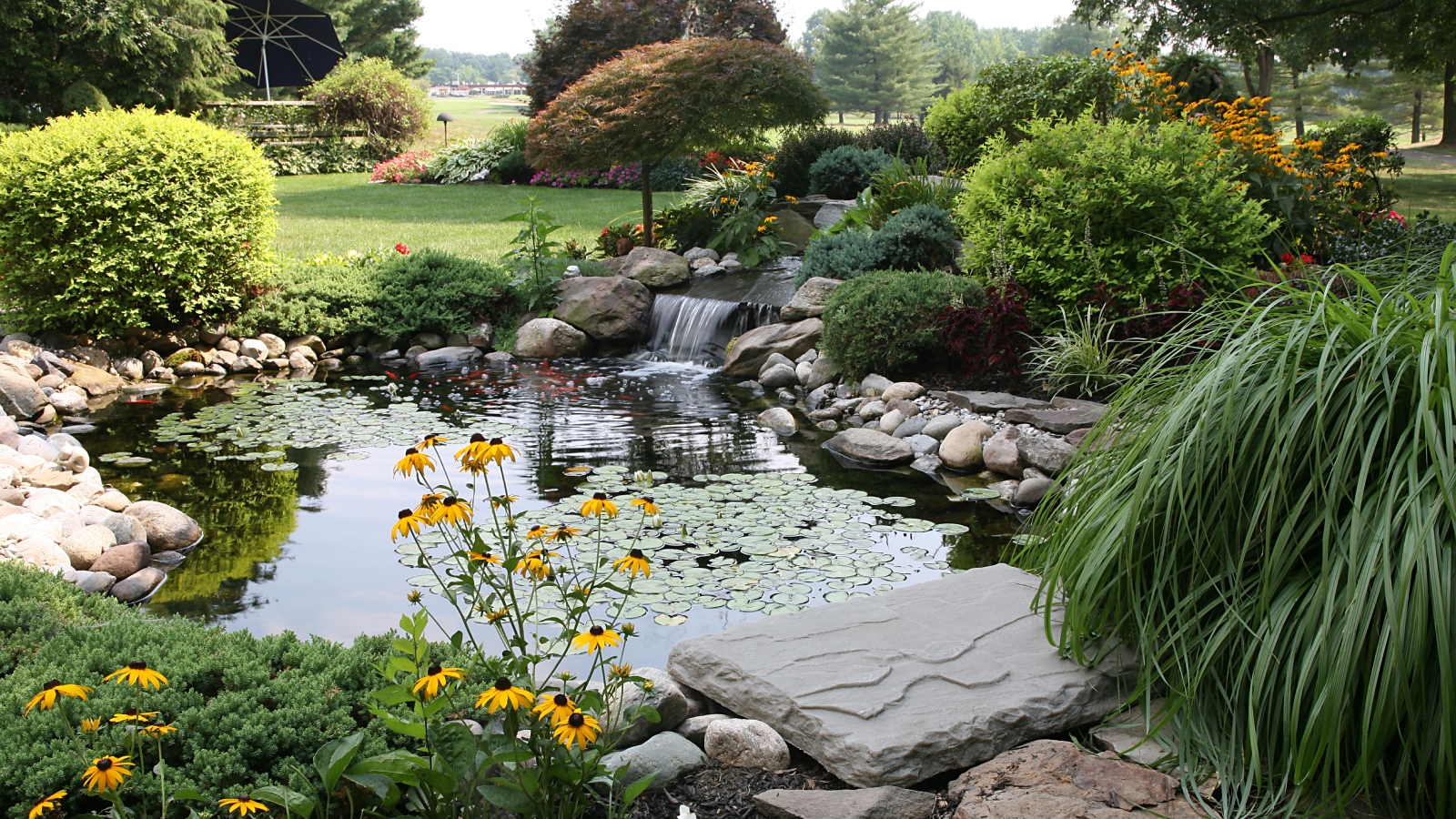
Birds need water for drinking and bathing. Pick a location close to a water source like a birdbath, pond, or fountain. Moving water attracts more birds and keeps them healthy.
Ensure the water is clean and refreshed regularly. Standing water can breed mosquitoes and harm birds. A nearby water source makes your sanctuary inviting and lively.
Credit: www.gardeningknowhow.com
Selecting Native Plants
Selecting native plants is key to creating a thriving backyard bird sanctuary. Native plants suit the local climate and soil, making them easier to grow. Birds depend on these plants for food and shelter. Choosing the right plants helps support local wildlife and keeps the ecosystem balanced.
Attracting Local Bird Species
Native plants attract birds that live nearby. These plants provide the right seeds, berries, and insects birds eat. Birds recognize familiar plants and feel safe around them. Planting a variety of native flowers, shrubs, and trees will draw many bird species to your yard.
Providing Food And Shelter
Native plants offer natural food sources all year. Seeds, nectar, and fruits feed birds through changing seasons. Dense shrubs and tall trees create perfect hiding places. Birds use these plants for nesting and protection from predators. A mix of plants ensures food and shelter for many birds.
Seasonal Planting Tips
- Plant early-blooming flowers for spring pollinators and birds.
- Choose berry-producing shrubs for summer and fall food.
- Include evergreens for winter shelter and cover.
- Stagger planting times to provide resources year-round.
Seasonal planning keeps your bird sanctuary active all year. It helps birds find food and shelter no matter the weather.
Setting Up Bird Feeders
Setting up bird feeders is a key step in creating a backyard bird sanctuary. Feeders attract birds by providing easy access to food. Choosing the right types and placing them well helps bring different birds to your garden. This section explains how to pick feeders, what foods to offer, and where to place them for best results.
Types Of Feeders
- Tube Feeders:Long and narrow, perfect for small birds like finches and chickadees.
- Platform Feeders:Open trays that attract a variety of birds, including larger species.
- Hopper Feeders:Box-like with a roof, they hold more seed and protect it from rain.
- Suet Feeders:Wire cages that hold suet cakes, attracting woodpeckers and nuthatches.
- Nectar Feeders:Designed for hummingbirds, filled with sugar water.
Choosing The Right Bird Food
Different birds prefer different foods. Black oil sunflower seeds attract many songbirds. Nyjer seed is great for finches. Peanuts, either whole or shelled, are favorites for jays and woodpeckers. Suet cakes provide energy in cold months. Fresh fruit pieces can also bring in orioles and thrushes. Avoid bread or processed foods, which can harm birds.
Placement Tips
- Place feeders near trees or shrubs for shelter and safety.
- Keep feeders at least 5 feet away from windows to prevent collisions.
- Hang feeders at different heights to attract various bird species.
- Ensure feeders are easy to clean and refill.
- Keep the area under feeders clean to avoid pests.
Adding Birdhouses And Nesting Sites
Adding birdhouses and nesting sites is a key step in creating a welcoming space for birds in your backyard. These structures offer shelter and a safe place for birds to raise their young. By selecting the right types and placing them thoughtfully, you can attract a variety of feathered visitors.
Different Styles For Various Birds
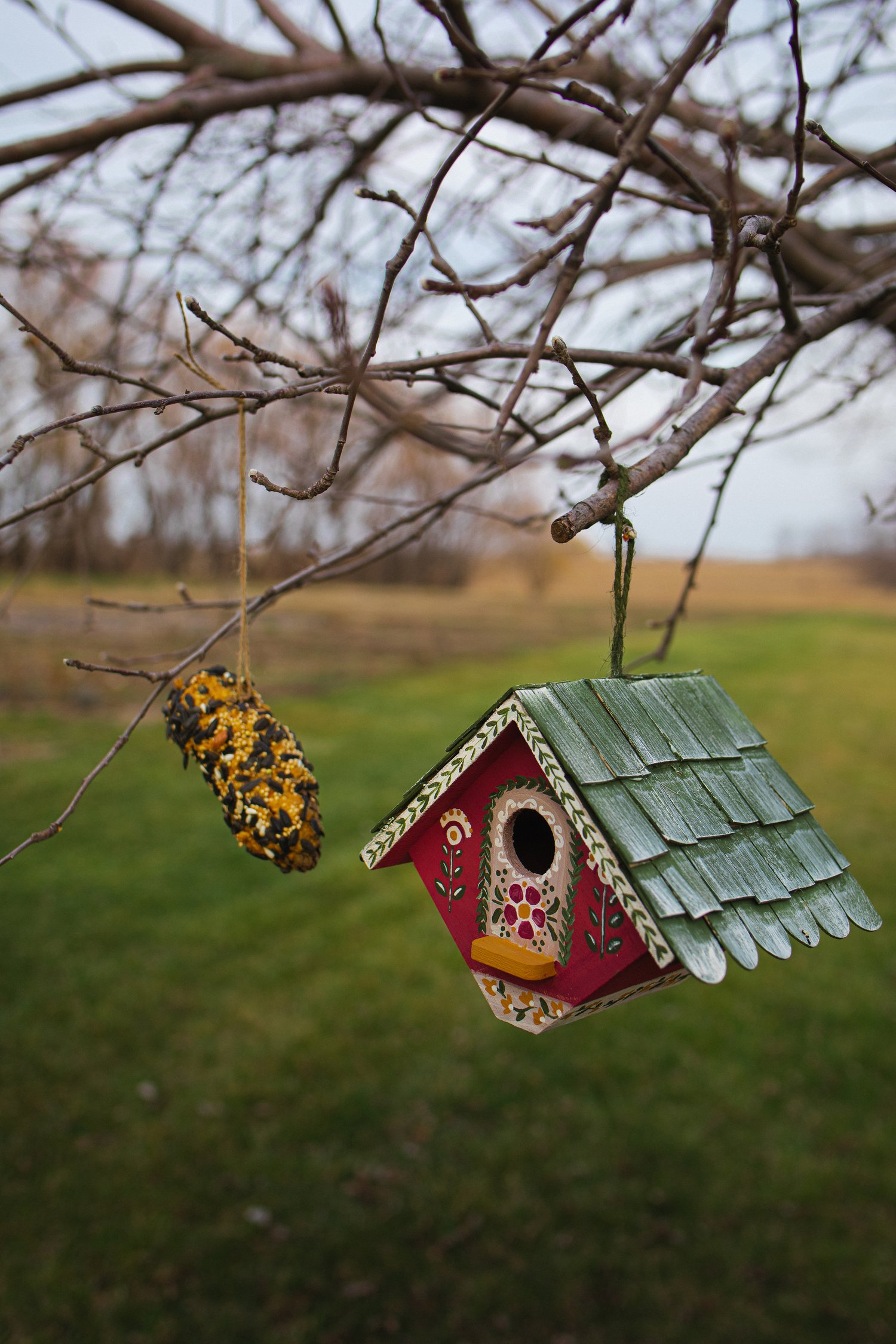
Different bird species prefer different types of homes. Bluebirds like simple wooden boxes with a small entrance hole, while wrens are attracted to houses with narrow openings and cozy interiors.
Owls and larger birds need bigger nesting boxes or platforms. You might also consider open-fronted boxes for robins or chickadees, which prefer less enclosed spaces.
Choosing the right style helps you invite specific birds and watch their unique behaviors up close. What birds are you hoping to welcome?
Proper Installation Height
Height matters when installing birdhouses. Small songbirds typically prefer houses placed between 5 to 10 feet off the ground.
Predators like cats and raccoons can reach lower nests, so placing boxes higher keeps birds safer. For larger birds, such as owls, aim for 10 to 15 feet.
Think about the surrounding environment too. Avoid placing nests too close to busy paths or noisy areas to reduce stress on your feathered guests.
Maintenance And Cleaning
Cleaning your birdhouses regularly keeps them healthy and inviting. Remove old nesting material after the breeding season to prevent parasites and disease.
Inspect boxes for damage or wear and repair any cracks or loose parts. A well-maintained birdhouse can serve your backyard visitors for many seasons.
Have you checked your birdhouses lately? A little upkeep goes a long way in supporting your bird sanctuary.
Creating Water Features
Creating water features is a great way to invite birds to your backyard sanctuary. Birds need water for drinking and bathing. Adding water sources helps them feel safe and comfortable. You can use different types of water features based on your space and budget. Simple birdbaths or small ponds work well. Water also adds beauty and a peaceful sound to your garden.
Birdbaths And Ponds
Birdbaths provide shallow water for birds to drink and bathe. Choose a wide, shallow basin with a rough surface. This helps birds land easily without slipping. Place the birdbath in a quiet, open area near bushes. Ponds attract more birds and create a natural feel. Keep pond edges gentle and add stones for birds to perch on. Avoid deep water to keep small birds safe.
Keeping Water Clean
Clean water is crucial for bird health. Change water in birdbaths often, at least every two days. Remove leaves and debris daily. Use a small fountain or pump in ponds to keep water moving. This stops mosquitoes and algae from growing. Avoid using harsh chemicals. Instead, scrub birdbaths with a brush and mild soap once a week. Rinse well before refilling.
Attracting Birds With Moving Water
Moving water draws more birds than still water. The sound of flowing water signals safety and freshness. Add a small fountain, dripper, or bubbler to your water feature. Place the device where birds can see and hear it clearly. Moving water also prevents freezing in winter. It makes your bird sanctuary lively and inviting all year round.
Credit: www.urbansacredgarden.com
Avoiding Common Hazards
Watch out for harmful plants and chemicals that can hurt birds. Keep feeders clean to stop disease and place them where cats can’t reach. Choose safe materials and avoid sharp edges in your sanctuary.
Creating a backyard bird sanctuary is a rewarding endeavor. It invites nature’s wonders right to your doorstep. Yet, it’s essential to keep these spaces safe. Birds face many dangers in urban environments. Avoiding common hazards ensures their safety and well-being. Here are practical tips to make your sanctuary safe.Preventing Window Collisions
Windows can confuse birds. They see reflections of the sky or plants. This often leads to collisions. Use decals or stickers on windows. They break up reflections. Netting or screens can also help. These create a visible barrier for birds. Curtains or blinds can reduce transparency. Position feeders away from windows. This gives birds time to adjust their flight path.Keeping Pets Safe
Pets can pose risks to birds. Cats and dogs may chase or harm them. Supervise pets while they are outside. Consider creating a designated pet-free zone. Use fences or barriers if needed. This ensures birds have a safe space to visit. Train pets to stay away from bird areas. Use leashes for dogs during bird visits. This minimizes unexpected encounters.Avoiding Harmful Chemicals
Chemicals harm birds. Pesticides and fertilizers are common culprits. Choose organic gardening methods. Use natural pest control options. Avoid chemical sprays near bird habitats. Read labels on all products carefully. Ensure they are bird-safe. Composting enriches soil naturally. It also supports a healthy environment. A little care prevents unnecessary risks.Monitoring And Enjoying Your Sanctuary
Watching birds in your backyard sanctuary brings joy and learning. Monitoring helps track which species visit and how often. Enjoying your sanctuary means observing birds’ behaviors and changes over time. It creates a deeper connection with nature right outside your door.
Keeping A Bird Journal
Write down the types of birds you see each day. Note the time, weather, and bird actions. Record any new species or unusual behavior. A journal helps you notice patterns and seasonal changes. Use simple words and short sentences for easy reference.
Photographing Birds
Take pictures to capture special moments in your sanctuary. Use a camera or smartphone with a zoom lens. Be patient and quiet to avoid scaring birds away. Photos help identify species and share your experience. Keep your shots clear and focused on the birds.
Joining Birdwatching Communities
Connect with others who love birds and nature. Join online groups or local birdwatching clubs. Share your sightings and learn from others’ experiences. Communities offer support and new ideas to improve your sanctuary. It’s a great way to make friends with similar interests.
Credit: underatinroof.com
Frequently Asked Questions
What Are The Best Plants For A Bird Sanctuary?
Native plants are ideal as they provide natural food and shelter. Choose berry-producing shrubs, nectar-rich flowers, and seed-bearing grasses to attract diverse bird species.
How Do I Keep My Backyard Bird Sanctuary Safe?
Avoid pesticides and chemicals. Provide clean water sources and safe nesting spots. Keep cats indoors or use deterrents to protect birds from predators.
What Bird Feeders Work Best For Different Birds?
Use tube feeders for small songbirds, platform feeders for larger birds, and suet feeders for woodpeckers. Variety attracts more species and meets their feeding preferences.
How Often Should I Clean Birdhouses And Feeders?
Clean birdhouses and feeders every two weeks to prevent disease. Use hot water and mild soap, then rinse thoroughly and dry before refilling.
Conclusion
Creating a backyard bird sanctuary brings nature close to home. It invites birds to visit, sing, and thrive. Small changes make a big difference for local wildlife. Plant native flowers and provide clean water daily. Add bird feeders and safe places for rest.
Watching birds can bring peace and joy every day. Start simple, and enjoy the beauty around you. Your backyard can become a safe haven for many birds. Take time, be patient, and watch life flourish.




