
Have you ever wondered how some cars seem to give you a superpower—the ability to see everything around them from above? That’s exactly what a Birds Eye View does.
It lets you spot obstacles, tight spots, and blind corners without turning your head or guessing. Imagine parking with confidence every time, avoiding scratches, and navigating tricky spaces like a pro. Curious how this smart technology works to keep you safe and stress-free behind the wheel?
Keep reading, and you’ll discover the simple magic behind your car’s all-seeing eye.
Basics Of Birds Eye View
Birds Eye View is a safety feature in many modern cars. It helps drivers see the area around their vehicle from above.
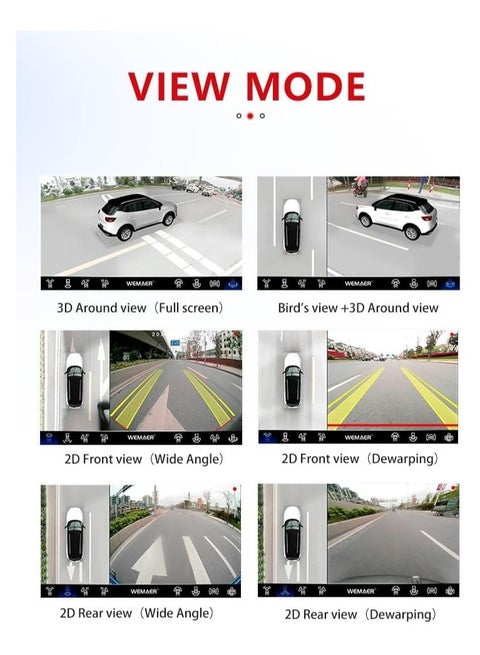
This view makes parking and driving in tight spaces easier. It uses cameras and technology to show a 360-degree view.
What Birds Eye View Shows
The Birds Eye View shows the car and its surroundings from above. It gives a clear picture of nearby objects.
Drivers can see pedestrians, other cars, and obstacles. This helps avoid accidents and makes parking safer.
- Car’s position in parking spots
- Nearby vehicles and objects
- Curbs and road edges
- Pedestrians close to the car
Key Components
The system uses several cameras placed around the car. Usually, cameras are at the front, back, and sides.
Software combines these camera images into one complete view. Sensors help detect obstacles and guide the driver.
- Multiple wide-angle cameras
- Image processing software
- Display screen inside the car
- Parking sensors for extra help
Credit: www.greensafaris.com
How Cameras Capture Surroundings
Birds eye view in cars shows a top-down image of the car’s surroundings. Cameras around the car take pictures to create this view.
The cameras work together to give the driver a clear view of nearby objects and obstacles. This helps with parking and driving safely.
Camera Placement On Cars
Cameras are placed at key points around the car. These points cover all sides to capture a full 360-degree view.
Common camera locations include the front grille, side mirrors, rear bumper, and sometimes under the hood or roof.
- Front camera captures the area in front of the car
- Side cameras cover the left and right sides
- Rear camera shows what is behind the car
- Additional cameras fill in blind spots and provide extra detail
Image Stitching Process
The car’s computer combines images from all cameras into one big picture. This is called image stitching.
Image stitching aligns and blends photos to remove gaps and overlaps. It creates a smooth, clear birds eye view.
- The system corrects camera angles and lens distortions
- It matches edges of images for seamless joining
- The stitched image shows a top-down view around the car
- Drivers see a real-time, easy-to-understand picture
Technology Behind The System
Birds Eye View in cars gives drivers a 360-degree view around their vehicle. This system uses advanced technology to create a clear image from multiple cameras.
The technology combines data from sensors and software to help drivers park and avoid obstacles safely.
Sensors And Software
The system uses several cameras placed around the car. These cameras capture images from different angles. The software then merges these images to form a single, bird’s eye view.
- Front, rear, and side cameras capture wide-angle views
- Ultrasonic sensors detect nearby objects and obstacles
- Software stitches images to create a seamless 360-degree view
- Advanced algorithms adjust the image for distortion and lighting
Real-time Image Processing
The system processes images in real time to show the driver current surroundings. It uses fast computers and software to update the view instantly.
| Process | Description |
| Image Capture | Cameras take pictures from all sides |
| Data Transmission | Images are sent to the central processor |
| Image Stitching | Software merges images to form one view |
| Display | Final image shows on the car’s screen |

Credit: www.prestigeautosound.com
Benefits For Driver Safety
Birds eye view technology shows a car’s surroundings from above. This helps drivers see areas that are hard to view from the seat.
Using this system improves safety by helping drivers avoid accidents and park better.
Blind Spot Reduction
Blind spots are areas around the car that the driver cannot see with mirrors. Birds eye view helps by showing these spots on the screen.
Drivers can check the screen before changing lanes or turning. This reduces the chance of hitting other vehicles or objects.
Parking Assistance
Parking in tight spaces is easier with birds eye view. The driver sees a full image of the car and its surroundings.
- Shows distance to nearby objects
- Helps avoid curbs and obstacles
- Improves angle and space judgment
- Reduces stress during parking
Collision Prevention
| Feature | Benefit |
|---|---|
| 360-degree camera | Detects all around the car |
| Real-time display | Alerts driver to moving objects |
| Guidance lines | Shows safe paths during turns and parking |
Birds eye view warns drivers of possible collisions. It gives time to stop or steer away safely.
Common Challenges And Limitations
The birds eye view system on cars gives drivers a top-down look around their vehicle. This helps with parking and tight spots. The system uses multiple cameras to create this view.
Even though it is helpful, the birds eye view has some challenges. These can affect how well the system works in real life.
Weather Impact
Bad weather can reduce the quality of images from the cameras. Rain, snow, and fog can blur or cover the lenses. This makes the birds eye view less clear.
Ice or dirt buildup can block cameras. This causes blind spots or distorted views. Drivers may not see all obstacles around the car.
- Rain drops on lenses blur images
- Snow covers cameras and blocks view
- Fog reduces visibility in camera shots
- Dirt and mud can stick to camera lenses
Camera Maintenance
Cameras need regular cleaning to work well. Dust, bugs, and grime can build up on lenses. This lowers image quality and system accuracy.
Mechanical issues or damage to cameras also cause problems. Broken or misaligned cameras give wrong views. Timely checks and repairs are important.
- Clean lenses often to keep clear images
- Check cameras for cracks or scratches
- Fix loose or misaligned cameras quickly
- Replace damaged cameras to maintain safety
System Latency
The birds eye view system processes many camera feeds at once. Sometimes there is a delay between real time and the screen image. This delay is called latency.
High latency can confuse drivers. They may see outdated positions of nearby objects. This can reduce the system’s usefulness in fast situations.
- Latency depends on hardware speed
- Software updates can reduce delay
- Complex processing adds to latency
- Low latency improves driver response
Credit: luview.com
Future Innovations
Birds eye view systems on cars are improving fast. New technologies will make these systems smarter and more useful.
Future innovations focus on better data use and clearer images. This will help drivers see their surroundings more easily.
Ai Integration
Artificial intelligence will help birds eye view systems understand what they see. It will identify objects like cars, people, and obstacles.
- Detect moving objects automatically
- Predict possible collisions
- Suggest safe driving paths
- Adjust camera views based on situations
Enhanced Sensor Fusion
Sensor fusion means combining data from cameras, radar, and lidar. This gives a clearer and more complete view around the car.
| Sensor Type | Main Strength | Benefit for Birds Eye View |
| Camera | High detail images | Clear visuals of surroundings |
| Radar | Detects objects in bad weather | Reliable object detection in rain or fog |
| Lidar | Measures distance accurately | Precise 3D mapping of environment |
Frequently Asked Questions
What Is Birds Eye View In Cars?
Birds Eye View in cars is a camera system providing a 360-degree view around the vehicle. It combines images from multiple cameras to create a top-down perspective. This aids drivers in parking and navigating tight spaces, enhancing safety and precision.
How Does Birds Eye View Improve Parking?
Birds Eye View improves parking by offering a comprehensive view of surroundings. It displays potential obstacles, guiding drivers in tight spots. This system minimizes blind spots and enhances accuracy, reducing the risk of collisions during parking maneuvers.
Are All Cars Equipped With Birds Eye View?
Not all cars come equipped with Birds Eye View. It’s typically available in higher-end models or as an optional feature. Many manufacturers now offer it due to its growing popularity and demand for enhanced safety features in vehicles.
How Does The System Ensure Image Accuracy?
The system ensures image accuracy by using multiple high-resolution cameras placed strategically around the car. These cameras capture real-time images, which are processed and stitched together to provide a seamless and accurate 360-degree view.
Conclusion
Birds Eye View helps drivers see all around their car easily. Cameras capture images from different angles and combine them. This view shows obstacles and parking lines clearly. It improves safety and reduces accidents while parking. Many modern cars include this helpful feature today.
Understanding how it works makes you a better driver. Try using Birds Eye View next time you park. It makes tight spaces less stressful and more manageable. Simple technology with big benefits for everyday driving.




