
Are you wondering if the Toyota Bird’s-Eye View Camera can help you change lanes more safely? You’re not alone.
Changing lanes can be tricky, especially in heavy traffic or tight spots. What if your car could give you a clearer view of what’s around you, making those lane changes easier and less stressful? You’ll discover how the Toyota Bird’s-Eye View Camera works and whether it’s a helpful tool for your lane changes.
Keep reading to find out if this feature can truly boost your confidence on the road.
Toyota Bird’s-eye View Camera Features
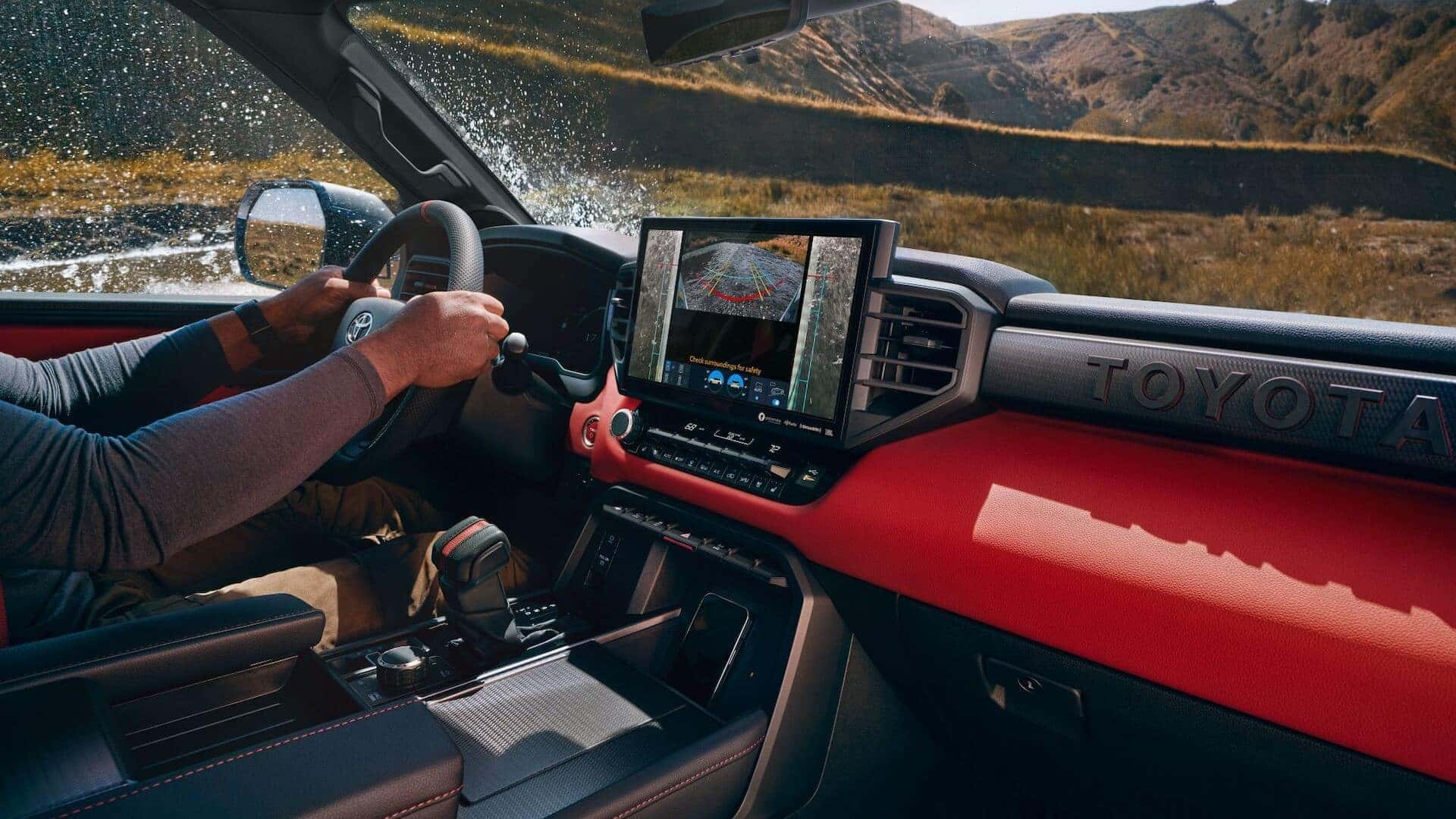
The Toyota Bird’s-Eye View Camera offers advanced features to enhance driving safety. It helps drivers see their vehicle’s surroundings clearly. This system is useful for parking and tight spaces. Understanding its key features shows how it supports lane changes and overall awareness.
Camera Placement And Coverage
The system uses multiple cameras placed around the vehicle. Cameras are located at the front, rear, and under each side mirror. This setup captures a wide area around the car. It covers blind spots and areas hard to see from the driver’s seat. The coverage helps drivers detect nearby vehicles and obstacles.
Image Stitching Technology
The cameras send video feeds to a central processor. The system combines these images into one clear view. This stitched image looks like a bird’s-eye view from above. It shows the car and its surroundings in real time. The seamless image helps drivers understand their environment easily.
Real-time Monitoring
The Bird’s-Eye View Camera provides live video while driving. It updates instantly as the vehicle moves. This real-time feed assists drivers during lane changes and parking. It alerts drivers to objects or vehicles near their car. The continuous monitoring improves safety and confidence on the road.
Credit: www.toyotaofnorthcharlotte.com
Lane Change Safety Challenges
Changing lanes safely is a critical skill for all drivers. Many accidents happen during lane changes due to poor visibility and quick decisions. Understanding the challenges can help drivers stay alert and avoid crashes. Technology, like the Toyota Bird’s-Eye View Camera, aims to reduce these risks by showing a better view of the vehicle’s surroundings.
Common Blind Spot Issues
Blind spots are areas around a vehicle that a driver cannot see directly. These spots hide other cars, motorcycles, or pedestrians during lane changes. Mirrors do not always cover these zones well. Drivers often miss vehicles in these hidden areas, leading to close calls or accidents. The size and shape of a vehicle affect how large the blind spots are.
Common blind spot problems include:
- Failing to check over the shoulder
- Misjudging the distance of other vehicles
- Obstructions like pillars or cargo blocking views
- Large vehicles with bigger blind spots
Typical Causes Of Lane Change Accidents
Many factors cause accidents during lane changes. Drivers may rush or make sudden moves without enough space. Distractions, such as phones or passengers, reduce attention. Weather conditions like rain or fog lower visibility. Some drivers do not signal their intention to change lanes, confusing others.
Other causes include:
- Speeding or driving too close to other vehicles
- Misjudging the speed of nearby traffic
- Overreliance on mirrors without checking blind spots
- Fatigue or impaired driving
Effectiveness Of Bird’s-eye View In Lane Changes
The Toyota Bird’s-Eye View Camera offers a unique perspective that can influence how you approach lane changes. It gives you a top-down view of your vehicle and surroundings, helping you spot obstacles and other vehicles around you. But how well does it perform specifically for lane changes? Let’s take a closer look at its effectiveness in this situation.
Blind Spot Detection Capabilities
The Bird’s-Eye View Camera is excellent at showing what’s immediately around your car, including areas that your side mirrors might miss. This can help you detect vehicles or objects lurking in your blind spots before you start changing lanes.
However, it’s important to remember that this camera system relies on multiple sensors and cameras working together. In some cases, smaller or faster-moving objects might not be fully captured in the display, so you should still use your mirrors and look over your shoulder.
Driver Awareness Enhancement
Using the Bird’s-Eye View Camera can boost your awareness by providing real-time visual feedback of your surroundings. It helps you judge distances better and understand how close other vehicles are when you plan to switch lanes.
Many drivers find that this additional perspective reduces anxiety during lane changes, especially in heavy traffic. If you’ve ever felt unsure about whether your blind spot was clear, this camera can offer that extra layer of confidence.
Limitations In Lane Change Scenarios
While helpful, the Bird’s-Eye View Camera isn’t foolproof. It has a limited field of view and might not capture vehicles moving quickly into your blind spot after you glance at the screen.
Additionally, the camera image can sometimes lag or be affected by weather conditions like heavy rain or fog, reducing its reliability. You should never rely solely on the camera when changing lanes—combining it with traditional checks ensures safer decisions.

Credit: cars24.com
Comparing Bird’s-eye View To Other Safety Systems
The Toyota Bird’s-Eye View Camera offers a unique way to see your surroundings. It provides a 360-degree view from above, helping drivers spot obstacles around the car. This system helps with parking and close-quarter maneuvers. Comparing it to other safety features shows its role in lane changes and overall driving safety.
Other safety systems focus on different aspects of lane changing. Some alert drivers about vehicles in blind spots. Others warn if the car drifts out of its lane. Some systems even adjust speed to keep safe distances. Each system plays a part in preventing accidents and improving driver awareness.
Blind Spot Monitoring Systems
Blind Spot Monitoring uses sensors to detect vehicles in side blind spots. It alerts drivers with lights or sounds. This system helps prevent side collisions during lane changes. Unlike the Bird’s-Eye View Camera, it works in real time while driving at speed. It focuses only on areas hard to see with mirrors.
Lane Departure Warning Systems
Lane Departure Warning tracks lane markings on the road. It warns the driver if the car starts drifting without signaling. This system uses cameras and sensors to keep the vehicle centered. It does not provide a full view around the car. Instead, it focuses on staying inside the lane lines.
Adaptive Cruise Control Integration
Adaptive Cruise Control adjusts speed based on traffic conditions. It keeps a safe distance from the car ahead. This system helps maintain steady speed and reduces driver stress. It works with lane keeping features but does not show a bird’s-eye view. Its main focus is speed control and spacing, not side visibility.
User Experiences And Expert Opinions
Understanding how the Toyota Bird’s-Eye View Camera performs during lane changes is essential. Real users and experts offer valuable insights. Their views highlight the system’s strengths and areas for improvement. This section gathers honest feedback from drivers and professional opinions on lane change safety.
Driver Feedback On Lane Change Safety
Many drivers appreciate the clear, wide view provided by the Bird’s-Eye Camera. It helps spot vehicles and obstacles in blind spots easily. Users report feeling more confident when changing lanes, especially in heavy traffic.
Some drivers mention occasional delays in the camera’s image update. This can cause hesitation during quick lane changes. A few users rely on the camera alongside mirrors, not as a full replacement. Overall, most find it a helpful aid rather than a perfect solution.
Automotive Safety Expert Insights
Experts praise the system for enhancing situational awareness. They say it reduces blind spots and improves overall safety. The camera offers a better perspective than side mirrors alone.
Experts advise combining the camera with active checking. They warn against relying solely on technology. Human attention remains crucial for safe lane changes. Experts encourage regular use of the camera to build trust and familiarity.
Future Improvements For Lane Change Safety
Exploring future improvements in lane change safety, the Toyota Bird’s-Eye View Camera offers a unique perspective. This system provides a 360-degree view, enhancing driver awareness during lane changes. It aims to reduce blind spots and improve overall road safety.
Future Improvements for Lane Change Safety The automotive industry is on the brink of a technological revolution aimed at enhancing lane change safety. As manufacturers like Toyota refine their Bird’s-Eye View Camera systems, the focus is on integrating advanced technologies that promise not only to improve safety but also to enhance the driving experience. Are you ready to explore how these innovations could change your daily commute?Advanced Sensor Integration
Integrating advanced sensors into your vehicle can provide a more comprehensive view of the surroundings. Imagine a system that combines radar, lidar, and cameras to deliver real-time data about nearby vehicles and road conditions. This integration allows for more accurate lane change decisions, ensuring you’re always aware of what’s happening around you. Sensors can detect blind spots and approaching vehicles faster than human reflexes. This technology serves as an extra pair of eyes, reducing the chances of accidents. Wouldn’t you feel more confident knowing your car has your back?Ai And Machine Learning Applications
Artificial intelligence and machine learning are set to redefine lane change safety. These technologies can analyze vast amounts of data to predict the movements of surrounding vehicles. This predictive capability means your car could alert you to potential hazards before they even become visible. AI can adapt to your driving habits, offering personalized suggestions and corrections. Imagine a system that learns from your daily routes and provides tailored lane change recommendations. How much easier would your drive be with a virtual co-pilot?Enhanced Visual And Audio Alerts
Visual and audio alerts are crucial for effective communication between your car and you. Future systems could use augmented reality displays on the windshield to highlight safe lane change opportunities. Imagine a clear visual guide that makes every lane change intuitive and stress-free. Audio alerts can be customized to suit your preferences, ensuring you never miss a warning. Picture a system that gently nudges you with a sound you choose, reminding you to check your surroundings. Wouldn’t that create a more harmonious driving experience? By embracing these future improvements, lane change safety is set to reach new heights. With advanced sensors, AI, and enhanced alerts, your driving experience could be transformed. Are you ready to embrace the future of driving?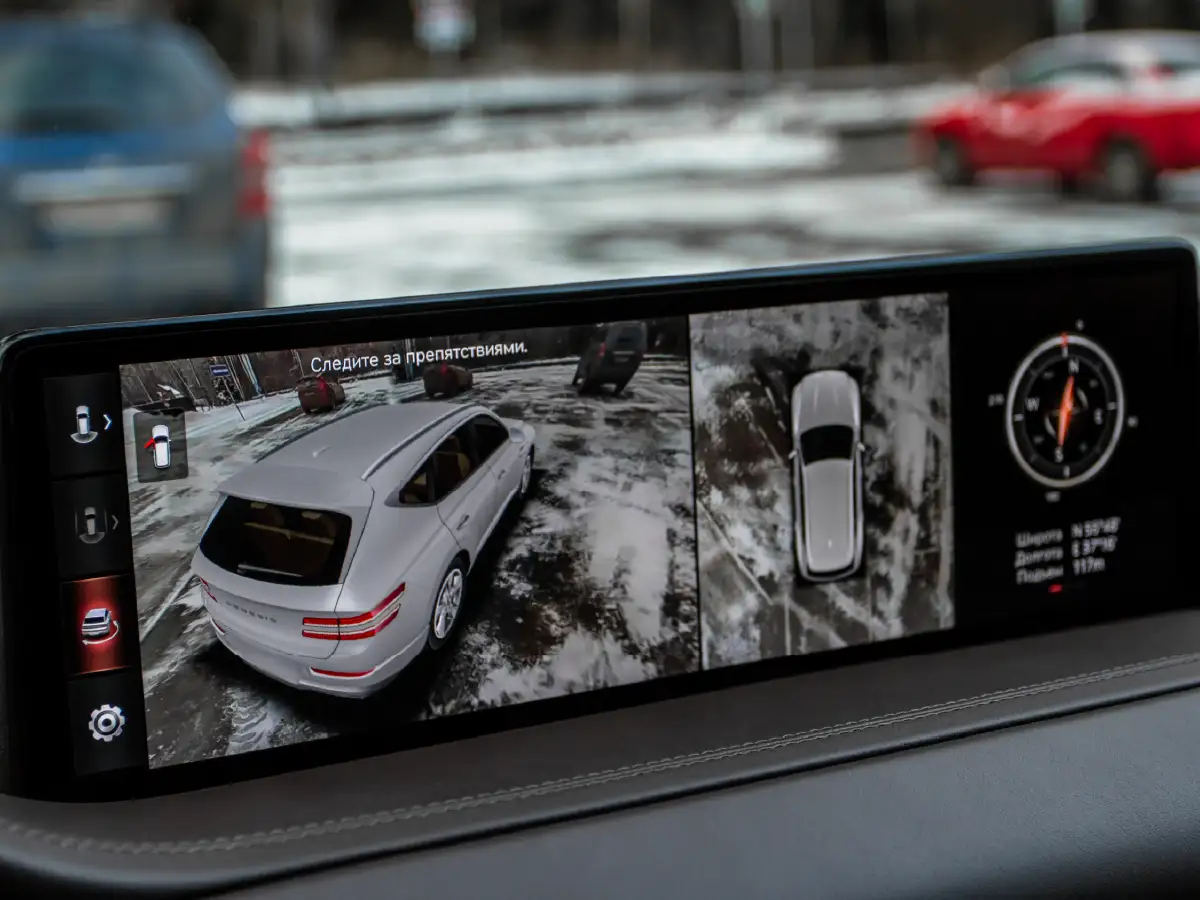
Credit: www.cars24.com
Frequently Asked Questions
Does Toyota Bird’s-eye View Camera Assist In Lane Changing?
The Bird’s-Eye View Camera helps monitor surroundings but does not actively assist in lane changes. It offers a 360-degree view for safer maneuvers but drivers must still check blind spots and use turn signals.
Can The Bird’s-eye View Camera Detect Vehicles In Adjacent Lanes?
Yes, it shows vehicles in nearby lanes within its camera range. However, it may not detect fast-approaching cars, so drivers should remain alert during lane changes.
Is The Bird’s-eye View Camera Reliable For Highway Lane Changes?
The camera provides useful visuals but is not designed to replace mirrors or sensors. For highway lane changes, combining the camera with mirrors and blind-spot monitors is recommended.
How Does The Bird’s-eye View Camera Improve Lane Change Safety?
It improves safety by giving a clear overhead view of the vehicle’s surroundings. This helps drivers spot obstacles and vehicles, reducing blind spots during lane changes.
Conclusion
The Toyota Bird’s-Eye View Camera helps drivers see around their car clearly. It shows nearby vehicles and obstacles during lane changes. The camera adds extra safety by reducing blind spots. Drivers still need to check mirrors and look carefully. This system supports safer driving but does not replace attention.
Using the camera along with good habits makes lane changes easier. It can help avoid accidents and improve confidence on the road. Overall, the Bird’s-Eye View Camera works well as a helpful tool.




