
Have you ever wondered if those little bird houses hanging in your garden are actually being used by birds? You might spend time and effort putting one up, hoping to invite feathered friends, but do they really take up residence?
Understanding whether birds truly use bird houses can change how you care for your backyard and connect with nature. Keep reading, and you’ll discover surprising facts that might just make you see those tiny homes in a whole new light.
Bird Houses And Their Purpose
Bird houses serve as safe shelters for many bird species. They protect birds from predators and harsh weather. Birds use these small homes to nest and raise their young. Providing bird houses helps support local bird populations. It also brings birds closer for observation and enjoyment.
Types Of Bird Houses
- Wooden nest boxes suit most small birds.
- Decorative houses attract specific species.
- Open-front houses work well for birds that prefer visibility.
- Multi-compartment houses offer space for several pairs.
- Specialized designs target birds like bluebirds or wrens.
Materials Used
- Natural wood is the best choice for insulation.
- Cedar resists rot and insects naturally.
- Pine is affordable but needs sealing to last.
- Plastic and metal can be too hot or cold.
- Avoid treated wood with harmful chemicals.
Placement Tips
- Mount houses 5 to 10 feet above ground.
- Face the entrance away from prevailing winds.
- Place near trees or shrubs for cover.
- Keep houses away from busy human activity.
- Clean houses yearly to prevent disease.

Credit: www.birdsandblooms.com
Which Birds Use Bird Houses
Bird houses provide safe places for many bird species to nest and raise their young. Different birds have different needs and habits, so not every bird will use a bird house. Knowing which birds use bird houses helps in choosing the right design and location. This section explores the common birds that nest in bird houses, their preferences, and how their use changes with seasons.
Common Nesting Species
Many small to medium birds like bird houses. Some common species include:
- Eastern Bluebirds
- Chickadees
- Wrens
- Tree Swallows
- Nuthatches
- House Sparrows
These birds look for sheltered, secure spaces. They prefer cavities that protect them from predators and weather.
Bird Preferences And Habits
Birds choose houses based on size, entrance hole, and placement. Small birds like chickadees need smaller holes. Bluebirds prefer open areas with low branches nearby. Swallows like houses near water. Some birds reuse houses yearly. Others may move to new spots each season.
Seasonal Usage Patterns
Bird houses see the most use during spring and early summer. This is when birds build nests and raise chicks. Some species may use houses in late summer for roosting. In winter, few birds use houses for shelter. Placement and maintenance affect seasonal use. Clean, well-placed houses attract more birds each year.
Factors Influencing Bird House Occupancy
Many factors affect whether birds choose to live in bird houses. Birds look for certain conditions to feel safe and comfortable. Understanding these factors helps create a better home for birds. Each element plays a key role in attracting different bird species.
Location And Environment
Bird houses must be placed in the right spot. Birds prefer quiet areas with natural cover like trees or bushes nearby. Avoid places with heavy foot traffic or loud noises. Sunlight exposure matters too. Some birds like bird houses facing east to catch morning sun.
The environment around the bird house should provide food and water sources. Birds will visit if they find easy access to these essentials close by.
House Size And Design
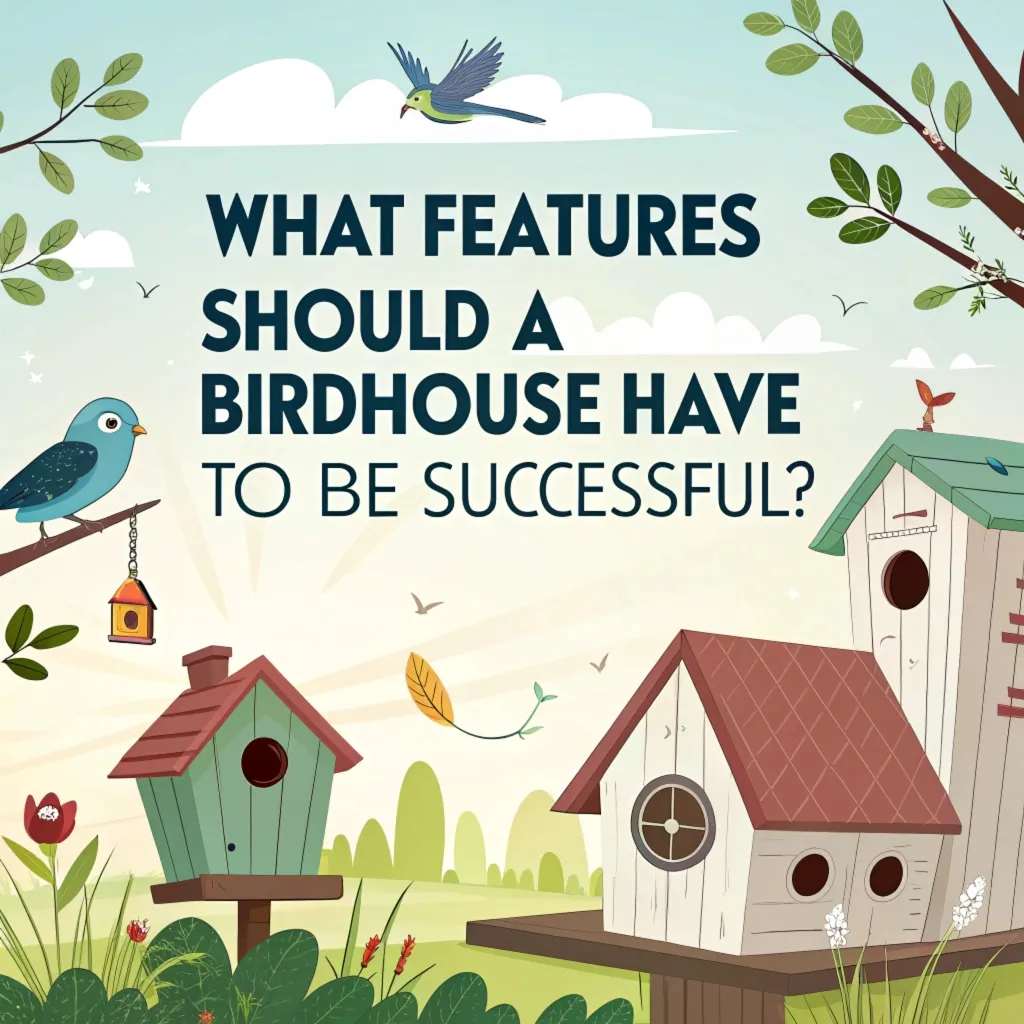
Bird houses come in many shapes and sizes. Each bird species needs a specific size for comfort. The entrance hole size controls which birds can enter. Small holes keep out larger, unwanted birds.
Proper ventilation and drainage keep the inside dry and safe. Smooth inner walls prevent birds from injuring themselves. Design details can make a big difference in occupancy rates.
Safety From Predators
Bird houses must protect birds from predators like cats and snakes. Placing houses on poles with guards helps keep predators away. Avoid placing houses near branches that predators can use to jump in.
Some bird houses have predator baffles or metal plates around the entrance hole. These features provide extra security and peace for nesting birds.
Credit: birdsandyou.com
Unexpected Uses Of Bird Houses
Bird houses offer more than shelter; many birds do use them for nesting and protection. Sometimes, they serve as safe spots for small animals too. Understanding their use helps support local wildlife better.
Bird houses, often thought to be the exclusive domain of our feathered friends, can surprise you with their unexpected uses. While we typically envision these quaint structures as bustling hubs for nesting birds, they often serve a broader purpose. From accommodating other wildlife to impacting local ecosystems, bird houses play a versatile role in nature.Non-bird Visitors
Bird houses are not just for birds. Squirrels, bees, and even small mammals might take up residence. You may notice a squirrel peeking out or bees buzzing around, transforming the house into their cozy abode. This can be a delightful surprise or an unintended challenge. You might find it amusing to watch a squirrel expertly maneuver into a bird house. However, if you’re aiming for avian tenants, consider installing deterrents like squirrel baffles.Bird Houses As Shelter
Bird houses also act as shelters from the elements. They provide refuge during harsh weather conditions, offering a safe space for resting. On a particularly stormy day, you might spot a bird taking sanctuary inside, its feathers fluffed up against the chill. This sheltering aspect is crucial during breeding seasons or when natural habitats are scarce. Offering a bird house in your garden could mean life-saving protection for many creatures.Impact On Local Wildlife
Introducing bird houses can significantly affect local wildlife. These small structures can help balance ecosystems by providing habitats for species that contribute to pollination and pest control. A well-placed bird house can attract insect-eating birds, reducing the need for chemical pesticides in your garden. But it’s important to be mindful of the balance. Overcrowding could lead to competition among species, impacting the local biodiversity. Have you considered how a simple bird house might alter the delicate web of life in your backyard? By understanding these unexpected roles, you can appreciate the humble bird house in a new light and make informed choices that benefit both birds and your local ecosystem.Tips To Attract Birds To Your Bird House
Attracting birds to your bird house takes more than just hanging it up. You need to think about where you place it, how you maintain it, and what common mistakes to avoid. These tips will help you create a welcoming home that birds will actually want to use.
Best Placement Practices
Birds are picky about where they settle. Place your bird house in a quiet area with some natural cover nearby, like trees or shrubs. Avoid spots with too much direct sunlight or strong winds, as birds prefer a cozy and protected space.
Consider the height too. Most birds feel safe when their nests are at least 5 to 10 feet off the ground. Facing the entrance hole away from prevailing winds can also help keep the inside dry and comfortable.
Maintenance And Cleaning
Keeping your bird house clean is crucial. Old nests and debris can attract pests or diseases that drive birds away. At the end of each breeding season, clear out the house and scrub it with a mild bleach solution to kill any lingering germs.
Check for damage regularly. Loose panels or sharp edges can make the house unsafe. Simple repairs can make a big difference in making your bird house a reliable shelter.
Avoiding Common Mistakes
Many people hang bird houses too close to feeders or busy human activity areas. Birds need space and quiet to feel secure. Avoid placing houses in direct sunlight all day or too close to reflective windows, which can confuse or harm birds.
Don’t forget about predator protection. Adding a metal guard around the entrance hole or placing the house on a smooth pole can keep curious squirrels and cats away. Have you noticed any spots around your yard that might scare birds off? Adjusting these can improve your chances of visitors.
Credit: www.thebeaverton.com
Common Myths About Bird Houses
Bird houses often spark curiosity and debate. Many believe they are a simple solution to help birds thrive, but there are several myths that cloud the truth. Understanding these misconceptions can help you make better choices for your backyard wildlife.
Do All Birds Use Bird Houses?
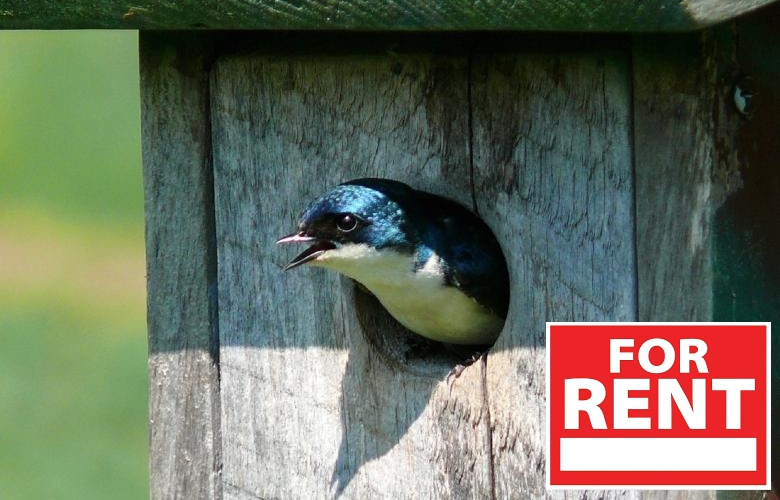
Not all birds are interested in bird houses. Some species prefer natural nesting spots like tree cavities, while others build nests in open spaces or on the ground. If you’ve ever set up a bird house and wondered why it stays empty, it might be because the local birds don’t find it suitable.
Bluebirds and chickadees are known to use bird houses, but birds like robins and sparrows rarely do. Knowing the species in your area helps you decide whether installing a bird house will attract your feathered friends or just gather dust.
Effectiveness In Urban Areas
Bird houses can be effective in cities, but it depends on the environment. Urban areas often lack natural nesting sites, so bird houses can fill that gap. However, pollution, noise, and predators can reduce their success.
Have you noticed fewer birds visiting your urban garden despite having a bird house? It might be worth checking if the house is placed in a safe, quiet spot. Sometimes small changes, like adding nearby shrubs, can make a big difference.
Bird Houses Vs Natural Nesting Sites
Natural nesting sites usually provide better protection and comfort for birds. Bird houses can’t fully replicate the warmth and security of tree holes or dense foliage. Birds might prefer natural sites unless the bird house is well-designed and properly maintained.
Think about your own home—would you choose a cramped, artificial space over a cozy, natural room? Birds feel the same. Ensuring your bird house mimics natural conditions increases its chances of being used.
Frequently Asked Questions
Do Birds Really Use Bird Houses For Nesting?
Yes, many bird species actively use bird houses for nesting. These shelters provide safety from predators and harsh weather. Properly placed and maintained bird houses attract birds looking for secure nesting sites. This helps support local bird populations and encourages birdwatching.
Which Birds Commonly Use Bird Houses?
Common users include bluebirds, chickadees, wrens, and swallows. These cavity-nesting birds seek out bird houses as ideal breeding spots. Different bird species prefer specific bird house sizes and entrance hole dimensions. Knowing the species helps in selecting the right bird house.
How To Attract Birds To A Bird House?
Place the bird house in a quiet, sheltered area away from predators. Ensure the entrance faces away from prevailing winds. Use natural materials and avoid bright colors. Regularly clean the bird house to keep it inviting and safe for birds.
Can Bird Houses Increase Local Bird Populations?
Yes, bird houses provide essential nesting sites where natural cavities are scarce. They help improve breeding success and survival rates. This can boost local bird populations and biodiversity. Well-maintained bird houses contribute positively to urban and suburban ecosystems.
Conclusion
Birds often use bird houses for shelter and nesting. These small homes help protect them from weather and predators. Not all birds accept bird houses, but many do. Placing bird houses in the right spots increases their chances of use.
Watching birds take shelter is rewarding and fun. Bird houses also support local wildlife and nature. Providing a safe space helps birds thrive near you. Simple steps can make a big difference for birds. Bird houses really do matter for many bird species.




