
Are you wondering if it’s the right time to put your bird feeders back out? You’re not alone.
Many bird lovers ask this question as seasons change and the weather shifts. Getting your feeders ready again can bring joy and life back to your yard, but timing matters. If you act too soon or too late, you might miss out on attracting your favorite feathered friends.
Keep reading to discover exactly when and how to bring those feeders back for the best bird-watching experience all year round.
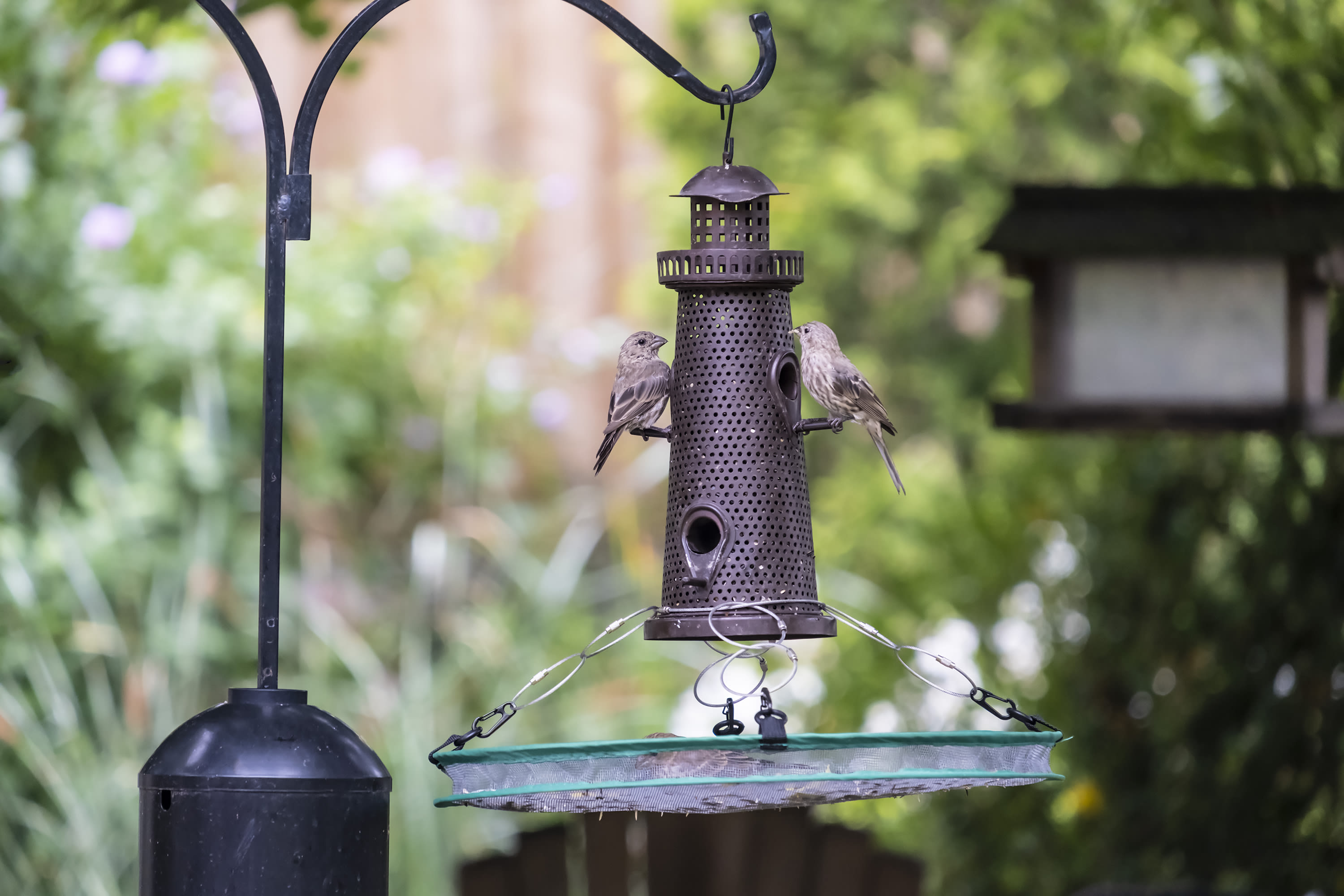
Credit: dengarden.com
When To Resume Feeding
Knowing the right time to put bird feeders back out is important. Feeding birds too early or too late can affect their health. Timing depends on the season, local wildlife, and weather conditions. Watching these signs helps you support birds safely and effectively.
Seasonal Timing
Bird feeding usually starts as winter ends. Many birds rely on feeders during cold months. When natural food returns, feeders become less important. Early spring and late fall are key times. Avoid feeding during warm months unless local birds need extra help.
Local Wildlife Activity
Observe bird behavior around your area. When you see more birds searching for food, it is time to resume feeding. Migration patterns also affect feeding times. Some birds return earlier in spring, others later. Feeding helps birds regain strength after long flights.
Weather Conditions
Cold snaps and snow make feeding necessary. Harsh weather limits birds’ access to natural food. Warm days with mild weather reduce feeding needs. Watch forecasts for sudden temperature drops. Provide food during frost, ice, or heavy snow periods.
Choosing Safe Feeder Locations
Choosing safe feeder locations is key to helping birds enjoy your feeder safely. A good spot keeps birds safe from harm and makes feeding easy. Pick a place that meets their needs and protects them from danger.
Avoiding Predators
Place feeders away from places where cats and other predators hide. Keep them far from thick bushes or tall grass. Open spaces give birds a clear view and quick escape routes. Avoid spots near windows to reduce bird collisions.
Protecting Against Disease
Clean areas around feeders stop disease from spreading. Choose locations that dry quickly after rain. Avoid damp, shaded spots where mold can grow. Keep feeders spaced apart to reduce crowding and illness.
Accessibility For Birds
Pick spots where birds can land and perch easily. Trees or poles near feeders offer resting places. Make sure feeders are not too close to busy human areas. This helps birds feel safe and comfortable while feeding.
Cleaning And Maintenance Tips
Keeping bird feeders clean is key to healthy birds and a pleasant feeding area. Dirt, old seeds, and droppings can harm birds. Regular cleaning stops disease and keeps feeders inviting. Simple steps keep feeders safe for your feathered friends.
Frequency Of Cleaning
Clean feeders every two weeks in mild weather. Clean more often during wet or hot seasons. If many birds visit, clean weekly. Remove seeds and wash feeders to avoid mold and bacteria buildup.
Safe Cleaning Solutions
Use mild soap and warm water for daily cleaning. For deeper cleaning, mix one part white vinegar to nine parts water. Rinse well to remove all soap or vinegar. Avoid harsh chemicals that can harm birds.
Preventing Mold And Bacteria
- Empty feeders regularly to stop seed spoilage.
- Dry feeders completely before refilling.
- Place feeders in sunny spots to reduce moisture.
- Check feeders for cracks where bacteria can hide.
:max_bytes(150000):strip_icc()/GettyImages-2127194441-cb7cb448aa164688aee85075217155d4.jpg)
Credit: www.thespruce.com
Best Foods For Different Seasons
Bird feeders need different foods for each season to keep birds healthy. Changing what you offer helps birds get the right nutrients year-round. It also attracts many types of birds to your yard.
Winter Favorites
Birds need energy to stay warm in winter. High-fat and high-protein foods work best. Black oil sunflower seeds are a top choice. They have thin shells and lots of oil.
Suet cakes provide extra fat to keep birds warm. Peanuts and peanut pieces are also good. They offer protein and fat for energy.
- Black oil sunflower seeds
- Suet cakes
- Peanuts (unsalted)
- Nyjer (thistle) seeds
Spring And Summer Choices
Birds eat more insects in warmer months. Seeds with less fat are better now. Offer millet and cracked corn as lighter options. Fresh fruits like berries attract many birds too.
Mealworms can help insect-eaters during spring and summer. They provide protein for growing chicks.
- Millet
- Cracked corn
- Fresh berries
- Mealworms
Fall Feeding Tips
Fall is a time to prepare birds for winter. Offer seeds that store well and have good fat content. Sunflower seeds and safflower seeds are excellent. Fruits like apples and grapes also attract birds.
Keep feeders clean to prevent mold in damp fall weather.
- Sunflower seeds
- Safflower seeds
- Apples and grapes
- Cracked corn
Monitoring Bird Health
Watching bird health is key before putting feeders back outside. Birds can carry sickness that spreads at feeders. Careful monitoring helps protect wild bird populations. It also keeps your backyard birds safe and healthy.
Check birds often for signs of illness. Spotting problems early can stop disease from spreading. Clean feeders regularly to reduce germs. Healthy birds bring joy and color to your garden.
Signs Of Illness
- Fluffed up feathers and drooping wings
- Swollen eyes or discharge around beak
- Labored breathing or frequent coughing
- Weakness or difficulty perching
- Unusual behavior like lethargy or loss of appetite
When To Stop Feeding
Stop feeding if sick birds appear. Pause feeding for at least two weeks. This break helps break the cycle of infection. Clean and disinfect all feeders before reuse. Keep watching for signs of bird sickness during this time.
Reporting Sick Birds
Report sick or dead birds to local wildlife officials. Many regions have hotlines or websites for reports. Sharing information helps track bird disease outbreaks. It also supports efforts to protect wild bird health.
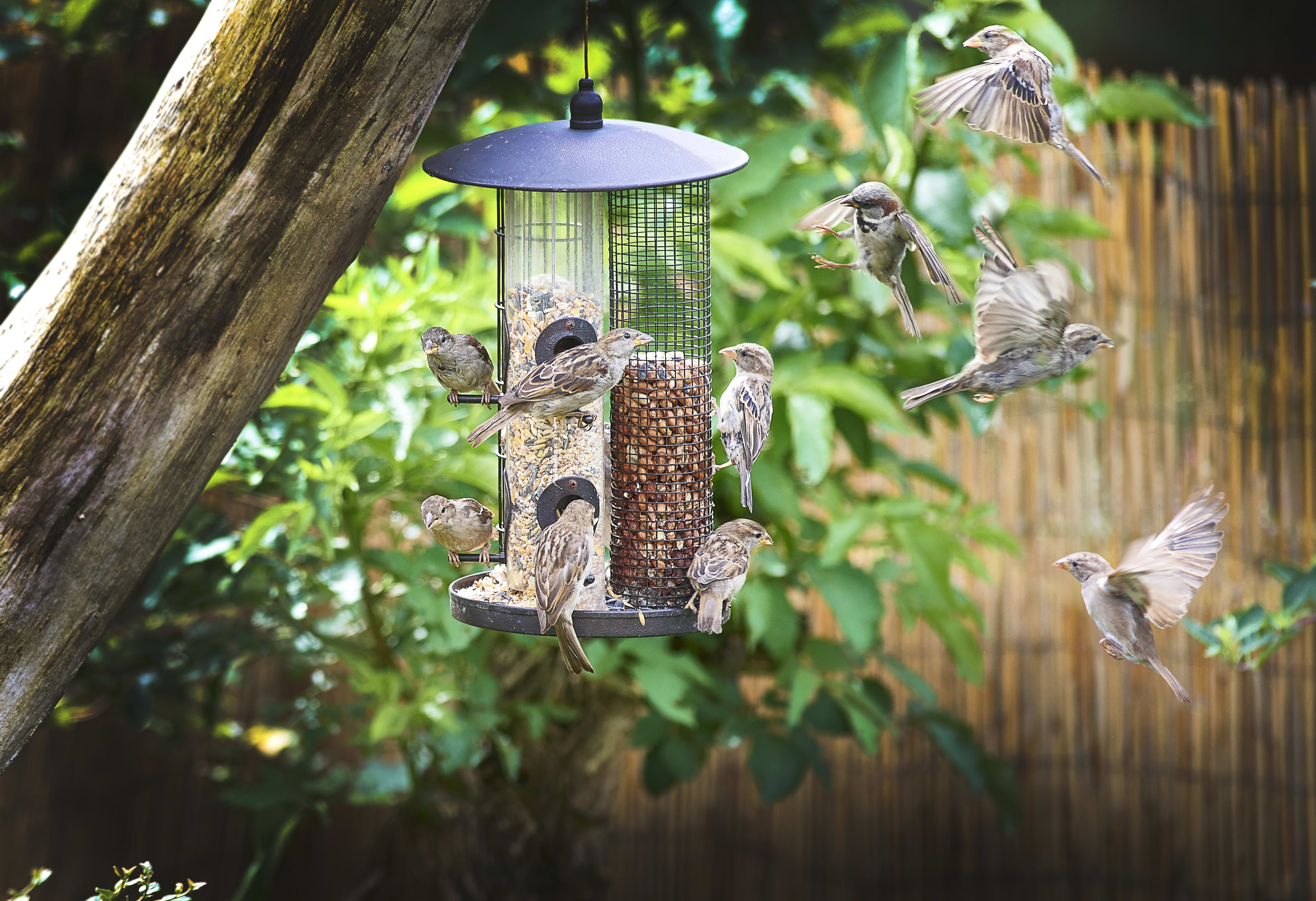
Credit: dengarden.com
Common Feeding Mistakes To Avoid
Putting bird feeders back out too soon can attract pests. Ensure food is fresh and feeders are clean. Avoid placing them near windows to prevent bird collisions.
When it comes to feeding birds in your backyard, it’s easy to assume that all you need is a feeder and some seeds. However, certain mistakes can inadvertently harm the very creatures you’re trying to help. By understanding common feeding mistakes to avoid, you can create a more inviting environment for your feathered friends and enjoy their visits even more.Overfeeding
Feeding birds is a rewarding experience, but too much of a good thing can be harmful. Overfeeding can lead to an accumulation of uneaten food, which can spoil and attract pests. It might also cause birds to become dependent on feeders, reducing their natural foraging behavior. To avoid overfeeding, monitor the amount of food consumed daily. Offer smaller quantities and refill feeders as needed. This ensures fresh food and encourages birds to explore natural food sources as well.Feeder Placement Errors
The location of your bird feeder plays a crucial role in its success. Placing feeders too close to windows can lead to collisions, while areas with heavy foot traffic can stress birds. Select a quiet, safe spot with nearby trees or shrubs to offer birds a place to perch and escape predators. Consider a distance of at least three feet from windows or use window decals to minimize the risk of bird strikes.Ignoring Local Guidelines
Bird feeding guidelines vary by region, especially during migration and breeding seasons. Some areas may have specific recommendations or restrictions to protect local wildlife and habitats. Consult local wildlife organizations or governmental bodies for guidance tailored to your area. Adhering to these guidelines helps maintain ecological balance and supports the wellbeing of local bird populations. Is there a mistake you’ve made in the past with bird feeding? By being mindful of these common pitfalls, you can ensure that your backyard remains a safe haven for birds.Frequently Asked Questions
When Is The Best Time To Put Bird Feeders Back Out?
The best time to put bird feeders back out is early spring. This helps birds find food as natural sources are scarce. It also encourages birds to stay in your area for nesting season.
Can I Put Bird Feeders Out Year-round Safely?
Yes, you can keep bird feeders out year-round. Just clean them regularly to prevent disease. Adjust the seed type to seasonal bird preferences for best results.
Should I Clean Bird Feeders Before Putting Them Back Out?
Always clean bird feeders before putting them back out. Use warm soapy water and rinse well. Clean feeders prevent mold, bacteria, and spread of bird diseases.
What Type Of Seed Should I Use In Spring?
Use high-energy seeds like black oil sunflower in spring. These attract a variety of birds and provide essential nutrients. Avoid spoiled or old seeds to keep birds healthy.
Conclusion
Bird feeders can bring joy and life back to your yard. Keep them clean and check local bird health advice. Fresh food and water help birds stay strong. Watch for signs of illness and pause feeding if needed. Enjoy the birds safely and responsibly this season.
Your care makes a big difference for wild birds. Simple steps create a happy, healthy feeding spot.




