
Have you ever wondered what it was like when birds first took to the skies? Imagine a time long before the modern birds you see today—when winged dinosaurs ruled the air.
This guide will take you through the fascinating world of Mesozoic birds and their prehistoric flying relatives. You’ll discover how these incredible creatures lived, evolved, and changed the course of life on Earth. By the end, you’ll see these ancient winged dinosaurs in a whole new light, sparking your curiosity and deepening your understanding of the skies millions of years ago.
Ready to explore? Let’s dive in.
Mesozoic Era And Winged Dinosaurs
The Mesozoic Era holds a special place in the story of life on Earth. It’s the time when winged dinosaurs took to the skies, changing how we think about these ancient creatures. Understanding this era helps you appreciate the incredible diversity and adaptations that led to the birds we see today.
Timeline Of The Mesozoic Era
The Mesozoic Era lasted about 180 million years, divided into three periods:
- Triassic (252–201 million years ago):The dawn of dinosaurs, including the first winged ones.
- Jurassic (201–145 million years ago):Winged dinosaurs diversified and grew more common.
- Cretaceous (145–66 million years ago):The era ended with the rise of true birds and the extinction of many winged dinosaurs.
Knowing this timeline helps you place key evolutionary events in order and spot where your favorite prehistoric creatures fit.
Emergence Of Winged Dinosaurs
Winged dinosaurs didn’t appear overnight. Small, feathered species like Archaeopteryxshowed early flight capabilities around 150 million years ago.
These creatures combined features of both birds and reptiles, challenging what you might think about what makes a bird. The development of feathers, lightweight bones, and wing structures gave them an edge in hunting and escaping predators.
Have you ever wondered how flight evolved? Studying these early winged dinosaurs gives clues about the transition from gliding to powered flight, a leap that changed life on Earth forever.
Key Environmental Changes
During the Mesozoic, Earth’s environment shifted dramatically. Warm climates and rising sea levels created new habitats that winged dinosaurs could explore.
Vegetation also changed, with the spread of flowering plants in the Cretaceous offering fresh food sources. These changes pushed winged dinosaurs to adapt their diets and behaviors.
Think about your own environment: how do changes around you affect what you eat or how you move? Winged dinosaurs faced similar challenges, making their survival a fascinating story of adaptation.

Credit: www.amazon.com
Types Of Mesozoic Birds
The Mesozoic era was a remarkable time for the evolution of birds and their close relatives. Understanding the different types of Mesozoic birds helps you appreciate how modern birds came to be. These ancient winged creatures show a fascinating range of features and adaptations, many of which you can still see echoes of today.
Archaeopteryx And Early Birds
Archaeopteryx often grabs the spotlight as the first bird-like dinosaur. It had feathers and wings but also many dinosaur traits like teeth and a long bony tail. This blend shows you how birds began evolving from small theropod dinosaurs during the Late Jurassic.
Early birds like Archaeopteryx weren’t great flyers yet. Their wings were more for gliding or short bursts of flight. Can you imagine what it was like for these early fliers to navigate prehistoric forests with limited flight skills?
Enantiornithes
Enantiornithes were the dominant birds of the Cretaceous period. Unlike Archaeopteryx, these birds had more advanced flight capabilities and diverse lifestyles. Many species had strong beaks and claws, allowing them to explore different habitats.
You might be surprised to learn that Enantiornithes had teeth, a feature lost in modern birds. Their widespread presence shows you how bird evolution was experimenting with various forms long before the mass extinction.
Ornithuromorpha
Ornithuromorpha includes the ancestors of all living birds. They had more modern features like a keeled sternum for stronger flight muscles. This group was the only one to survive the mass extinction at the end of the Cretaceous.
Understanding Ornithuromorpha gives you a direct link to today’s birds. Their evolution reveals how flight, feeding, and behavior became more specialized over time. What traits do you think helped them survive when so many other species disappeared?
Other Winged Dinosaurs
Other winged dinosaurs expand your view beyond just the birds we see today. These creatures showcase the variety of ways dinosaurs took to the skies. Understanding their differences helps you appreciate how flight evolved through diverse paths.
Pterosaurs: The First Flyers
Pterosaurs were the earliest vertebrates capable of powered flight. Unlike birds, their wings were made of skin stretched over an elongated fourth finger. They soared over ancient seas and lands long before birds existed.
Imagine spotting a giant pterosaur gliding above the waves, using wind currents to travel great distances. Their lightweight bones and huge wingspan made them efficient flyers. What do you think it would have been like to watch these creatures in the sky?
Feathered Theropods
Not all winged dinosaurs had the ability to fly, but many had feathers. Feathered theropods, closely related to birds, used feathers for insulation, display, or gliding. These features hint at the evolutionary steps toward true flight.
Take Microraptor, a small dinosaur with feathers on both its arms and legs. Its four-winged design suggests it could glide between trees. This shows you how feathers served multiple roles before full flight developed.
Diversity And Adaptations
The range of winged dinosaurs reveals many adaptations for life in the air. Some developed strong muscles for flapping, others evolved light bones or special feathers. Each species adapted to its environment and lifestyle uniquely.
- Different wing shapes for soaring versus quick bursts of speed
- Varied feather types for warmth, camouflage, or mating displays
- Distinct body sizes from tiny gliders to massive flyers
How do you think these differences affected their survival? Studying their adaptations gives you clues about the challenges and opportunities flying dinosaurs faced.
Anatomy And Flight Mechanics
The anatomy and flight mechanics of Mesozoic birds and their winged dinosaur relatives offer a fascinating glimpse into the origins of flight. Understanding their physical structures helps you appreciate how these ancient creatures mastered the skies long before modern birds appeared. Let’s break down key features that made their flight possible and how these features evolved over millions of years.
Skeletal Structures
The bones of Mesozoic birds and winged dinosaurs were lightweight yet strong. Hollow bones reduced weight without sacrificing durability, allowing easier lift-off and sustained flight. Many species had fused bones in the wrist and hand, creating a sturdy wing frame that supported feathers during flight.
Notice how the keeled sternum, a ridge on the breastbone, provided attachment points for powerful flight muscles. This feature is common in modern flying birds and was already developing in some winged dinosaurs. Could the shape and size of these bones tell you how well a species flew or if it was more glider than active flier?
Feather Types And Functions
Feathers played a crucial role beyond just flight. Some winged dinosaurs sported simple, hair-like feathers for insulation or display, while others had complex, asymmetrical flight feathers essential for aerodynamic control. These flight feathers could steer, generate lift, and help land safely.
Have you ever wondered why feathers evolved asymmetry? It’s all about controlling airflow and stability. Without this, maintaining flight would be nearly impossible. Additionally, feathers helped with temperature regulation and mating displays, showing how multi-functional they were.
Flight Evolution
Flight didn’t appear overnight; it was a gradual process involving many small changes. Early winged dinosaurs might have started with gliding or parachuting from trees before developing powered flight. This slow evolution allowed their bodies and feathers to adapt step by step.
Think about how this challenges your idea of “flight.” It wasn’t just a simple leap but a complex journey of trial and error. Studying these changes can inspire you to consider how small adaptations in your own life might lead to big breakthroughs.
Fossil Discoveries And Key Sites
Fossil discoveries provide vital clues about Mesozoic birds and other winged dinosaurs. They help us understand how these ancient creatures looked and lived. Fossils also reveal the evolution of flight and feathers over millions of years. Key sites around the world have yielded important specimens that shape our knowledge.
Famous Fossil Locations
- Jiufotang Formation, China – Known for well-preserved feathered dinosaurs.
- Solnhofen Limestone, Germany – Famous for Archaeopteryx fossils.
- Yixian Formation, China – Rich in early bird fossils with detailed feathers.
- Hell Creek Formation, USA – Offers late Cretaceous dinosaur remains.
- Las Hoyas, Spain – Provides fossils of early birds and small dinosaurs.
Notable Specimens
- Archaeopteryx:The first bird-like dinosaur discovered in Germany.
- Microraptor:A small dinosaur with four wings from China.
- Confuciusornis:An early bird with a beak, from the Yixian Formation.
- Anchiornis:Known for its detailed feather impressions.
- Sinornithosaurus:A feathered dinosaur that showed early flight features.
Techniques In Fossil Analysis
Scientists use various methods to study fossils. CT scans reveal internal bone structures without damage. Microscopy helps examine feather details and textures. Chemical analysis identifies pigments to understand color patterns. 3D modeling reconstructs how these creatures moved and flew. These techniques bring fossils to life in new ways.
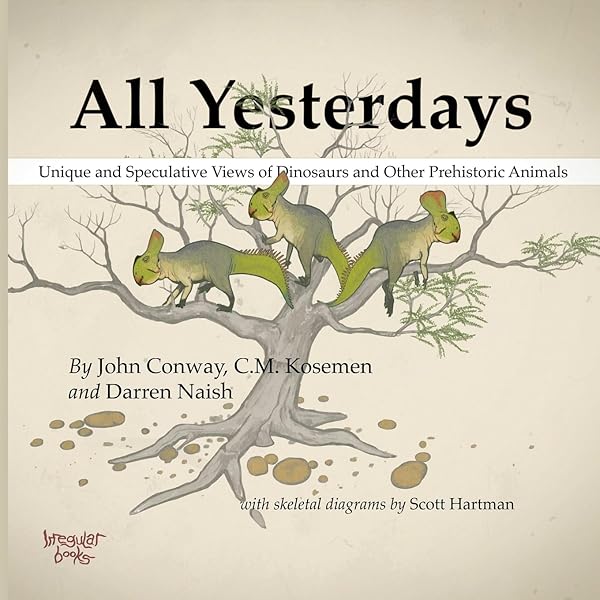
Credit: www.amazon.com
Behavior And Ecology
Mesozoic birds and winged dinosaurs show diverse behaviors like hunting and nesting. Their ecology reveals how they adapted to ancient environments and survived. These creatures offer clues about flight evolution and life during the Mesozoic era.
Understanding the behavior and ecology of Mesozoic birds and other winged dinosaurs offers a fascinating glimpse into their daily lives and survival tactics. These creatures, often depicted as fierce and mysterious, had unique lifestyles that helped them thrive in their prehistoric environments. By examining their feeding habits, reproductive strategies, and interactions with other species, we gain insights into their world.Feeding Habits
Mesozoic birds and winged dinosaurs had diverse diets, much like today’s birds. Some were carnivorous, preying on small mammals, reptiles, and insects, while others were herbivorous, feeding on plants and seeds. The variety in their feeding habits suggests adaptability, enabling them to survive in different ecosystems. Did you know that some species had specialized beaks tailored to their specific diets? This adaptation not only helped in securing food but also in reducing competition among species. Imagine witnessing a winged dinosaur gracefully snatching a fish from a prehistoric river, showcasing its hunting prowess.Reproduction And Nesting
Reproductive strategies of these ancient creatures were as varied as their diets. Many Mesozoic birds and winged dinosaurs built nests, much like modern birds, to protect their eggs. These nests, often found on the ground or in trees, were crucial for the survival of their young. Parental care was also a significant aspect of their behavior. Fossil evidence suggests that some species tended to their young, ensuring their safety and growth. This nurturing behavior highlights the importance of family bonds, even millions of years ago.Interactions With Other Species
Interactions with other species played a pivotal role in the lives of Mesozoic birds and winged dinosaurs. They coexisted with a plethora of other creatures, from fellow dinosaurs to early mammals. These interactions were not always peaceful, as competition for resources was fierce. However, some species formed symbiotic relationships, benefiting from each other’s presence. This cooperation might have involved mutual protection or even assistance in foraging. Such interactions raise intriguing questions about the complexity of life during the Mesozoic era. As you ponder these ancient behaviors, consider how they mirror the lives of modern birds. Their adaptability, nurturing instincts, and interactions paint a vivid picture of survival in a world vastly different from ours. What lessons can we learn from these prehistoric creatures about thriving in ever-changing environments?Extinction And Legacy
Extinction ended the age of winged dinosaurs, but their legacy lives on in modern birds. This guide explores their fascinating history and evolution.
The Mesozoic era was a time of great diversity for birds and winged dinosaurs. Their extinction marked a significant shift in Earth’s history. Understanding the factors behind their decline helps us appreciate their legacy.Factors Leading To Decline
Several factors contributed to their extinction. The asteroid impact was a major event. It caused drastic climate changes. Volcanic eruptions also played a part. These eruptions released toxic gases. Habitat destruction followed, altering ecosystems. Food chains were disrupted. Many species couldn’t survive these changes.Survivors And Evolution
Some species survived and evolved. Small, adaptable birds were among them. They found new niches to exploit. These survivors adapted to changing environments. Over time, they evolved into the birds we see today. Their ability to fly gave them an advantage. It helped them escape predators and find food.Impact On Modern Birds
Modern birds are their legacy. They carry traits from their ancestors. Hollow bones and feathers are examples. These features aid in flight. Birds today show incredible diversity. From tiny hummingbirds to large eagles. Each species has unique adaptations. These adaptations reflect millions of years of evolution. Their songs and behaviors enrich our world.
Credit: www.amazon.com
Frequently Asked Questions
What Are Mesozoic Birds And Winged Dinosaurs?
Mesozoic birds and winged dinosaurs lived during the Mesozoic Era. They include early birds and feathered dinosaurs with wings. These creatures show the evolutionary link between dinosaurs and modern birds.
How Did Winged Dinosaurs Differ From Early Birds?
Winged dinosaurs had dinosaur-like features like teeth and long tails. Early birds had more bird-like traits such as beaks and shorter tails. Both had feathers, but winged dinosaurs were less adapted for flight.
Which Species Are Classified As Mesozoic Birds?
Archaeopteryx is the most famous Mesozoic bird. Others include Confuciusornis and Enantiornithes. These species had feathers and wings but retained some dinosaur characteristics.
What Role Did Feathers Play In Winged Dinosaurs?
Feathers helped with insulation, display, and gliding. Over time, feathers evolved to support powered flight in early birds. They were crucial for survival and adaptation.
Conclusion
Mesozoic birds and winged dinosaurs show nature’s great creativity. Their story helps us understand how life changed over time. Fossils tell us about their shapes, habits, and habitats. These ancient creatures link dinosaurs to today’s birds. Exploring their world sparks curiosity about Earth’s past.
Remember, every discovery adds a new piece to this puzzle. Keep learning and enjoy the amazing history of winged dinosaurs.




