
Are you curious if a security camera can help you watch birds up close? Imagine catching every flutter, chirp, and colorful detail right from your phone or computer.
But does a security camera have what it takes to capture those delicate moments clearly? If you want to enjoy birdwatching without missing a single beat, understanding how these cameras work for this purpose is key. Keep reading to discover the surprising truth and learn how to set up your gear for the best birdwatching experience possible.
Choosing The Right Camera
Choosing the right camera for bird watching is more than just picking a device with a good brand name. The camera you select will directly affect how clearly you see the birds, how much detail you capture, and how easy it is to observe them at different times of the day. Understanding key features will help you make a choice that fits your bird watching style and environment.
Types Of Security Cameras
There are several types of security cameras that can double as bird watchers. Wired cameras offer reliable power and stable connections but might limit where you place them. Wireless cameras provide flexibility, allowing you to move the camera around your yard or garden easily.
Dome cameras are compact and less noticeable, which can be great if you want to observe birds without disturbing them. Bullet cameras usually have longer ranges and can capture birds from a distance. Think about where you want to place your camera and how visible you want it to be.
Camera Resolution And Image Quality
Resolution matters a lot when you want to see the fine details of a bird’s feathers or colors. Cameras with at least 1080p resolution are generally good for clear images. Higher resolutions like 4K deliver sharper images but might require more storage space and stronger internet connections.
Image quality also depends on the camera’s sensor and how it handles lighting conditions. A camera with good color accuracy will show birds in their true colors, which is important for identifying species. Ask yourself if you want to capture photos or videos and how clear you want those to be.
Lens And Field Of View
The lens controls how much of the scene you can see. A wide-angle lens captures more area, which is useful if you want to watch a large bird feeder or tree. However, wide angles can make birds look smaller and less detailed.
If your focus is on specific spots where birds often gather, a camera with a narrower field of view might be better. Some cameras allow you to zoom in or adjust the lens, giving you flexibility to switch between wide and close-up views. How close do you want to get without scaring the birds away?
Night Vision Capabilities
Birds don’t just show up during the day; some species are active at dawn, dusk, or even at night. Cameras with night vision let you continue watching when light levels drop. Infrared night vision uses invisible light, so it won’t disturb the birds while giving you clear images in the dark.
Not all night vision is equal—some cameras provide black and white images, while others offer color night vision. Consider how often you expect to watch birds at night and whether you want to identify species in low light. Can your camera reveal what happens when the sun goes down?

Credit: www.eufy.com
Placement And Installation Tips
Choosing the right spot and setting up your security camera properly can make all the difference in capturing those beautiful bird moments. Placement and installation are key to not just seeing the birds, but truly enjoying their behavior in clear, crisp detail. Let’s look at some practical tips that can boost your bird-watching experience through your security camera.
Best Locations For Bird Watching
Position your camera where birds naturally gather. Near feeders, birdbaths, or flowering plants tends to attract more activity.
Think about the birds’ flight paths and favorite perches. Placing the camera at eye level or slightly above gives a natural perspective and better focus.
Also, consider shelter from harsh weather. A spot under a tree canopy or eave can protect your equipment and keep the view consistent.
Mounting Techniques
Secure your camera firmly to avoid vibrations that blur images. Use sturdy brackets or mounts designed for outdoor use.
Try attaching the camera to a tree branch, fence post, or wall near the bird zone. Ensure it stays stable during wind or movement.
Adjust the angle carefully. Tilting slightly downward often captures bird activity more effectively than a straight-ahead view.
Avoiding Glare And Obstructions
Sunlight reflecting off the lens can ruin your shots. Position the camera away from direct sun or use a small shade to block glare.
Clear any leaves, branches, or other objects that might block the view. Even small movements in front of the lens can trigger false alerts or obscure the birds.
Have you noticed how much a single twig can spoil a perfect shot? Take time to tidy the area and keep your lens clean for the best results.
Features To Enhance Bird Watching
Security cameras offer unique features that enhance bird watching. They capture vivid details, making it easier to observe birds closely. Many modern security cameras come equipped with advanced technology. This technology transforms your bird watching experience.
Motion Detection Settings
Motion detection is a key feature for bird watchers. It alerts you when birds enter the camera’s view. This ensures you don’t miss exciting bird activity. Customize sensitivity settings to avoid false alarms. This allows you to focus only on genuine bird movements.
Audio Recording Options
Audio recording adds another layer to bird watching. Listen to birdsong and calls captured by the camera. This feature helps in identifying different bird species. Clear audio enhances the overall experience. It makes bird watching more immersive and enjoyable.
Remote Access And Live Streaming
Remote access lets you watch birds from anywhere. Use a smartphone or tablet to view live footage. This is perfect for bird watchers on the go. Share live streams with fellow enthusiasts. This feature brings a community feel to bird watching.

Credit: www.birdfy.com
Challenges With Security Cameras
Using a security camera to watch birds brings unique challenges. These devices are made for security, not nature observation. Many issues affect the camera’s performance and image quality. Understanding these challenges helps set the right expectations for bird watching.
Dealing With Weather Conditions
Security cameras face tough weather conditions outside. Rain, snow, and fog can blur the camera lens. Strong winds may shake the camera, causing blurry videos. Extreme cold or heat can damage camera parts or reduce battery life. Finding a weatherproof camera is important but may not solve all problems.
Battery Life And Power Sources
Many security cameras run on batteries or need a power source. Watching birds means long hours of recording or live streaming. Batteries may drain quickly, especially in cold weather. Constant charging or replacing batteries interrupts bird watching. Solar panels or wired power can help but may limit camera placement.
Privacy And Legal Considerations
Security cameras can record more than birds. They might capture neighbors or public areas. Laws vary on where cameras can point and what they can record. Respecting privacy is crucial to avoid legal problems. Check local rules before installing cameras outdoors for bird watching.
Alternative Camera Options
If you’re serious about bird watching and want to capture clear, close-up images or videos, a standard security camera might not always meet your needs. Thankfully, there are several alternative camera options designed to help you observe birds more effectively. Each of these options offers unique features that cater specifically to the challenges of bird watching.
Trail Cameras
Trail cameras are built to capture wildlife activity discreetly and automatically. They often have motion sensors that trigger recording when birds come near, so you don’t miss a moment. Many models also offer night vision, which is perfect for spotting nocturnal birds or early morning activity.
One time, I set up a trail camera near my backyard feeder and was amazed by the variety of birds it caught on video without me needing to be there. These cameras are weatherproof and rugged, ideal if you want to leave them outside for long periods.
Dedicated Bird Watching Cameras
Dedicated bird watching cameras come with specialized lenses and zoom capabilities to capture detailed shots from a distance. They often include image stabilization and higher frame rates to handle quick bird movements. Some even connect to apps that allow you to control the camera remotely.
If you want sharp images without disturbing the birds, these cameras offer an excellent balance between quality and convenience. Think about your usual bird spots—would a camera like this let you get closer without scaring your feathered friends away?
Smartphone Apps And Accessories
Your smartphone can turn into a powerful bird watching tool with the right apps and accessories. Clip-on lenses enhance zoom and macro capabilities, while apps help identify birds by sound and appearance. Many apps also let you log your sightings and share them with birding communities.
I once used a smartphone with a telephoto clip-on lens to snap a photo of a rare hummingbird visiting my garden. It wasn’t professional-grade, but the convenience and portability made it a great option for spontaneous bird watching moments. Could your phone gear be the easiest way to start capturing bird life today?
Tips For Capturing Quality Footage
Capturing quality footage of birds with a security camera requires more than just setting up the device and waiting. You need to think about the right moments, the environment you create, and the camera’s settings. These tips will help you get clearer, more exciting bird videos that you’ll want to watch again and again.
Timing And Patience
Birds are most active during early morning and late afternoon. Plan your camera to record during these peak times to catch natural behavior like feeding or singing.
Patience is key. Sometimes, you may have to wait hours or even days for the perfect shot. Have you ever noticed how the best moments often happen when you least expect them?
Using Attractants
Adding bird feeders, water sources, or plants that birds like can increase your chances of getting footage. Place these attractants within the camera’s view but avoid overcrowding the area.
Try different seeds or bird baths to see what draws more visitors. This simple trick can turn your backyard into a bird hotspot without disturbing their natural habits.
Adjusting Camera Settings
Customize your camera settings to suit outdoor conditions. Increase the frame rate for smoother video, especially if birds move quickly.
Use motion detection wisely—set it to trigger only by small movements to avoid constant recording of leaves or shadows. Adjust brightness and contrast to handle varying light and avoid washed-out images.
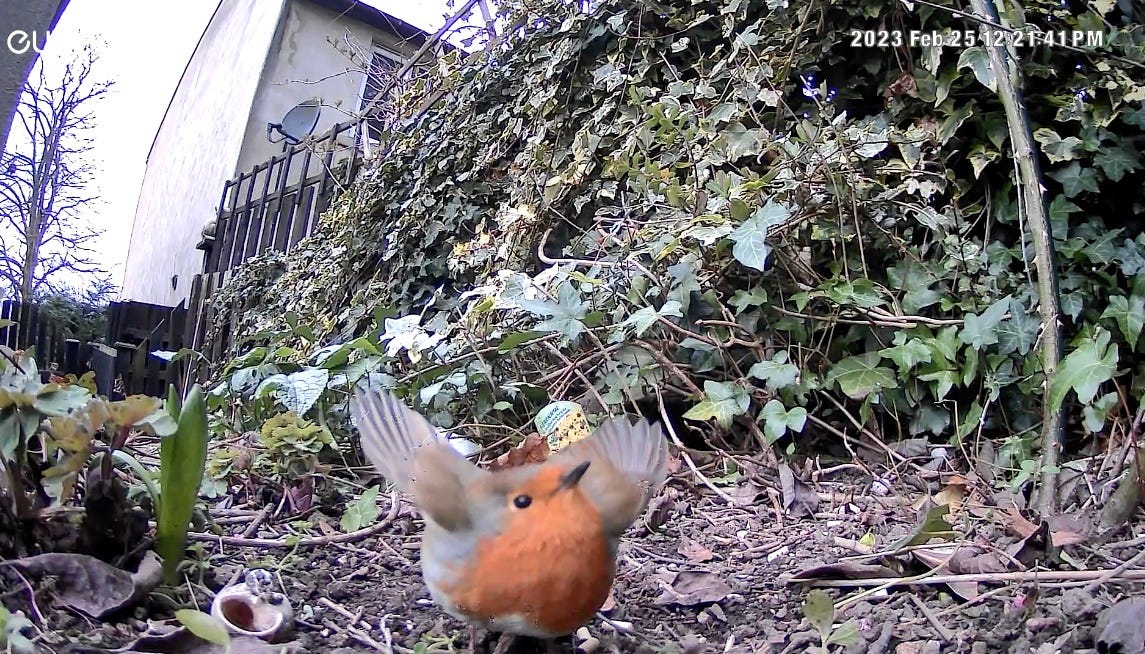
Credit: medium.com
Frequently Asked Questions
Can Security Cameras Capture Clear Bird Images?
Yes, security cameras with high resolution and good zoom can capture clear bird images. Choose cameras with adjustable focus and night vision for better results.
Are Wireless Security Cameras Good For Bird Watching?
Wireless security cameras offer flexibility in placement and easy setup. They work well for bird watching when positioned near feeders or nests.
What Features Matter For Bird Watching Cameras?
Look for high resolution, wide-angle lenses, motion detection, and night vision. These features help capture detailed and timely bird activities effectively.
Can Security Cameras Disturb Birds While Watching?
No, most security cameras are unobtrusive and operate silently. Proper placement ensures minimal disturbance to birds during observation.
Conclusion
A security camera can help you watch birds quietly and safely. It captures moments you might miss with your eyes alone. Choose a camera with good zoom and clear night vision. Place it where birds often visit for the best view.
This tool lets you enjoy birdwatching without disturbing nature. Watching birds through a camera brings nature closer to home. It’s simple, fun, and can teach you a lot about birds’ habits. Give it a try and see what surprises await.




