
Are you ready to welcome more birds into your garden? One simple but important step is deciding which direction your bird house should face.
You might think it doesn’t matter, but the right direction can make a big difference in attracting birds and keeping them safe. You’ll discover the best orientation for your bird house to ensure it stays cozy and inviting. Keep reading to find out how a small change can bring more feathered friends right to your backyard!
Ideal Orientation
Choosing the ideal orientation for your birdhouse can make all the difference in attracting feathered friends. The direction it faces affects sunlight exposure, wind protection, and safety from predators. Understanding these factors helps you create a welcoming home for birds year-round.
Sunlight And Temperature
Birdhouses should generally face east or southeast to catch the morning sun. This warm sunlight helps dry out the nest and keeps the interior cozy during cool mornings.
Avoid placing the entrance where it will face the hot afternoon sun, as this can overheat the nest. Have you noticed how birds prefer sunny spots early in the day? Your birdhouse can mimic this natural preference.
Wind Protection
Facing the birdhouse away from prevailing winds shields it from cold gusts and rain. In many regions, winds come from the north or west, so orient the entrance toward the opposite side.
This reduces chilling drafts inside the house, helping chicks stay warm and safe. Even a slight adjustment in direction can improve shelter comfort significantly.
Predator Avoidance
Position the birdhouse so the entrance isn’t easily visible or accessible to predators like cats or raccoons. Avoid placing it facing busy areas or open spaces where predators can lurk.
Adding a clear flight path for birds while limiting predator access is key. Have you tried placing a birdhouse near dense foliage or hanging it from a thin branch? These tactics create natural barriers that protect your tiny tenants.
Regional Considerations
Choosing the right direction for your bird house depends heavily on your region. Birds are sensitive to temperature, wind, and sunlight, all of which vary greatly between locations. Understanding these regional differences can help you provide a safer, more comfortable home for your feathered visitors.
Northern Climates
In colder northern areas, facing the bird house toward the sunniest side helps keep it warm during chilly months. South or southeast exposures work best because they capture morning sunlight, gently warming the nest without overheating it.
Strong winds can be harsh in these regions. Positioning the entrance away from prevailing winds offers protection and reduces heat loss. Have you noticed how birds often nest in sheltered spots during winter? Mimicking that shelter can make a big difference.
Southern Climates
Heat is the main concern in warmer southern climates. Facing the bird house north or northeast minimizes direct afternoon sun, keeping the interior cooler. This prevents overheating, which can be dangerous for young birds.
Shade from nearby trees or structures can also help regulate temperature. You might think full sun is best, but too much heat can actually drive birds away. How could a little shade improve your birdhouse’s appeal?
Urban Vs Rural Settings
Urban areas often have more heat and noise, so placing the bird house in a quieter, shaded spot is crucial. Facing the entrance away from busy streets reduces disturbance and increases safety.
In rural settings, you have more flexibility but still need to consider predators and weather. Facing the bird house toward open spaces allows birds to spot threats early. Are there natural barriers nearby you could use for extra protection?
Species-specific Preferences
Choosing the right direction for your bird house isn’t just about facing it south or east. Different bird species have unique preferences based on their nesting habits and environmental needs. Understanding these species-specific preferences can dramatically increase your chances of attracting feathered friends to your garden.
Songbirds
Songbirds generally prefer bird houses facing east or southeast. This direction allows them to catch the morning sun, which helps warm the nest early in the day. Cooler afternoons reduce overheating risks, keeping eggs and chicks safe.
Think about your own mornings—how does a gentle sunrise make you feel? Birds benefit similarly from that early warmth.
Woodpeckers
Woodpeckers usually choose nesting sites on tree trunks with less direct sunlight. Positioning a woodpecker house facing north or northeast can offer the shade they prefer. This orientation helps keep their nest cool during hot weather.
If you’ve noticed woodpeckers tapping away on shaded trunks, you’re seeing this preference in action. Providing that shaded spot can encourage them to settle nearby.
Swallows
Swallows like bird houses facing open spaces, often toward south or southwest. These directions help them spot predators early and catch warm air currents for flight. They also prefer houses mounted high and away from dense foliage.
Have you ever watched swallows darting through open skies? Their nest placement supports their agile flying style and safety.
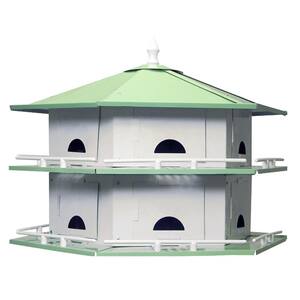
Credit: naavagreen.com
Placement Tips
Finding the perfect spot for your birdhouse can make a world of difference for its feathery residents. The right placement not only attracts more birds but also ensures their safety and comfort. Consider these tips to set up a birdhouse that truly feels like home for them.
Height And Mounting Options
Height plays a crucial role in the success of your birdhouse. Aim to mount it between 5 to 12 feet off the ground. This range is ideal for deterring predators while making it accessible for birds.
Consider using a sturdy pole or a tree trunk for mounting. Both options provide stability and are commonly found in many backyards. Always ensure the birdhouse is securely fixed to withstand weather changes.
Nearby Vegetation
Birds enjoy having nearby foliage for protection and food. Position your birdhouse near shrubs or small trees. This provides a natural cover and makes it easier for birds to gather nesting materials.
Avoid placing the birdhouse too deep within dense vegetation. Birds need a clear flight path to easily access their home. A balance of open space and nearby greenery works best.
Avoiding Disturbances
Minimize disturbances to create a peaceful environment for your avian guests. Keep the birdhouse away from busy areas like patios or playgrounds. Birds prefer quiet spots where they can nest undisturbed.
Consider potential noise sources like air conditioners or traffic. The less noise, the more likely birds will choose your birdhouse. After all, would you want to live next to a constant commotion?
By carefully considering these placement tips, you can foster a welcoming habitat for birds. Which of these elements will you prioritize in your birdhouse setup?
Maintenance And Monitoring
Proper maintenance and monitoring are key to keeping your bird house inviting and safe for its feathered visitors. Regular care not only extends the life of the house but also encourages birds to return year after year. Paying attention to small details can make a big difference in the success of your birdhouse project.
Cleaning Frequency
Clean the bird house at least once a year, ideally in late fall after the breeding season ends. This removes old nests, parasites, and debris that could harm new occupants. If you notice an active nest, avoid cleaning until the birds have left to prevent disturbing them.
Some bird species prefer fresh nesting material, so a clean house increases the chances of attracting them. Wear gloves and use a mild bleach solution to sanitize the inside, then rinse thoroughly and let it dry before the next season. A clean birdhouse shows you care—and birds notice.
Seasonal Adjustments
Adjust the bird house’s orientation and position according to the season. In colder months, face the entrance away from prevailing winds to protect birds from harsh weather. During hot summers, ensure the house receives some shade to prevent overheating.
Check for any damage caused by storms or predators and repair it promptly. Adding predator guards or relocating the house slightly higher can improve safety. How often do you inspect your birdhouse for seasonal wear and tear?
Signs Of Success
Watching for signs that birds are using your house can be exciting. Fresh nesting material, bird droppings around the entrance, and frequent visits by birds indicate success. You might even hear chirping from inside during breeding season.
Take photos or keep a journal to track the activity over time. Not seeing any visitors? Consider changing the house’s direction or height. Sometimes, small tweaks lead to big rewards in your birdwatching experience.

Credit: www.natureswaybirds.com

Credit: happygardens.com
Frequently Asked Questions
Which Direction Should A Bird House Face For Best Warmth?
A bird house should face east or southeast to catch morning sun. This keeps the nest warm and dry. It also helps birds avoid cold winds and harsh afternoon heat, creating a safer environment for eggs and chicks.
How Does Bird House Orientation Affect Bird Safety?
Facing the bird house away from prevailing winds reduces exposure to storms. It minimizes cold drafts and protects birds from predators. Proper orientation ensures a comfortable, secure nesting site, increasing chances of successful breeding.
Why Avoid Facing Bird Houses West Or North?
West-facing houses get hot afternoon sun, which can overheat nests. North-facing houses miss sunlight, staying cold and damp. Both directions can harm eggs and chicks by causing discomfort and increasing vulnerability to weather extremes.
Can Bird House Direction Influence Bird Species Attraction?
Yes, some bird species prefer certain orientations for nesting. East or southeast facing bird houses attract more birds by providing optimal warmth and protection. Proper direction helps accommodate natural behaviors and environmental needs of local birds.
Conclusion
Choosing the right direction for a birdhouse helps protect birds from harsh weather. Facing the house away from strong winds keeps birds safe and warm. A spot with morning sun and afternoon shade works best. This balance keeps the birdhouse comfortable all day long.
Simple care in placement can attract more birds to your yard. Small changes make a big difference for bird safety and comfort. Enjoy watching birds visit your thoughtful, well-placed birdhouse.




