
Have you ever wondered what makes a shuttlecock fly so smoothly across the badminton court? The secret lies in the feathers used to craft it.
But which bird’s feathers are chosen for this important job, and why? Understanding this can change the way you see the game and even improve your appreciation for every powerful smash or delicate drop shot. Keep reading to discover the fascinating story behind the feathers that make your shuttlecock perform at its best.
Types Of Feathers Used
Feathers play a crucial role in the performance of a shuttlecock. Different types of feathers offer unique qualities such as durability, flight stability, and speed. Understanding which feathers are used helps you appreciate the craftsmanship behind every shuttlecock.
Primary Flight Feathers
Primary flight feathers come from the outer wing of birds, mostly from geese and ducks. These feathers are long and sturdy, designed to provide strong lift and control during flight. They are the most commonly used feathers in high-quality shuttlecocks due to their balance between flexibility and strength.
Have you ever noticed how a shuttlecock glides smoothly? That’s the primary feathers at work. They ensure the shuttlecock maintains a consistent trajectory, making your shots more precise.
Secondary Flight Feathers
Secondary flight feathers are located closer to the bird’s body on the wing. These feathers are shorter and broader than primary feathers, offering more stability but less speed. Some shuttlecocks use secondary feathers to enhance control, especially for beginners or casual play.
If you prefer a shuttlecock that doesn’t fly too fast and gives you more reaction time, those made with secondary feathers could be your go-to choice. They add a different feel to the game, which some players find easier to handle.
Tail Feathers
Tail feathers are rarely used in shuttlecock production because they lack the necessary shape and strength. However, they sometimes appear in cheaper or novelty shuttlecocks. These feathers don’t provide the same aerodynamic benefits as flight feathers, affecting the shuttlecock’s flight path and durability.
Would you sacrifice performance for cost? Tail feather shuttlecocks may save money, but you might lose consistency and control during play. Understanding this helps you make better choices when buying shuttlecocks.
Why Goose Feathers Are Preferred
Goose feathers have long been the top choice for making shuttlecocks. Their unique qualities help players enjoy better control and longer-lasting shuttlecocks. These feathers offer a perfect balance of strength, weight, and availability. Understanding why goose feathers are preferred helps explain their dominance in badminton gear.
Durability And Flexibility
Goose feathers are strong and flexible. They can bend without breaking easily. This makes shuttlecocks last longer during intense play. The feathers keep their shape after many hits. This durability ensures consistent flight and better accuracy.
Lightweight Characteristics
Goose feathers are very light. Their lightness helps shuttlecocks fly smoothly and fast. Players can control the shuttlecock better during the game. The feathers add minimal weight but provide excellent stability. This lightweight nature improves the overall playing experience.
Availability And Cost
Goose feathers are widely available compared to other bird feathers. This makes them easier to source for manufacturers. The cost of goose feathers is reasonable, keeping shuttlecocks affordable. Their availability supports consistent production without compromising quality.
Other Birds’ Feathers In Shuttlecocks
Feathers from birds other than the famous goose also find their place in shuttlecock making. Different birds offer unique feather qualities that affect the shuttlecock’s flight, durability, and control. Understanding these alternatives can help you appreciate the variety in shuttlecock performance and guide your choice if you ever shop for one.
Duck Feathers
Duck feathers are softer and more flexible compared to goose feathers. This can make shuttlecocks feel gentler on impact, which some players prefer during casual or training sessions.
However, duck feathers tend to wear out faster and don’t provide the same consistent flight path. If you’re looking for an affordable option and don’t mind replacing shuttlecocks more often, duck feather shuttlecocks might work for you.
Turkey Feathers
Turkey feathers are thicker and stiffer, offering better durability than duck feathers. They provide a solid flight but can feel less smooth when hitting the shuttlecock.
These feathers are less common but sometimes used in budget shuttlecocks. If durability is your priority and you’re playing recreationally, turkey feather shuttlecocks could be a practical choice.
Synthetic Alternatives
Synthetic shuttlecocks are made from nylon or plastic and don’t use any feathers at all. They’re highly durable and weather-resistant, making them ideal for outdoor play or beginners.
While they lack the natural flight feel of feather shuttlecocks, synthetic ones offer consistent performance and cost savings over time. Have you tried both types to see which suits your playing style better?

Credit: sublimemagazine.com
Feather Quality And Selection Criteria
Feathers from the male goose are commonly chosen for shuttlecocks due to their strength and flexibility. These feathers ensure better flight stability and durability during play. Quality depends on the feather’s size, shape, and softness.
Feather quality is crucial in the making of shuttlecocks. The right feathers ensure the shuttlecock performs well, providing the right balance and flight. But what exactly makes a feather suitable for this purpose?Feather Length And Shape
The length and shape of the feathers play a pivotal role in shuttlecock performance. Ideally, feathers should be between 70mm to 78mm long. This range ensures optimal flight trajectory and speed. Shorter feathers may lack stability, while longer ones can affect the shuttlecock’s speed. The shape must be slightly curved to maintain balance during play.Strength And Elasticity
Strength and elasticity are essential for the durability of a shuttlecock. Feathers need to withstand repeated impacts and maintain their form. Duck and goose feathers are preferred for their robust nature. They offer the right blend of strength and flexibility, ensuring the shuttlecock remains intact even after intense rallies.Symmetry And Uniformity
Symmetry and uniformity ensure consistent performance. Each feather on the shuttlecock must be similar in size and shape. This uniformity helps maintain the shuttlecock’s balance and flight consistency. Have you ever noticed how a slight imbalance can affect your game? That’s the magic of symmetry at play. Selecting the right feathers is both an art and a science. Each detail matters, and understanding these criteria can make all the difference in your game.Impact Of Feather Type On Gameplay
The type of feather used in making a shuttlecock greatly affects gameplay. Each feather brings unique qualities that influence how the shuttle flies and reacts during a match. These differences can change the player’s experience and performance on the court.
Flight Stability
Feathers from different birds provide varying levels of flight stability. Goose feathers are firm and consistent, helping the shuttlecock maintain a steady flight path. Duck feathers, though softer, offer less stability, which may cause slight wobbling during play. Stable flight allows players to predict shuttle movement better and respond with precision.
Speed And Control
The feather type impacts how fast the shuttlecock moves through the air. Goose feathers create a faster shuttlecock with a cleaner trajectory. This speed enhances control, making it easier to place shots accurately. Duck feathers slow the shuttlecock slightly, which can help beginners manage their shots but might limit advanced play techniques.
Durability During Play
Durability is key for shuttlecocks, especially in intense games. Goose feathers are tougher and resist breakage longer, providing extended playtime. Duck feathers wear out faster and may deform after a few hits. Durable feathers keep the shuttlecock reliable, reducing interruptions and maintaining gameplay quality.
Feather Processing For Shuttlecock Production
Feathers from the male goose are commonly used to make shuttlecocks. These feathers are strong, flexible, and lightweight, ideal for good flight. Duck feathers sometimes serve as a cheaper alternative but are less durable.
Feather Processing for Shuttlecock Production The journey of a shuttlecock begins with the selection of the perfect feathers. Goose and duck feathers are traditionally chosen due to their ideal flexibility and durability. These feathers are transformed through a meticulous process to ensure optimal performance on the badminton court.Cleaning And Sorting
Feathers must be pristine before they can even dream of becoming part of a shuttlecock. Cleaning involves removing dirt, oils, and any other impurities. Once cleaned, feathers are sorted by size, shape, and quality to ensure consistency in production. Sorting requires keen attention to detail. Each feather is evaluated for its shaft strength and vane width. Only feathers meeting strict standards are selected for the next stage.Shaping And Trimming
Once sorted, the feathers undergo shaping and trimming. This step is crucial to ensure aerodynamic efficiency. Feathers are meticulously trimmed to uniform lengths, and their quills are shaped for perfect alignment. Shaping is often done manually, requiring a skilled hand. A sharp eye ensures that each feather contributes to the shuttlecock’s balanced flight. Have you ever wondered how such precision impacts the shuttlecock’s flight? It’s fascinating!Assembly Techniques
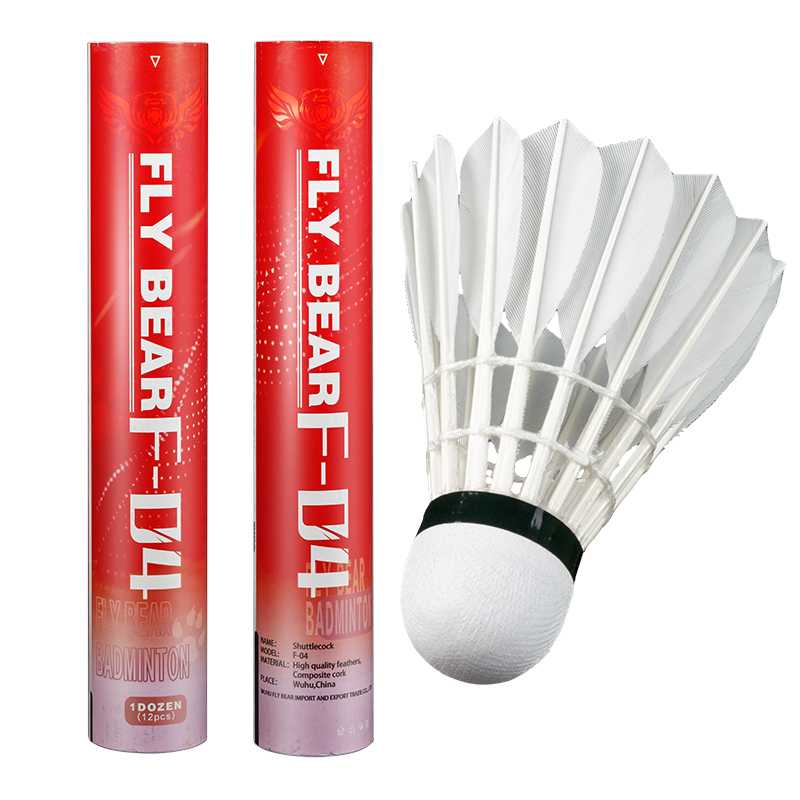
The final step is the assembly of the shuttlecock. Feathers are precisely attached to a cork base, usually in a circular pattern. This configuration ensures stability during flight. Crafting a shuttlecock involves combining feathers with adhesives and stitching. The process is intricate, but it results in a product that can withstand intense play. How different would your game be if this step were skipped? Feather processing for shuttlecocks is an art that blends tradition with precision. Whether you’re smashing a birdie across the net or just practicing your backhand, remember the craftsmanship behind each shuttlecock. The attention to detail at every stage makes all the difference in your game.Environmental And Ethical Considerations
Choosing the right feathers for shuttlecocks involves more than just performance. Your decision affects the environment and animal welfare. Understanding these impacts helps you make better, responsible choices when buying shuttlecocks.
Sourcing Practices
Feathers used in shuttlecocks are mostly from geese and ducks. Some manufacturers collect feathers after natural molting, while others source them from birds raised for meat. Knowing where and how these feathers come from can guide you toward ethical products.
Have you ever thought about how those feathers reach the factory? Some suppliers rely on local farms with strict guidelines to avoid harm. Others may source feathers from large-scale operations where oversight is minimal, raising ethical questions.
Sustainability Concerns
Feather production impacts natural habitats and wildlife populations. Overharvesting from wild birds can disrupt ecosystems and reduce biodiversity. Sustainable sourcing means using feathers without damaging bird populations or their environments.
Look for shuttlecocks labeled with certifications or information on sustainable sourcing. Some brands invest in recycling feathers or use synthetic alternatives to reduce environmental strain. Your choice can push manufacturers to adopt greener methods.
Animal Welfare
Feather collection methods differ greatly in their treatment of birds. Plucking feathers from live birds can cause pain and stress, while gathering naturally shed feathers is kinder. Supporting brands transparent about animal welfare encourages humane practices.
Ask yourself: Would you want your shuttlecock made from feathers taken without care for the bird? Choosing products that prioritize animal welfare aligns with your values and helps improve industry standards.

Credit: www.shutterstock.com
Credit: www.alibaba.com
Frequently Asked Questions
Which Bird’s Feathers Are Used For Shuttlecocks?
Goose feathers are primarily used to make high-quality shuttlecocks. They offer durability, flexibility, and optimal flight characteristics preferred in badminton.
Why Are Goose Feathers Preferred In Shuttlecock Making?
Goose feathers are strong yet lightweight. Their shape ensures steady flight and control, making them ideal for professional badminton shuttlecocks.
Can Other Bird Feathers Be Used For Shuttlecocks?
Yes, duck feathers can be used but are less durable. Goose feathers remain the top choice for premium shuttlecocks.
How Many Feathers Are Used In A Shuttlecock?
Typically, 16 feathers are carefully selected and arranged in a shuttlecock. This ensures consistency in flight and balance during play.
Conclusion
The feathers of the goose are the main choice for shuttlecocks. These feathers offer the right balance of strength and flexibility. They help the shuttlecock fly smoothly and last longer. Many players trust goose feathers for better control and accuracy.
Knowing this fact can help you understand why quality matters in badminton. Feathers make a big difference in the game’s feel and performance. Next time you play, think about what makes your shuttlecock special. Feather quality truly shapes the game experience.




