
Have you ever wondered how photographers capture those stunning images that show the world from high above, as if you were soaring like a bird? That’s exactly what bird’s eye view photography is all about.
It gives you a fresh perspective, revealing patterns and details you wouldn’t normally see. If you want to discover how this unique style can transform your photos and make your work stand out, keep reading. You’re about to unlock secrets that will change the way you see the world through your camera.
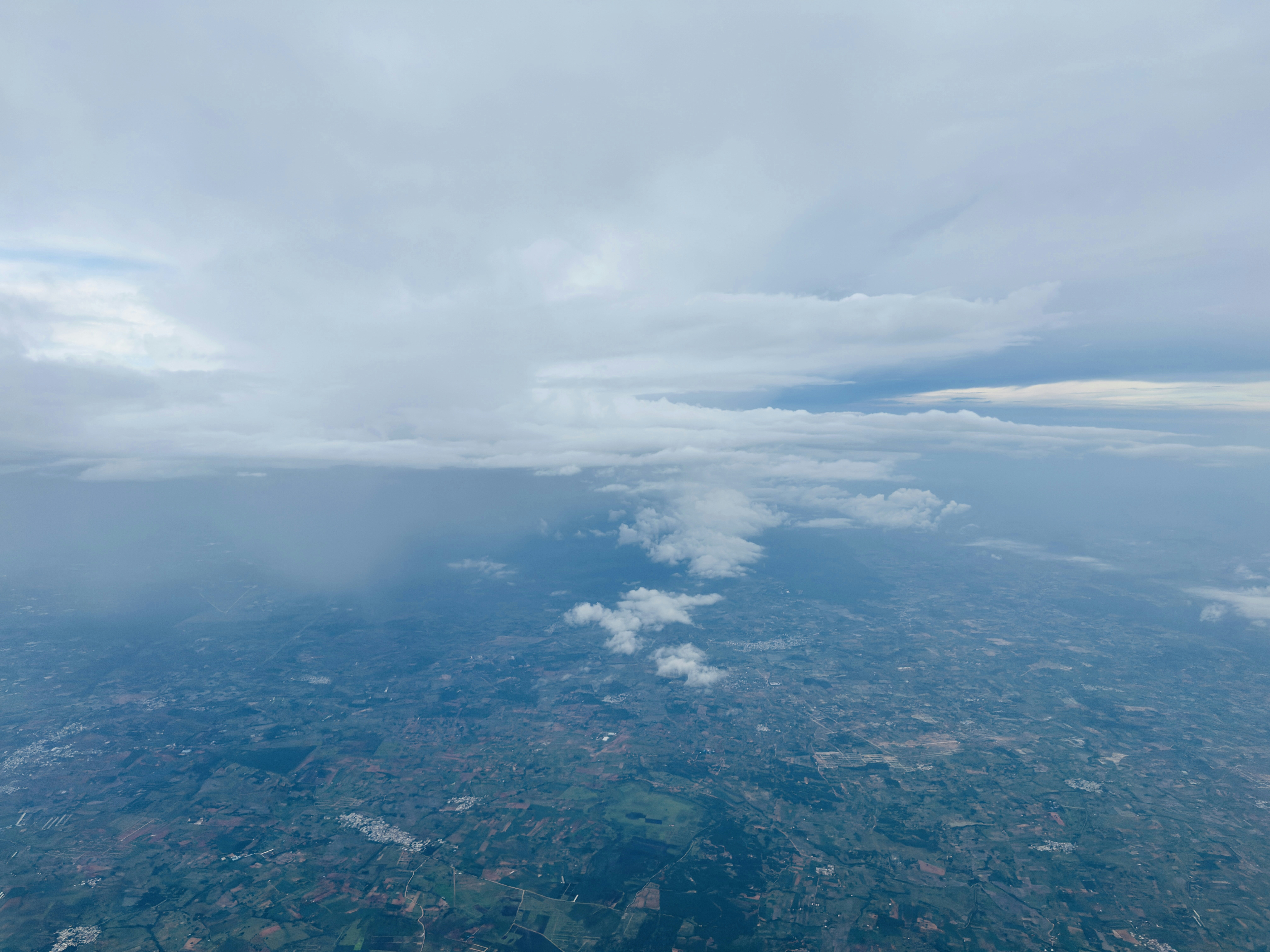
Credit: unsplash.com
Basics Of Bird’s Eye View Photography
Bird’s eye view photography captures images from directly above the subject. This angle shows a unique perspective often unseen by the naked eye.
This style helps highlight shapes, patterns, and layouts clearly. It is popular in landscapes, cityscapes, and event coverage.
What Makes Bird’s Eye View Unique
This photography style stands out because it offers a top-down view. It removes distractions from the sides and focuses on the arrangement below.
- Shows scale and size relationships well
- Reveals geometric patterns and symmetry
- Creates abstract or artistic images
- Helps in mapping and planning
- Gives a fresh look to common scenes
Common Equipment Used
Photographers use special tools to get the best bird’s eye shots. The equipment helps capture clear and stable images from high places.
| Equipment | Purpose | Notes |
| Drones | Fly and shoot from above | Popular for flexibility and height |
| Tripods with Tilt Heads | Hold camera steady pointing down | Used for rooftop or tower shots |
| Wide-angle Lenses | Capture more area in one shot | Useful for large scenes |
| Remote Shutter Releases | Prevent camera shake | Helps in sharp images |
| High-Resolution Cameras | Ensure clear, detailed photos | Important for large prints |
Techniques For Capturing Bird’s Eye Shots
Bird’s eye view photography shows scenes from high above. It gives a unique look at places and objects.
To get great bird’s eye shots, you need special techniques. These help capture clear and interesting photos.
Choosing The Right Angle
Picking the right angle is key in bird’s eye photography. The angle changes how the photo tells a story.
Try different heights and directions. Look for patterns, shapes, or symmetry to make shots stand out.
- Shoot straight down for a flat, graphic look
- Use a slight tilt to show depth and layers
- Focus on interesting details or wide areas
Using Drones Effectively
Drones make bird’s eye shots easier and more flexible. They fly high and capture sharp images.
Plan your flight path before shooting. Check weather and battery life to avoid problems.
- Keep the drone steady for clear photos
- Use a remote camera control if possible
- Fly at different heights for varied views
Utilizing Elevated Platforms
Elevated platforms like rooftops or towers help capture bird’s eye shots without a drone.
Find safe and stable spots to set your camera. Use tripods for steady shots at high places.
- Check platform safety before climbing
- Use wide-angle lenses to cover more area
- Take multiple shots to find the best one
Creative Applications
Bird’s eye view photography shows scenes from high above. It gives a new look at everyday places. This style can make photos more interesting and creative.
Photographers use bird’s eye views to capture details hard to see from the ground. This style works well in many photo types.
Landscape And Nature Photography
Bird’s eye view helps show large natural areas clearly. It captures forests, rivers, and mountains in one shot. This view shows patterns in nature that are not visible close-up.
It is great for showing how different parts of nature connect. You can see paths, water flows, and animal trails from above.
- Highlight natural shapes and lines
- Show scale of landscapes
- Capture changing seasons from a high angle
Urban And Architectural Shots
Bird’s eye view reveals city layouts and building designs. It shows streets, parks, and rooftops together. This angle helps to see how buildings fit in the city.
This view is useful for architects and planners. It gives a clear look at shapes and spaces in urban areas.
- Show building shapes and patterns
- Highlight street and park layouts
- Capture construction progress
Event And Crowd Photography
Bird’s eye view captures crowds and events from above. It shows the size and movement of groups clearly. This angle helps to see the whole event area at once.
It is useful for concerts, sports, and festivals. Photographers can capture energy and patterns in how people gather.
- Show crowd size and shape
- Capture stage and audience layout
- Highlight movement and flow of people

Credit: www.freepik.com
Tips For Stunning Bird’s Eye Photos
Bird’s eye view photography shows scenes from above. It gives a unique look at landscapes and cities. Taking great bird’s eye photos needs some care.
Good photos need the right light, strong shapes, and clear details. This guide shares tips to help you take sharp and interesting shots.
Lighting And Timing
Lighting makes or breaks bird’s eye photos. Early morning and late afternoon light add soft shadows. This helps show depth and shapes.
- Shoot during golden hours for warm light.
- Avoid harsh midday sun that creates strong glare.
- Cloudy days give even light without harsh shadows.
- Use shadows to add texture and interest.
Composition And Framing
Strong composition guides the viewer’s eye. Look for patterns, lines, and shapes that stand out. Framing your shot well makes it more striking.
| Tip | Why It Works |
| Use leading lines | Draws attention into the image |
| Include repeating patterns | Creates visual rhythm |
| Frame with natural borders | Adds focus and depth |
| Keep horizon level | Maintains balance and clarity |
Post-processing Enhancements
Editing helps improve your bird’s eye photos. Adjust brightness, contrast, and colors to make details clear. Crop to remove distractions and focus on key parts.
Try these post-processing tips:
- Increase sharpness to show fine details.
- Boost saturation slightly to enhance colors.
- Use vignette to draw attention to the center.
- Remove unwanted spots or objects carefully.
Challenges And How To Overcome Them
Bird’s eye view photography captures scenes from above. It offers a unique look at landscapes and cities. But it comes with many challenges.
Photographers must handle weather, legal rules, and safety. Knowing how to deal with these helps get great shots.
Dealing With Weather Conditions
Weather can change quickly and affect your photos. Wind, rain, and fog reduce image quality and drone control.
- Check weather forecasts before shooting.
- Fly drones only in calm, clear weather.
- Use waterproof gear to protect equipment.
- Plan shoots around the best daylight hours.
Managing Drone Restrictions
Many places have rules about flying drones. You must follow them to avoid fines or accidents.
| Restriction | How to Overcome |
| Flying near airports | Check no-fly zones and get permission. |
| Height limits | Set altitude limits on your drone. |
| Privacy laws | Avoid filming private property without consent. |
| Drone registration | Register your drone if required by law. |
Ensuring Safety And Stability
Safety is key for bird’s eye photography. Stable shots need steady drones and careful flying.
- Inspect drone parts before each flight.
- Fly in open areas with few obstacles.
- Keep the drone within your line of sight.
- Use drone features like GPS and auto-hover.
- Avoid flying in crowded places.

Credit: www.freepik.com
Future Trends In Bird’s Eye Photography
Bird’s eye view photography offers a unique look from above. It captures scenes from high places or drones.
New technology changes how photographers create and share these images. Let’s explore some future trends.
Advancements In Drone Technology
Drones are becoming smarter and easier to use. They can fly longer and take clearer pictures.
- Longer battery life for extended flights
- Improved cameras with higher resolution
- Automatic obstacle avoidance systems
- Better GPS for precise positioning
- Smaller and quieter designs
Integration With Vr And Ar
Virtual reality (VR) and augmented reality (AR) change how people see bird’s eye photos. They add depth and interaction.
| Technology | Benefit to Bird’s Eye Photography |
|---|---|
| Virtual Reality (VR) | View photos in 3D immersive spaces |
| Augmented Reality (AR) | Overlay photos with interactive data |
| Mixed Reality (MR) | Combine real and digital views |
Emerging Creative Styles
Photographers use new styles to make bird’s eye images more interesting. They play with colors, shapes, and patterns.
- Abstract patterns from urban landscapes
- Minimalist shots focusing on simple shapes
- Use of shadows and light for dramatic effects
- Combining bird’s eye views with other angles
- Editing photos to highlight unusual colors
Frequently Asked Questions
What Is Bird’s Eye View Photography?
Bird’s eye view photography captures images from directly above a subject. It offers a unique perspective of landscapes or objects. This style highlights spatial relationships and patterns not visible from ground level.
How Is Bird’s Eye View Photography Taken?
It is typically taken using drones, helicopters, or tall structures. Photographers position the camera perpendicular to the ground. This ensures a clear, top-down view for accurate composition.
What Are Common Uses Of Bird’s Eye View Photography?
Common uses include mapping, real estate, architecture, and artistic projects. It helps showcase layouts, designs, and environments effectively. This perspective aids in storytelling and visual impact.
Why Choose Bird’s Eye View Photography?
This view reveals details and patterns unseen from eye level. It provides a comprehensive understanding of the subject. It also adds creativity and uniqueness to visual content.
Conclusion
Bird’s eye view photography offers a fresh perspective. It captures scenes from above. This unique angle reveals hidden details. Landscapes look breathtaking. Urban areas transform into geometric art. Drones make this style accessible. Aerial photos tell new stories. They engage viewers with stunning visuals.
Both amateurs and pros can try it. Just find the right equipment. Explore locations creatively. Experiment with angles and lighting. Capture the world in a new way. Share your unique vision with others. Bird’s eye view photography inspires curiosity and wonder.
A simple shift in perspective changes everything.




