
Are you tired of raccoons turning your bird feeders into their personal buffet? You’re not alone.
These clever creatures can quickly empty your feeders, leaving little for the birds you want to attract. But don’t worry—there are simple, effective ways to keep raccoons away without harming them. You’ll discover easy tips and tricks that protect your bird feeders and ensure your feathered friends get the food they deserve.
Keep reading, and say goodbye to unwanted raccoon visits for good.
Why Raccoons Visit Bird Feeders
Raccoons often visit bird feeders because they offer an easy food source. These clever animals are curious and resourceful. They can quickly learn that bird feeders hold tasty snacks. Understanding why raccoons come to feeders helps in keeping them away effectively.
Raccoon Behavior And Diet
Raccoons are nocturnal animals, active mostly at night. They are omnivores and eat both plants and animals. Their diet includes fruits, nuts, insects, and small animals. Raccoons have strong paws to open containers and tear apart food sources. They use their sense of smell to find food easily. Bird feeders are attractive because they hold high-calorie seeds and nuts.
Attraction To Bird Feeders
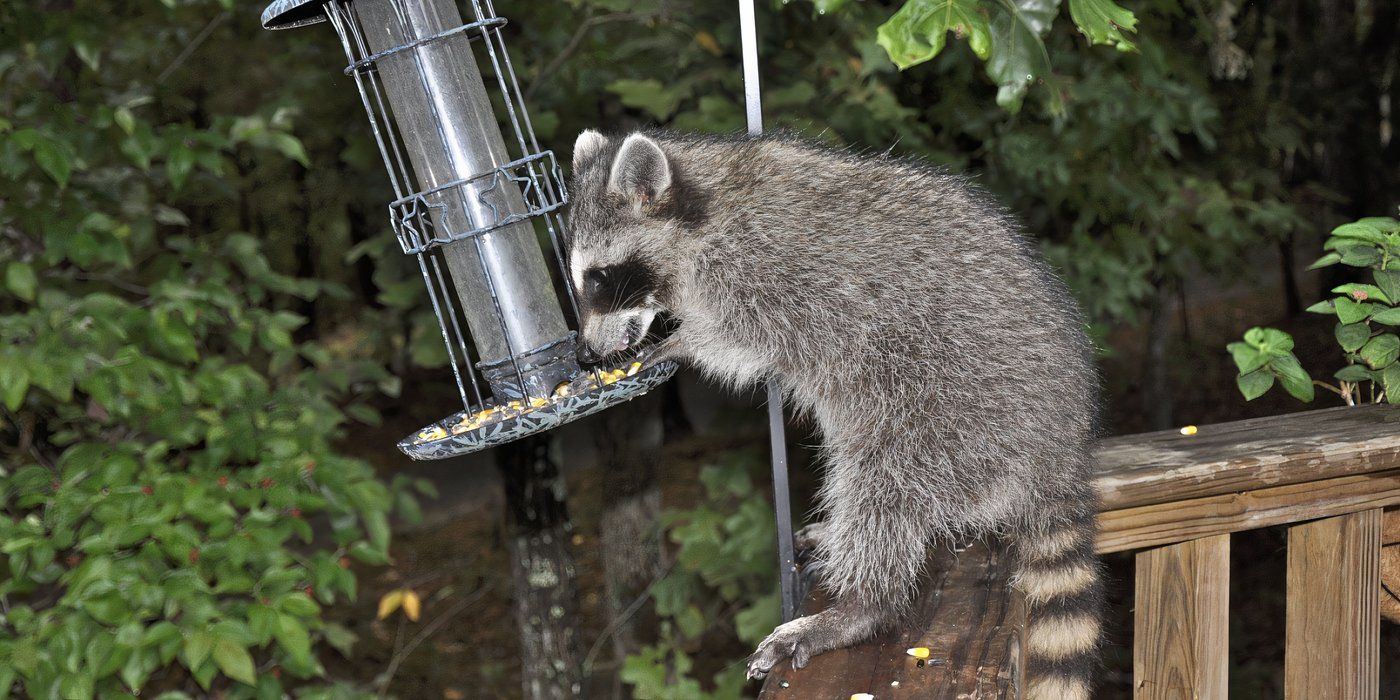
Bird feeders provide a constant, easy meal for raccoons. Seeds, nuts, and suet attract raccoons with their smell and taste. Feeders near trees or rooftops make access easier for raccoons. Spilled seeds on the ground also lure them. The availability of food with little effort makes bird feeders a favorite spot. Raccoons remember locations with food and return often.
Choosing Raccoon-proof Feeders
Choosing the right feeder is key to keeping raccoons away from your bird feeders. Not all feeders are built to withstand the cleverness and strength of raccoons. Selecting a raccoon-proof feeder means considering both the type and the materials used to make it.
Types Of Raccoon-resistant Feeders
Feeders designed specifically to deter raccoons often have unique features that prevent these animals from accessing the food.
- Weight-Activated Feeders:These feeders close the feeding ports when a heavy animal, like a raccoon, climbs on them. Birds, being lighter, can still feed easily.
- Caged Feeders:A metal cage surrounds the feeder, allowing small birds to enter but keeping larger animals out.
- Squirrel Baffle Feeders:While primarily for squirrels, some baffles also work well to keep raccoons at bay by blocking their path.
Have you noticed how raccoons can open simple lids or shake feeders? Choosing feeders with these special designs can save you a lot of frustration.
Materials And Design Features
Durability is crucial. Raccoons have strong paws and teeth, so feeders made from flimsy plastic or thin wood won’t last long.
- Metal Feeders:Stainless steel or heavy-duty aluminum feeders resist chewing and scratching.
- Heavy Glass Feeders:Thick glass is difficult for raccoons to break or damage.
- Secure Fastenings:Look for feeders with locking lids or screw-on tops that raccoons can’t easily open.
Design features like smooth surfaces and sloped roofs make it harder for raccoons to get a grip or climb on. Have you tried installing a feeder with these features and noticed a drop in raccoon visits?
Placement Strategies To Deter Raccoons
Placing bird feeders properly helps keep raccoons away. Smart placement makes feeders hard for raccoons to reach. Good positioning also keeps birds safe and happy. Focus on choosing spots that are tricky for raccoons to access.
Ideal Locations For Feeders
Choose spots away from trees and fences. Raccoons climb easily on nearby branches and walls. Open areas with clear space around feeders work best. Avoid placing feeders near rooftops or decks. These places give raccoons easy access. Find quiet spots where birds feel safe. These areas attract birds more than raccoons.
Height And Distance Considerations
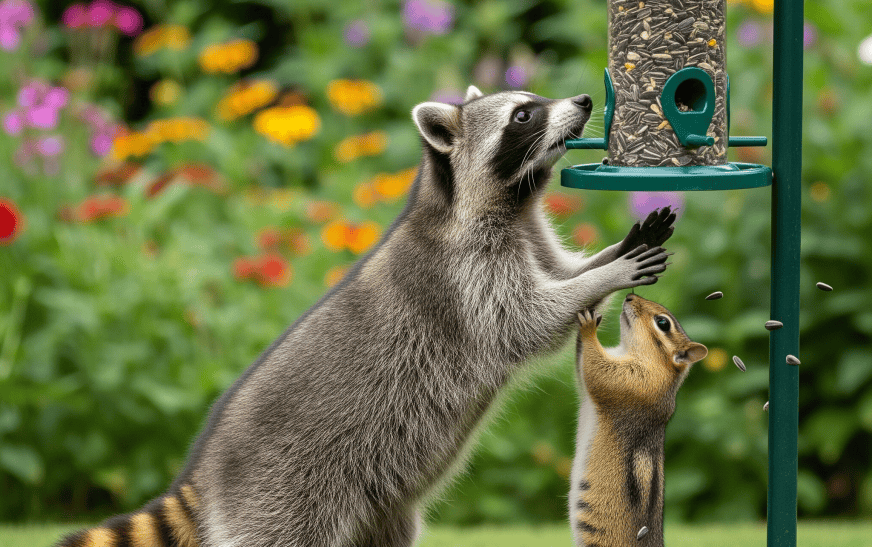
Mount feeders at least 5 feet off the ground. Raccoons can jump, but higher feeders are harder to reach. Keep feeders 10 feet away from jumping points. This distance stops raccoons from leaping onto feeders. Use poles with smooth surfaces to prevent climbing. Adding baffles below feeders also blocks raccoons. Proper height and distance reduce raccoon visits greatly.
Credit: squirrelsinfo.com
Physical Barriers And Deterrents
Keeping raccoons away from your bird feeders can feel like a never-ending battle. Physical barriers and deterrents provide a straightforward way to protect your feeders without harming the animals. These solutions work by making access difficult or uncomfortable for raccoons, giving your feathered friends a safer feeding spot.
Using Baffles And Guards
Baffles are dome-shaped or cylindrical guards that you place above or below your bird feeder. They prevent raccoons from climbing down or up to reach the food. You can easily attach a metal or plastic baffle to the pole or hanger of your feeder.
Choose a baffle that is wide enough and slippery so raccoons can’t get a grip. I once used a simple plastic baffle, and suddenly, raccoon visits dropped dramatically. It’s a low-cost fix that you can install in minutes and see immediate results.
Fencing And Enclosures
Building a small fence or enclosure around your bird feeding area adds an extra layer of protection. Use wire mesh or chicken wire to create a barrier that raccoons can’t squeeze through or climb over easily.
Make sure the fence is at least four feet high and buried a few inches into the ground to stop digging. You can also combine fencing with a roof or netting to keep raccoons from jumping in from above. Have you tried enclosing your feeder? You might find it’s a simple way to keep raccoons at bay while still enjoying birdwatching.
Natural And Chemical Repellents
Keeping raccoons away from your bird feeders can be tricky, but using natural and chemical repellents offers a practical solution. These repellents create an environment that raccoons find unpleasant, encouraging them to stay clear of your feeders. Choosing the right repellent means balancing effectiveness with safety for your feathered friends and pets.
Safe Repellents For Birds And Pets
Your bird feeder area should be a safe space for birds and pets alike. Some repellents can harm these animals, so selecting ones that are non-toxic is crucial. Natural options like peppermint oil, garlic spray, or cayenne pepper work well without posing risks to birds or your pets.
Many chemical repellents are designed with safety in mind. Look for products labeled as pet-safe and bird-friendly. Avoid anything with harsh chemicals like pesticides or rodenticides, which can cause serious harm if ingested or touched.
Have you tried sprinkling crushed red pepper or placing cotton balls soaked in peppermint oil near your feeders? These simple methods often surprise people with how well they keep raccoons at bay while leaving birds unaffected.
Effectiveness And Application Tips
Repellents work best when applied correctly and consistently. Natural sprays need to be reapplied after rain or heavy dew to maintain their strength. Chemical repellents often come with detailed instructions—following them closely ensures maximum effectiveness.
Place repellents around the feeder, focusing on raccoon entry points like nearby trees or poles. Combining repellents with physical barriers, such as baffles or cages, can increase your chances of success. Remember, raccoons are clever and persistent, so don’t get discouraged if one method doesn’t work immediately.
Experiment with different repellents and watch how raccoons respond. Which scent or spray seems to bother them the most? Your observations can help you fine-tune your approach and protect your bird feeders more efficiently.
Credit: www.backyardboss.net
Maintaining Clean Feeding Areas
Keeping feeding areas clean helps stop raccoons from coming near bird feeders. Remove spilled seeds and wash feeders regularly to reduce attraction. A tidy space makes it harder for raccoons to find food.
Maintaining clean feeding areas is crucial in keeping raccoons away from your bird feeders. It not only reduces the attraction but also contributes to the well-being of the birds. A tidy space means fewer reasons for raccoons to visit, making your garden a haven for feathered friends.Removing Spilled Seeds
Spilled seeds are like a neon sign for hungry raccoons. Regularly check the ground beneath your feeders and sweep away any fallen seeds. Consider placing a tray under the feeder to catch spills, making cleanup easier and more efficient.Regular Cleaning Routines
Establishing a regular cleaning routine for your feeders can significantly deter raccoons. Wash the feeders with soapy water at least once a week to remove any sticky residue. This simple act not only discourages raccoons but also prevents mold and disease among birds. Have you ever noticed how a clean feeder attracts more birds? It’s a win-win situation—more birds for you to enjoy and less hassle with unwanted visitors. Keeping a tidy feeding area is a small effort with a big payoff.Additional Tips To Discourage Raccoons
Raccoons can be relentless when it comes to raiding bird feeders. Fortunately, there are additional strategies you can implement to deter these clever critters. By focusing on managing nearby food sources and employing motion-activated devices, you can effectively safeguard your bird feeders from raccoon invasions.
Managing Nearby Food Sources
Raccoons are opportunistic feeders. They’re always on the lookout for easy meals. Make sure to secure trash bins with tight-fitting lids. Compost piles should also be covered as they can be a raccoon magnet.
If you have pet food outside, consider bringing it indoors during the night. Even small food remnants can attract raccoons. Regularly check your yard for any fallen fruits or nuts that might be enticing these nocturnal visitors.
Using Motion-activated Devices
Technology can be your ally in deterring raccoons. Motion-activated devices are a brilliant way to keep them away. These devices can trigger lights or sprinklers, startling raccoons and sending them running.
Investing in a motion-activated sprinkler can be particularly effective. The sudden burst of water is not only surprising but also harmless to the animals. Think about placing these devices strategically around your bird feeders for maximum coverage.
Have you considered trying a motion-activated camera too? It can help you monitor the effectiveness of your deterrents and give you a fascinating peek into the night-time antics of wildlife in your garden.

Credit: www.amazon.ca
Frequently Asked Questions
How Can I Prevent Raccoons From Eating Bird Seed?
Use raccoon-proof feeders or place feeders on tall, slippery poles. Clean up spilled seed daily to avoid attracting raccoons.
What Natural Repellents Keep Raccoons Away From Feeders?
Peppermint oil, ammonia-soaked rags, or predator urine can deter raccoons. Reapply these regularly for best results.
Are Motion-activated Devices Effective Against Raccoons?
Yes, motion-activated lights or sprinklers startle raccoons. These devices discourage visits to bird feeders effectively.
When Is Raccoon Activity Highest Near Bird Feeders?
Raccoons are most active at night. Remove feeders or secure them after dusk to reduce raccoon visits.
Conclusion
Keeping raccoons away from bird feeders takes patience and smart steps. Secure your feeders with strong mounts and use baffles to block raccoons. Clean up spilled seeds to avoid attracting them. Try different feeder designs that raccoons cannot reach. Remember, a little effort helps protect your birds and keeps raccoons at bay.
Enjoy watching birds without unwanted visitors. Stay consistent, and you will see results soon.




