
Have you ever found a wild bird feather and wondered how to clean it properly? Feathers are delicate and need special care to keep their natural beauty intact.
If you want to make sure your feather looks fresh and stays in great condition, you’re in the right place. This guide will show you simple, effective steps to clean your wild bird feather safely. Keep reading to discover easy tips that anyone can follow, even if you’ve never cleaned a feather before.
Your feather will thank you!

Credit: www.youtube.com
Gather Necessary Supplies
Before you dive into cleaning a wild bird feather, gathering the right supplies is key to protecting its delicate structure. Having everything ready saves time and prevents accidental damage during the process. What tools will make this task easier for you?
Feather Cleaning Materials
- Soft brushes:A small, gentle paintbrush or makeup brush works well for removing loose dirt.
- Mild soap:Use a gentle, fragrance-free soap like baby shampoo to avoid harsh chemicals.
- Distilled water:Tap water can contain minerals that may harm the feather’s texture.
- Clean towels or paper towels:For drying the feather carefully without causing damage.
- Small bowl or basin:To soak and rinse the feather during cleaning.
- Tweezers:Helpful for removing tiny debris without crushing the feather.
I once tried cleaning a feather without distilled water and ended up with a stiff, brittle plume. That experience taught me the importance of using pure water to keep feathers soft and flexible.
Safety Precautions
Handling wild bird feathers can expose you to bacteria, parasites, or allergens. Wearing disposable gloves is a simple way to protect your skin. Have you considered the risks before touching feathers found outdoors?
Work in a well-ventilated area to avoid inhaling dust or spores that may be present. After cleaning, sanitize your workspace and wash your hands thoroughly. These small steps reduce the chance of spreading germs.
Initial Feather Inspection
Before cleaning a wild bird feather, inspect it carefully. This step helps protect the feather and ensures the best cleaning results. A close look reveals its condition and type. This makes the cleaning process safer and more effective.
Check For Damage
Look closely at the feather’s barbs and shaft. Notice any breaks, cracks, or missing parts. Damaged feathers may fall apart during cleaning. Handle fragile feathers gently to avoid more harm. If the feather is too damaged, consider not cleaning it.
Identify Feather Type
Feathers come in different types with unique structures. Contour feathers cover the bird’s body and are usually smooth. Down feathers are soft and fluffy, found under the contour feathers. Flight feathers are long and stiff, used for flying. Knowing the type helps decide the best cleaning method.
Rinse With Lukewarm Water
Rinsing a wild bird feather with lukewarm water is a crucial step in cleaning it safely and effectively. Water that is too hot or too cold can damage the delicate structure of the feather. Lukewarm water helps loosen dirt and debris without causing harm.
Avoid Hot Or Cold Water
Hot water can cause the feather’s barbs to warp or become brittle, leading to permanent damage. Cold water, on the other hand, might not clean the feather thoroughly and can make dirt stick harder to its surface.
Have you ever noticed how a sudden splash of cold water can make some materials stiff? Feathers react similarly, losing their natural flexibility if exposed to extreme temperatures.
Gentle Handling Tips
Handle the feather with care during rinsing to prevent bending or breaking the shaft. Use your fingers to softly guide the water over the feather, allowing dirt to wash away naturally.
Try to avoid rubbing or scrubbing the feather, as this can separate the barbs and ruin its shape. Instead, let the lukewarm water do the work while you keep the feather steady and supported.
Use Mild Soap Or Detergent
Cleaning a wild bird feather requires gentle care to keep it intact. Using mild soap or detergent helps remove dirt without harming the feather’s delicate structure. Harsh chemicals can damage the feather, so choosing a soft cleanser is essential.
Choosing The Right Soap
Select a soap that is free from strong fragrances and dyes. Baby shampoo or gentle dish soap works well. These soaps break down oils and dirt without stripping natural oils from the feather. Avoid bleach, harsh detergents, or anything with alcohol.
Look for soaps labeled as hypoallergenic or designed for sensitive skin. These options minimize the risk of damage. A mild soap ensures the feather stays soft and flexible after cleaning.
Proper Soap Application
Mix a small amount of soap with warm water. Use just enough soap to create light suds. Dip the feather gently into the soapy water.
Use your fingers or a soft brush to clean the feather. Move gently along the feather’s barbs without pulling. Rinse the feather carefully in clean water to remove all soap residue.
Pat the feather dry with a soft towel. Avoid rubbing, which can damage the feather. Let it air dry completely in a safe place away from direct sunlight.
Remove Stubborn Dirt
Removing stubborn dirt from a wild bird feather requires patience and care. Dirt can settle deep into the barbs and shafts, making it tricky to clean without damaging the delicate structure. Tackling tough grime with the right approach ensures your feather stays intact and beautiful.
Gentle Brushing Techniques
Start by using a soft-bristled brush, like a clean makeup brush or a small paintbrush. Lightly brush the feather in the direction of the barbs to avoid bending or breaking them.
Try gentle strokes rather than hard scrubbing. This helps lift surface dirt without harming the feather’s natural alignment. If you notice any stubborn spots, focus on those with slow, careful brushing instead of force.
Soaking For Tough Stains
If brushing alone doesn’t remove all the dirt, soaking can help. Prepare a shallow bowl with lukewarm water and a few drops of mild soap, like baby shampoo or gentle dish detergent.
Submerge the feather briefly—about 5 to 10 minutes—allowing the soap to loosen the grime. Avoid soaking too long, as feathers can become waterlogged and lose shape.
After soaking, rinse the feather carefully with clean water. Hold it gently under a slow stream or dip it in a fresh bowl to remove any soap residue. Then, lay the feather flat on a towel to air dry, reshaping it if needed while damp.
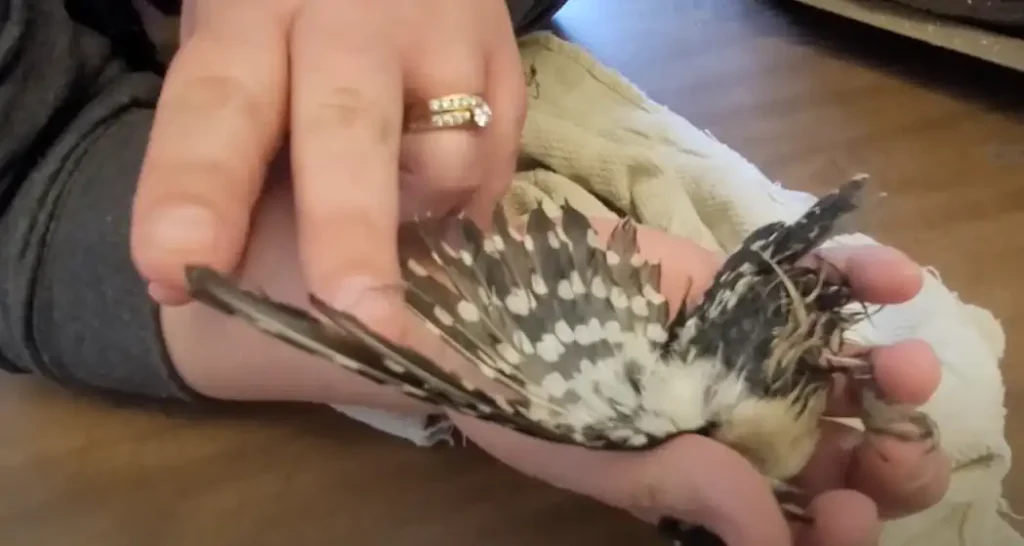
Credit: www.earthofbirds.com
Rinse Thoroughly
Rinse the feather gently under cool running water to remove soap and dirt. Keep rinsing until no bubbles or residue remain. This ensures the feather stays clean and undamaged.
Cleaning a wild bird feather can be a delicate task, requiring a gentle touch and careful attention to detail. Rinsing thoroughly is a crucial part of this process, ensuring that your feather remains in pristine condition without any lingering impurities. This step will not only help preserve the feather’s natural beauty but also ensure it remains safe for handling.Ensuring No Soap Residue
After washing the feather with a mild soap, it’s essential to rinse thoroughly to remove all traces of soap. Even a small amount of residue can cause the feather to become sticky or attract dirt. Ensure the water flows smoothly over the feather, washing away any leftover soap. To check for soap residue, gently run your fingers along the feather. If it feels slick or slippery, continue rinsing until the texture feels natural. Soap can cause the feather to lose its sheen, so be meticulous in this step.Final Water Temperature
Water temperature plays a significant role in the rinsing process. Use lukewarm water for the final rinse as it helps in removing soap without damaging the feather. Hot water might damage the delicate structure, while cold water might not effectively remove all residues. Have you ever noticed how your own hair feels smoother after a final rinse with the right temperature? The same principle applies to feathers. Keep the water at a comfortable, mild warmth to ensure the feather stays soft and maintains its vibrant colors. Taking these steps will help you maintain the natural allure of wild bird feathers, preserving their delicate beauty for years to come.Drying The Feather
Pat feathers dry by gently patting with a soft towel to avoid damage. Let them air dry fully in a warm, shaded place. Avoid direct sunlight to keep colors vibrant and prevent brittleness.
Drying a wild bird feather is a delicate process. Proper drying ensures the feather remains intact and looks natural. Avoid using excessive heat, which can damage the feather’s structure. Here are some effective ways to dry a feather safely.Air Drying Methods
Lay the feather on a clean, dry towel. Make sure it is in a well-ventilated area. This helps the feather dry naturally. Turn the feather occasionally to promote even drying. Patience is key here. Air drying preserves the feather’s beauty and integrity.Avoiding Heat Damage
Avoid using hairdryers or heaters. High heat can warp and damage the feather. Natural drying methods are safer. Keep the feather away from direct sunlight. Sunlight can fade colors and weaken the feather. Use gentle handling during the drying process. This helps maintain the feather’s structure.
Credit: www.washingtonflyfishing.com
Restoring Feather Shape
Restoring a wild bird feather’s shape is key to preserving its natural beauty. Feathers can become bent, flattened, or misshaped after handling or cleaning. Returning them to their original form helps maintain their delicate structure and vibrant appearance. Gentle care during this process prevents damage and keeps the feather looking fresh and lifelike.
Fluffing Techniques
Start by softly running your fingers along the feather’s barbs. Use a light touch to separate the tiny strands without pulling. This action lifts the barbs and restores volume. Avoid pressing down hard or combing aggressively, which can cause breakage. For stubborn areas, try tapping the feather gently on a soft surface. This helps loosen compressed parts and brings back fluffiness.
Using Steam Or Moisture
Introduce gentle moisture to reshape the feather. Hold the feather above warm steam briefly, keeping a safe distance to avoid wetting it too much. The steam relaxes the barbs and allows easier reshaping. Alternatively, mist the feather lightly with water from a spray bottle. After moistening, reshape the feather with your fingers. Let it air dry flat or hang it to keep its form. Avoid soaking the feather, which can damage it.
Storage Tips For Clean Feathers
Storing clean wild bird feathers properly is just as important as the cleaning process itself. Feathers are delicate and can easily gather dust, moisture, or fall victim to pests if not stored with care. Proper storage ensures your feathers stay beautiful and intact for years to come.
Protecting From Dust
Dust can quickly dull the natural shine and texture of feathers. To keep them pristine, store your feathers in airtight containers like plastic boxes or glass jars with tight lids.
If you prefer something breathable, use a cotton or muslin bag and keep it inside a closed cabinet. This prevents dust while allowing gentle air circulation.
Do you have a favorite display spot? Consider covering your feather arrangement with a clear glass dome to keep dust off while showcasing their beauty.
Avoiding Moisture And Pests
Moisture is a feather’s worst enemy. It can cause mold and make feathers lose their structure. Store feathers in a dry place with low humidity.
You can add silica gel packets inside the storage container to absorb any unwanted moisture. Make sure to replace these packets regularly.
To protect against pests like moths or beetles, use natural repellents such as cedar blocks or lavender sachets. Avoid harsh chemicals that might damage the feathers.
Have you checked your storage area for signs of pests before storing your feathers? A quick inspection can save you from future damage.
Frequently Asked Questions
How Do I Safely Clean A Wild Bird Feather?
Use lukewarm water and mild soap to gently clean the feather. Avoid harsh chemicals and excessive scrubbing to prevent damage. Rinse thoroughly and air dry on a soft cloth.
Can I Use Alcohol To Clean Bird Feathers?
No, alcohol can damage the delicate structure of bird feathers. It may strip natural oils and cause brittleness. Stick to mild soap and water for safe cleaning.
How Often Should Wild Bird Feathers Be Cleaned?
Clean feathers only when visibly dirty or contaminated. Frequent cleaning can harm the feather’s natural oils and texture. Handle with care to preserve their beauty.
What Is The Best Drying Method For Bird Feathers?
Air dry feathers naturally on a flat surface or hang gently. Avoid direct sunlight and heat sources like hair dryers. This prevents warping and color fading.
Conclusion
Cleaning wild bird feathers keeps them beautiful and safe. Use gentle soap and cool water for best results. Handle feathers with care to avoid damage. Let them dry naturally in a clean space. Regular cleaning helps preserve feathers for collections or crafts.
Remember, patience and kindness make the process easier. Caring for feathers supports nature and your hobbies alike. Try these simple steps to keep feathers looking fresh. A clean feather tells a story of nature’s beauty.




