
Do you want to attract more colorful birds to your garden while giving them a tasty treat? Making bird seed balls is an easy and fun way to do just that.
Imagine watching your feathered friends gather around, enjoying a snack you made yourself. In this guide, you’ll discover simple steps to create these little balls of bird delight. Keep reading, and you’ll learn how to turn everyday ingredients into a bird magnet that brightens your outdoor space and supports wildlife at the same time.
Materials Needed
Gathering the right materials is the first step to making bird seed balls that birds will love. The ingredients you choose affect not only how well the seed balls hold together but also which birds you’ll attract. Having everything ready before you start makes the process smooth and enjoyable.
Basic Ingredients For Bird Seed Balls
- Bird Seed Mix:Choose a variety of seeds like sunflower, millet, and cracked corn to attract different bird species.
- Rolled Oats or Flour:Acts as a binder to hold the seeds together.
- Natural Peanut Butter or Lard:Adds fat that birds need, especially in colder months, and helps bind the ingredients.
- Water:Helps mix the ingredients into a moldable dough.
Optional Materials To Enhance Your Seed Balls
- Dried Fruits:Small pieces of raisins or cranberries add extra nutrition and sweetness.
- Crushed Nuts:Provides additional texture and protein for birds.
- Non-toxic Food Coloring:If you want to make colorful seed balls for easy spotting.
Tools You’ll Need
- Mixing Bowl:A large bowl to combine all ingredients comfortably.
- Spoon or Spatula:For stirring and mixing the dough.
- Gloves:Optional but helpful if you want to keep your hands clean.
- Wax Paper or Tray:To place the seed balls on while they dry.
Have you ever thought about how the choice of binder impacts the texture and longevity of your seed balls? I once used only flour and found the seed balls crumbled too quickly in the rain. Adding peanut butter made a noticeable difference, keeping the balls intact and appealing to birds for longer periods.
Choosing The Right Seeds
Choosing the right seeds is key to making bird seed balls that birds will enjoy. Different seeds attract different birds. Picking seeds that suit local birds helps your seed balls get eaten quickly.
Seeds vary in size, nutritional value, and appeal. Some seeds are oily and high in energy. Others are better for small birds or those that eat on the ground.
Types Of Seeds To Use
- Sunflower seeds: Popular and high in fat, great for many birds
- Millet: Small seeds loved by sparrows and finches
- Safflower seeds: Preferred by cardinals and chickadees
- Cracked corn: Good for ground feeders like doves
- Nyjer seeds: Small, oily seeds for finches and siskins
Consider Seed Size And Bird Types
Large seeds suit bigger birds like jays and woodpeckers. Small seeds attract tiny birds like finches and sparrows. Match seed size to bird size for better results.
Seed Freshness Matters
Fresh seeds are more nutritious and appealing. Old or moldy seeds can harm birds. Store seeds in a cool, dry place before use.
Avoid Seeds With Fillers
Some seed mixes contain fillers like wheat or oats. Birds often ignore these. Use pure bird seed mixes to make your seed balls more effective.
Mixing Ingredients
Mixing ingredients is an important part of making bird seed balls. The right mix helps the balls hold together well. It also makes sure birds enjoy the seeds easily. A good mix balances seeds, binder, and moisture. This balance helps the balls last outside and attract birds.
Select seeds that local birds like to eat. Sunflower seeds, millet, and cracked corn work well. Avoid seeds with shells that are hard to crack. Use a mix of small and large seeds for variety.
Adding A Binder
A binder holds the seeds together in a ball shape. Common binders include peanut butter, suet, or natural flour paste. The binder should be sticky but not too wet. It helps the ball stay firm but easy for birds to break.
Mixing Ingredients Evenly
Start by placing seeds in a large bowl. Add the binder little by little. Mix gently with your hands or a spoon. Make sure all seeds get coated with binder. The mixture should feel damp but not soggy.
Adjusting Moisture Level
Add water slowly if the mix feels dry. Too much water makes the balls soft and weak. If the mix is too wet, add more seeds or flour. The right moisture helps shape the balls easily.
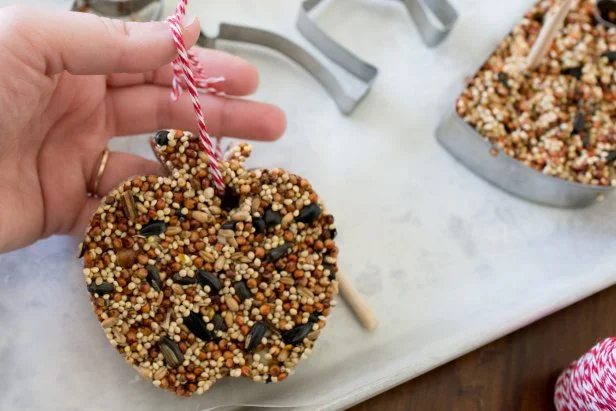
Credit: www.foodnetwork.com
Forming The Seed Balls
Forming the seed balls is the key step in creating a perfect treat for birds. This part turns the mixed ingredients into small, compact balls that birds can easily eat. Proper shaping helps the seed balls hold together and last longer outside.
Start by taking a small amount of the seed mixture into your hands. Press it firmly but gently to shape it. The goal is a tight ball that does not crumble easily. Too loose and the seeds will fall apart quickly.
Keep the seed balls about the size of a walnut or a golf ball. This size is easy for birds to pick up and nibble on. Avoid making them too big or too small for best results.
Using Your Hands To Shape The Seed Balls
Hands work best for shaping seed balls. They give control over size and firmness. Roll the mixture between your palms in a circular motion. Firm pressure helps bind the seeds together.
Wet hands slightly if the mixture feels too dry. This moisture helps the ingredients stick but do not add too much water. The mixture should hold its shape without being sticky.
Checking The Firmness Of Seed Balls
After shaping, gently squeeze each seed ball. It should feel firm but not hard. A soft ball will fall apart easily outside. A very hard ball might be difficult for birds to eat.
Adjust firmness by adding more clay or flour if needed. These act as natural binders to hold seeds together better. Test again after adjusting the mixture.
Drying Seed Balls Before Use
Place seed balls on a tray or newspaper to dry. Let them air dry for at least 24 hours. This step hardens the balls and helps them last longer outdoors.
Keep them in a cool, dry place during drying. Avoid direct sunlight or heat, which can crack the seed balls. Once dry, they are ready to hang or scatter in your garden.
Drying And Storing
Drying and storing bird seed balls properly keeps them fresh and ready for birds. This step helps the seed balls hold their shape and prevents mold. Careful drying ensures the seeds stay healthy and tasty for birds.
Choosing A Drying Spot
Select a cool, dry place with good air circulation. Avoid direct sunlight, which can spoil seeds. A shaded porch or a well-ventilated room works best. Lay the seed balls on a flat surface, like a tray or newspaper.
Drying Time And Tips
Allow seed balls to dry for 24 to 48 hours. Turn them gently once or twice to dry evenly. Check for firmness; they should feel hard but not crumbly. If still soft, give them more time to dry.
Best Storage Containers
Store seed balls in airtight containers to keep moisture out. Glass jars, plastic bins, or sealed bags work well. Make sure the containers are clean and dry before use.
Storage Location
Keep containers in a cool, dark place. Avoid humid areas like basements or near windows. Proper storage stops mold and keeps seeds fresh longer.

Credit: gluesticksblog.com
Best Places To Hang Seed Balls
Hang seed balls in trees or bushes where birds often visit for easy access. Placing them near bird feeders or garden edges also attracts more birds. Choose spots sheltered from rain to keep seed balls dry longer.
Creating bird seed balls is a fun and rewarding way to attract feathered friends to your garden. But where should you hang them to maximize their appeal and effectiveness? The best spots not only make the seed balls accessible to birds but also ensure they remain safe from potential predators. Let’s explore some ideal locations to hang your bird seed balls and watch your backyard become a bustling avian haven.1. Near Shrubs And Bushes
Position seed balls close to shrubs and bushes. These provide birds with a quick escape route in case of predators. They also offer a natural setting, making birds feel more at ease as they feast.2. Around Trees
Trees are excellent for hanging bird seed balls. Use branches that are sturdy and at least six feet off the ground. This not only keeps the seed balls out of reach of ground predators but also gives birds a perfect perch.3. By Your Window
Hang seed balls near your window for a close-up view of visiting birds. Make sure they are not too close to avoid collision risks. This setup offers a delightful bird-watching experience right from the comfort of your home.4. In Open Spaces
Consider placing seed balls in open spaces within your garden. This allows birds to spot the food from a distance. Ensure these areas are still close enough to cover for safety.5. On Balcony Railings
If you live in an apartment, don’t worry. Securely attach seed balls to balcony railings. This offers city-dwelling birds an unexpected treat and brings nature closer to urban settings.6. Near Water Sources
Birds are often found near water sources. If you have a birdbath or a small pond, hang seed balls nearby. This combination of food and water will surely attract a variety of bird species. Consider these spots for hanging your seed balls and enjoy the vibrant bird activity that follows. Have you found any other unique places to attract birds in your space? Your creativity might just inspire fellow bird lovers.Benefits For Birds And Gardens
Bird seed balls attract birds, offering them easy food during winter or dry seasons. They also help gardens by spreading seeds and supporting plant growth naturally. Creating them supports local wildlife and promotes a healthy garden ecosystem.
Bird seed balls offer wonderful benefits for both birds and gardens. These nutritious snacks attract various bird species to your garden. They provide essential nourishment during colder months. Birds benefit from the energy boost these seed balls provide. Gardens, too, gain from these seed balls. Birds help control pests by eating insects. Their presence enhances the garden’s ecosystem. They also contribute to pollination, fostering plant growth.Benefits For Birds
Bird seed balls are rich in nutrients. They help birds maintain energy levels. Birds get fats, proteins, and vitamins from these treats. This is crucial during winter. Food sources become scarce then. Different seeds attract diverse bird species. This increases the variety of birds visiting your garden. Observing these visitors can be a delightful experience.Benefits For Gardens
Birds play a vital role in pest control. They eat insects that harm plants. This reduces the need for chemical pesticides. It promotes a healthier garden environment. Birds also help with pollination. This improves flower and fruit production. A bird-friendly garden becomes a lively and thriving space. It supports biodiversity, enhancing the ecosystem.Environmental Impact
Making bird seed balls is eco-friendly. You use natural ingredients. No need for synthetic additives. This reduces chemical runoff in your garden. Using bird seed balls supports wildlife conservation. It encourages sustainable gardening practices. This helps maintain a balanced ecosystem. Bird seed balls offer simple yet effective benefits. They enrich both bird and garden life.Tips For Success
Making bird seed balls can be a fun and rewarding project, but a few simple tips can make your efforts even more successful. Paying attention to the details ensures your seed balls hold together well and attract birds effectively. Here are some key pointers to help you create seed balls that last and bring more feathered friends to your garden.
Use The Right Mix Of Ingredients
The balance between seeds, clay, and binder is crucial. Too much clay makes the balls hard and unappealing to birds, while too little causes them to fall apart quickly. I found that mixing two parts birdseed to one part clay and one part water works well for a sturdy yet inviting seed ball.
Adding a small amount of natural binder like flour or peanut butter can help the mixture stick better without harming the birds. Have you tried experimenting with different binders to see what holds best in your climate?
Shape And Size Matter
Keep your seed balls small enough for birds to handle easily. About the size of a golf ball is ideal. Larger balls may not dry properly inside, leading to mold or crumbling.
When shaping, press the mixture firmly but avoid overpacking, which can make the balls too dense. I learned this the hard way when my first batch took forever to dry because they were too thick.
Dry Seed Balls Properly
Drying is a critical step that many overlook. Place your seed balls on a newspaper or tray in a cool, dry spot with good airflow.
Avoid direct sunlight, which can crack the clay, and don’t rush the process by using heat sources that may cook the seeds. Drying usually takes 24 to 48 hours but can vary depending on humidity. Have you noticed how drying conditions affect your seed balls’ durability?
Choose Seeds Birds Love
Using seeds that local birds prefer will increase the chances they’ll find and enjoy your seed balls. Sunflower seeds, millet, and cracked corn are popular choices for many species.
Check what birds visit your area and tailor your seed mix accordingly. This approach made a big difference in attracting more birds to my backyard feeders.
Store Seed Balls Correctly
Once dry, store your seed balls in a cool, dry place until you’re ready to use them. Moisture during storage can spoil the balls and reduce seed viability.
Using an airtight container or a paper bag keeps them fresh without trapping humidity. How do you store your seed balls to keep them in top shape?
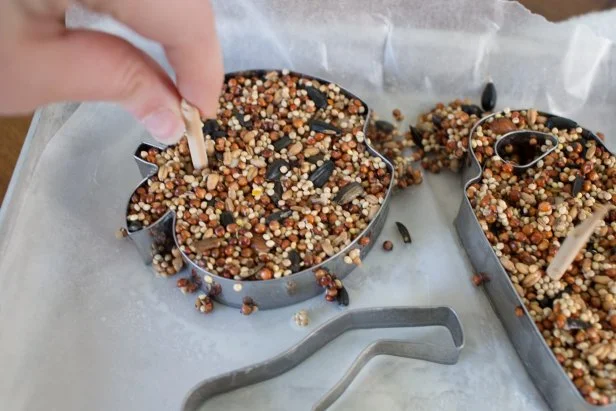
Credit: www.foodnetwork.com
Frequently Asked Questions
What Ingredients Are Needed To Make Bird Seed Balls?
To make bird seed balls, you need bird seed, clay, and water. Optional ingredients include peanut butter or cornmeal. These binders help hold the seeds together, making it easier for birds to eat.
How Do You Mix Ingredients For Bird Seed Balls?
Combine bird seed and clay in a bowl. Slowly add water and stir until you get a dough-like consistency. The mixture should be moist but firm enough to shape into balls.
How Long Do Bird Seed Balls Last Outdoors?
Bird seed balls typically last one to two weeks outside. Their lifespan depends on weather conditions and bird activity. Store extra balls in a cool, dry place to keep them fresh longer.
Can Kids Safely Make Bird Seed Balls?
Yes, making bird seed balls is safe and fun for kids. It encourages outdoor learning and helps develop motor skills. Supervision is recommended to avoid choking hazards with small seeds.
Conclusion
Making bird seed balls is simple and fun. They help feed birds in your garden. Use seeds, peanut butter, and oats to form balls. Let them dry before placing outside. Watch birds enjoy the treats you made. This activity supports wildlife and brings nature closer.
Try making seed balls to brighten your outdoor space. Small efforts can make a big difference for birds. Enjoy the process and the birds that visit.




