
Have you ever wondered how birds find their way inside your house? It can be surprising—and even a little unsettling—when you spot a feathered visitor fluttering around your living room.
You might think it’s just a one-time thing, but understanding how birds get in can help you prevent it from happening again. Keep reading, and you’ll discover the common ways birds sneak inside and simple steps you can take to keep your home bird-free.
This knowledge will give you peace of mind and protect your space from unexpected winged guests.

Credit: www.amazon.com
Common Entry Points
Birds can find their way into your home through several common entry points. These openings are often overlooked but can provide easy access to curious or nesting birds. Understanding where these entry points are can help you prevent unwanted feathered visitors.
Open Windows And Doors
Open windows and doors are the most obvious ways birds can fly inside. Even if you think you’re quick to close them, a bird might slip in when you least expect it. Installing screens or keeping an eye on open entrances can save you from a surprise guest.
Chimneys And Vents
Chimneys and vents often serve as hidden gateways for birds seeking shelter or nesting spots. If you don’t have a proper chimney cap or vent covers, birds can easily enter and get stuck inside. Have you checked your chimney for signs of bird activity recently?
Gaps In Roof And Eaves
Small gaps or holes in your roof or eaves are perfect entry points for smaller birds. These spaces might seem insignificant but are enough for birds to squeeze through. Regular roof inspections and sealing any gaps can keep your home bird-free.
Unsealed Attic Openings
Attics are attractive to birds looking for quiet, safe places to build nests. Unsealed or damaged attic openings allow birds to enter unnoticed and create a mess. Make sure all attic vents and openings are properly sealed to block off this tempting hideaway.
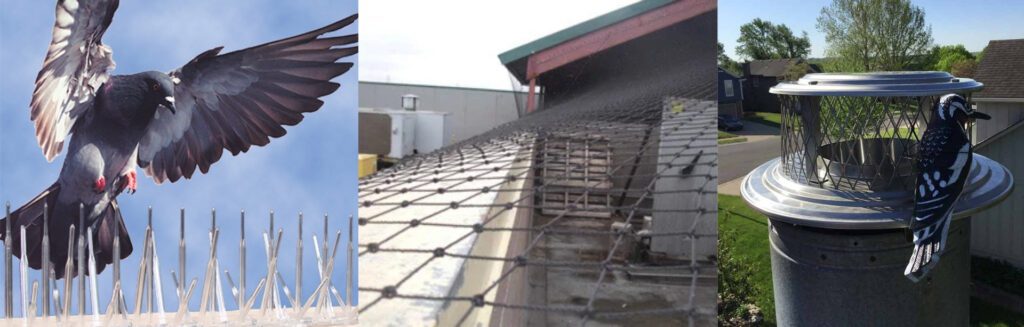
Credit: www.modernexteriorroofing.com
Attracted By Shelter
Birds often enter homes because they seek safe places to stay. Shelter is a top reason birds find their way inside. They look for spots that offer comfort and protection from the outside world.
Nesting In Quiet Spaces
Birds need calm spots to build nests. They prefer hidden corners, attic spaces, or unused rooms. These quiet areas help them raise their young without disturbance. Small gaps or vents often become perfect nesting sites.
Seeking Warmth In Winter
During cold months, birds search for warmth. Houses provide cozy places that keep cold winds out. They may enter through open windows or chimneys. Warmth inside helps them survive harsh weather.
Protection From Predators
Birds hide from predators by finding safe shelters. Homes offer barriers against cats, hawks, or other threats. Inside walls or ceiling spaces become secure hiding spots. This protection draws birds indoors for safety.
Structural Vulnerabilities
Structural vulnerabilities in your home can be surprising entry points for birds. These small openings or damaged areas often go unnoticed until a bird finds its way inside. Understanding these weak spots helps you protect your space effectively.
Damaged Screens And Mesh
Birds can easily slip through torn or loose window and door screens. Even small holes are enough for curious birds to enter.
Check your screens regularly for any rips or gaps. Fixing or replacing damaged mesh keeps unwanted guests out and fresh air in.
Loose Siding And Panels
Loose siding or panels on your house create hidden gaps. Birds look for cozy, sheltered spots, and these gaps are perfect for nesting.
Run your hands along the exterior walls to feel for any movement or spaces. Securing loose panels can stop birds from sneaking in.
Broken Skylights
A cracked or broken skylight is an open invitation for birds. They may see it as an easy way to explore your attic or upper rooms.
Inspect skylights after storms or heavy winds. Repairing even small cracks prevents birds from making your home their new perch.
Unexpected Access Points
Birds can enter homes through small gaps in windows, vents, or chimneys. These hidden spots offer easy access without being noticed. Checking and sealing such openings helps keep birds out.
Unexpected Access Points Birds are clever and curious creatures, often finding their way into places you might least expect. While it may seem like a mystery, understanding the unexpected access points in your home can help you prevent these feathered visitors. Let’s dive into some common entryways birds might exploit.Garage And Shed Openings
Your garage and shed can be prime spots for birds to enter, especially if doors are left open or not properly sealed. A small gap is all it takes for a bird to slip inside, seeking refuge or exploring for food. Consider installing weatherstripping or an automatic door closer to reduce these opportunities. If your garage or shed has windows, ensure they are intact and have screens. Birds may peck at loose screens or fly into open windows, mistaking them for a safe passage. Regular inspections can help in maintaining these barriers.Pet Doors
Pet doors are convenient for your furry friends, but they can also be an open invitation for birds. Birds may follow the scent of pet food or simply be curious about the movement they observe through the flap. Installing a pet door with a sensor that responds only to your pet’s collar can help mitigate this issue. Also, consider setting up a motion-activated deterrent nearby to discourage any avian visitors.Vents For Appliances
Appliance vents, like those for dryers and bathroom fans, offer small openings that birds find inviting. These vents often have warm air, making them an attractive nesting spot. To prevent birds from entering, use a vent cover or bird-proof mesh. Regularly check these vents to ensure they are clear of debris and securely attached, as loose parts can be an entry point. Addressing these unexpected access points can save you from the surprise of a bird flapping around your living room. Have you identified other unusual places where birds have made their way into your home? Share your experiences and tips in the comments below!Preventing Bird Intrusions
Birds can sneak into homes through small openings and gaps. Preventing their entry protects your living space and keeps birds safe. Simple actions can block their access points and stop unwanted visits.
Sealing Gaps And Cracks
Birds enter through holes as small as a quarter. Check walls, roofs, and windows for gaps or cracks. Use caulk, weatherstripping, or foam sealant to close these spaces. Pay attention to vents and chimneys as well. Sealing stops birds from finding cozy spots inside your home.
Installing Bird Screens
Bird screens act as barriers on windows and vents. Choose sturdy mesh with small holes to keep birds out. Attach screens tightly to prevent birds from slipping through. Screens allow airflow but block bird entry. They work well on attic vents, chimneys, and porch areas.
Regular Home Maintenance
Regular checks help catch new openings early. Inspect your home’s exterior monthly for damage or wear. Clean gutters and remove debris that attract birds. Fix loose shingles and broken vents immediately. Ongoing care reduces the chance of bird intrusions over time.
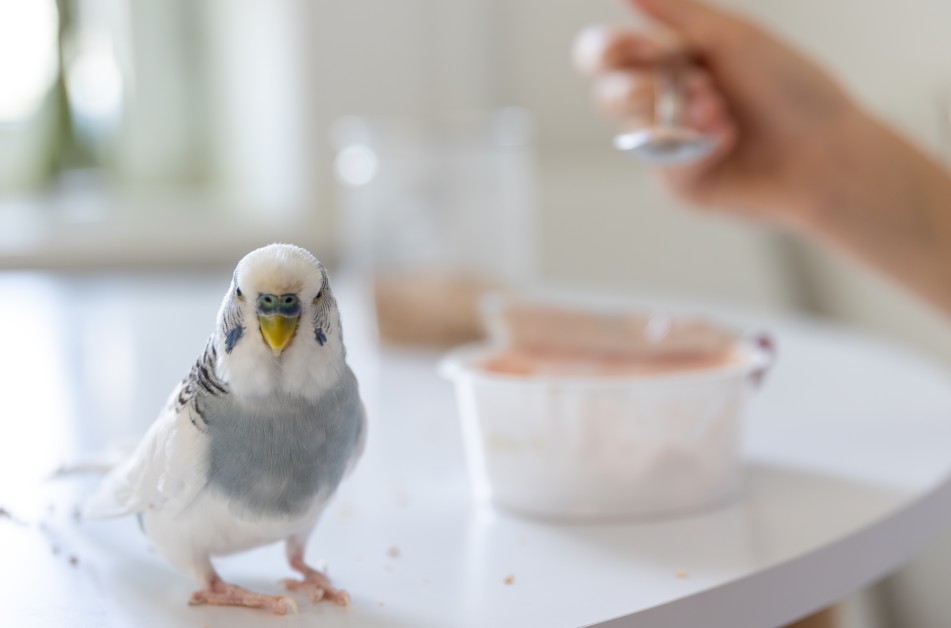
Credit: www.petassure.com
Frequently Asked Questions
How Do Birds Enter Houses Unnoticed?
Birds enter houses through open windows, doors, or chimneys. They may also slip in via small gaps in walls or vents. Birds seek shelter or food, which attracts them indoors, especially during harsh weather or nesting season.
Why Do Birds Fly Inside Homes Unexpectedly?
Birds fly inside homes because they are confused or see reflections of outdoors. Bright lights, open doors, or food smells lure them. They often get trapped accidentally while exploring or escaping predators.
What Common House Areas Do Birds Use To Enter?
Birds commonly use open windows, attic vents, chimneys, and gaps in roofs to enter. Unsealed vents or broken screens are frequent entry points. These spots provide easy access and shelter opportunities.
How Can I Prevent Birds From Getting Inside My House?
Keep windows and doors closed or install screens. Seal gaps around vents, roofs, and chimneys. Use bird deterrents like spikes or reflective tape to discourage perching near entry points.
Conclusion
Birds enter homes through open doors, windows, and small gaps. They look for food, shelter, or safe places to rest. Homes with easy access invite birds inside. Sealing cracks and keeping doors closed helps keep birds out. Watching for signs of birds can prevent surprises.
Taking these steps protects your home and keeps birds safe outside. Stay aware, act quickly, and enjoy a bird-free house. Simple actions make a big difference.




