
Have you ever looked at your concrete bird bath and wondered if a fresh coat of paint could bring it back to life? You’re not alone.
Painting your concrete bird bath is a simple way to add color and personality to your garden. But before you grab a brush, there are a few important things you need to know. You’ll discover whether painting your concrete bird bath is a good idea, how to do it right, and what mistakes to avoid.
Keep reading to make sure your bird bath looks stunning and lasts for years to come!

Credit: www.dukemanorfarm.com
Choosing The Right Paint
Choosing the right paint for your concrete bird bath is essential to ensure durability and safety. Not all paints are made equal, especially when exposed to outdoor conditions and the presence of wildlife. Selecting the proper type of paint will keep your bird bath looking fresh while protecting the birds that visit.
Types Of Paint For Concrete
Concrete surfaces require paint that can bond well and resist cracking or peeling. Acrylic latex paint is a popular choice because it adheres strongly and offers flexibility as the concrete expands and contracts. Epoxy paint is another option, providing a hard, durable finish that can handle wear and tear.
Consider how thick or thin the paint is; thinner paints might not cover well, while thick paints could crack. Have you tested a small patch on your bird bath to see how the paint reacts before committing to the whole surface?
Paints That Withstand Outdoor Elements
Your bird bath faces sun, rain, frost, and possibly snow. Paints designed for outdoor use usually have UV protection to prevent fading and additives that repel moisture. Look for labels mentioning “exterior use” or “weather-resistant” to be sure it can handle the elements without peeling or blistering.
Using a clear sealant after painting adds an extra layer of protection. It’s worth asking yourself: how often are you willing to repaint? Choosing a more weatherproof paint might save you time and effort later.
Non-toxic Options For Bird Safety
Birds are sensitive to chemicals, so your paint must be safe for wildlife. Avoid paints with heavy metals like lead or cadmium, which can harm birds. Water-based, non-toxic paints are safer and easier to clean up.
Natural clay-based paints or those labeled “bird-safe” provide peace of mind. Have you checked the product’s safety data sheet or customer reviews to confirm it’s safe for birds? Your feathered visitors will thank you for choosing wisely.
Preparing The Bird Bath Surface
Preparing the bird bath surface is key to a lasting paint job. Proper preparation helps the paint stick well and look smooth. It also protects the bird bath from damage. Take your time with cleaning, fixing, and sanding before you paint.
Cleaning And Removing Debris
Start by washing the bird bath with mild soap and water. Use a brush to scrub away dirt, algae, and moss. Rinse thoroughly and let it dry completely. Any dust or debris left can stop the paint from sticking properly.
Repairing Cracks And Imperfections
Check the bird bath for cracks or chips. Fill small cracks with a concrete patch or outdoor filler. Smooth the surface with a putty knife. Let the repair dry fully before painting. Fixing these spots prevents moisture from seeping in later.
Sanding For Better Adhesion
Lightly sand the entire surface using medium-grit sandpaper. This roughens smooth areas and removes loose paint or dirt. Wipe away sanding dust with a damp cloth. Sanding creates a better grip for the paint, making it last longer.
Painting Techniques And Tips
Painting your concrete bird bath can completely change its look, making it a charming focal point in your garden. But to get a finish that lasts and looks professional, you need the right techniques and a bit of patience. Let’s break down the key steps to help you paint with confidence and creativity.
Priming The Concrete Surface
Start by cleaning your bird bath thoroughly. Dirt, dust, and moisture can prevent paint from sticking properly, so scrub with a stiff brush and mild detergent, then let it dry completely.
Use a concrete primer designed for outdoor use. This seals the porous surface and creates a smooth base. Without priming, your paint might peel or fade quickly.
Apply the primer evenly with a brush or roller, and allow it to dry as per the product instructions. Have you checked if your primer is suitable for wet conditions? This is crucial since bird baths hold water.
Applying Base Coats Evenly
Choose high-quality outdoor acrylic paint for durability. Avoid thick layers; instead, apply thin, even coats. This prevents drips and ensures better adhesion.
Let each base coat dry fully before adding the next. Two or three coats often give the best coverage and a vibrant finish. Think about the color you want—lighter colors might need more coats for full coverage.
Using a foam roller can help you get a smooth finish on flat surfaces, while a brush works well for detailed areas. Have you tried testing your paint on a small area first to see how it looks when dry?
Using Stencils And Patterns
Stencils are a great way to add personality without freehand painting skills. Choose simple designs or create your own to match your garden’s style.
Secure the stencil with painter’s tape to avoid smudging. Dab the paint gently with a sponge or stencil brush instead of brushing to keep the edges sharp.
Consider layering different colors or patterns to create depth. You can even combine geometric shapes with nature-inspired motifs for a unique look. What pattern would speak to your style and make your bird bath stand out?
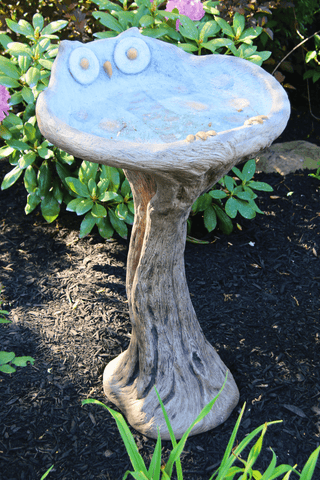
Credit: fountainful.com
Sealing And Protecting The Paint
Sealing and protecting the paint on your concrete bird bath is essential. It preserves the color and prevents damage from weather and water. A good sealant keeps the paint looking fresh and bright for a long time. Without sealing, the paint can peel, fade, or wear away quickly.
Choosing The Right Sealant
Pick a sealant made for outdoor concrete surfaces. Look for one that is waterproof and UV resistant. Clear acrylic sealants work well to protect color without changing the look. Avoid sealants that yellow over time. Check product labels for “exterior use” and “waterproof.”
Application Tips For Long-lasting Finish
- Make sure the paint is completely dry before sealing.
- Clean the bird bath surface to remove dirt and dust.
- Use a brush or sprayer to apply the sealant evenly.
- Apply thin coats to avoid drips and bubbles.
- Allow each coat to dry fully before adding another.
- Apply at least two coats for better protection.
Maintenance And Touch-ups
Check the bird bath regularly for paint chips or fading. Clean it gently with mild soap and water. Avoid harsh scrubbing or chemicals that damage the sealant. Reapply the sealant every year to maintain protection. Touch up any damaged paint spots before sealing again. This keeps your bird bath beautiful and durable.
Creative Design Ideas
Painting a concrete bird bath opens up many creative possibilities. It transforms a simple garden feature into a personal art piece. Bright colors and unique designs can attract birds and add charm to your outdoor space. Choose themes that match your garden style or reflect your personality. Here are some design ideas to inspire your project.
Nature-inspired Themes
Nature themes fit perfectly with a bird bath’s purpose. Use soft greens, browns, and blues to mimic natural elements. Paint leaves, flowers, or vines around the basin. Small birds, butterflies, or dragonflies add life and movement. These designs blend well with garden plants and create a peaceful scene.
Bold Colors And Abstract Art
Bold colors make your bird bath a striking centerpiece. Bright reds, yellows, and blues catch the eye from far away. Try abstract shapes, swirls, or geometric patterns for a modern look. Contrast helps highlight the texture of concrete. This style suits gardens with colorful flowers or contemporary decor.
Seasonal And Holiday Designs
Seasonal painting lets you change your bird bath’s look throughout the year. Soft pastels and blossoms work well for spring. Warm oranges and browns bring autumn vibes. Use red, green, and white for festive winter themes. Special holiday motifs like pumpkins or snowflakes add charm and fun to your garden.
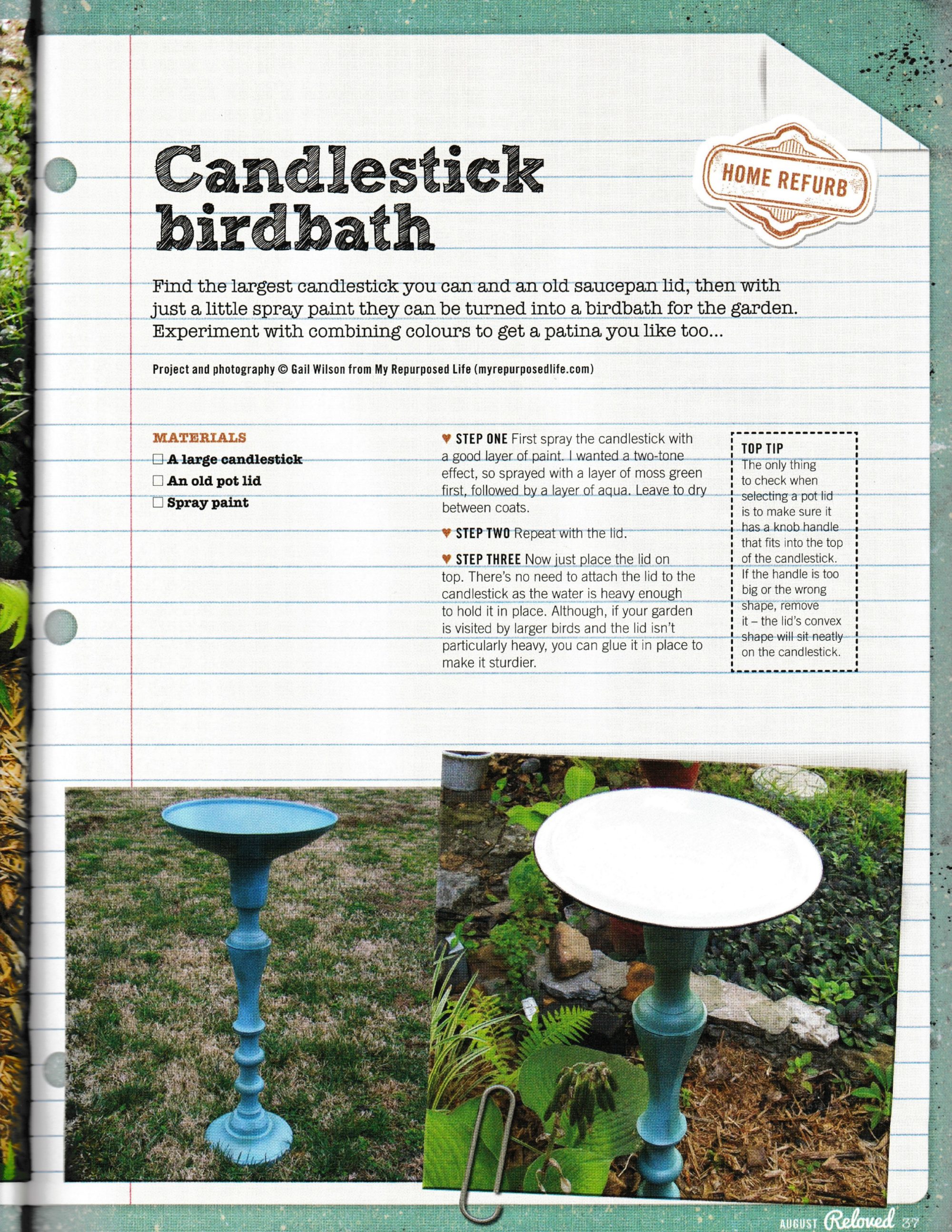
Credit: www.myrepurposedlife.com
Safety Considerations For Birds
Painting a concrete bird bath can enhance its appearance, but safety is key. Use bird-safe, non-toxic paint to prevent harm. Ensure the paint is fully dry before allowing birds to use the bath.
Ensuring the safety of your feathered friends is a top priority when you decide to paint your concrete bird bath. Birds, with their delicate constitutions, can be sensitive to chemicals and substances that are safe for humans. By paying attention to a few key details, you can create a beautiful bird bath that is both safe and appealing.Avoiding Harmful Chemicals
When selecting paint, opt for non-toxic, water-based options. These paints are generally safer for birds, who might come into contact with the surface or even drink the water. Always check the label for any warnings about harmful chemicals. Would you let your pet drink from a freshly painted bowl? Consider this when choosing your paint. Avoid anything with strong fumes or harsh substances.Ensuring Paint Is Fully Cured
After painting, patience is crucial. Allow ample time for the paint to fully cure before refilling the bird bath with water. Rushing this process can mean exposing birds to uncured chemicals. Always follow the paint manufacturer’s instructions for curing times, and err on the side of caution by waiting a little longer.Regular Cleaning Post-painting
Once your bird bath is painted and in use, keeping it clean becomes essential. Regularly scrub the surface to prevent algae and dirt buildup, which can degrade the paint and potentially harm birds. Use a mild, bird-safe detergent and rinse thoroughly. By maintaining a clean surface, you ensure the bird bath remains a safe and inviting oasis for your avian visitors.Frequently Asked Questions
Can I Paint A Concrete Bird Bath Safely?
Yes, you can paint a concrete bird bath. Use non-toxic, water-based paints suitable for outdoor use. Ensure the bird bath is clean and dry before painting to help the paint adhere properly.
What Type Of Paint Works Best On Concrete Bird Baths?
Acrylic or masonry paint works best on concrete bird baths. These paints are durable, weather-resistant, and safe for birds. Avoid oil-based paints, as they may contain harmful chemicals.
How Do I Prepare My Concrete Bird Bath For Painting?
Clean the bird bath thoroughly with soap and water. Remove any dirt, algae, or loose paint. Let it dry completely before applying a primer or paint for better adhesion.
Is Sealing Necessary After Painting A Concrete Bird Bath?
Yes, sealing helps protect the paint and concrete. Use a clear, non-toxic sealer designed for outdoor use. It prolongs paint life and prevents water damage or peeling.
Conclusion
Painting your concrete bird bath can add charm and protect it. Choose the right paint and prepare the surface well. Use non-toxic paint to keep birds safe and happy. Regular touch-ups will keep your bird bath looking fresh. A painted bird bath brightens your garden and invites more birds.
Enjoy the beauty and calm it brings to your outdoor space. Simple steps make a big difference in care and style. Give your bird bath a new look today!




