
Are you worried about bird flu affecting your chickens? You’re not alone.
Bird flu can quickly spread and cause serious problems for your flock. But can chickens be treated for bird flu, or is it a lost cause? Understanding the options available could save your birds and protect your farm. Keep reading to discover what you need to know to act fast and keep your chickens safe.
Bird Flu And Chickens
Bird flu is a disease that affects many types of birds. Chickens are often at risk of catching this virus. Knowing about bird flu helps protect your flock.
This article explains what bird flu is, how chickens get infected, and the symptoms to watch for.
What Is Bird Flu
Bird flu, also called avian influenza, is a viral infection. It spreads quickly among birds and can cause serious illness. Some types of bird flu can also infect humans.
How Chickens Get Infected
Chickens get bird flu mainly through contact with infected birds. The virus spreads in these ways:
- Breathing air with virus particles
- Touching contaminated surfaces or water
- Eating infected feed or food
- Close contact with wild birds or other infected poultry
Symptoms In Chickens
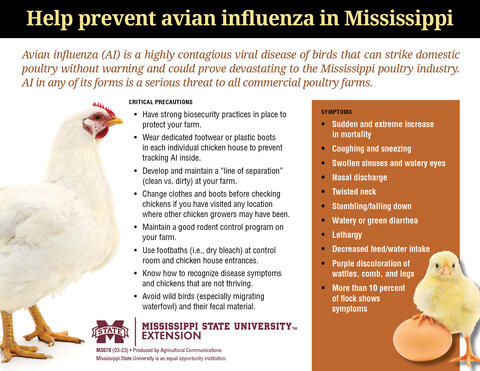
Bird flu causes many signs in chickens. Farmers should look for these common symptoms:
| Symptom | Description |
| Sudden Death | Chickens may die without warning |
| Swollen Head | Swelling around the eyes and neck |
| Difficulty Breathing | Gasping or coughing |
| Drop in Egg Production | Fewer or no eggs laid |
| Diarrhea | Loose or watery droppings |
Credit: extension.msstate.edu
Treatment Options
Bird flu in chickens is a serious disease that needs quick action. Treating infected birds helps control the spread.
This section covers current treatments, antiviral drugs, and supportive care for chickens with bird flu.
Current Medical Treatments
Medical treatment mainly focuses on preventing the virus from spreading. Infected chickens are often isolated or culled to protect others.
Vaccination programs exist in some regions to reduce infection risks, but they must be carefully managed.
Role Of Antiviral Drugs
Antiviral drugs can help reduce virus levels in chickens. They work by stopping the virus from multiplying in the body.
- Oseltamivir is one antiviral sometimes used.
- Drugs must be given early for best effect.
- Resistance to drugs can develop if used improperly.
- Antivirals are not widely used in poultry farming.
Supportive Care Measures
Supportive care helps chickens stay strong while fighting the virus. It includes feeding, hydration, and keeping chickens warm.
| Supportive Care | Purpose |
| Clean water | Prevents dehydration |
| Nutritious feed | Supports immune system |
| Warm environment | Reduces stress |
| Sanitation | Prevents other infections |
Prevention Strategies
Bird flu can harm chickens and cause serious losses. Preventing the disease is very important. Farmers can use several ways to keep their flocks safe and healthy.
Good prevention helps stop bird flu from spreading and protects both birds and people. Here are some key strategies to follow.
Biosecurity Practices
Biosecurity means keeping disease away from your chickens. It helps control how germs move on farms. Strict biosecurity lowers the risk of bird flu.
- Limit visitors and vehicles near chicken areas.
- Use protective clothing and boots for farm workers.
- Keep new birds separate for at least two weeks before mixing.
- Control wild birds and rodents around the farm.
- Disinfect equipment and housing regularly.
Vaccination Methods
Vaccines help chickens build immunity against bird flu. They do not cure the disease but reduce its spread and severity. Vaccination is part of a strong prevention plan.
| Vaccine Type | Use | Frequency |
| Inactivated Vaccine | Protects against common strains | Every 6 months |
| Live Attenuated Vaccine | Provides quick immunity | Once per season |
| Recombinant Vaccine | Targets specific virus parts | As recommended by vets |
Farm Hygiene Tips
Cleanliness on the farm stops bird flu germs from growing. Good hygiene protects birds and workers from infection.
Important hygiene steps include:
- Cleaning feeders and waterers daily.
- Removing manure and old litter regularly.
- Washing hands and tools after handling birds.
- Keeping water sources clean and fresh.
- Ensuring proper ventilation in chicken houses.

Credit: www.randyschickenblog.com
Challenges In Treatment
Treating bird flu in chickens is very difficult. The virus changes fast and can resist medicines. Farmers and vets face many problems keeping chickens safe.
This article looks at three big challenges: virus mutation and resistance, limits of drugs, and effects on the poultry industry.
Virus Mutation And Resistance
The bird flu virus changes its structure often. These changes help it survive even with treatment. This makes it hard to find medicines that work well for long.
- The virus changes its genes quickly.
- New virus strains resist current drugs.
- Vaccines may become less effective.
- Continuous monitoring is needed to track changes.
Limitations Of Available Drugs
Few drugs can fight bird flu in chickens. Most drugs only reduce symptoms but do not cure the virus. The wrong use of drugs can cause more resistance.
| Drug Type | Effectiveness | Limitations |
| Antiviral medication | Moderate | High cost, limited availability |
| Vaccines | Variable | Needs frequent updates, partial protection |
| Supportive care | Symptom relief | Does not stop virus spread |
Impact On Poultry Industry
Bird flu outbreaks hurt poultry farms a lot. Sick chickens lower egg and meat production. Farms face big money loss and strict controls to stop disease spread.
- Loss of chickens to illness and culling
- Drop in farm income and jobs
- Increased costs for biosecurity measures
- Trade restrictions on poultry products
Handling Outbreaks
Bird flu is a serious issue for poultry farms. Handling outbreaks quickly is crucial to prevent spread.
Understanding how to manage affected areas helps keep chickens safe and healthy.
Quarantine Procedures
Quarantine is the first step in managing bird flu. It stops the disease from spreading further.
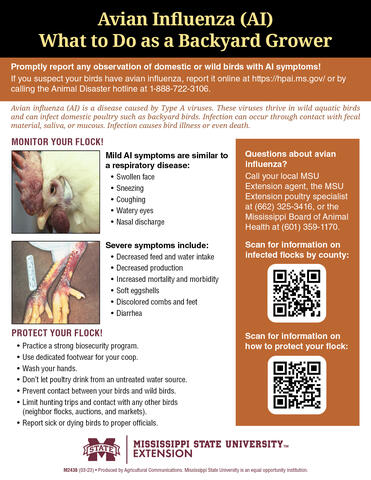
- Isolate sick birds immediately
- Limit access to infected areas
- Use protective gear when entering quarantined zones
Culling And Disposal
Culling may be necessary to control the outbreak. Proper disposal of carcasses is essential.
| Step | Action |
| 1 | Identify infected birds |
| 2 | Cull humanely |
| 3 | Dispose of remains safely |
Reporting And Surveillance
Reporting cases to authorities helps track the spread of the flu. Surveillance is key in early detection.
Future Research Directions
Bird flu affects many chickens and causes serious illness. Scientists work to find better ways to treat it. Research looks at new ideas to protect chickens and stop the virus.
Future studies will help improve treatments and control methods. These efforts aim to keep chickens healthy and reduce bird flu outbreaks worldwide.
New Treatment Developments
Researchers explore new medicines to fight bird flu in chickens. These treatments target the virus directly and help chickens recover faster. Scientists test antiviral drugs and natural compounds that may stop virus growth.
Some studies also focus on ways to support chicken immune systems. Improving immunity can help chickens resist infection or reduce illness severity.
Improved Vaccines
Vaccines are key to preventing bird flu in chickens. Researchers work on making vaccines safer and more effective. New vaccines aim to protect against many bird flu virus strains.
Better vaccines may also provide longer protection. Scientists test different vaccine types, such as live, inactivated, or DNA vaccines, to find the best option.
- Protect against multiple virus strains
- Give long-lasting immunity
- Are safe for chickens and farmers
Global Collaboration Efforts
Bird flu spreads quickly across countries. Global cooperation helps share information and resources. Scientists and governments work together to improve bird flu control.
Sharing virus data helps track changes and create better vaccines. International teams also coordinate on treatment research and outbreak response.
- Share virus information worldwide
- Coordinate vaccine development
- Support fast outbreak responses
Credit: extension.msstate.edu
Frequently Asked Questions
Can Chickens Recover From Bird Flu Infection?
Chickens rarely recover from bird flu due to its severity. Early detection and veterinary care can improve outcomes, but many cases result in high mortality. Prevention and biosecurity are key to controlling the disease in poultry farms.
Is There A Treatment For Bird Flu In Chickens?
No specific treatment exists for bird flu in chickens. Supportive care may help, but infected birds often need to be culled to prevent spread. Vaccination and strict biosecurity are the main control measures.
How To Prevent Bird Flu In Chicken Farms?
Prevent bird flu by maintaining strict hygiene and biosecurity. Limit contact with wild birds, disinfect equipment, and monitor flocks regularly. Vaccination programs can also reduce infection risks and protect poultry health.
Can Bird Flu Spread From Chickens To Humans?
Yes, bird flu can spread from infected chickens to humans through close contact. Proper handling, cooking poultry thoroughly, and using protective equipment minimize infection risk and safeguard public health.
Conclusion
Treating chickens for bird flu is difficult but possible in some cases. Early detection and quick action help control the spread. Farmers must keep their flocks clean and watch for signs of illness. Vaccines and medicines can reduce the virus’s impact.
Still, prevention remains the best way to protect birds. Staying informed and acting fast saves lives. Bird flu affects many farms worldwide. Care and caution make a big difference in fighting this disease.




